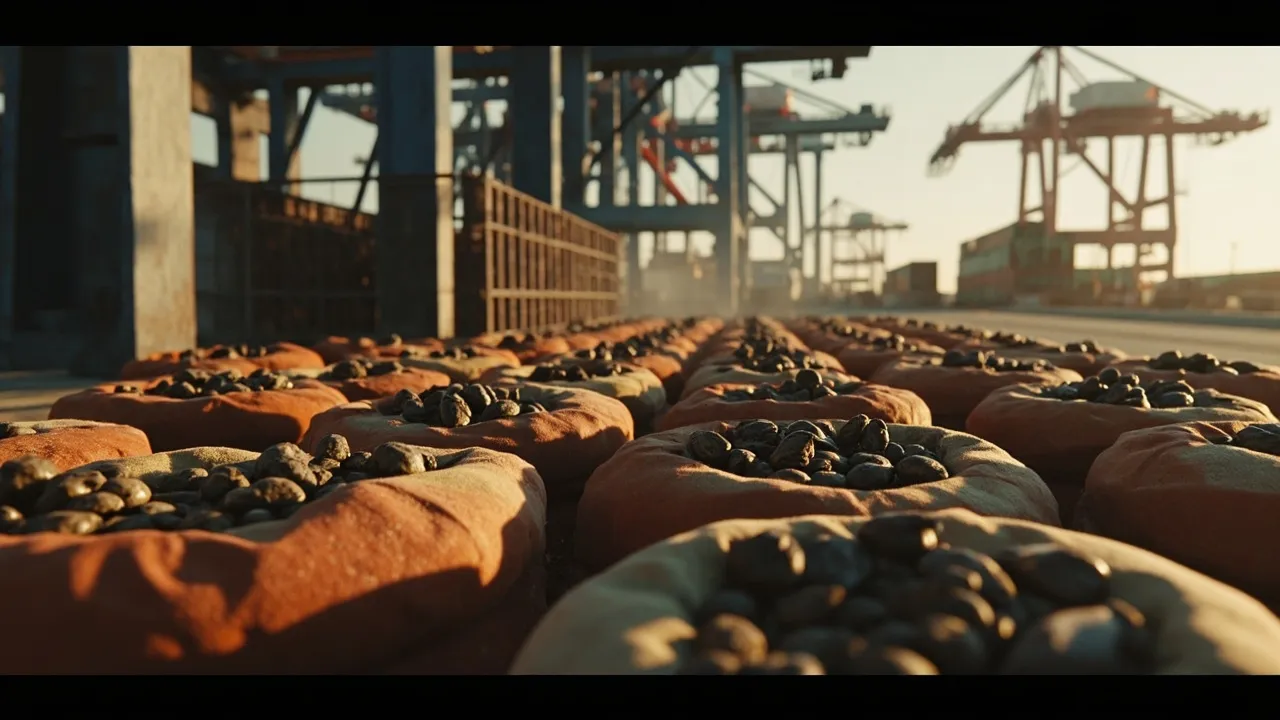
C.H. Robinson’s South Texas Fresh Produce Center Shows Border Logistics Is Getting More Specialized

Fresh produce is unforgiving freight. A delayed truck is not just late. It is losing shelf life by the hour.
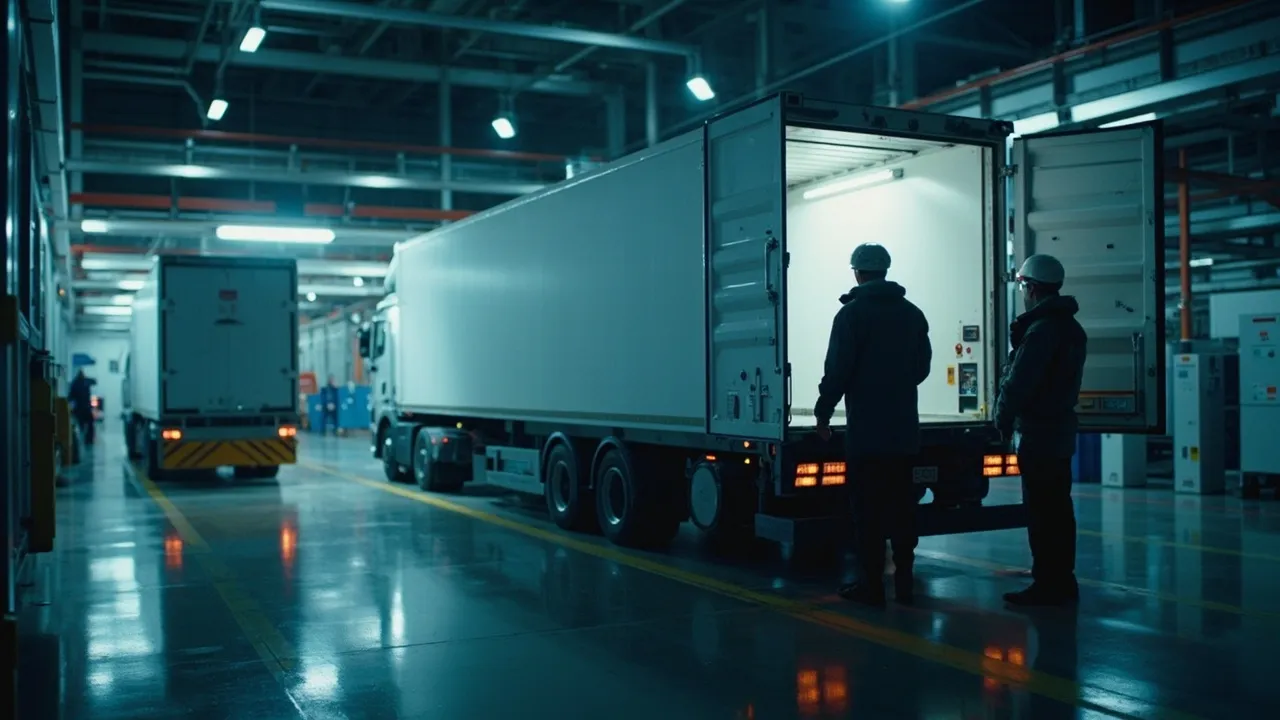
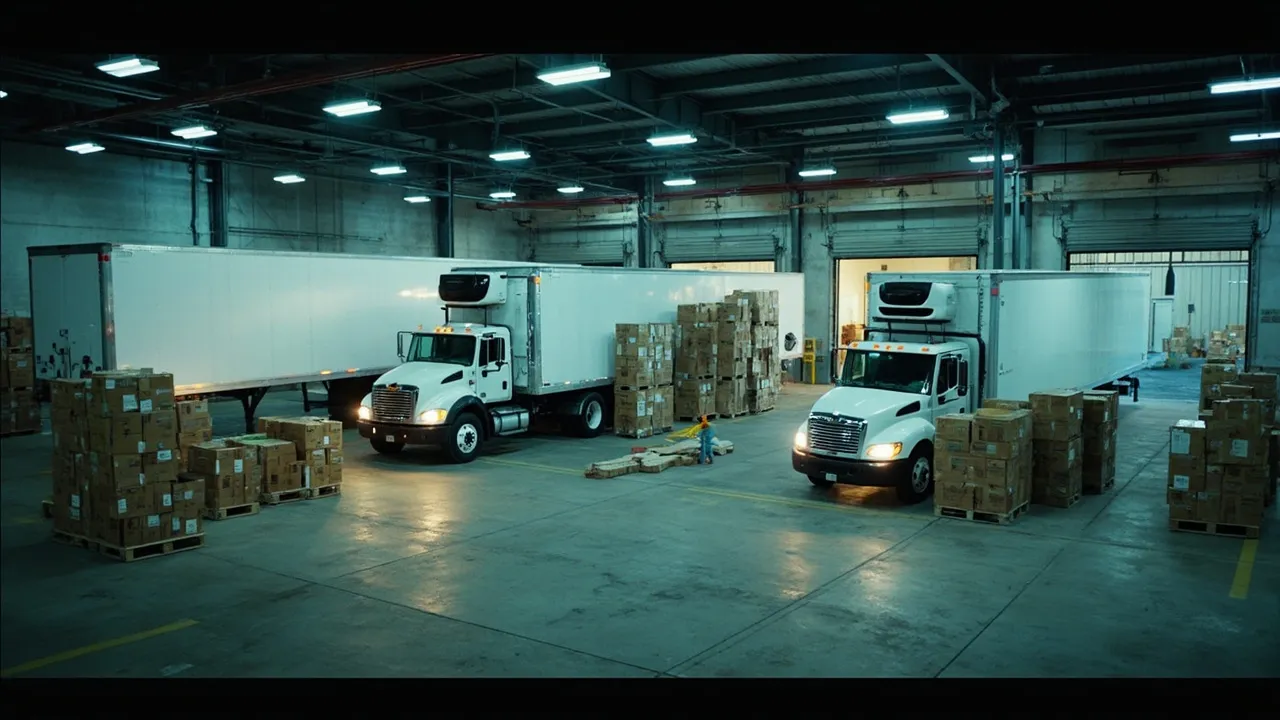
That is why C.H. Robinson's new South Texas fresh produce logistics center matters beyond one facility announcement. According to Logistics Management, Robinson Fresh opened a 142,600-square-foot logistics center in Pharr, Texas, near the U.S.-Mexico border. The site has 69 dock doors, multiple temperature zones, Global Food Safety Initiative certification, USDA Organic capabilities, immediate cooling, ripening, quality control, repacking, consolidation, and cross-border operations support.
The location is the real story. Logistics Management reported that 98% of fresh produce imported from Mexico enters the United States through Texas, New Mexico, Arizona, or California, and 55% moves through Texas. The new facility is close to the Pharr-Reynosa International Bridge, described as the most important U.S.-Mexico bridge crossing for perishables, with access to Highway 281, McAllen International Airport, nearby rail, and the ports of Brownsville and Matamoros.
That combination tells shippers something important: border logistics is no longer a generic truckload problem. For fresh produce, the winning network is specialized, temperature-aware, inspection-ready, and built around dwell-time reduction.
Produce does not tolerate loose handoffs
General freight can absorb a lot of operational mess. A pallet of durable goods may survive an extra day in transit. Produce usually cannot.
A tomato, avocado, berry, or leafy green shipment lives inside a narrow operating window. Temperature excursions, inspection delays, missed appointments, poor airflow, and slow repacking decisions all translate into shrink, claims, markdowns, or rejected loads. That is why the border handoff is such a critical control point. It is where customs status, food-safety documentation, carrier availability, temperature records, and destination appointments all collide.
C.H. Robinson said the facility helps customers reduce dwell time, control costs, and get products to market faster. That is not marketing fluff. In produce logistics, dwell time is inventory decay. Every hour at the border affects downstream inventory freshness, store availability, and margin.
The stronger operating model is to treat the border facility as an active execution node, not just a place to park freight. Immediate inspection, cooling, ripening, repacking, labeling, and consolidation create options. A shipment can be redirected, quality-checked, split, staged, or moved into a temperature-controlled network before a minor delay becomes a customer-facing failure.
Cold-chain growth is shifting network design
The specialization is also happening because the cold-chain market is getting larger and more technically demanding.
Mordor Intelligence estimates the U.S. cold chain logistics market at $97.13 billion in 2026, growing to $133.87 billion by 2031 at a 6.63% CAGR. The report also notes that refrigerated storage held 57.53% of U.S. cold-chain market share in 2025, while the Southwest is expected to advance at an 11.02% CAGR through 2031.
That Southwest growth fits the South Texas investment thesis. Mexican produce flows, nearshoring activity, cross-border retail replenishment, and food resilience all point toward more freight moving through border-adjacent cold-chain nodes. The old model of simply hauling north from the border and solving exceptions later is too brittle.
Cold-chain logistics now requires better orchestration at the edge of the network. The facility closest to the crossing needs to know which loads are pending inspection, which trailers need immediate cooling, which SKUs can be consolidated, which carriers have reefer capacity, and which customer appointments are at risk. Without that visibility, teams react by phone, spreadsheet, and instinct. That works until volume spikes.
Nearshoring raises the bar at the border
Nearshoring is often discussed through the lens of manufacturing: factories, industrial parks, suppliers, and cross-border truckload lanes. Food logistics deserves the same attention.
Produce is already a deeply integrated U.S.-Mexico supply chain. Seasonal demand changes fast. Retail promotions can pull volume forward. Weather can hit harvest timing. Border congestion can turn a normal week into a triage exercise. Reefer capacity can tighten when multiple crops move at once.
That is why border-adjacent logistics centers are becoming control towers for perishables. The closer a facility sits to the crossing, the faster it can respond to release status, trailer availability, quality outcomes, and customer allocation decisions. C.H. Robinson said the new Pharr facility is about five minutes from the border rather than forty. For ambient freight, that may be convenient. For produce, it is operational leverage.
The next phase of cross-border logistics will not be won only by owning space. It will be won by connecting facility events to transportation execution. A dock door timestamp should inform appointment planning. A temperature exception should trigger escalation before delivery. Customs release should update carrier dispatch. Repacking should change shipment details before the receiving team is surprised.
What forwarders and shippers should track
Fresh produce logistics needs a tighter dashboard than standard truckload freight.
Start with temperature records. Shippers need continuous visibility into set point, return air, discharge air, dwell time, and exception history. A temperature log that appears after a claim is useful for blame. A live exception alert is useful for prevention.
Next, track appointment timing across the border handoff. That means crossing ETA, customs release, facility arrival, dock assignment, inspection completion, departure, and downstream delivery appointment. If teams only measure pickup and delivery, they miss the part of the journey where many produce loads lose time.
Customs status belongs in the same workflow. A shipment waiting on documentation, inspection, or release should not require separate manual follow-up. The transportation team needs to know whether the issue is administrative, operational, or capacity-related.
Carrier availability is the fourth piece. Reefer networks are seasonal. When produce demand rises, backup capacity can disappear quickly. Forwarders should track primary carrier acceptance, backup utilization, trailer pre-cool compliance, late arrivals, claims, and lane-level service consistency.
Finally, connect quality events to shipment records. If a load is ripened, repacked, relabeled, split, or reallocated, that information should follow the shipment. Otherwise, customer service and billing teams inherit confusion after the freight has already moved.
Specialized freight needs specialized systems
The South Texas facility is a useful signal because it shows where logistics is heading. More freight will require purpose-built handling, tighter compliance, better temperature control, and faster exception response. Border logistics, especially for perishables, is becoming a precision discipline.
CXTMS helps forwarders and logistics teams manage that precision in daily execution: cross-border milestones, carrier assignment, appointment tracking, documentation, exception notes, and shipment visibility in one operating workflow. When teams can see customs status, temperature-sensitive handoffs, and carrier performance together, they can protect freshness instead of chasing problems after the fact.
Ready to make cross-border produce logistics less reactive? Schedule a CXTMS demo and see how better shipment visibility, carrier workflows, and exception management can keep cold-chain freight moving before shelf life slips away.