Gartner Says Half of New Warehouses Will Be Human-Optional by 2030. The Timeline Matters More Than the Hype.

Warehouse automation people love a sexy headline, and Gartner just handed them one.
In its April 13 newsroom release, Gartner predicted that half of new warehouses built in developed markets will be human-optional by 2030. That number is going to get repeated a lot, usually by people trying to sell robots, software, or a vision of the future where labor headaches disappear behind a glossy demo.
The smarter read is less dramatic and much more useful. Human-optional does not mean fully lights-out in every aisle, every shift, every product profile. It means new facilities are being designed so a growing share of work can run with minimal human intervention across specific workflows, specific zones, and specific time windows. The timeline matters because it tells operators what to invest in now, not what fantasy to believe by lunchtime.
The forecast matters because warehouse design is changing now
A 2030 target is close in capital-planning terms. Warehouse operators are not deciding on 2030 in 2030. They are deciding now, in network studies, automation budgets, software selection, slotting strategies, and greenfield facility designs that will still be operating years from today.
That is why Gartner’s prediction deserves attention. It signals that warehouse automation is moving out of the pilot-and-press-release phase and into facility assumptions. For many operators, the question is no longer whether to automate, but which layers to automate first and how to keep the stack flexible enough to scale.
The hype usually jumps straight to lights-out fulfillment, as if every building is about to become a dark cube of perfect machine choreography. That is mostly nonsense. Warehouses do not become human-optional in one heroic leap. They get there through a series of narrower wins: autonomous pallet movement, robotic picking in constrained use cases, AI-assisted detection, smarter exception handling, and orchestration software that keeps all those moving parts from tripping over each other.
The first wave is about repeatable tasks, not total autonomy
That pattern is already visible in the equipment being pushed into the market. Modern Materials Handling reported this week that Teradyne Robotics is showcasing an MC600 mobile cobot with up to 600 kilograms of payload capacity and a MiR1200 Pallet Jack that uses AI-based pallet detection and 3D vision to move pallets in complex environments.
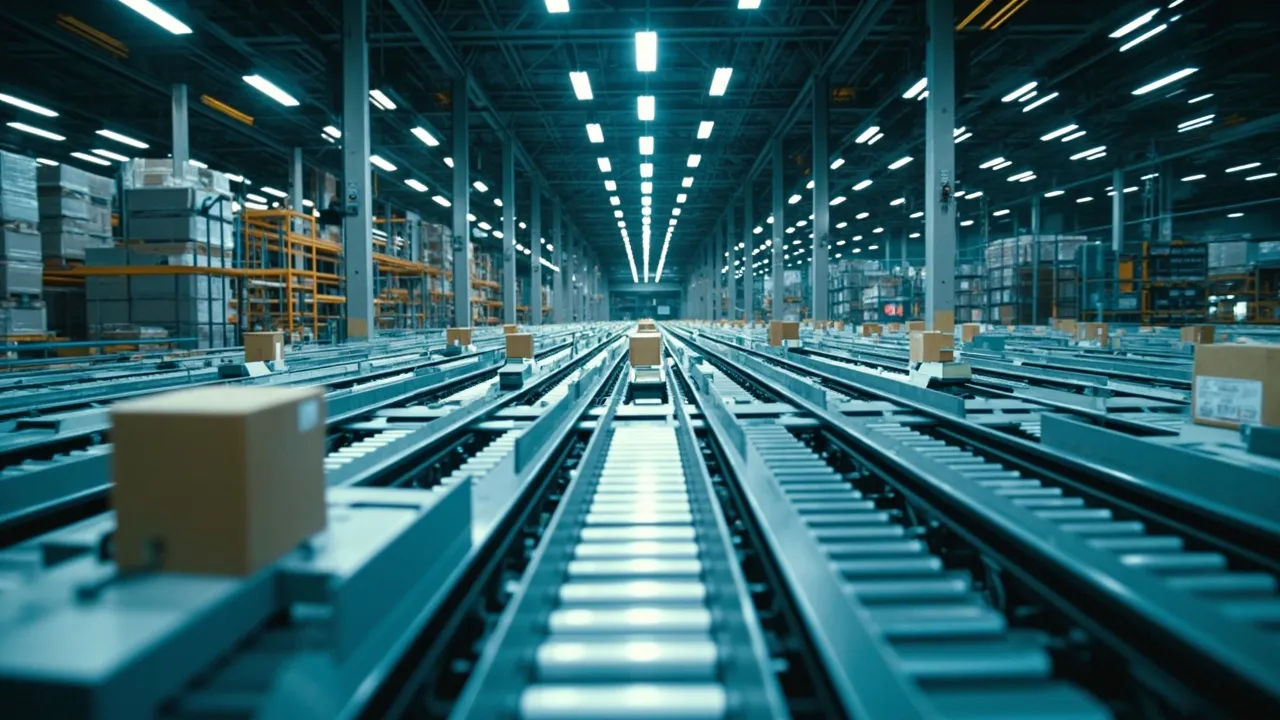
That is the real shape of a human-optional warehouse. Not robots replacing every job, but machines taking over the ugly, repetitive, and highly standardized moves that burn time and labor without adding much judgment. Pallet transport is a perfect example. It happens constantly, it eats labor, and it is one of the easiest categories to automate without redesigning the entire operation around science fiction.
The same logic applies to inbound staging, repetitive putaway, trailer unloading support, zone-to-zone transfer, and some palletizing workflows. These are the tasks that will move first because they combine labor intensity with repeatable rules. They also create cleaner return-on-investment cases than broad claims about full autonomy.
The labor story is not disappearing. It is getting rearranged.
Automation vendors keep flirting with a lazy narrative that warehouse labor will simply matter less. That is the wrong takeaway.
The better data point comes from the 2026 MHI and Deloitte industry report, summarized by Modern Materials Handling. In that survey, 39% of respondents rated robotics and automation as having a significant or greater disruptive impact, while workforce, talent shortages, and changing worker skillsets still ranked among the top trends shaping supply chains.
That combination matters. Operators are not automating because labor stopped mattering. They are automating because labor is scarce, expensive, hard to retain, and increasingly difficult to deploy predictably in physically demanding workflows. Human-optional design is really a response to labor volatility. The goal is not to eliminate people. It is to stop building facilities that collapse every time staffing gets weird.
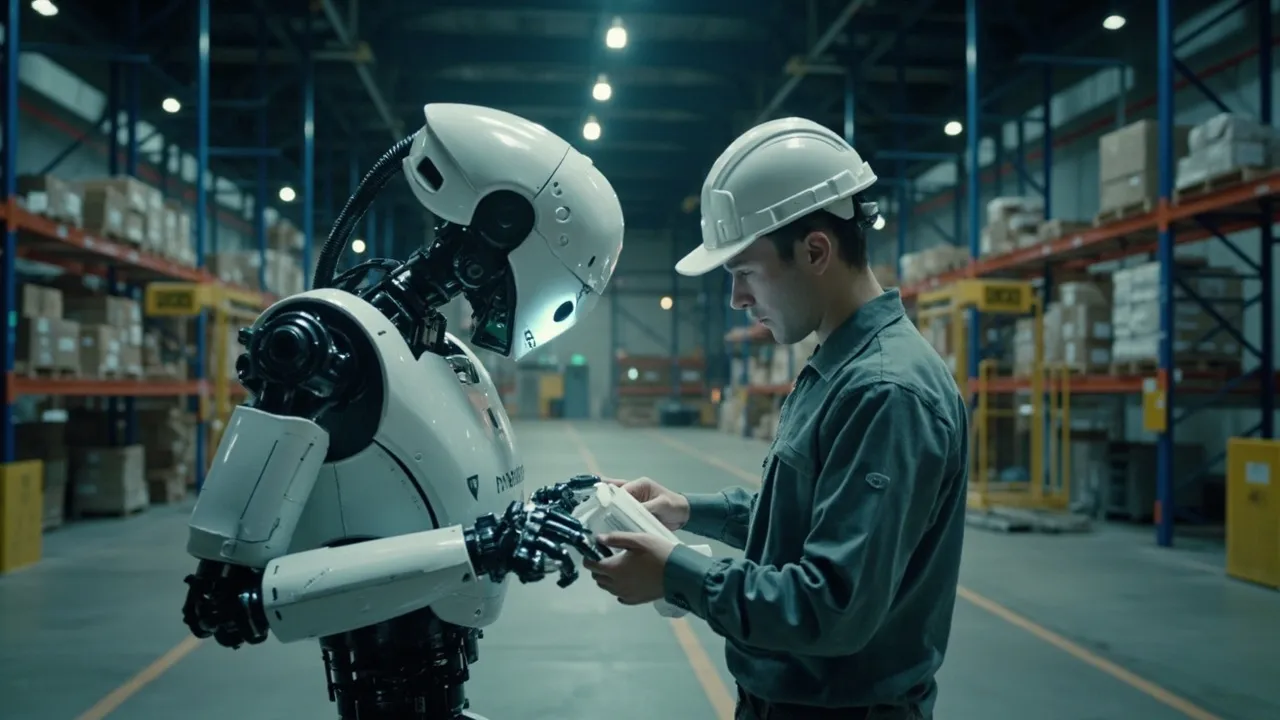
In practice, that means tomorrow’s warehouse workforce will be smaller in some zones, more technical overall, and more concentrated around supervision, exception management, maintenance, wave control, quality checks, and orchestration. Humans still handle edge cases better than machines. The trick is keeping humans focused on the edge cases instead of wasting them on endless pallet shuffling.
Some facilities will automate faster than others
Not every warehouse profile is an equal candidate for human-optional design.
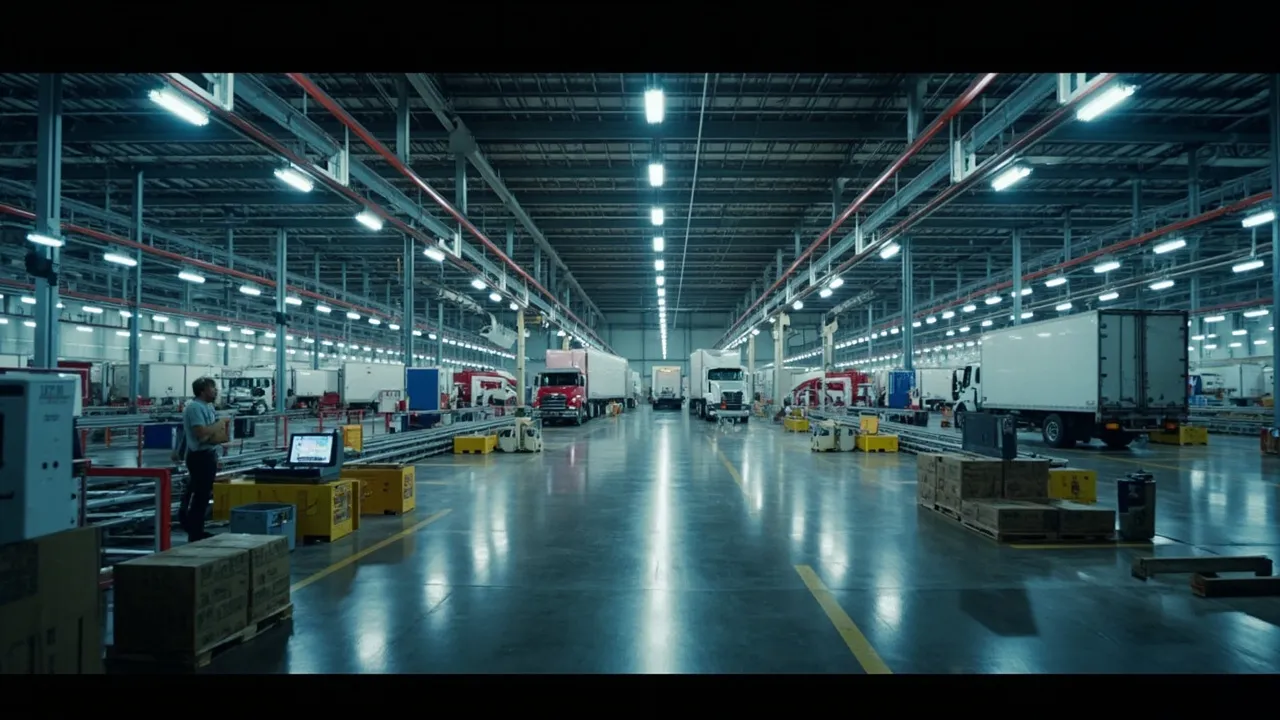
The best early fits are high-volume facilities with stable flows, standardized unit loads, predictable replenishment patterns, and enough throughput to justify capital spending. Greenfield sites in developed markets will move first because they can be built around automation from day one, with floor layouts, charging zones, traffic paths, sensor coverage, and software integration planned as one system.
Legacy warehouses will lag unless operators are willing to retrofit aggressively. Brownfield automation is possible, but it gets ugly fast when the building, processes, and data quality were never designed for machine-led execution. You can bolt robots onto a messy operation, sure. You just should not expect miracles.
Cold chain, ecommerce fulfillment, and high-throughput consumer goods networks are also strong candidates, though each for different reasons. Cold chain facilities gain from reducing human exposure in harsh environments. Ecommerce operations gain from scale and labor pressure. Consumer-goods warehouses gain from repeatability. Highly variable project cargo or messy mixed-SKU environments will take longer.
Software orchestration is the part people still underrate
Here is the part that tends to get ignored in robot-heavy coverage: hardware is only half the job.
A warehouse becomes human-optional only when the software layer can coordinate tasks, route exceptions, surface status in real time, and connect warehouse execution with transportation, orders, and dock operations. Otherwise you just own a bunch of expensive machines that create a new flavor of chaos.
That is why the timeline matters more than the hype. Between now and 2030, the winners will not necessarily be the operators with the most robots. They will be the ones with the cleanest orchestration, the clearest automation sequencing, and the discipline to automate workflows instead of headlines.
Gartner’s forecast is not a promise that humans are leaving warehouses. It is a warning that facility design, labor strategy, and execution software are being reset around a much higher automation baseline. If you are still treating automation as a side project, you are already late.
If your operation is planning for robotics, labor resilience, and execution visibility at the same time, book a CXTMS demo and see how tighter orchestration helps warehouse and transportation workflows move as one system.