FedEx's Multi-Vendor Robotics Bet: Why the Carrier Just Ditched Proprietary Automation in Favor of Partners

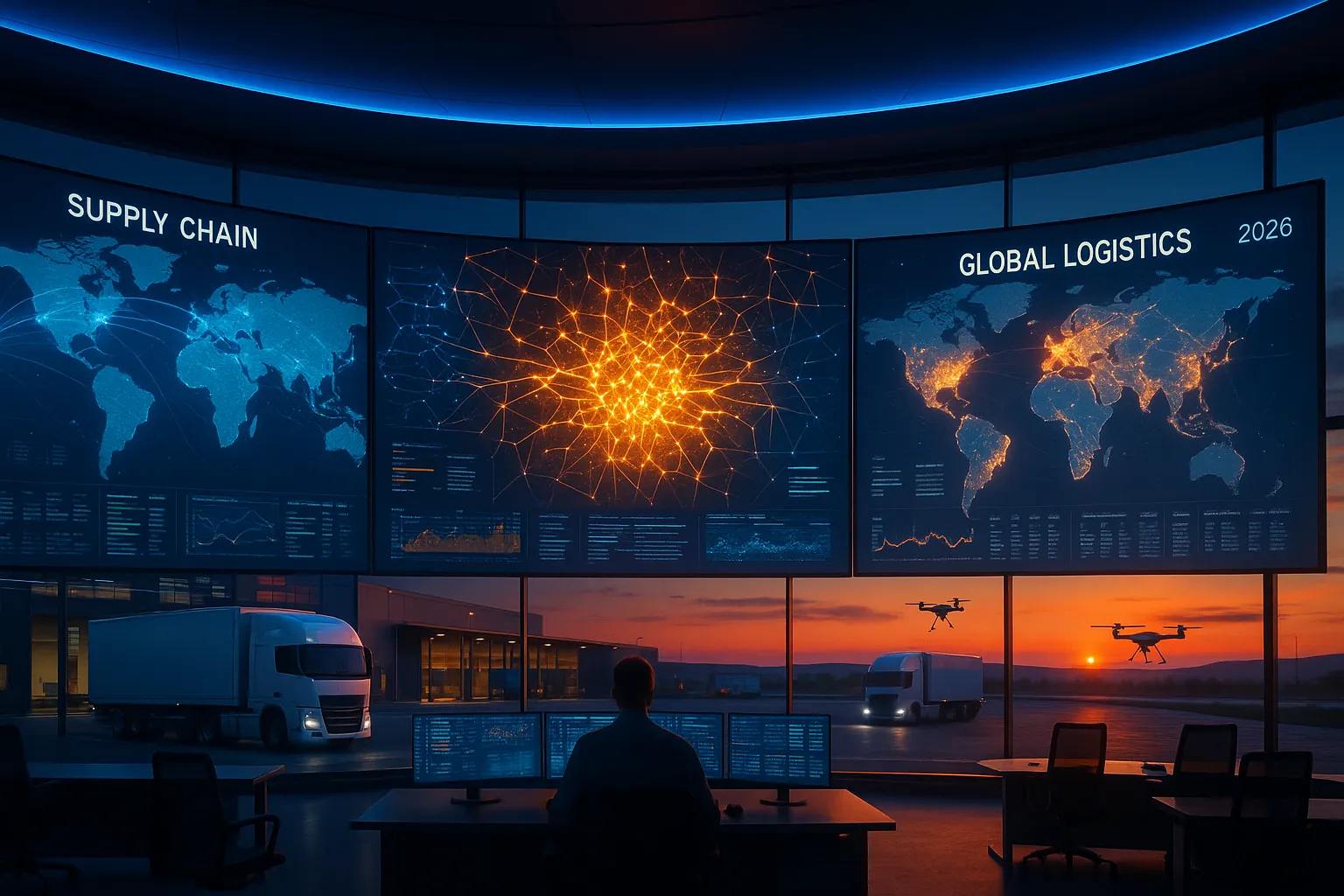
For years, FedEx walked the automation tightrope with one foot on each side. The Memphis giant built internal tools like SenseAware sensors while simultaneously watching Amazon pile 750,000+ robots into its global fulfillment network. The gap wasn't getting smaller — it was getting embarrassing.
Now FedEx has made the call: proprietary automation is a sunk cost. In March 2026, the company publicly committed to a multi-vendor robotics strategy, partnering with specialists like Berkshire Grey, Dexterity, and Nimble rather than building from scratch.
It's a telling shift — and one that logistics operators who aren't carriers should be paying close attention to.
The Breaking Point
FedEx's own leadership put it bluntly: robotics development is "next level" harder than sensor hardware. "Developing sensor hardware is complicated, but developing robotics capabilities is next level," said O.P. Skaaksrud, VP of Advanced Technology and Innovation at FedEx. "It's much better and faster to partner with other companies in the field to move faster."
That admission carries weight from a company spending billions annually on logistics infrastructure. FedEx isn't alone in hitting this wall. The broader robotics vendor ecosystem has spent the past five years maturing to the point where specialist providers now outperform internal R&D timelines — particularly for high-variability tasks like bulk package unloading.
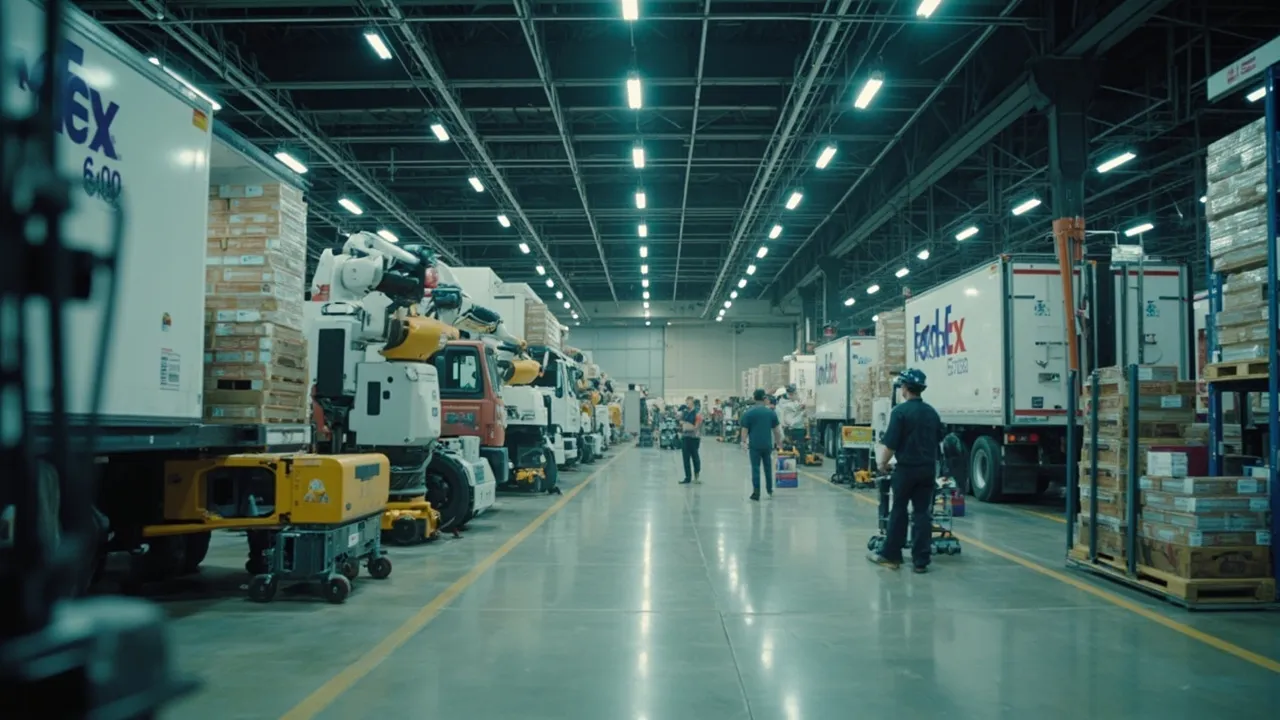
The Scoop robotic trailer unloader — developed with Berkshire Grey — is the flagship example. FedEx had attempted to automate bulk unloading before and failed. The variety of package shapes, weights, and configurations that arrive at any given door made the task resistant to off-the-shelf solutions. Berkshire Grey's multi-year collaboration with FedEx produced a system that can handle bulk bundles of multiple parcels without requiring the speed-killing precision of single-item picking.
"The variety of package mix, to specialize individual picking, it's just not gonna be fast enough," Skaaksrud told TechCrunch. Bulk unloading, by contrast, requires judgment — but not granularity. That's the automation sweet spot.
Amazon's Shadow and the Competitive Math
The comparison to Amazon is unavoidable. By mid-2025, Amazon had deployed more than 750,000 robots across its global network. That number has only grown. For FedEx, watching a competitor scale that aggressively while internal R&D produced incremental results created an existential pressure.
The math is stark: FedEx generates roughly $88 billion in annual revenue and operates one of the world's largest logistics networks. Falling behind on automation efficiency translates directly into cost-per-package disadvantages that compound annually. Every month of proprietary R&D delay is another month Amazon's per-unit cost advantage widens.
The multi-vendor approach is FedEx's attempt to compress that timeline. Instead of spending years developing an in-house robotic capability, the company can pilot partner technology in months and scale what works.
The Partner Roster: Who's In and Why It Matters
FedEx's robotics partnerships span multiple operational domains:
- Berkshire Grey — Bulk trailer unloading (Scoop system), piloted in 2026 with broader rollout planned
- Dexterity — Human-like robotic manipulation for picking and packing tasks
- Nimble — Fully autonomous warehouse infrastructure that FedEx can leverage as a service
- Aurora Innovation — Autonomous long-haul trucking; the companies have completed over 3,200 autonomous loads
What's notable is the non-exclusive structure. FedEx is deliberately avoiding locking itself into a single vendor ecosystem. This mirrors a broader shift in enterprise automation — buying best-in-class specialist capabilities rather than accepting the integration trade-offs that come with a single-platform vendor.
What This Means for 3PLs and Shippers
FedEx's pivot is instructive for freight forwarders and third-party logistics providers wrestling with the same automation build-vs-buy question — just at smaller scale.
The lesson isn't "partnerships are always better." It's that the robotics ecosystem has reached a maturity threshold where specialist providers can deliver production-ready capability faster than internal development for most warehouse tasks. That matters for a few reasons:
Vendor risk is lower. The robotics companies that survived the 2022-2024 consolidation are proven at scale. Berkshire Grey, Dexterity, and Nimble aren't startups burning venture capital — they're operational businesses with real deployments.
Integration complexity is manageable. Unlike the early days of warehouse robotics when every vendor required bespoke integration work, today's partner ecosystems have standardized interfaces. FedEx can swap or add partners without rebuilding its automation architecture.
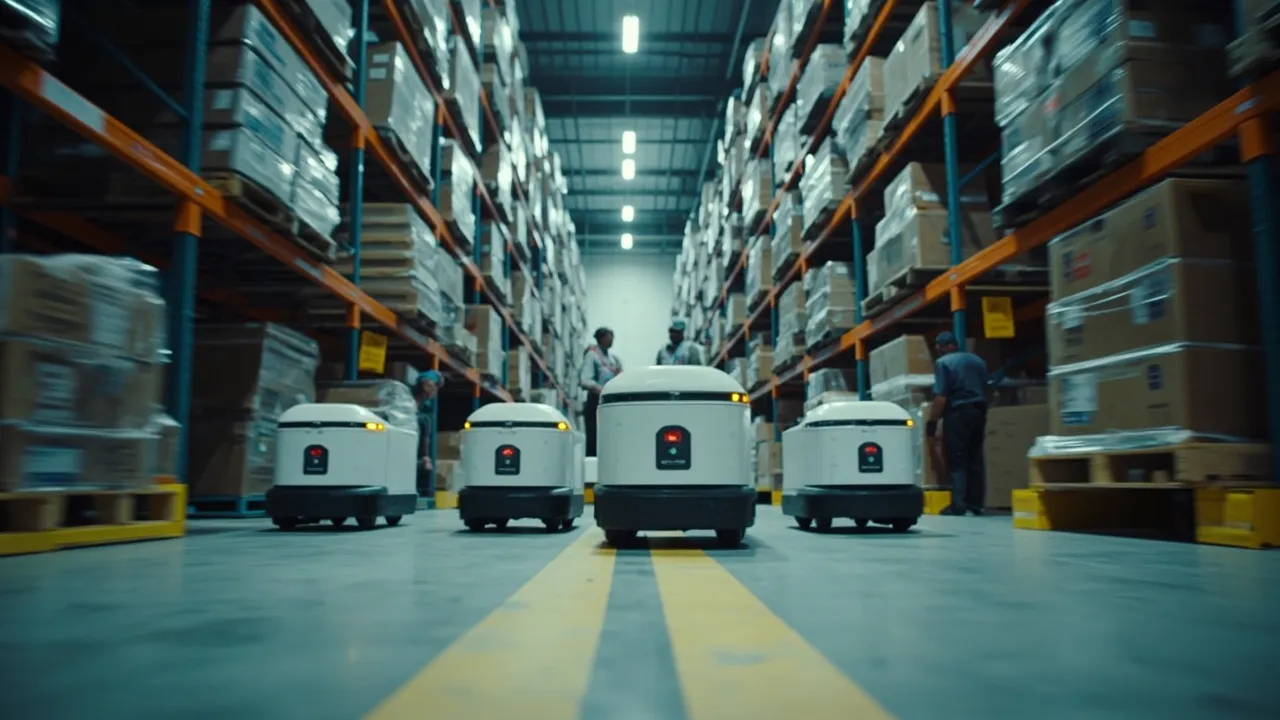
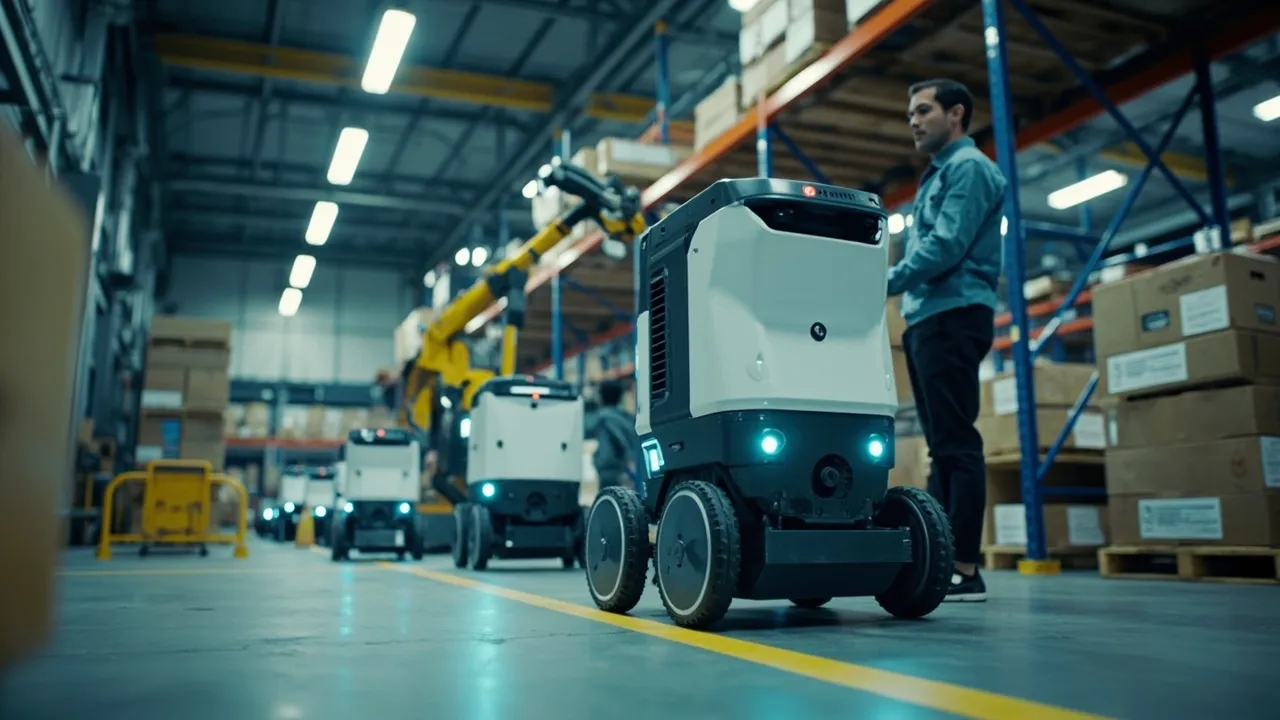
The human-robot collaboration model works. FedEx's explicit strategy is automating the most physically demanding jobs first — the ones that cause injury and turnover — while retraining employees for higher-value roles. That's a more defensible ROI story than trying to replace entire job functions.
The Competitive Signal
FedEx's multi-vendor robotics bet is also a signal about the pace of change in carrier automation strategy. Carriers that locked into proprietary automation systems in 2018-2022 are now watching their R&D investments become obsolete faster than anticipated. The vendors have caught up, and they've caught up by focusing on one problem domain with intensity that no single logistics company can match internally.
For shippers and 3PLs evaluating carrier partners, this shift is worth watching. A carrier's automation posture — not just its robotics count, but its ability to integrate and scale new capabilities quickly — is increasingly a differentiator in service reliability and cost structure.
The carriers moving toward open-partnership models like FedEx are betting that flexibility beats vertical integration in the next phase of logistics automation. Whether that bet pays off against Amazon's robotic army will be one of the more interesting competitive storylines of the next 24 months.
Want to see how CXTMS can help you evaluate carrier automation capabilities in your network? Schedule a demo and we'll walk you through real-time carrier performance data.