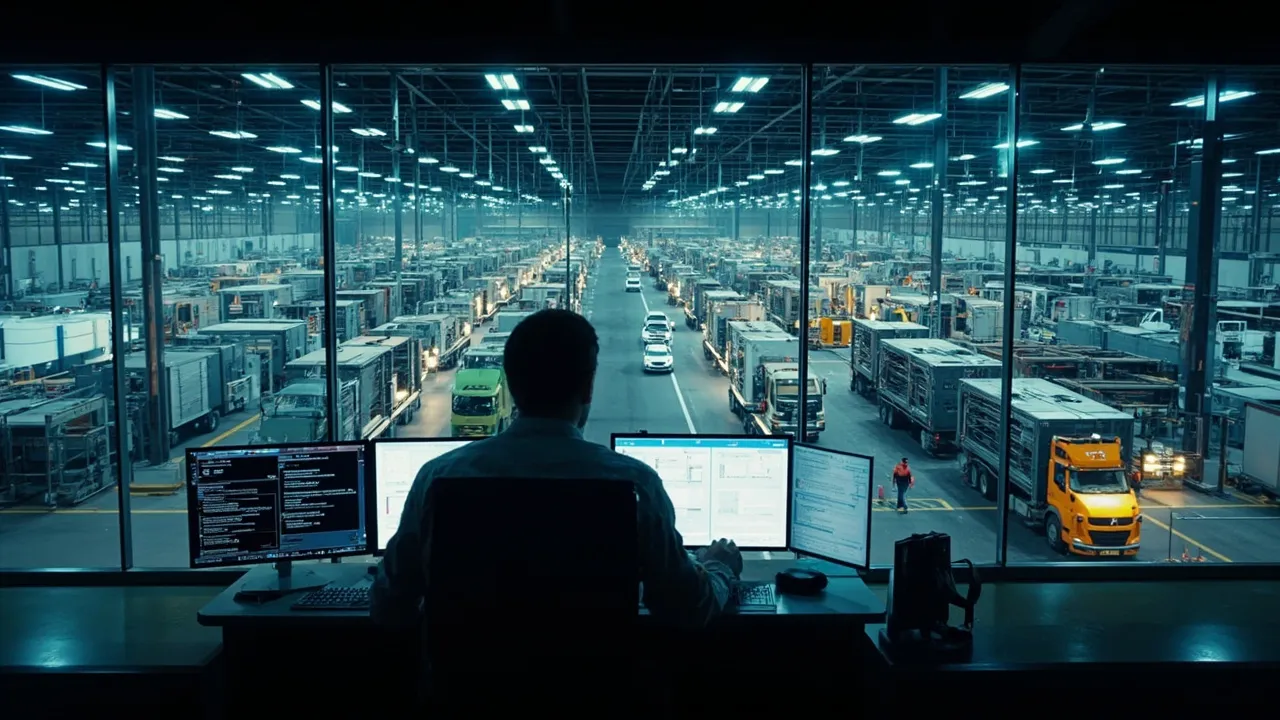
Nearshoring and Supply Chain Resilience: How TMS Platforms Adapt to the Great Reshoring Wave

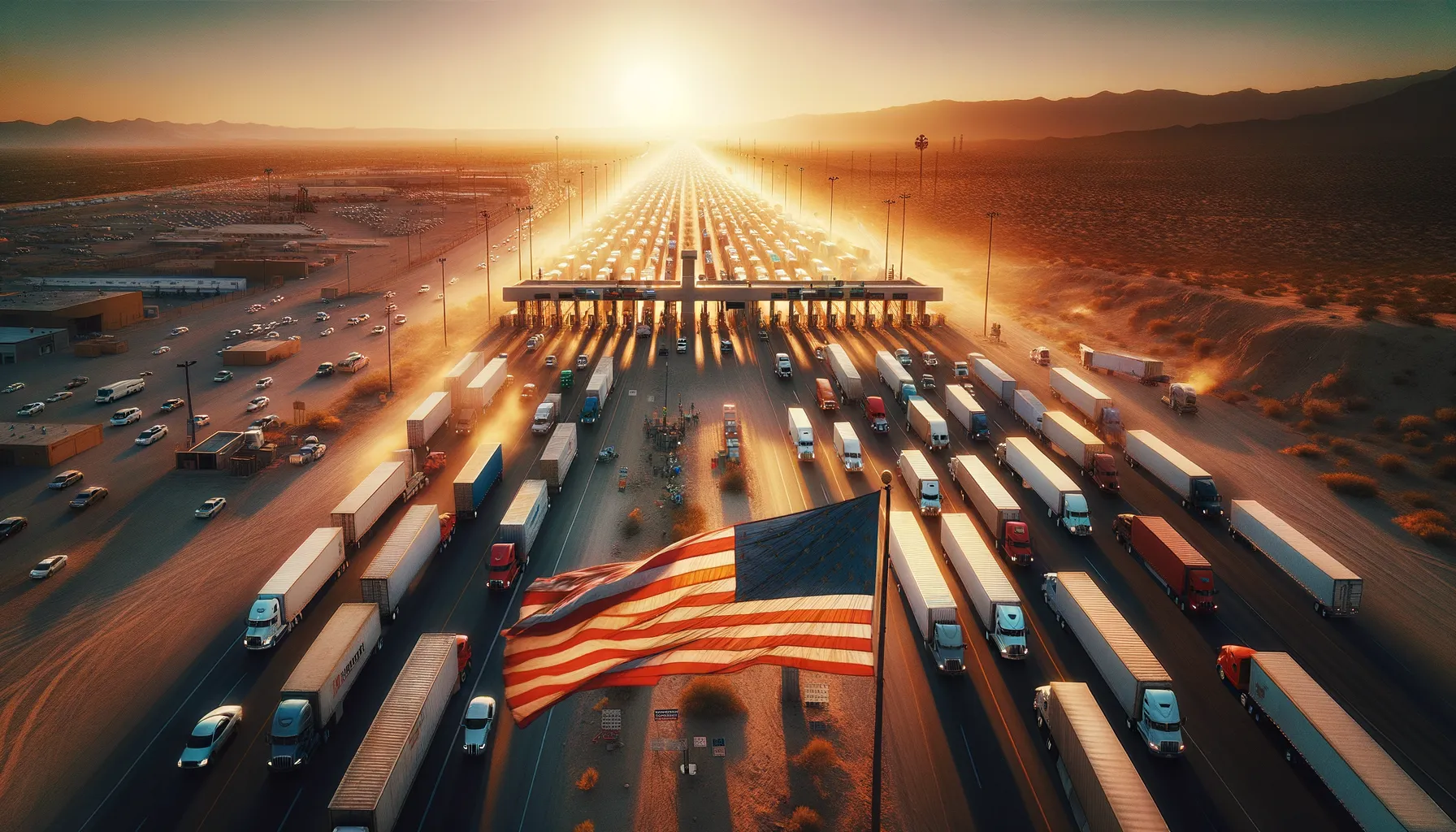
The global supply chain map is being redrawn. Tariffs, geopolitical tensions, and pandemic-era disruptions have converged into a single, powerful force: the great reshoring wave. For logistics professionals, this isn't an abstract trend—it's a fundamental shift in where goods originate, how they move, and what it takes to keep freight flowing reliably.
The Numbers Behind the Nearshoring Surge
McKinsey's 2025 Supply Chain Risk Pulse survey paints a vivid picture of the transformation underway. Among companies facing tariff impacts, 33% are actively developing supplier nearshoring strategies, while 45% are increasing inventory buffers and 39% are pursuing dual-sourcing for critical components. These aren't experimental pilots—they're board-level strategic shifts driven by real margin pressure.
The catalyst is clear: U.S. tariffs as high as 25% on Chinese imports across electronics, steel, textiles, and semiconductors have made traditional Asian sourcing economics untenable for many shippers. According to SupplyChainBrain, an estimated 60% of U.S. companies experienced logistics cost increases of 10% to 15% due to tariffs in the past year alone.
The result? Only 20% of companies plan full reshoring to the U.S., making Mexico and other USMCA partners the more cost-efficient alternative for the majority of manufacturers rethinking their supply chains.
Why Mexico Has Become the Center of Gravity
Mexico's appeal goes beyond proximity. The United States-Mexico-Canada Agreement (USMCA) allows duty-free trade between the three countries, and a 2025 World Trade Organization report found that free trade agreements reduced tariff-related costs by 10% for compliant firms. For manufacturers with high labor content in their products, Mexico offers compelling economics: lower wage rates than the U.S., a skilled workforce, and established industrial infrastructure along the border corridor.
The automotive sector illustrates the shift perfectly. Ford has turned to Mexican suppliers to avoid Chinese tariffs, even as cross-border trucking delays have risen by 15%. Walmart reduced Chinese imports by 10% in 2024, diversifying toward Southeast Asia and Mexico. Apple is shifting 15–20% of production to India and Vietnam. Every major industry is in motion.
But here's what the headlines miss: nearshoring doesn't simplify logistics. It transforms it. New origin points mean new lanes, new carriers, new compliance requirements, and new failure modes. A shipment from Monterrey to Dallas involves different customs procedures, different transit time calculations, and different risk profiles than one from Shanghai to Los Angeles.
The Hidden Complexity of USMCA Freight
Cross-border USMCA freight introduces layers of operational complexity that traditional logistics setups weren't built to handle:
- Customs compliance at scale: Rules of origin documentation, USMCA certificates, and duty classification must be managed for every shipment. Errors don't just cause delays—they trigger penalties.
- Multi-modal routing: A typical nearshored supply chain might combine Mexican rail, cross-border drayage, and U.S. LTL in a single shipment. Coordinating these modes requires real-time visibility and dynamic routing.
- Carrier fragmentation: The U.S.-Mexico corridor is served by a different ecosystem of carriers than transpacific shipping. Building and managing these relationships from scratch is resource-intensive.
- Border crossing variability: Wait times at key crossings like Laredo and El Paso can swing from 2 hours to 12+ hours depending on the day, creating unpredictable transit times that ripple through production schedules.
This is where legacy logistics processes break down. Spreadsheets and manual carrier management can't handle the combinatorial explosion of routing options, compliance checks, and real-time adjustments that nearshored supply chains demand.
How Modern TMS Platforms Bridge the Gap
A transportation management system built for today's reshoring reality does more than optimize rates—it orchestrates the entire cross-border logistics workflow:
Intelligent multi-modal routing evaluates combinations of rail, truck, and intermodal options across USMCA lanes in real time, balancing cost, transit time, and reliability based on current border conditions and carrier performance data.
Automated compliance management validates rules of origin, generates USMCA certificates, and flags shipments that risk non-compliance before they reach the border—not after.
Dynamic carrier matching draws from a diversified pool of cross-border specialists, Mexican domestic carriers, and U.S. last-mile providers, automatically selecting the best option for each leg based on performance history and real-time capacity.
Predictive visibility uses historical crossing data and real-time feeds to forecast border wait times and proactively adjust pickup and delivery windows, keeping production schedules intact even when the border backs up.
Building True Supply Chain Resilience
Nearshoring alone doesn't create resilience. True resilience comes from the ability to adapt quickly when conditions change—and in 2026, conditions change constantly. McKinsey's research shows that the companies weathering tariff disruptions best aren't just the ones who moved production. They're the ones who invested in supply chain agility: the systems, data, and processes that let them reroute shipments, switch suppliers, and rebalance inventory in hours rather than weeks.
CXTMS delivers this agility for shippers navigating the reshoring wave. By integrating cross-border compliance, multi-modal optimization, and real-time visibility into a single platform, CXTMS transforms nearshoring from a logistics headache into a competitive advantage. Whether you're managing your first USMCA lane or scaling a complex multi-country supply network, the right TMS doesn't just move freight—it builds the resilience your supply chain needs.
The Reshoring Wave Is Just Beginning
The data is clear: nearshoring and reshoring aren't temporary reactions to tariffs. They represent a structural shift in global trade that will define logistics for the next decade. The companies that thrive won't be the ones who simply moved their factories. They'll be the ones who built the digital infrastructure to manage the complexity that comes with it.
Ready to optimize your cross-border logistics? Contact CXTMS for a demo and see how intelligent TMS transforms nearshoring complexity into supply chain resilience.