Trade Policy
17 posts tagged with “Trade Policy”

China May Halve Hybrid Sales to Europe: Rebalance Finished-Vehicle Flows Before the Quota Bites
China and the EU may halve Chinese hybrid exports to Europe. Learn how finished-vehicle logistics teams can redirect capacity and prevent stranded inventory.
 CXTMS InsightsOctober 12, 2026 · 6 min read

G20 Ministers Target Excess Factory Capacity: Add Policy Risk to Supplier Awards
A supplier-award framework that prices tariff, quota, local-content, and origin risk into landed cost before trade policy changes disrupt freight flows.
CXTMS InsightsOctober 12, 2026 · 6 min read
China-Linked Vessel Fees Remain Unsettled: Add a Port-Call Tax Scenario to Ocean Bids
Prepare ocean freight bids for possible U.S. fees on China-linked vessels by mapping vessel exposure, modeling service-string costs, and setting decision dates.
CXTMS InsightsSeptember 29, 2026 · 5 min read
Chinese Automakers’ U.S. Foothold Debate Is Really a Supplier-Network Visibility Test
Learn how part-level supplier visibility helps automotive logistics teams prepare for changing U.S. rules on Chinese ownership, components, and connected-vehicle technology.
CXTMS InsightsSeptember 22, 2026 · 6 min read
Trade-Policy Import Swings Are Becoming a Demand-Sensing Problem
Import bookings are rising in a policy-sensitive market. Shippers need demand-sensing discipline to separate tariff avoidance from real replenishment before capacity tightens.
CXTMS InsightsJuly 15, 2026 · 7 min read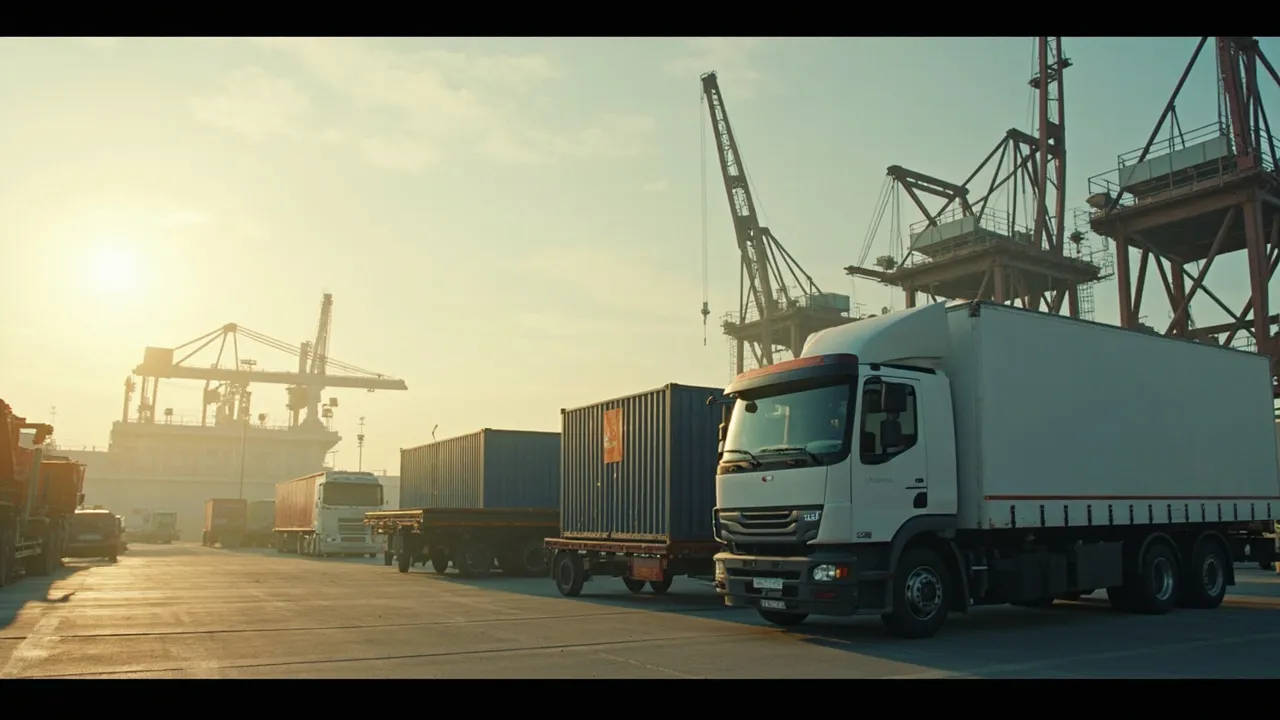
U.S.-China Agriculture Trade Board Could Become a New Freight Planning Signal
A proposed U.S.-China trade board and new agriculture commitments could give logistics teams an earlier signal for reefer, port, rail, truck, and export documentation planning.
CXTMS InsightsMay 21, 2026 · 6 min read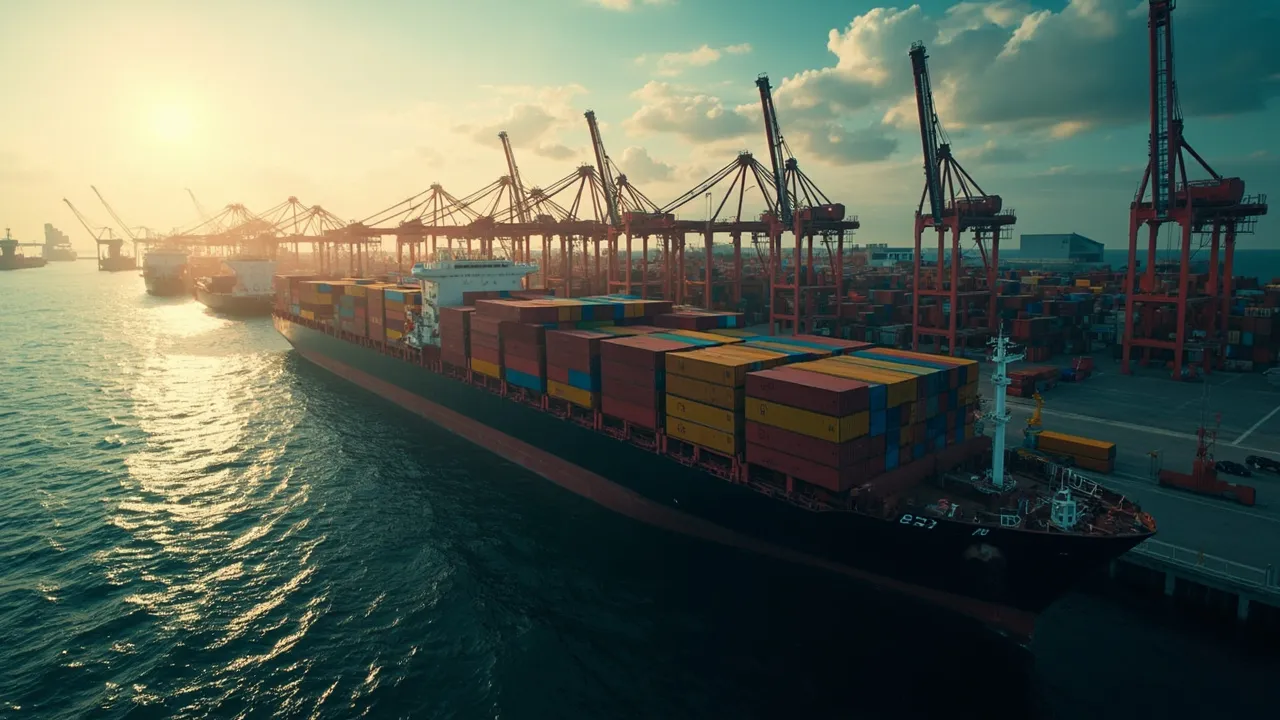
Shipbuilding Subsidies Won’t Fix Ocean Resilience Overnight, but the Debate Matters to Every Importer
Shipbuilding subsidies are back in the policy spotlight, but importers need a harder view of ocean resilience. Here is what the U.S. maritime push changes, what it does not, and where operators should focus now.
CXTMS InsightsApril 15, 2026 · 6 min read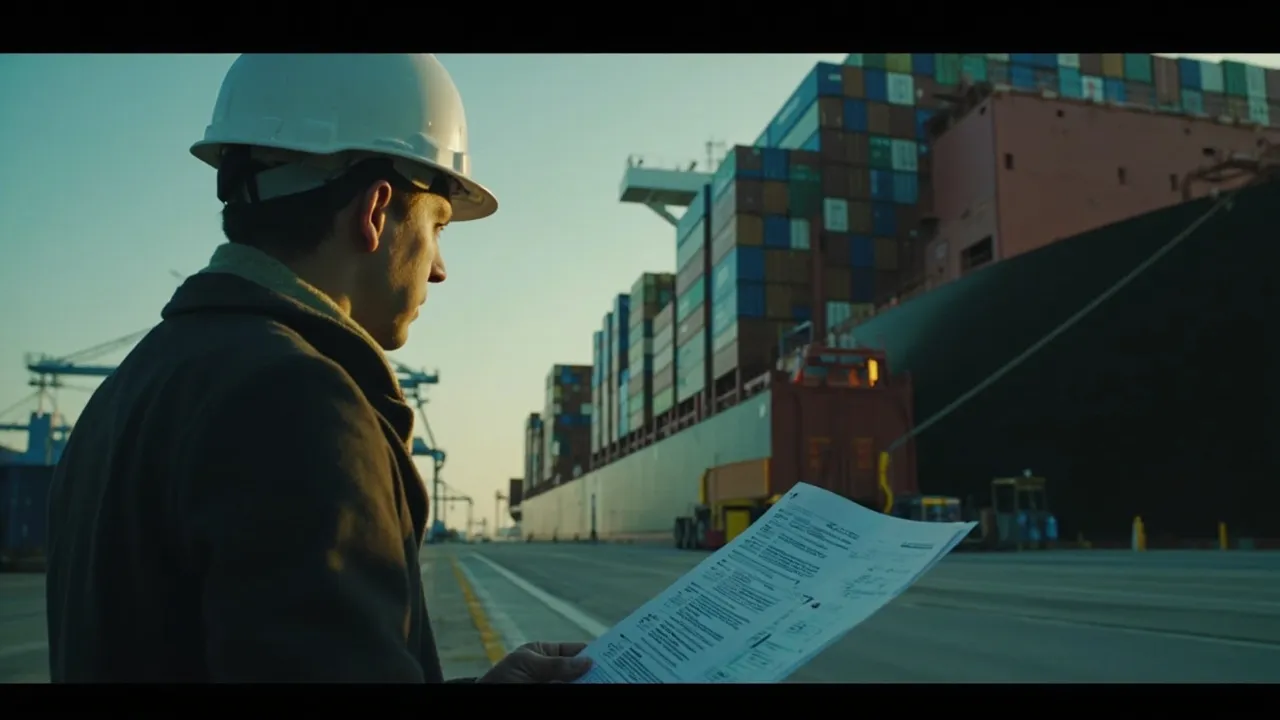
Europe Is Recalibrating Around Tariff Uncertainty, and Transatlantic Logistics Contracts Are Caught in the Middle
Europe's logistics market is being forced to reprice risk as temporary U.S. tariffs, a 150-day Section 122 window, and delayed EU trade ratification scramble transatlantic contract planning.
CXTMS InsightsApril 14, 2026 · 6 min read
Canada's 25% Retaliatory Surtax: What U.S. Exporters Must Know About Cross-Border Freight Costs in 2026
Canada's 25% retaliatory surtax on U.S. steel, aluminum, and automotive imports is reshaping cross-border freight economics. Here's what U.S. exporters need to know about landed cost impacts, CUSMA compliance, and routing strategies to manage the surtax in 2026.
CXTMS InsightsMarch 23, 2026 · 7 min read
The PROTECT USA Act vs. EU CSDDD: How the Transatlantic ESG Regulation Collision Is Forcing Shippers to Choose Compliance Frameworks
The PROTECT USA Act would bar U.S. companies from complying with the EU CSDDD, creating contradictory ESG mandates for shippers running transatlantic supply chains.
CXTMS InsightsMarch 21, 2026 · 8 min read