Supply Chain Resilience
22 posts tagged with “Supply Chain Resilience”

Resilience Is Replacing Lowest Cost in Site Selection: Build a Constraint-Weighted Location Model
A constraint-weighted site selection model converts tariff, energy, labor, and transportation uncertainty into explicit knockout rules, scores, and scenarios.
 CXTMS InsightsSeptember 23, 2026 · 6 min read
Adaptive Supply Chains Need Preapproved Moves, Not Another Resilience Dashboard
Turn supply chain visibility into faster disruption response with preapproved substitutions, decision thresholds, cost limits, and measurable recovery outcomes.
CXTMS InsightsSeptember 15, 2026 · 6 min read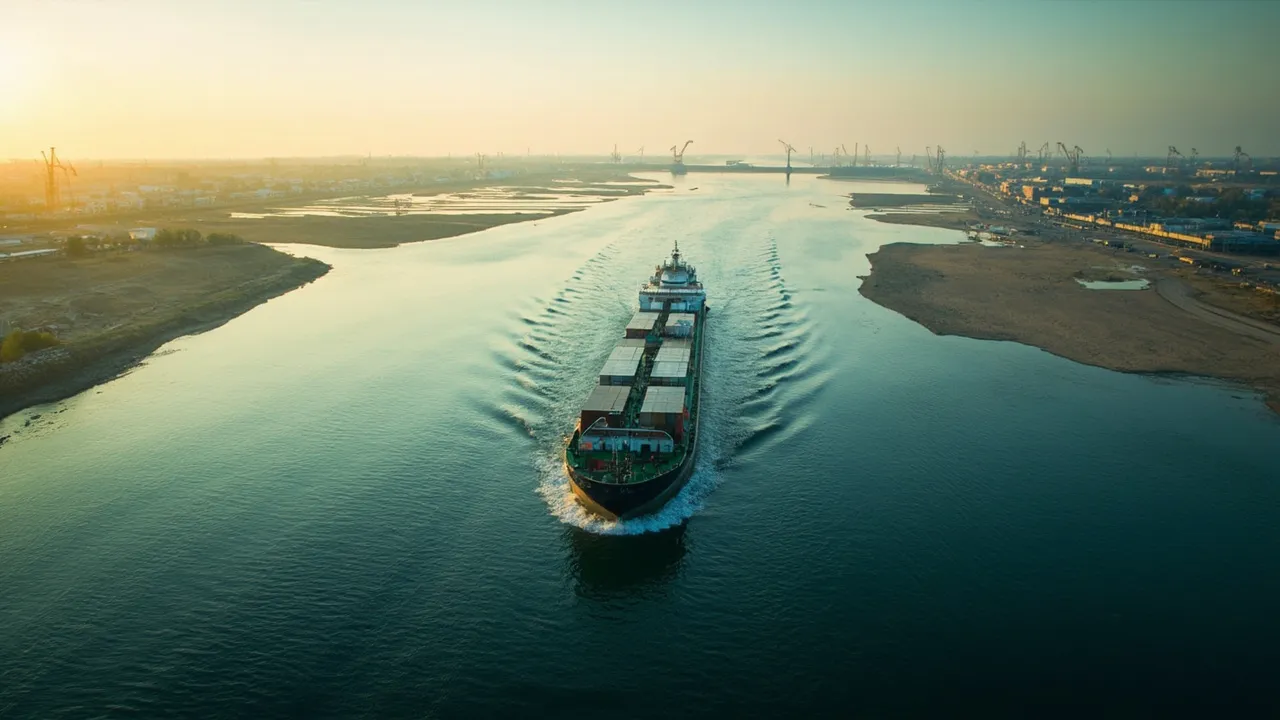
Historic European Drought Turns Waterway Depth Into an Order-Promise Constraint
Europe's historic drought shows why Rhine gauge readings, barge payload limits, and modal capacity must govern inventory and customer delivery promises.
CXTMS InsightsSeptember 3, 2026 · 6 min read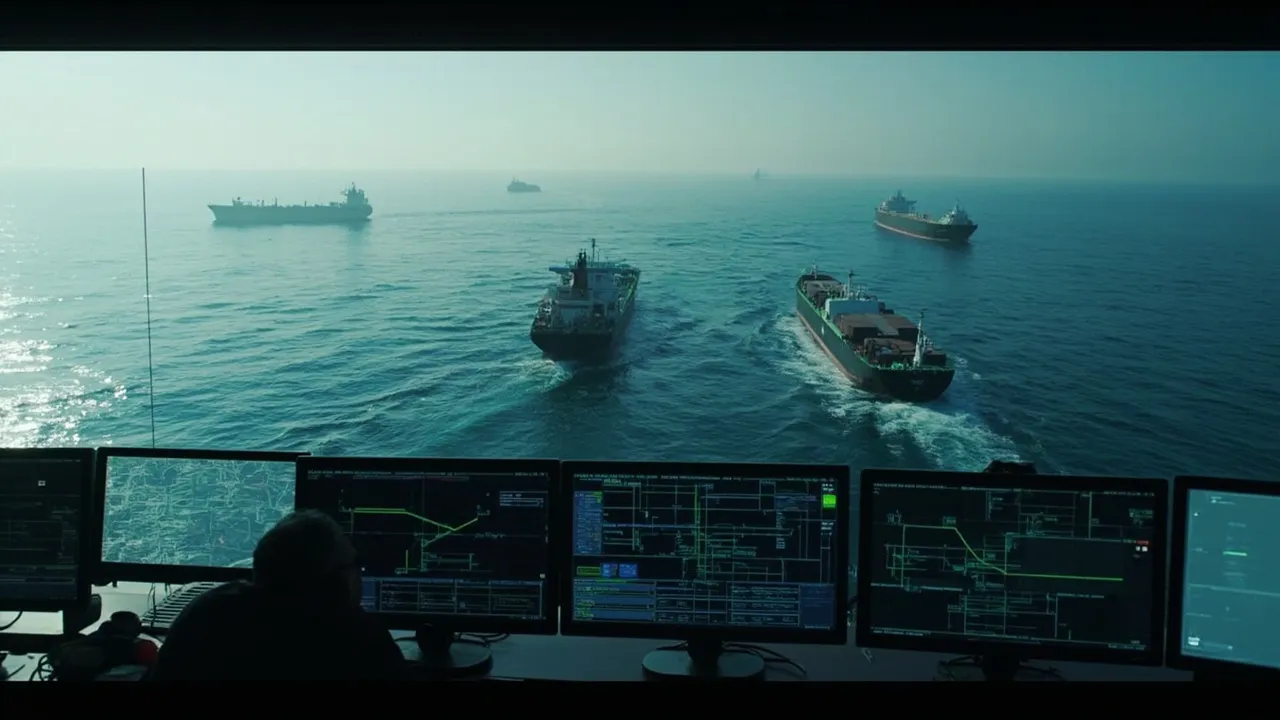
Strait of Hormuz Traffic Is Rising Again: How to Verify a Maritime Recovery
A practical framework for verifying Strait of Hormuz shipping recovery using vessel movements, insurance costs, port calls, carrier guidance, and transit performance.
CXTMS InsightsSeptember 1, 2026 · 6 min read
Project Vault and the $12 Billion Critical Minerals Reserve: A Freight Strategy for OEMs
Project Vault turns critical-mineral resilience into a logistics discipline. OEMs need secure storage, traceable inventory, and tested surge-release plans.
CXTMS InsightsJuly 25, 2026 · 6 min read
Always-On Supply Chains Need Exception Ownership Before They Need More Alerts
Always-on supply chains create value only when live disruption signals become owned transportation decisions with deadlines, financial exposure, and closed-loop outcomes.
CXTMS InsightsJuly 17, 2026 · 6 min read
China's Supplier Diversification Push Turns Flexibility Into a Data Problem
Chinese supply chain leaders are diversifying suppliers, routes, and inventory buffers in 2026, making flexibility a transportation data problem.
CXTMS InsightsJuly 8, 2026 · 6 min read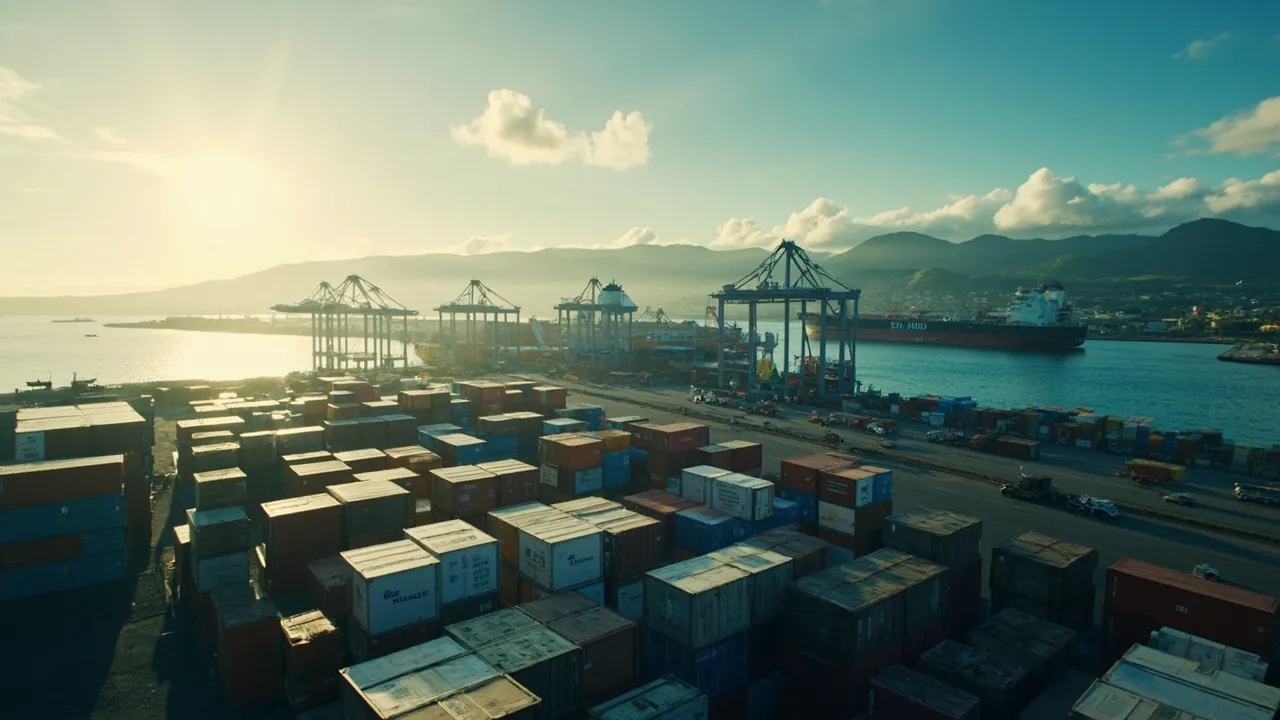
Hawaii Logistics Shows Island Supply Chains Need a Different Resilience Model
Hawaii's logistics model shows why island supply chains need resilience planning built around port dependency, reefer availability, buffer stock, and multimodal milestones.
CXTMS InsightsJuly 5, 2026 · 6 min read
Sanctions Risk Now Moves Faster Than Compliance Checklists
Sanctions risk is moving faster than periodic compliance checks, forcing supply chain teams to connect supplier, finance, route, and exception signals in real time.
CXTMS InsightsJune 19, 2026 · 7 min read
State of Logistics 2026: Why $2.4 Trillion in U.S. Logistics Costs Makes Adaptability the New KPI
CSCMP's 2026 State of Logistics report shows U.S. logistics costs at $2.4 trillion and makes the case for adaptability as a daily transportation KPI.
CXTMS InsightsJune 18, 2026 · 6 min read