Electric Fleet Logistics: Why 2026 Is the Tipping Point for Zero-Emission Freight

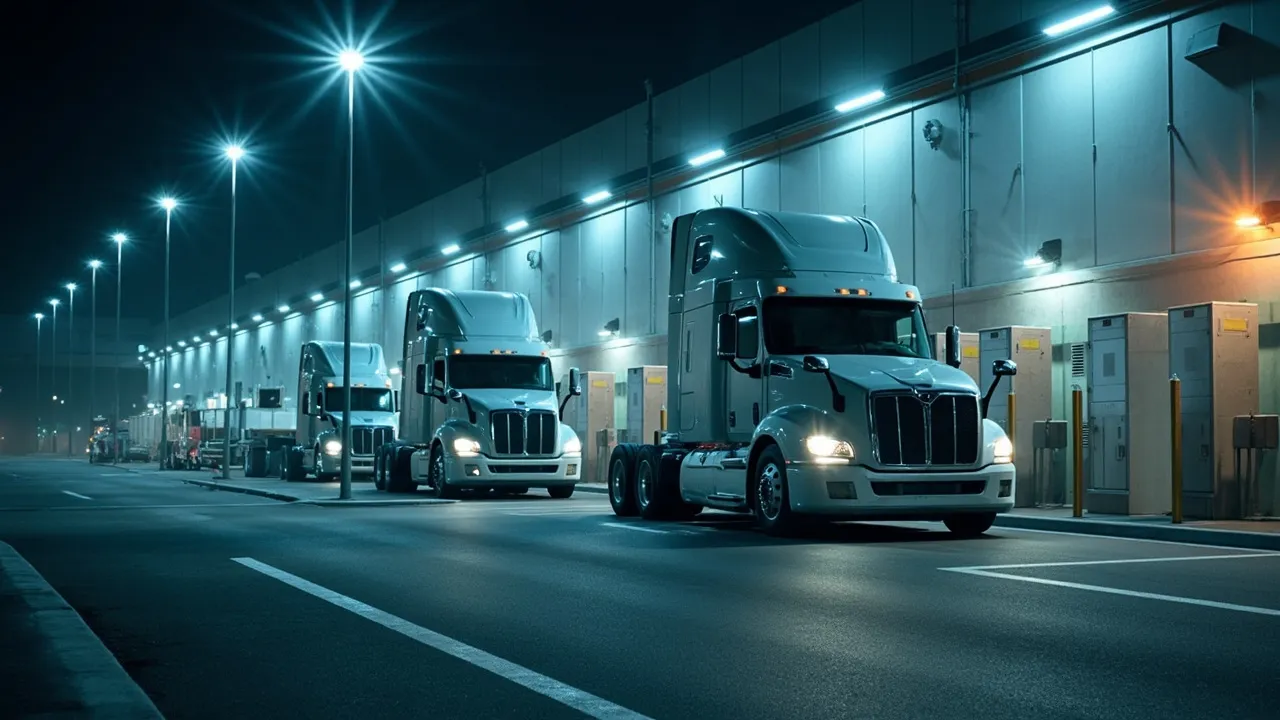
The freight industry is reaching a historic inflection point. Daimler Truck has committed to zero-emissions truck deliveries to its plants by the end of 2026, marking the first time a major truck manufacturer has set a concrete timeline for complete electrification of its inbound logistics operations. This isn't just a bold sustainability pledge—it's a signal that battery-electric trucks have finally crossed the threshold from experimental technology to economically viable solution for freight operations.
The Economics Behind the Electric Shift
For years, the conversation around electric trucks focused on their environmental benefits while quietly acknowledging their prohibitive upfront costs. That calculus is changing rapidly. Battery electric trucks are now projected to be the least-cost decarbonization pathway for most truck classes before 2030, according to research from the International Council on Clean Transportation (ICCT). The reason? Lower operational expenses are finally counterweighing higher purchase prices.
When you factor in reduced fuel costs, minimal maintenance requirements (no oil changes, fewer brake replacements thanks to regenerative braking), and increasingly competitive battery prices, the total cost of ownership (TCO) picture becomes compelling. Recent studies show that TCO parity between battery-electric and diesel trucks is expected between 2026 and 2028 in key markets—making this year the tipping point where early adopters transition to mainstream fleet operators.
Inbound Logistics: The Sweet Spot for Electrification
Not all freight operations are created equal when it comes to electric vehicle adoption. Long-haul trucking across unpredictable routes with limited charging infrastructure remains challenging. But inbound logistics—the movement of components and materials to manufacturing facilities—has emerged as the ideal proving ground for electric fleets.
These operations share three critical characteristics that make electrification practical:
Fixed routes: Trucks travel the same corridors repeatedly, allowing operators to strategically place charging infrastructure and optimize range planning.
Predictable distances: Daily mileage is consistent and often falls within the 200-300 mile range that current battery technology handles comfortably.
Controlled endpoints: Deliveries typically occur at facilities with dedicated loading docks and electrical infrastructure, eliminating the need for public charging networks.
Daimler Truck's "Electrify Inbound Logistics" project—which won the VDA Logistics Award 2025—demonstrates this strategy in action. By focusing on the controlled environment of plant deliveries, they've created a template that other manufacturers and logistics providers can replicate without waiting for nationwide charging networks.
The Scale of the Shift
The numbers backing this transformation are substantial. Medium-duty trucks are projected to make up over 93% of the global electric truck fleet by 2026, totaling more than 302,000 units in use worldwide, according to Statista data. Major logistics carriers are making significant commitments: DHL, UPS, and FedEx have a combined goal of deploying 20,000 electric trucks by the end of 2026.
Looking further ahead, Mercedes-Benz Trucks (part of Daimler Truck AG) aims for 25,000 zero-emission vehicle (ZEV) unit sales by 2030, focusing on Europe where regulatory incentives and infrastructure development are most advanced.
Route Optimization: The Hidden Multiplier
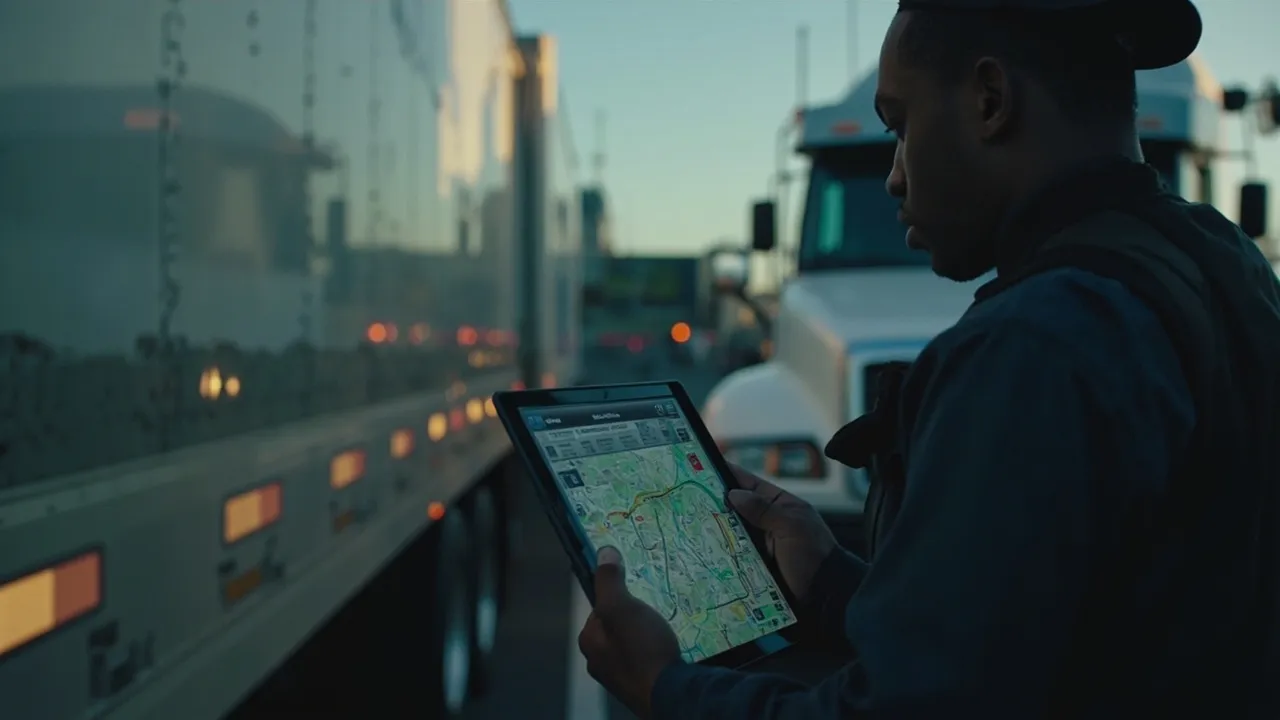
Here's where transportation management systems become critical to electric fleet success. Battery range isn't just about vehicle specifications—it's about how intelligently you use that range. Modern TMS platforms like CXTMS incorporate EV-specific route optimization that accounts for:
- Terrain and elevation changes: Uphill segments drain batteries faster, while downhill sections enable regenerative charging
- Weather conditions: Cold temperatures reduce battery efficiency by 20-40%
- Load weight distribution: Heavier loads impact range, requiring dynamic route adjustments
- Charging station availability and wait times: Real-time data prevents routing trucks to occupied chargers
By optimizing these variables, logistics operators can extend effective range by 15-25% compared to basic GPS navigation. This transforms marginal routes into viable electric corridors and reduces the need for mid-route charging stops that disrupt delivery schedules.
Equally important is minimizing deadhead miles—empty return trips that waste battery capacity and reduce fleet utilization. Smart TMS platforms match outbound loads with backhaul opportunities, ensuring trucks operate at optimal efficiency in both directions.
Charging Infrastructure: The Remaining Challenge
Despite rapid progress, charging infrastructure remains the primary barrier to widespread electric truck adoption. While personal EVs can charge overnight at home, commercial fleets need high-power DC fast charging capable of adding 200+ miles of range in under an hour.
The logistics industry is responding with creative solutions:
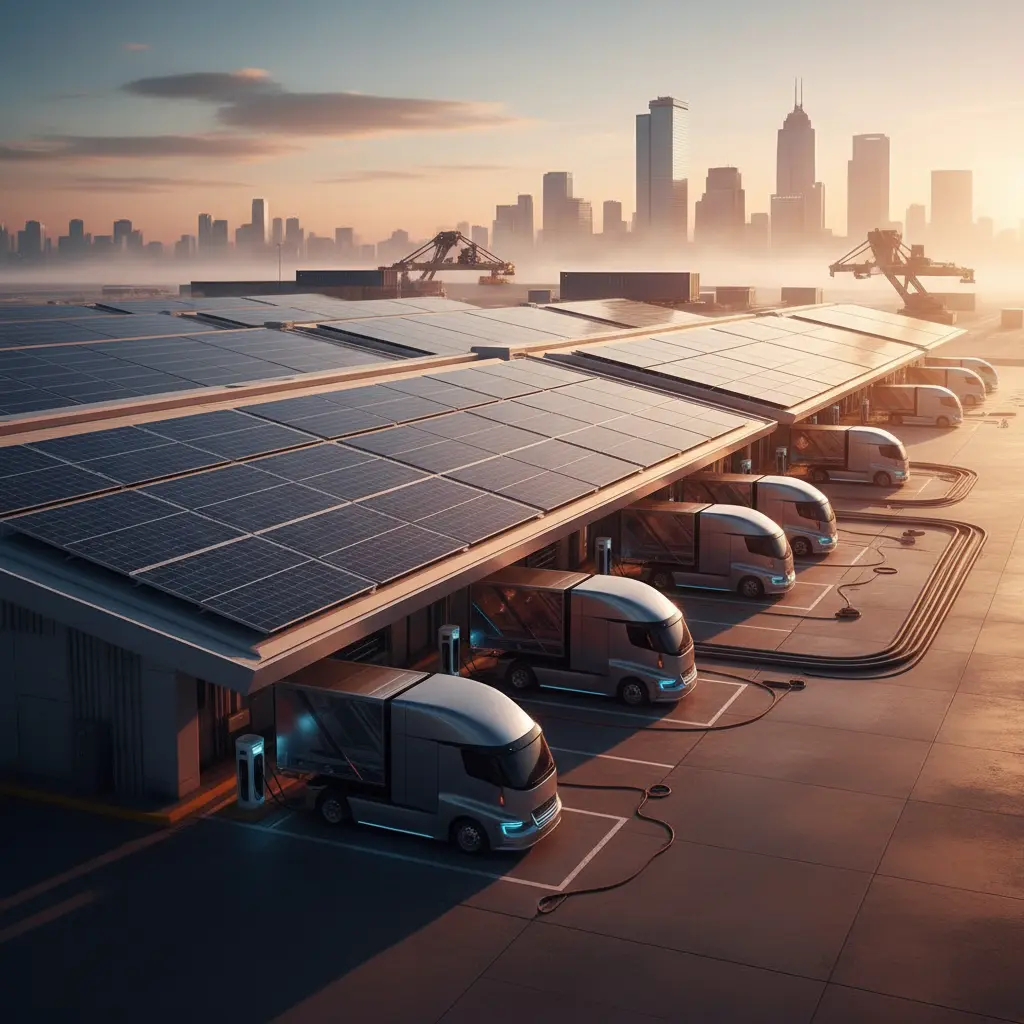
- On-site depot charging: Installing megawatt-scale charging infrastructure at distribution centers and terminals
- Opportunity charging: Placing fast chargers at loading docks to top up batteries during scheduled dwell times
- Charging as a service: Third-party providers offering subscription-based access to private truck charging networks
California's drayage operations—transporting shipping containers from ports to nearby warehouses—have pioneered these approaches, demonstrating that with proper planning, charging constraints become manageable rather than prohibitive.
The 5-Year TCO Comparison
Let's look at real numbers. A recent analysis comparing battery-electric trucks to diesel equivalents over a 5-year operational period found:
Diesel Truck (Class 8 Regional Haul)
- Purchase price: $150,000
- Fuel costs (5 years @ $3.50/gallon, 6 mpg): $262,500
- Maintenance: $45,000
- Total: $457,500
Battery-Electric Truck (Equivalent Class)
- Purchase price: $280,000
- Electricity costs (5 years @ $0.12/kWh, 2 kWh/mile): $90,000
- Maintenance: $18,000
- Tax incentives & grants: -$40,000
- Total: $348,000
The electric truck saves approximately $109,500 over five years—a 24% reduction in TCO. As battery prices continue declining (projected to drop another 30% by 2028), this gap will only widen in favor of electrification.
What This Means for Logistics Operators
If you're managing a freight operation in 2026, the question is no longer "Should we consider electric trucks?" but rather "Which routes and applications should we electrify first?"
The path forward requires strategic planning:
- Audit your routes: Identify fixed-route, predictable-distance operations that match current EV capabilities
- Assess charging infrastructure: Determine whether your terminals can support high-power charging or if third-party solutions are needed
- Integrate EV-aware TMS: Ensure your transportation management platform can optimize routes specifically for electric vehicle constraints
- Model TCO accurately: Calculate 5-10 year ownership costs including fuel savings, maintenance reductions, and available incentives
Operators who move early gain competitive advantages beyond cost savings: preferential access to limited charging infrastructure, expertise in EV fleet management, and positioning for increasingly stringent emissions regulations in major freight corridors.
The Road Ahead
Daimler Truck's 2026 zero-emission commitment isn't an isolated moonshot—it's the visible tip of a broader industry transformation. As battery technology improves, charging networks expand, and TCO advantages become undeniable, electric trucks will transition from niche application to standard equipment.
The tipping point is here. The operators who recognize it and act decisively will define the next era of freight logistics.
Ready to optimize your fleet for electric vehicle operations? Contact CXTMS to learn how our EV-aware route optimization can extend your range and reduce operating costs.