EXPO PACK México 2026 Shows Latin America’s Logistics Automation Moment Is Getting Real

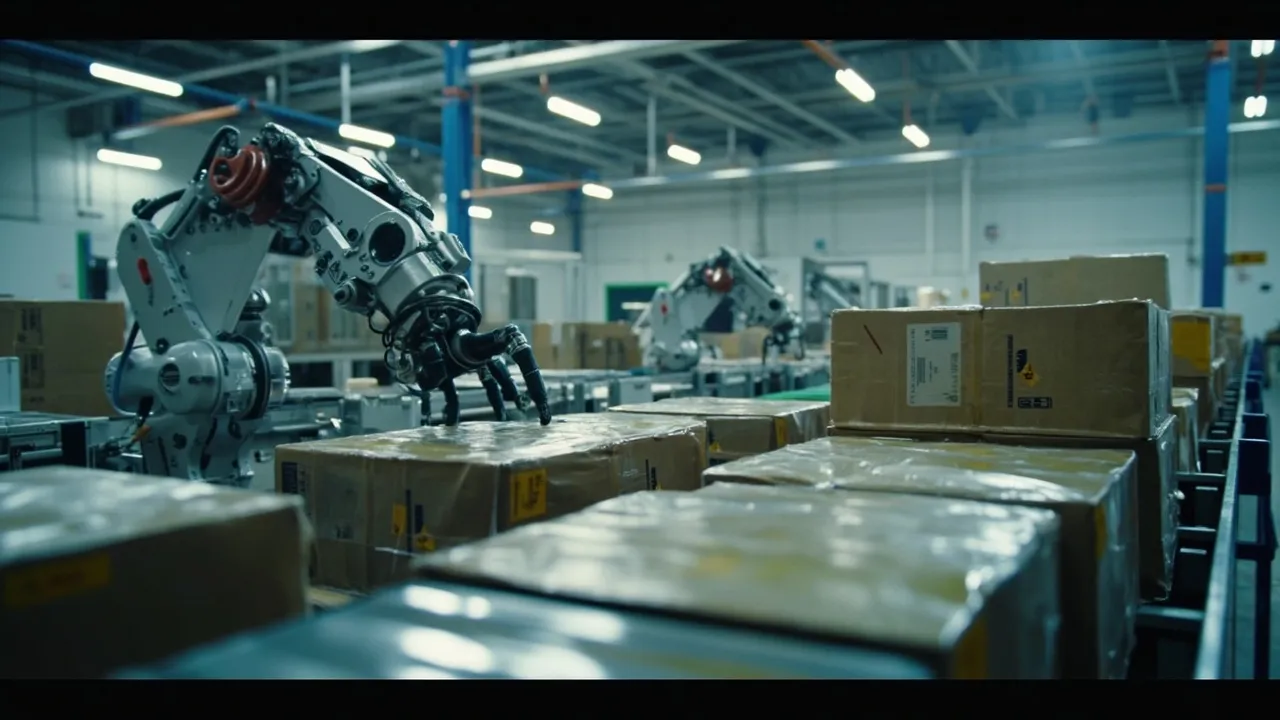
Packaging automation used to be discussed like a plant-floor investment: faster lines, fewer manual touches, better uptime. That view is too narrow now. In Latin America, packaging automation is becoming a logistics strategy because the package is where manufacturing, warehouse throughput, export compliance, pallet utilization, damage prevention, and transportation execution all collide.
That is why EXPO PACK México 2026 matters beyond the exhibition hall. Modern Materials Handling reported that the event will bring more than 700 exhibitors across 20,000+ net square meters of space in Mexico City and is expected to attract more than 20,000 attendees from sectors including food, beverage, pharmaceuticals, personal care, household products, automotive, and consumer packaged goods. The show also connects buyers and suppliers from more than 40 vertical markets.
Those numbers point to something larger than vendor marketing. Manufacturers across Mexico and Latin America are under pressure to raise productivity, deal with labor constraints, support more SKUs, and stay export-ready as sourcing patterns shift. Packaging is becoming one of the fastest places to turn that pressure into operational improvement.
Investment is moving from interest to execution
The most useful signal from the EXPO PACK preview is not that automation will be on display. It is that companies are already spending. According to PMMI data cited by Modern Materials Handling, 71% of companies increased investment in packaging and processing machinery in 2025. Within that group, 32% increased spending by 5% to 20%, 22% increased spending by 20% to 40%, and 17% expanded investment by more than 40%.
That is a serious modernization curve. It also explains why the adoption path is not purely about replacing people with robots. Many companies are still choosing staged, practical upgrades: 67% prioritize semi-automated solutions, while 13% are focused on fully automated operations. That split makes sense. In a real packaging operation, the right answer is often not a lights-out fantasy. It is a reliable mix of conveyors, case erecting, labeling, vision inspection, robotics, palletizing, scan capture, and exception handling that improves throughput without breaking daily operations.
For logistics teams, the lesson is blunt: packaging automation cannot be evaluated only by units per minute. It has to be evaluated by what happens downstream.
A faster packaging cell that creates poor pallet patterns, weak labeling discipline, or unscannable shipment data simply moves the bottleneck to the dock. A smarter line that captures carton dimensions, lot details, serials, labels, weights, and pack confirmation can strengthen the entire freight process. The difference is not theoretical. It shows up in trailer cube, chargebacks, customs paperwork, claims, dock appointment performance, and customer receiving accuracy.
Nearshoring raises the bar for packaging discipline
Latin America’s manufacturing opportunity is being shaped by a messy mix of nearshoring, tariffs, inventory strategy, and regional distribution needs. Logistics Management reported that an Infios analysis of more than one million U.S. customs entries found companies are no longer treating tariffs as a cost to absorb. They are changing routes, transportation methods, sourcing decisions, and trade execution strategies.
That kind of network redesign gives Mexico and broader Latin America a bigger role in North American supply chains. But it also exposes every weak handoff. A manufacturer trying to win export business cannot afford packaging processes that produce inconsistent labels, variable carton sizes, late documentation, preventable damage, or incomplete shipment data.
This is especially important in sectors represented at EXPO PACK México: food and beverage, pharmaceuticals, automotive, personal care, and household goods. These categories often carry stricter requirements for traceability, shelf life, contamination control, temperature sensitivity, lot management, packaging integrity, or retail compliance. A packaging error can become a transportation exception, a customs delay, a rejected delivery, or a customer claim.
Packaging automation helps when it improves repeatability. Automated label application reduces misroutes. Machine vision catches defects before goods leave the plant. Robotic palletizing improves load stability. Integrated scales and dimensioning make rating and tendering more accurate. Packaging data connected to transportation workflows helps forwarders and shippers plan the shipment before the trailer is sitting at the door.
The technology budget is following the pain
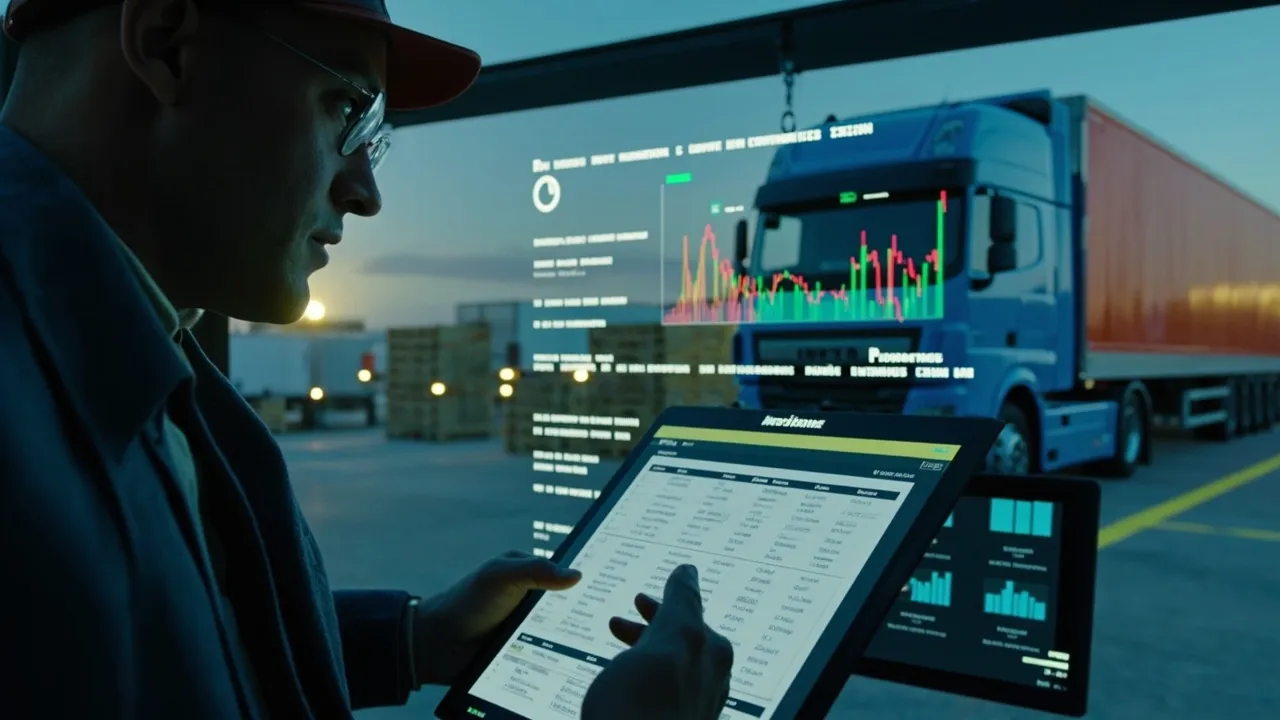
Supply chain technology spending is also moving in the same direction. Inbound Logistics reported that a survey of 912 logistics and supply chain professionals found 34% identify technology as the core driver of their logistics strategy heading into 2026. The same coverage noted that 44% selected forecasting and visibility as their top technology focus area, while nearly 40% of freight forwarders and 3PLs are dedicating more than one quarter of their 2026 budgets to technology.
That visibility priority is directly relevant to packaging automation. Automation without visibility is just faster motion. The real value comes when packaging events feed transportation planning: what was packed, how it was packed, when it is ready, what it weighs, how many pallets it creates, what temperature or handling rules apply, and which order or export document it supports.
For freight forwarders and logistics teams, that data can improve consolidation, appointment scheduling, carrier selection, documentation, and exception management. For manufacturers, it reduces the gap between production complete and shipment ready. That gap is where too many avoidable delays hide.
What logistics teams should ask before automating
The right evaluation starts with throughput, but it should not stop there. How many cartons, cases, pallets, or mixed-SKU orders can the system process per hour? How quickly can it change over between formats, labels, or product lines?
Then come the logistics questions. Does the system capture accurate dimensions and weights? Does it generate compliant labels? Can it preserve lot, batch, serial, and expiration data? Can it support export documentation and customer-specific packing rules? Does it produce stable pallets that reduce damage and improve loading efficiency? Can packaging status trigger transportation planning before freight is physically staged?
Finally, teams should ask how exceptions are handled. If a line falls behind, can transportation planners see the risk early enough to change carrier appointments? If a packaging defect affects a lot, can the affected shipments be isolated? If a pallet configuration changes, can the TMS adjust trailer planning and cost expectations before the carrier arrives?
That is where packaging automation becomes a supply chain control issue rather than a machinery purchase.
The CXTMS view
CXTMS helps logistics teams connect operational execution to transportation decisions. When packaging, warehouse, documentation, carrier, and appointment data live in disconnected systems, teams manage exceptions manually. That is slow and expensive.
As Latin American manufacturers invest in smarter packaging and processing operations, the next advantage will come from linking plant-floor improvements to freight execution. The winners will not simply pack faster. They will ship with better data, fewer claims, tighter appointments, and clearer visibility from production readiness through final delivery.
EXPO PACK México 2026 is a useful signal because it shows the region’s automation conversation becoming practical. The question for logistics leaders is no longer whether packaging technology is impressive. It is whether the data and discipline behind it can make the entire supply chain perform better.
Ready to connect freight execution with smarter operational data? Schedule a CXTMS demo and see how better visibility, routing, documentation, and exception management can turn automation gains into transportation performance.