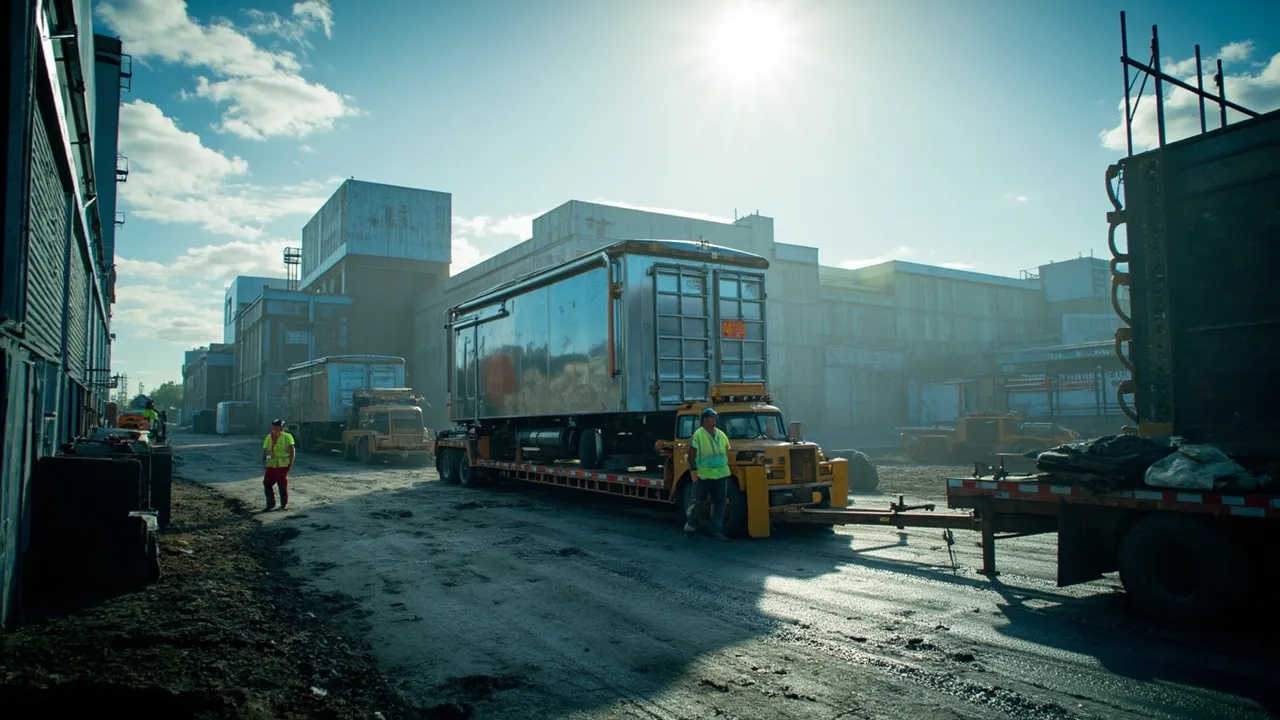
Data Center Construction Is Turning Flatbed Freight Into a Strategic Capacity Market

Flatbed freight is usually treated as a cyclical industrial market: steel, machinery, building products, energy equipment, and weather-sensitive construction demand. That view is still useful, but it misses one of the more important freight signals of 2026. Data center construction is becoming a durable pocket of specialized freight demand at the exact moment broader trucking conditions remain uneven.
FreightWaves’ June 2026 State of the Industry report described the market as volatile and capacity-sensitive, with spot rates outpacing contract rates, tender rejections rising after disruptions, and freight demand stable rather than strong. Yet the report also called out a specific bright spot: data center construction is driving strong flatbed demand while housing remains weak.
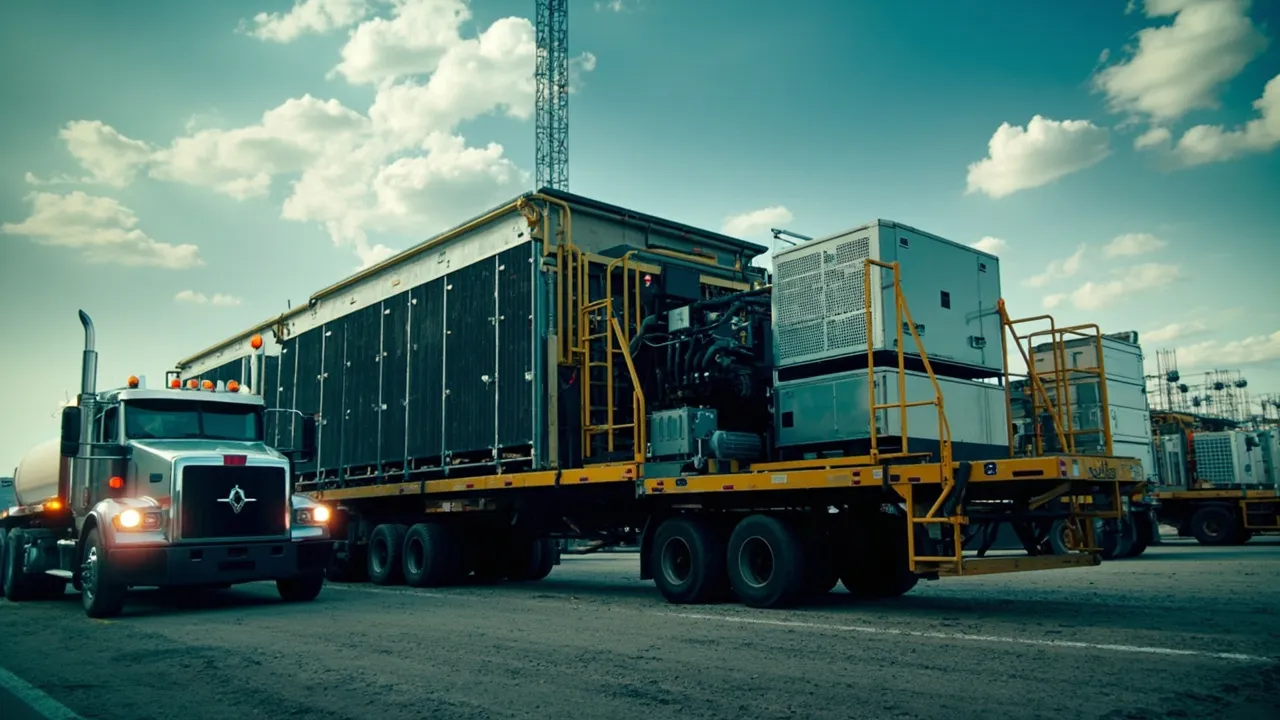
That sentence deserves more attention than a normal modal update. Data centers are not just another construction category. They require coordinated movement of steel, precast materials, chillers, cooling equipment, power distribution gear, generators, batteries, transformers, switchgear, security equipment, and eventually racks of high-value compute infrastructure. Many of those shipments are oversized, time-sensitive, high-value, or installation-sequenced. A missed delivery can delay trades, commissioning, utility work, or the revenue date of an entire facility.
In other words, this is not commodity flatbed. It is project logistics wearing a flatbed label.
Why data centers change the freight planning problem
A conventional truckload plan asks a familiar question: how do we cover today’s volume at the right price and service level? A data center build asks a harder question: how do we protect a construction milestone schedule when equipment lead times, permit windows, utility dependencies, and site readiness are all moving at once?
The freight is physically different. Cooling systems, switchgear, generators, fabricated steel, cable trays, and modular electrical rooms do not behave like palletized consumer goods. They may require step decks, RGNs, stretch trailers, escorts, crane appointments, route surveys, or special permits. They may also need delivery into construction sites that lack mature dock infrastructure, yard space, predictable receiving teams, or clean appointment discipline.
The market is also financially different. Reuters reported that Microsoft, Amazon, Meta, and Alphabet planned roughly $630 billion in AI-related spending for 2026, with about 70% going to Nvidia chips and the remainder to land, buildings, and power gear. McKinsey has separately estimated that data centers could require $6.7 trillion in cumulative capital outlays worldwide by 2030, and its data center infrastructure research warns that delays in power access units, transformers, switchgear, cooling systems, and skilled installation labor can become strategic risks.
Those are not small numbers drifting around a niche market. They represent a construction cycle large enough to pull specialized equipment, electrical supply chains, and flatbed capacity into a more competitive operating environment.
Flatbed strength does not mean easy capacity
The broader truckload market remains choppy. Logistics Management’s coverage of DAT’s January Truckload Volume Index showed dry van freight down 11% year over year and refrigerated freight down 9.8%, while flatbed was the relative outperformer: the flatbed TVI rose 2% from December to 257, even though it was still down 5.5% annually. More importantly for budgets, the national average spot flatbed rate jumped $0.22 sequentially to $2.85 per mile, up $0.41 year over year.
DAT attributed those flatbed gains to continued demand for specialized equipment moving construction and industrial materials, while weather disruption tightened effective capacity. Data center freight fits directly into that pattern. It is construction demand, but not the same as housing. It is industrial material demand, but with stricter sequencing and higher consequence when loads are late.
That distinction matters because a shipper can be right about the overall freight cycle and still be wrong about the lane they need next Tuesday. If a project corridor has multiple data center builds competing for the same heavy-haul carriers, escort providers, cranes, and site appointment windows, the national truckload softness story will not help much.
The hidden risk is milestone visibility
The biggest logistics mistake in data center construction is treating transportation as a procurement afterthought. Buying the cheapest flatbed move may look good against a shipment budget, then look absurd when a generator misses a crane window and delays installation crews.
The operating discipline has to start earlier. Route feasibility should be confirmed before the shipment is tendered. Permit lead times should be visible against the construction schedule. Heavy-haul partners should be qualified by commodity, equipment type, geographic lane, safety record, and recovery capability—not just rate. Site receiving plans should include staging space, unloading method, contact ownership, weather contingencies, and after-hours escalation.
Most important, logistics teams need milestone-level visibility. It is not enough to know that a truck is “in transit.” Project managers need to know whether the shipment can still make the site access window, whether an escort or permit issue has emerged, whether the unloading crew has been confirmed, and whether the next construction activity depends on that delivery.
That is where a transportation management system becomes more than a load board or routing guide. It becomes the control layer between procurement, suppliers, carriers, job-site teams, and finance.
A practical checklist for data center freight
Start with permit lead times. Oversize and overweight moves are not flexible in the same way standard truckload moves are. Build permit timing into the project plan, especially where routes cross multiple states or municipalities.
Second, secure heavy-haul and flatbed partners before demand peaks. Do not wait until equipment is ready at origin. Identify carriers that understand construction-site delivery, not just linehaul movement.
Third, control appointments aggressively. Data center sites can have multiple trades working simultaneously, limited laydown space, and strict security procedures. Appointment failure is a construction delay, not just a transportation exception.
Fourth, track milestone visibility. Every critical shipment should map to the construction activity it enables: foundation work, steel erection, electrical installation, cooling commissioning, backup power, or server fit-out.
Fifth, create exception escalation rules. If a permit is delayed, a truck breaks down, an escort cancels, or a site cannot receive, the right people need to know immediately. Email chains are too slow for project cargo.
Where CXTMS fits
CXTMS helps logistics teams manage this kind of complexity by connecting shipment planning, carrier execution, appointment control, document visibility, and exception escalation in one workflow. For data center construction freight, that means fewer blind spots between the purchase order, the carrier tender, the job-site delivery window, and the final proof of delivery.
Flatbed demand tied to data centers is not just another rate-cycle footnote. It is a strategic capacity market forming around some of the most capital-intensive infrastructure projects in the world. Shippers that manage it with ordinary truckload habits will feel the pain. Shippers that manage it like project logistics will have a real advantage.
Ready to make complex freight execution easier to control? Schedule a CXTMS demo and see how better visibility, routing discipline, and exception management can protect your next critical shipment.