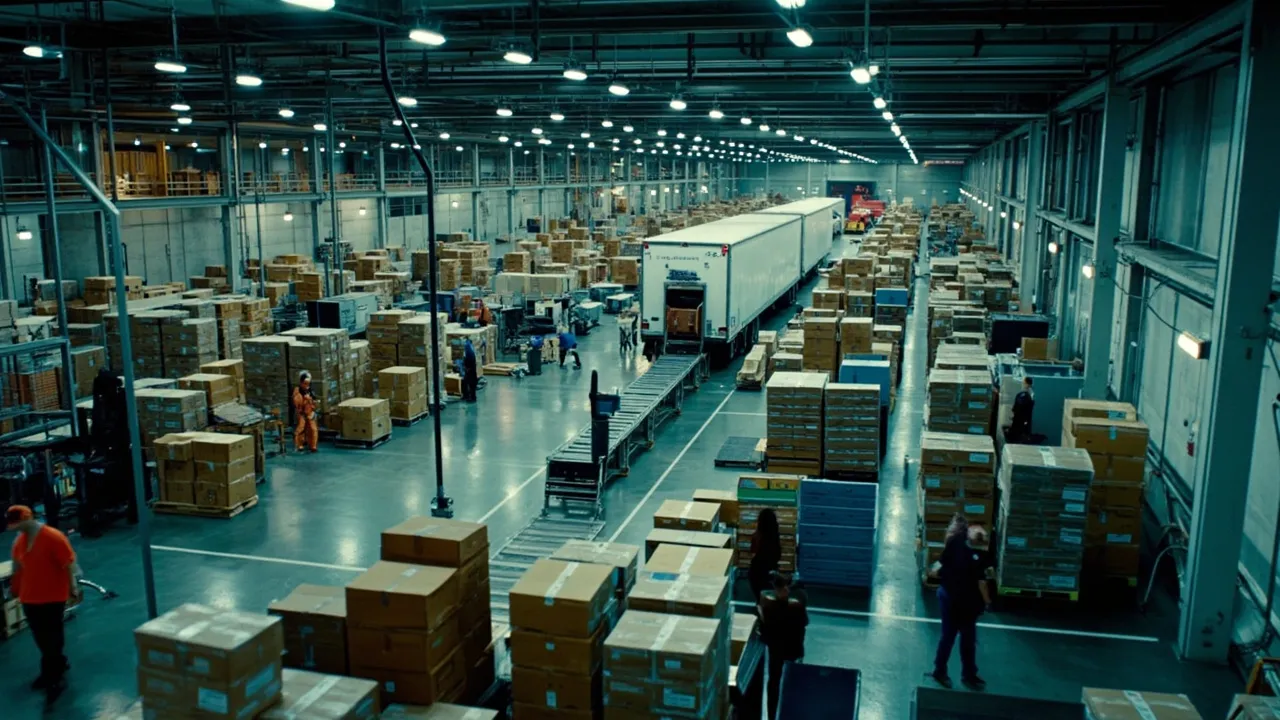
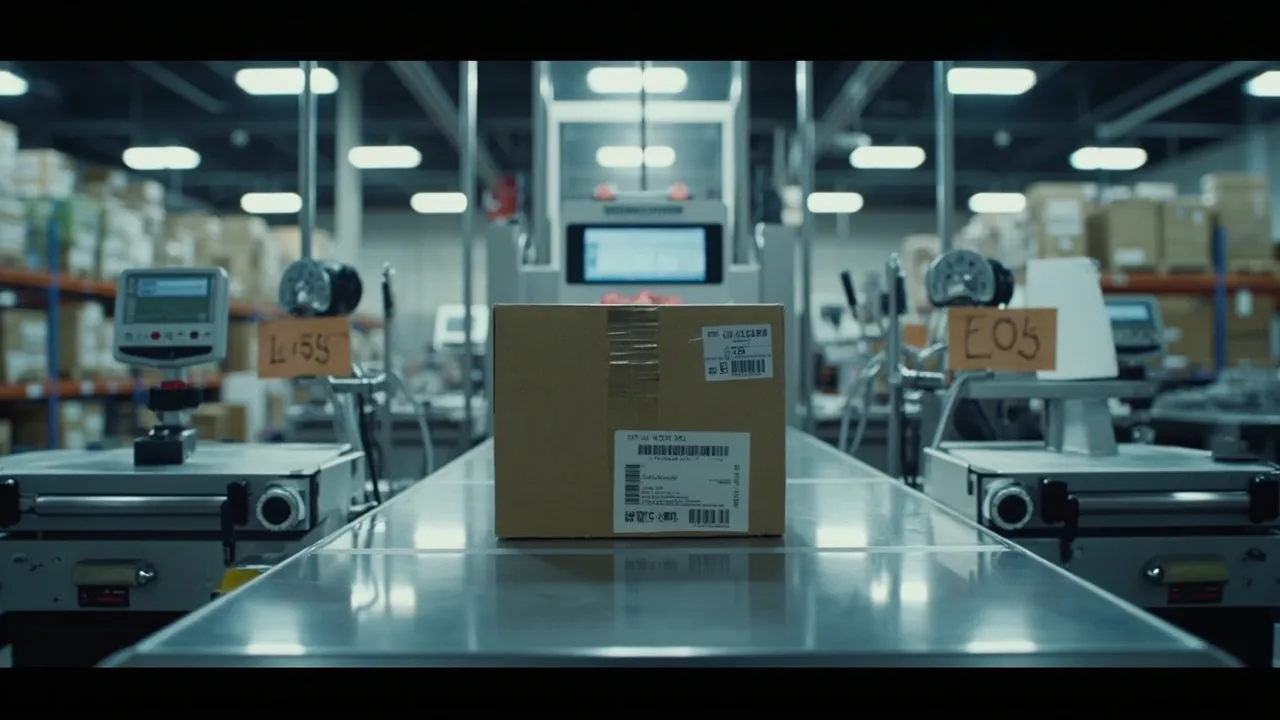
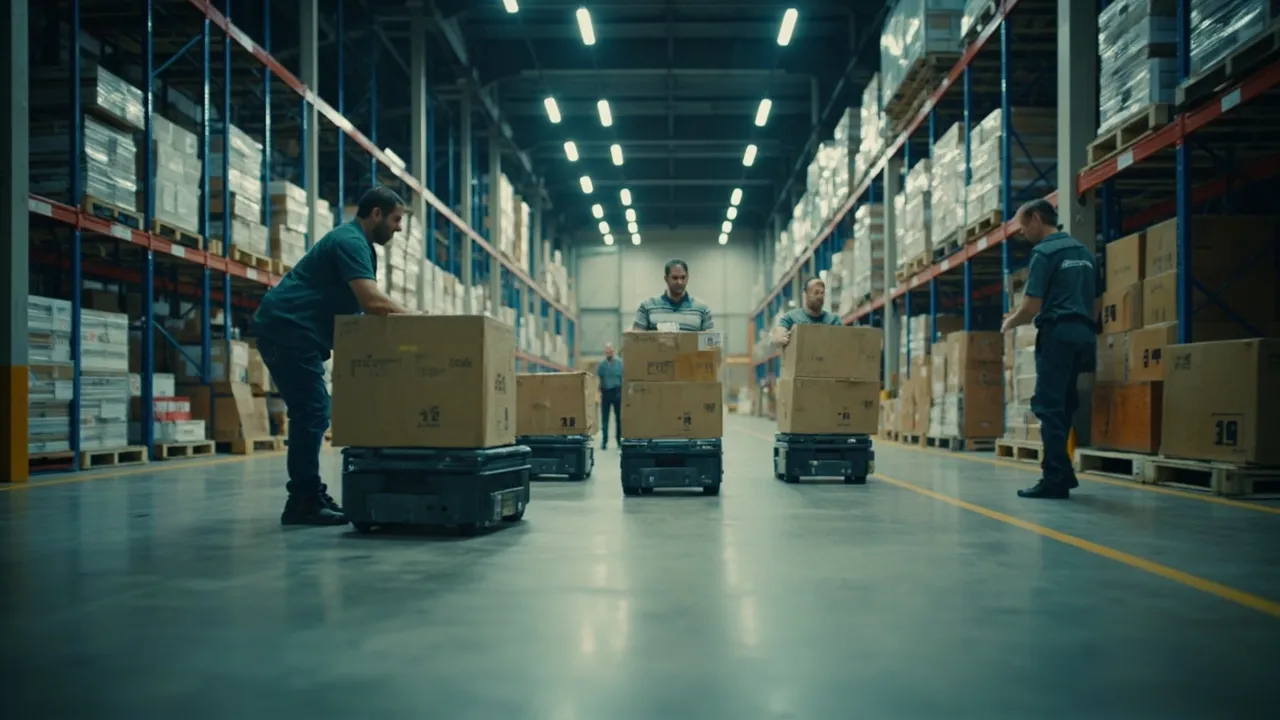
The $20 Billion Connected Worker Revolution: How IIoT Platforms Are Empowering Logistics Frontline Teams Beyond Wearables

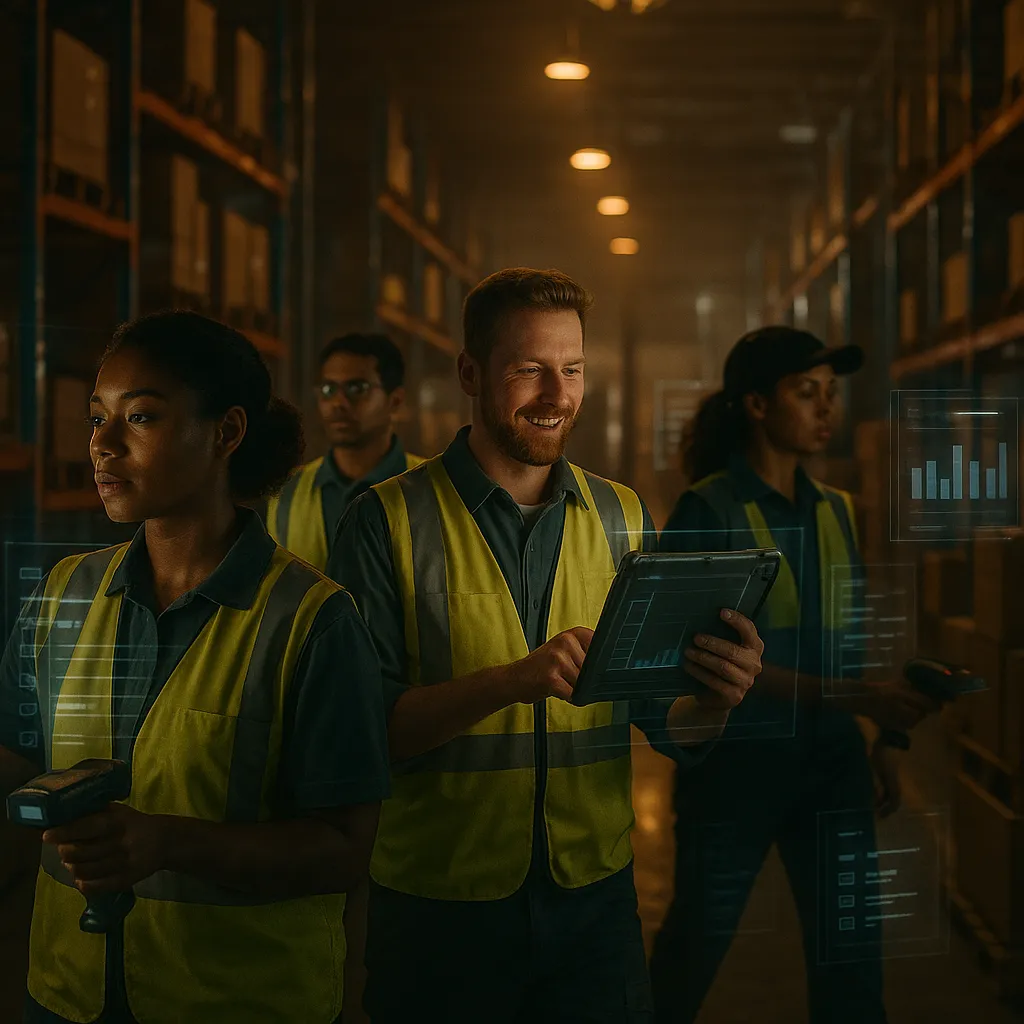
The logistics industry talks a lot about robots, autonomous vehicles, and dark warehouses. But the most transformative investment happening right now isn't replacing workers — it's supercharging them. The connected worker platform market is projected to surge from $8.62 billion in 2025 to $20.18 billion by 2030, growing at an 18.5% CAGR, according to a MarketsandMarkets report featured on GlobeNewsWire. That explosive growth signals a fundamental shift: the future of logistics isn't about removing humans from the equation — it's about making every frontline worker radically more effective.
Beyond the Wearable: The Full Connected Worker Stack
When most people hear "connected worker," they picture a smart glass or a wrist-mounted scanner. But the modern connected worker platform goes far deeper than a single device. It's an integrated ecosystem that combines:
- IIoT sensors embedded in equipment, shelving, conveyors, and vehicles that stream real-time operational data
- Enterprise-grade mobile devices — rugged handhelds, wearable computers, and ring scanners — that put AI-powered guidance directly in workers' hands
- Real-time task management systems that dynamically assign, prioritize, and route work based on live conditions
- Remote expert assistance enabling off-site specialists to guide frontline workers through complex procedures via augmented reality overlays
- Digital documentation and compliance tools that replace paper-based checklists with intelligent, auditable workflows
The key vendors dominating this space — Zebra Technologies, Honeywell, Microsoft, and Hexagon — are building platforms that unify these components into a single operational layer. This isn't about any one gadget. It's about creating an intelligent nervous system that connects every worker, every asset, and every process in real time.
Pocket Automation: The Pragmatic Path Forward
One of the most compelling frameworks emerging in 2026 is what Zebra Technologies calls "pocket automation" — targeted, workflow-level automation that delivers rapid ROI without the massive capital risk of full-site robotic overhauls.
As Andre Luecht, Zebra's global strategy lead for transport and logistics, recently explained: most organizations today won't fund automation projects with payback periods beyond 24 months. In a world of shifting trade tariffs, regional conflicts, and fluctuating demand, betting millions on rigid, large-scale automated storage systems with 12-year ROI timelines is simply too risky.
Pocket automation flips the script. Instead of top-down, facility-wide transformation, it targets individual workflows — unloading, picking, packing, shipping — with scalable, incremental investments. A worker equipped with a hands-free wearable computer and ring scanner eliminates wasted motion and boosts individual productivity immediately. Frontline AI, embedded directly on the device, provides real-time error reduction and task guidance without requiring cloud connectivity.
The philosophy is clear: augment the human, don't replace them. The flexibility and problem-solving skills of experienced warehouse workers still far exceed even the most advanced autonomous systems for most real-world logistics scenarios.
The Numbers Tell the Story: Robotics Adoption Meets Worker Empowerment
The connected worker movement isn't happening in isolation — it's running parallel to a broader technology adoption wave in warehousing. According to a 2025 study by MHI, Peerless Research Group, and The Robotics Group, 48% of organizations were using robots in their warehouses in 2025, up from just 23% three years earlier — more than doubling adoption in that span.
But here's what's telling about the motivation behind these investments. The same research, detailed in Modern Materials Handling, found that:
- 55% of companies are adopting automation solutions to improve worker productivity
- 50% cite ergonomics and worker safety as a key driver
- 50% are looking to increase throughput with existing headcount
These aren't numbers describing a race to eliminate jobs. They describe an industry investing in making its people more capable, safer, and more productive. The connected worker platform is the glue that ties these investments together — ensuring that humans and machines operate as a coordinated system rather than parallel, siloed workstreams.
Use Cases Across Warehouse, Fleet, and Field Service
The connected worker revolution extends well beyond the four walls of a warehouse:
Warehouse Operations
Real-time task orchestration systems assign pick paths dynamically, rerouting workers around congestion or equipment downtime. Voice-directed workflows and visual AI on handheld devices reduce mispicks, while wearable sensors monitor fatigue and ergonomic risk.
Fleet and Driver Operations
Connected platforms extend to drivers with mobile compliance tools, electronic proof-of-delivery systems, and real-time communication with dispatch. IIoT-enabled trailers feed temperature, load status, and door-open alerts directly to both the driver's device and the operations center.
Field Service and Last-Mile
Delivery teams use AI-assisted route optimization and digital documentation to accelerate proof-of-delivery, capture exceptions in real time, and escalate issues with photo and video evidence — all from a single rugged device.
Cross-Functional Visibility
The most advanced connected worker platforms don't just serve individual roles — they feed operational data upward into TMS and WMS platforms, creating a unified view of workforce performance, asset utilization, and process bottlenecks.
The ROI Case: Why Incremental Beats Monolithic
The economics of connected worker platforms are compelling precisely because they're incremental. Consider the contrast:
| Investment Type | Typical Cost | Payback Period | Flexibility |
|---|---|---|---|
| Full warehouse automation (AS/RS) | $5M–$50M+ | 7–12 years | Low — locked into facility design |
| Robotics-as-a-Service fleet | $500K–$2M/year | 12–24 months | Medium — subscription-based |
| Connected worker platform rollout | $50K–$500K | 3–12 months | High — scales by workflow |
For the vast majority of logistics operators — especially mid-market shippers running brownfield facilities — the connected worker path delivers faster time-to-value with far less risk. And because these platforms are modular, organizations can start with a single workflow (say, receiving dock operations) and expand incrementally as ROI is proven.
How CXTMS Fits Into the Connected Worker Ecosystem
As frontline worker platforms generate richer, more granular operational data, the need for a TMS that can ingest, interpret, and act on that data becomes critical. CXTMS integrates with warehouse execution systems and IoT data streams to provide end-to-end visibility — from the moment freight arrives at the dock to final delivery confirmation.
When your connected workers flag exceptions, capture real-time load conditions, or confirm proof-of-delivery from the field, that data flows directly into CXTMS for automated auditing, carrier performance scoring, and cost optimization. The result: frontline intelligence doesn't just stay on the warehouse floor — it powers smarter transportation decisions across your entire network.
Ready to connect your frontline operations with intelligent transportation management? Request a CXTMS demo and see how real-time workforce data integrates with automated freight optimization to drive measurable cost savings and operational excellence.