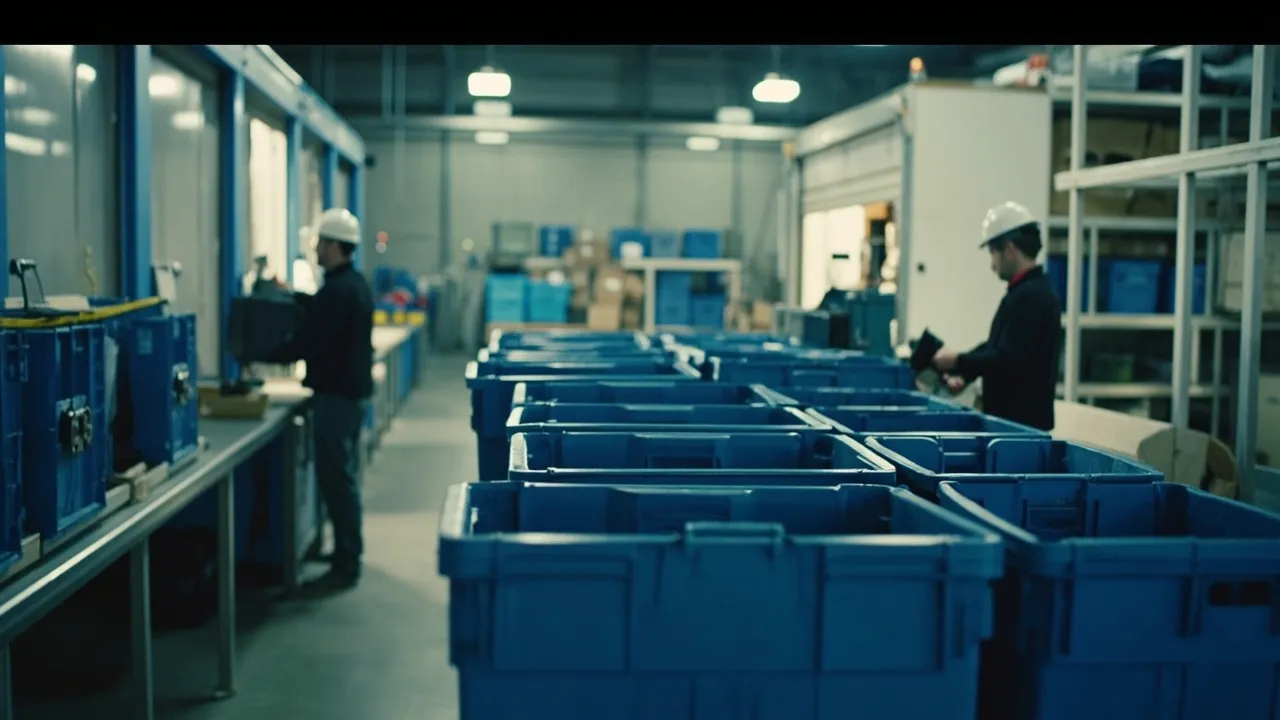
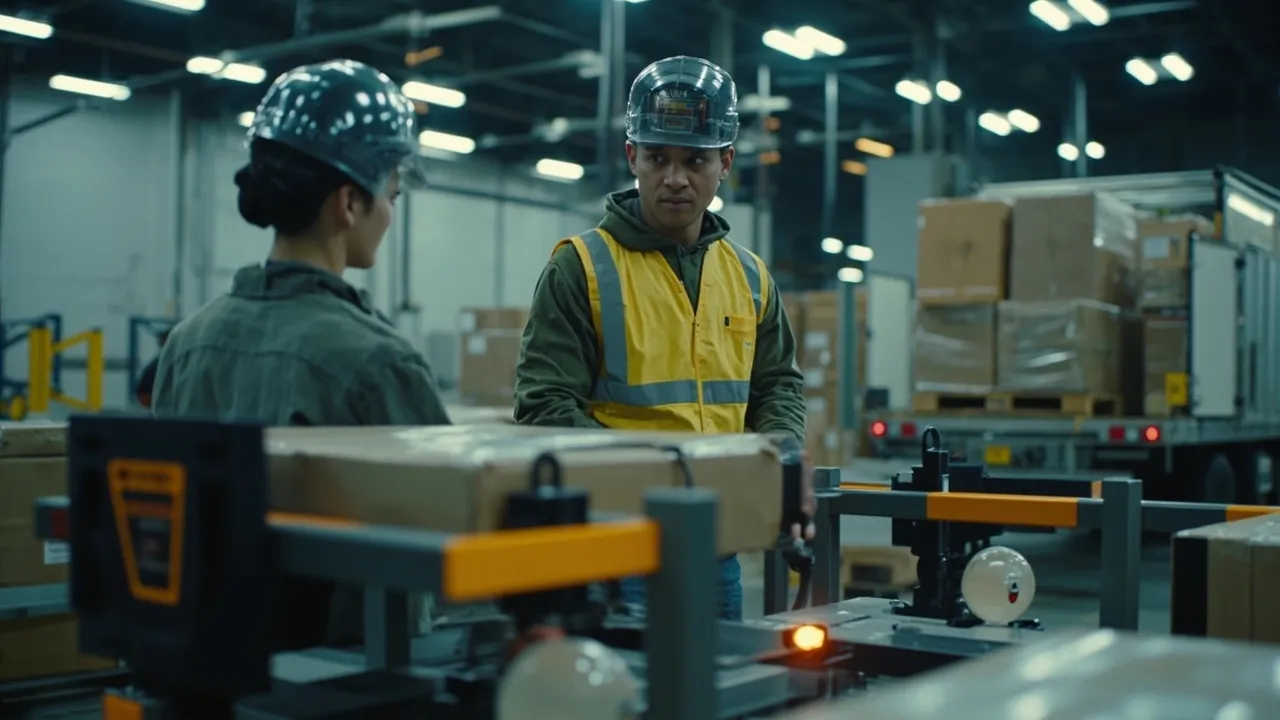
SPG’s Packaging Innovation Center Shows Sustainable Packaging Is Becoming a Logistics Engineering Problem


Sustainable packaging used to sound like a materials conversation: use less plastic, add recycled content, improve recyclability, hit the ESG target.
That version is too small.
Packaging has become a logistics engineering problem, and SPG’s new Silicon Valley Innovation Center is a useful signal. According to Modern Materials Handling, the facility brings packaging design, engineering, prototyping, and validation together under one roof. It includes lab space, a showroom for sustainable materials, CNC cutting and 3D printing for immediate fit testing, and in-house ISTA-certified testing equipment: a vibration table, free-fall drop tester, compression tester, incline impact tester, and environmental thermal chamber.
That list matters. It is not just a design studio. It is a miniature supply chain stress test.
For shippers, forwarders, and fulfillment operators, the package is no longer a passive container around the product. It affects freight cube, dimensional weight, damage rates, returns, automation compatibility, customer experience, and sustainability reporting. A cheap-looking box can become expensive in transportation. A greener-looking mailer can fail in parcel networks.
The companies that treat packaging as a logistics data asset will move faster than the ones that still treat it as a purchasing line item.
The market is scaling fast
The investment behind packaging innovation is following real demand.
Mordor Intelligence estimates the sustainable packaging market at $325.94 billion in 2026, growing to $463.41 billion by 2031 at a 7.29% CAGR. The same analysis says Extended Producer Responsibility rules now span 63 countries, while e-commerce and retail are projected to be the fastest-growing end-user segment at a 12.63% CAGR through 2031.
That growth changes the operating question. Sustainable packaging is not something a brand can solve once with a new material spec. At scale, every packaging decision has network consequences: pallet pattern, trailer utilization, carton strength, warehouse slotting, return flow, parcel surcharge exposure, and compliance documentation.
Mordor also notes that secondary packaging is forecast to grow at a 9.39% CAGR through 2031. That is the layer logistics teams should care about intensely. Secondary packaging is where product protection, handling efficiency, automation tolerance, and transportation economics collide. It determines whether cartons stack cleanly, survive vibration, flow through conveyors, and fit parcel carrier dimensional rules without waste.
Sustainability may be the headline. Logistics performance is where the economics get proven.
ISTA testing belongs in transportation planning
The most interesting part of SPG’s center is the validation equipment.
ISTA-certified testing brings packaging closer to actual distribution risk. Vibration tests simulate truck, parcel, and conveyor movement. Drop tests expose weak corners and poor internal protection. Compression tests matter for stacking and pallet loading. Incline impact testing reflects handling shocks. Thermal chambers matter when goods move through temperature swings or when packaging material performance changes under heat or cold.
That is logistics, not aesthetics.
When packaging design happens without transportation data, companies usually discover the problem late: crushed cartons, higher claims, more reships, more dunnage, or a carrier surcharge that nobody modeled. Testing should answer practical questions before launch: will the package survive the planned mode mix, reduce dimensional weight without raising damage, run through automated systems, and support denser pallets or cleaner reverse logistics?
A package that performs beautifully in a lab but fails in a specific lane, carrier network, or warehouse flow is not finished.
Material volatility makes design discipline valuable
Packaging is also being squeezed by input-cost volatility.
Supply Chain Dive reported that plastic packaging suppliers have faced serious disruption from resin and energy-market pressure, with one flexible packaging company raising prices by about 8% because of input cost increases and citing resin prices that had surged 115%. The same Supply Chain Dive article warned that higher plastic prices and supply struggles were already visible, and that impacts could linger through the year.
That kind of volatility makes packaging engineering more important, not less. If material costs are unstable, companies need designs that can flex across substrates, suppliers, and formats without breaking logistics performance. The answer is not simply “use less material.” Sometimes less material creates more damage, more returns, and more replacement shipments. Sometimes a slightly more expensive structure reduces total landed cost because it improves cube utilization, protects the product, and avoids claims.
Procurement should still negotiate material cost. But logistics should own the total-cost model.
A serious packaging scorecard should include unit material cost, packed weight, outer dimensions, pallet count, trailer cube, parcel dimensional weight, damage rate, return rate, packaging labor, automation compatibility, recycled content, recyclability, and compliance data. If the scorecard stops at price per box, it is measuring the wrong thing.
Dimensional weight turns air into cost
One reason packaging belongs inside transportation management is simple: carriers charge for space.
Dimensional-weight pricing punishes inefficient packaging. A light product in an oversized carton can cost more to move than a heavier product in a tight, well-engineered package. In parcel networks, a few inches can change the billed weight. In LTL and truckload, wasted cube reduces consolidation efficiency and increases shipment frequency. In ocean and air, poor cube utilization can quietly inflate landed cost.
This is where sustainable packaging and freight economics align nicely. Right-sizing can reduce corrugate, void fill, pallet footprint, and freight cost at once. But only if the package still protects the product and flows through operations.
The best teams connect packaging master data directly to shipment planning: dimensions, weight, stackability, crush strength, temperature sensitivity, fragile indicators, and approved pack configurations. That data should inform rating, routing, load building, warehouse slotting, claims analysis, and customer promises.
Without that connection, packaging changes become surprises. Procurement updates a carton, warehouse adjusts pack-out, transportation sees different billed weights, and finance wonders why freight cost per order moved.
Automation raises the bar
Warehouse automation makes packaging consistency even more important.
Robotic picking, conveyor systems, automated sortation, print-and-apply labeling, dimensioners, and palletizers all prefer predictable packaging. Weak cartons, irregular shapes, inconsistent labels, and loose void fill create exceptions. Exceptions create labor. Labor creates cost.
That is why SPG’s combination of prototyping and testing is telling. The future package has to satisfy sustainability goals, protect the product, and behave well inside increasingly automated facilities. Before rollout, test against the real network: warehouse equipment, parcel carriers, LTL handling, pallet stacking, climate exposure, return handling, and customer unboxing requirements. Then track claims, damages, chargebacks, billed-weight variance, and fulfillment exceptions by SKU and packaging format.
Packaging data belongs in the TMS conversation
Sustainable packaging is becoming an execution discipline. That means it needs systems support.
A TMS should not only know origin, destination, carrier, service level, and rate. It should be able to use package-level facts to improve planning: dimensions, weight, packaging type, stackability, fragility, temperature exposure, and compliance requirements. When those details are visible, teams can make better mode decisions, estimate accessorial risk, model dimensional-weight exposure, and explain claims with evidence instead of anecdotes.
CXTMS helps logistics teams turn execution data into better decisions across routing, documentation, freight cost control, and exception management. If packaging changes are starting to affect your freight spend, claims, or customer service performance, it is time to connect package design data to transportation planning.
Request a CXTMS demo to see how better logistics visibility can turn packaging decisions into measurable network improvements.