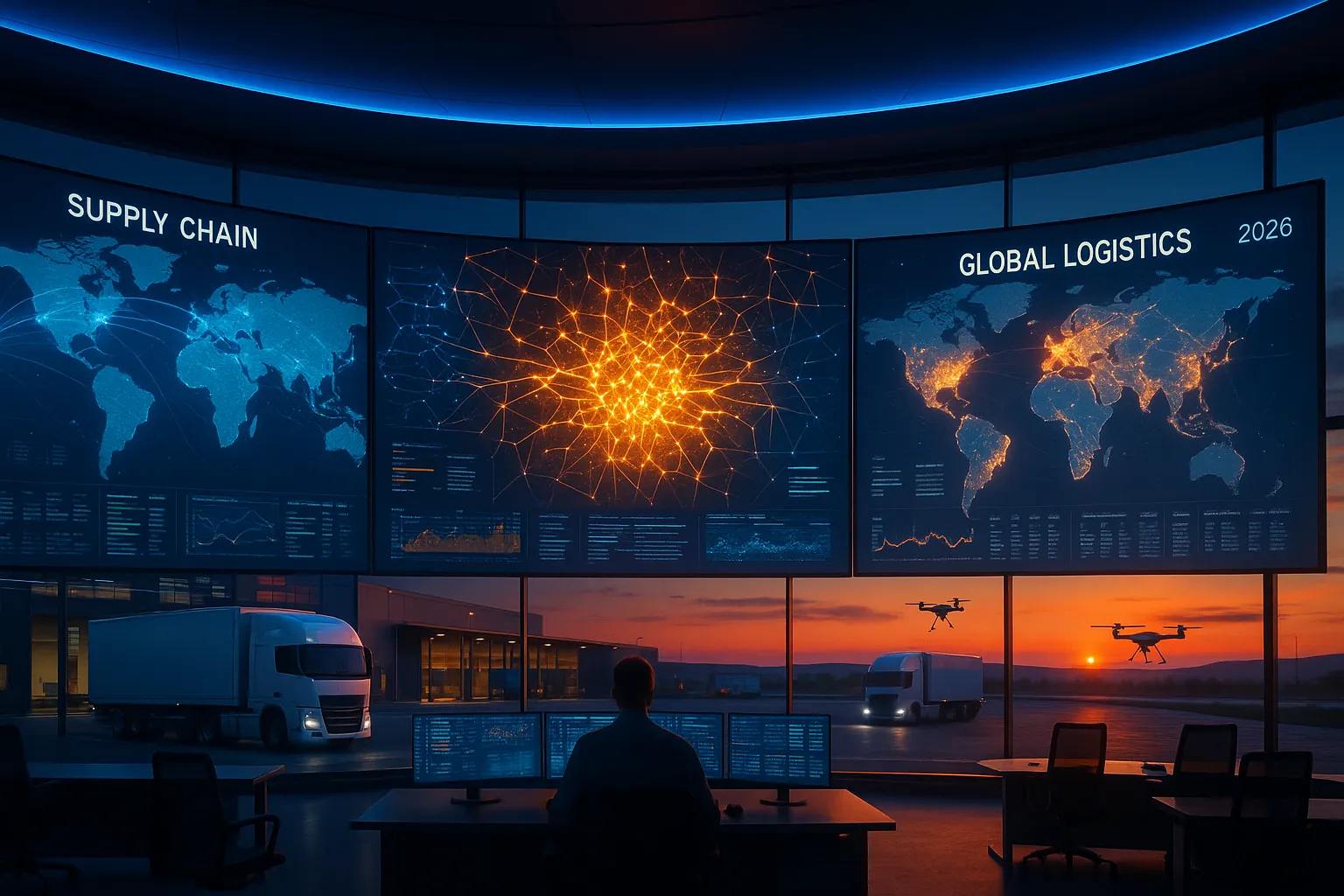
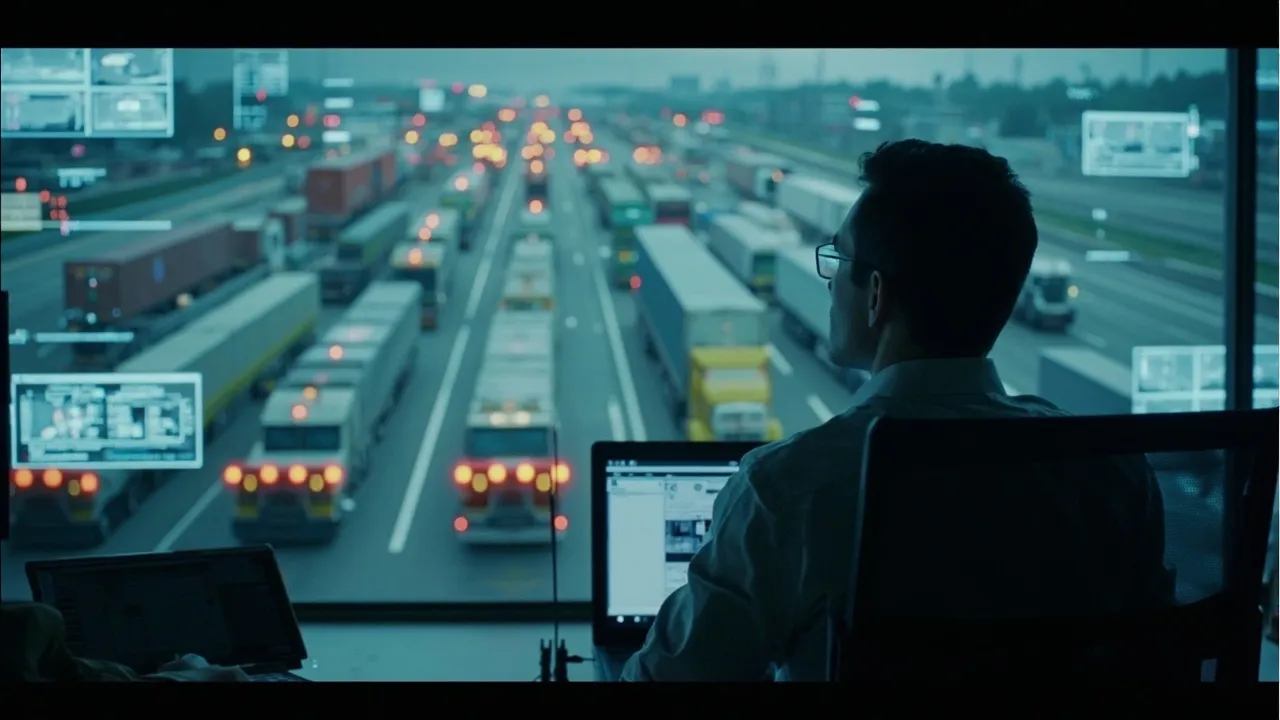
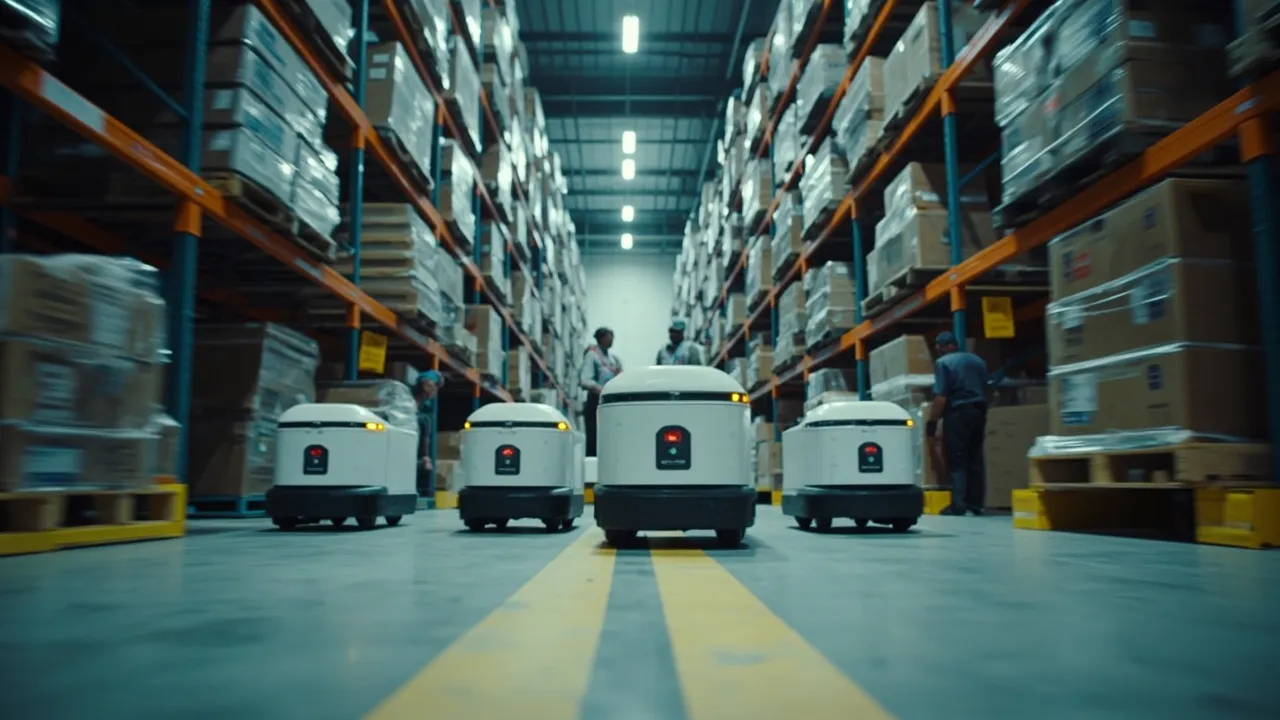
The 86% AI Adoption Milestone in Physical Operations: How the A3 Survey Reshapes Logistics Hiring and Training Strategy

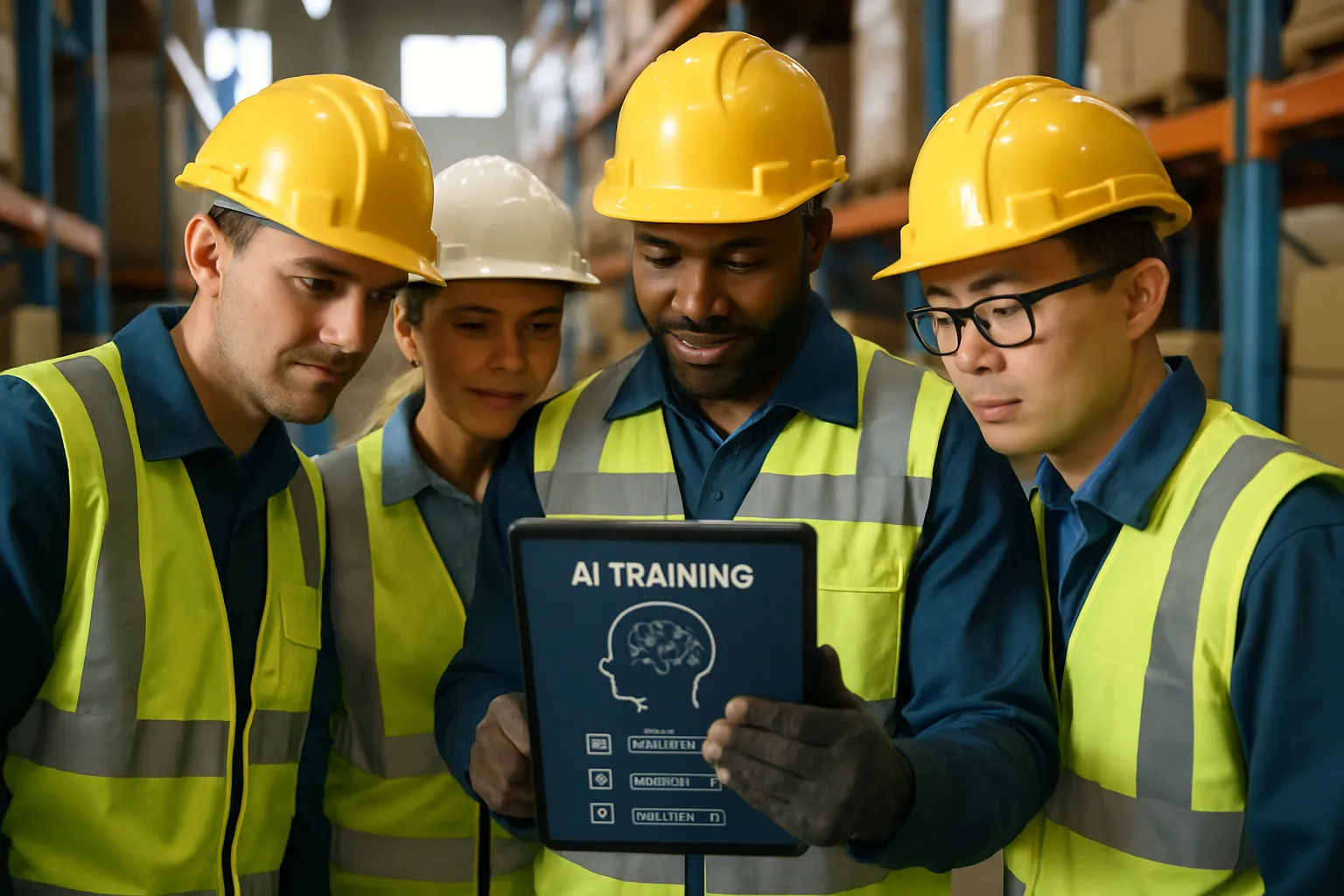
The numbers are no longer aspirational — they're operational. According to data from the Association for Advancing Automation (A3), the trade body representing robotics, vision, and AI companies across North America, over 86% of employers in physical operations now cite AI and robotics as their primary transformation levers for productivity, quality, and workforce strategy. This isn't a pilot program statistic. It's the new baseline.
Backed by A3's report showing North American robot orders grew 6.6% in 2025 — with companies ordering 36,766 robots valued at $2.25 billion — the automation wave has moved past the early-adopter phase and into broad industrial deployment. For logistics leaders, the implications for hiring, training, and workforce planning are immediate and structural.
From Incremental Adoption to Architectural Intent
What separates 2026 from prior automation cycles is the shift from point-solution experiments to full-system transformation. MHI's top supply chain trends for 2026 placed the workforce and talent gap as the number-one issue facing the industry, directly tied to the scaling of AI and automation across operations, according to Modern Materials Handling.
The distinction matters. When companies were testing a single autonomous mobile robot in one aisle of a distribution center, the hiring implications were minimal. Now, with more than 90% of warehouse operators reporting they use some form of AI or advanced automation — per a joint survey from Mecalux and MIT's Intelligent Logistics Systems Lab — the workforce impact is systemic. Companies aren't adding automation to existing workflows. They're redesigning workflows around automation, and that requires entirely different skill sets.
"Traditional machine learning is great at predicting problems, but generative AI actually helps you engineer the solution," explained Dr. Matthias Winkenbach, Director of MIT's ILS Lab. "That's why companies see it as the biggest value generator in the warehouse today."
New Logistics Job Categories Are Emerging
The most tangible signal of this transformation is the emergence of entirely new job titles that didn't exist in logistics five years ago. As AI systems take over repetitive decision-making and robotic platforms handle physical material movement, human roles are migrating toward coordination, oversight, and optimization.
The new logistics workforce includes:
- Robot Fleet Managers who oversee dozens of autonomous mobile robots, troubleshooting exceptions and optimizing traffic patterns across warehouse floors
- AI Fulfillment Optimization Managers who direct the interplay between robotics, human labor, and order flow in real time
- Predictive Logistics Coordinators who use AI-driven forecasting to manage route planning and distribution scheduling through data rather than intuition
- Edge Operations Technicians who maintain the on-premise computing infrastructure that powers real-time AI inference for warehouse robotics
- AI Compliance Officers who audit automated decision-making systems for transparency, bias, and regulatory adherence
These aren't theoretical roles pulled from a whiteboard exercise. Inbound Logistics reports that companies are actively building these positions into their organizational charts as warehouse automation scales beyond pilot deployments and into network-wide rollouts.
Hiring Pipelines Must Fundamentally Change
The challenge for logistics employers is that traditional hiring pipelines weren't built for this reality. For decades, warehouse and transportation hiring focused on physical capability, reliability, and basic safety training. The new requirements layer technical fluency on top of those fundamentals.
Consider the data: the Mecalux-MIT survey found that the majority of logistics operators now dedicate between 11% and 30% of their warehouse technology budgets to AI and machine-learning initiatives, with 87% planning to increase that investment over the next two to three years. That spending creates demand for workers who can operate, maintain, and improve these systems — not just work alongside them.
The hiring pipeline gap shows up in three critical areas:
1. Technical literacy for frontline roles. Warehouse associates increasingly need to understand human-machine interaction protocols, basic troubleshooting for robotic systems, and data entry for AI training sets. This isn't software engineering — it's a new tier of operational competence that sits between traditional blue-collar skills and white-collar technical expertise.
2. Mid-management capability. Supervisors who once managed headcount and throughput now need to manage blended human-robot teams, interpret AI-generated performance analytics, and make real-time decisions about when to override automated systems. The shift from managing people to managing human-machine ecosystems is the biggest capability gap in logistics today.
3. Strategic workforce planning. HR and operations leaders need to forecast not just headcount but skill mix — determining which roles will be augmented by automation, which will be replaced, and which entirely new positions need to be created as facilities modernize.
The Training Investment ROI Question
For companies weighing whether to upskill existing warehouse teams or hire new talent with technical backgrounds, the economics increasingly favor upskilling — but only with the right programs.
More than half of logistics leaders surveyed by Mecalux and MIT reported that they grew the size of their warehouse workforce after implementing AI tools, countering the narrative that automation eliminates jobs wholesale. The reality is more nuanced: automation eliminates specific tasks while creating demand for higher-value roles that require institutional knowledge combined with new technical skills.
The typical payback period for AI and automation investments in warehouse settings is now two to three years, according to the MIT research. But that payback depends heavily on having workers who can extract full value from the technology. A robotic sortation system running at 60% utilization because operators don't know how to optimize its parameters delivers a very different ROI than the same system running at 95%.
The most effective training investments share common characteristics:
- Micro-credential programs that certify workers on specific platforms (AMR fleet management, WES configuration, AI-assisted picking optimization) rather than broad theoretical coursework
- Vendor-partnered training where robotics and AI suppliers provide hands-on certification alongside equipment deployment
- Internal career pathways that give frontline workers a visible trajectory from associate to robot coordinator to automation supervisor — retaining institutional knowledge while building technical depth
What A3's Robot Order Data Signals for 2026 Hiring
A3's finding that non-automotive industries now capture the majority share of robot orders is particularly significant for logistics. The warehouse and distribution sector, food processing, and consumer goods fulfillment are driving demand for automation platforms that require a fundamentally different workforce than traditional manufacturing robotics.
Alex Shikany, Executive Vice President at A3, noted that the 2025 rebound in robot orders "reflects renewed confidence in automation as a long-term solution to competitive pressures" — with workforce shortages and reshoring initiatives cited as primary drivers. The momentum is expected to accelerate through 2026, meaning logistics companies that delay their workforce transformation strategy will face compounding disadvantages: they'll be competing for a limited pool of automation-skilled workers while their facilities fall further behind operationally.
Building Your Workforce Strategy for the Automated Facility
The 86% adoption milestone isn't the finish line — it's the starting gun for the next phase of logistics workforce evolution. Companies that treat AI and robotics as purely capital equipment decisions, without corresponding investment in human capability, will find themselves with expensive technology running at a fraction of its potential.
The winning strategy combines three elements: aggressive upskilling of existing teams who understand your operations, targeted hiring of technical specialists for the new role categories that automation creates, and technology platforms that make the human-machine interface as intuitive as possible.
CXTMS is built for this transition. Our platform's intuitive interface reduces the technical barrier for logistics teams managing automated workflows, while our API-first architecture integrates seamlessly with the warehouse management and execution systems that power AI-driven facilities. Whether your team is coordinating automated carrier selection, managing real-time shipment visibility across robotic fulfillment centers, or optimizing multi-modal transportation for facilities in various stages of automation maturity, CXTMS provides the operational layer that connects human decision-makers to automated systems.
Request a demo → to see how CXTMS helps logistics teams operate effectively in the age of AI-driven warehousing and transportation.