OSHA Warehouse Enforcement in 2026: A 90-Day Compliance Plan

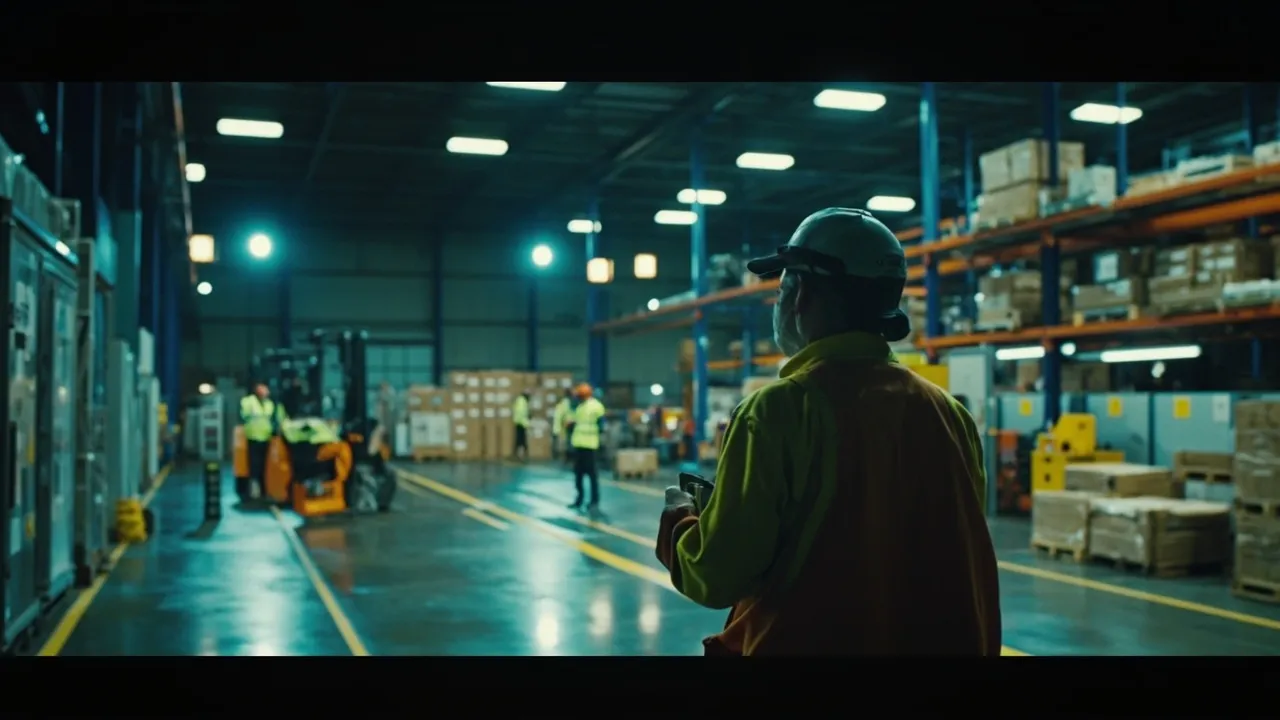
Warehouse safety in 2026 is not a single-checklist exercise. Distribution centers sit at the intersection of material-handling risk, repetitive work, pedestrian traffic, high summer temperatures, and production pressure. That combination gives safety leaders a simple mandate: be ready to show that hazards are identified, controls are working, and training records match the equipment and jobs actually on the floor.
OSHA's Warehouse and Distribution Center National Emphasis Program brought focused inspections to warehousing, storage, and related high-injury operations. Supply Chain Dive reported that the program was launched as a three-year initiative, with inspections addressing hazards such as powered industrial vehicles, material handling, walking-working surfaces, heat, and ergonomics.
At the same time, heat remains an enforcement and rulemaking priority. OSHA has operated a heat-related National Emphasis Program since 2022, while a proposed federal heat standard would create more prescriptive obligations if finalized. The distinction matters: operators should not describe a proposal as final law, but existing duties, inspections, state rules, and the General Duty Clause still make an undocumented heat plan a serious operational weakness.
Why Warehouses Receive Focused Attention
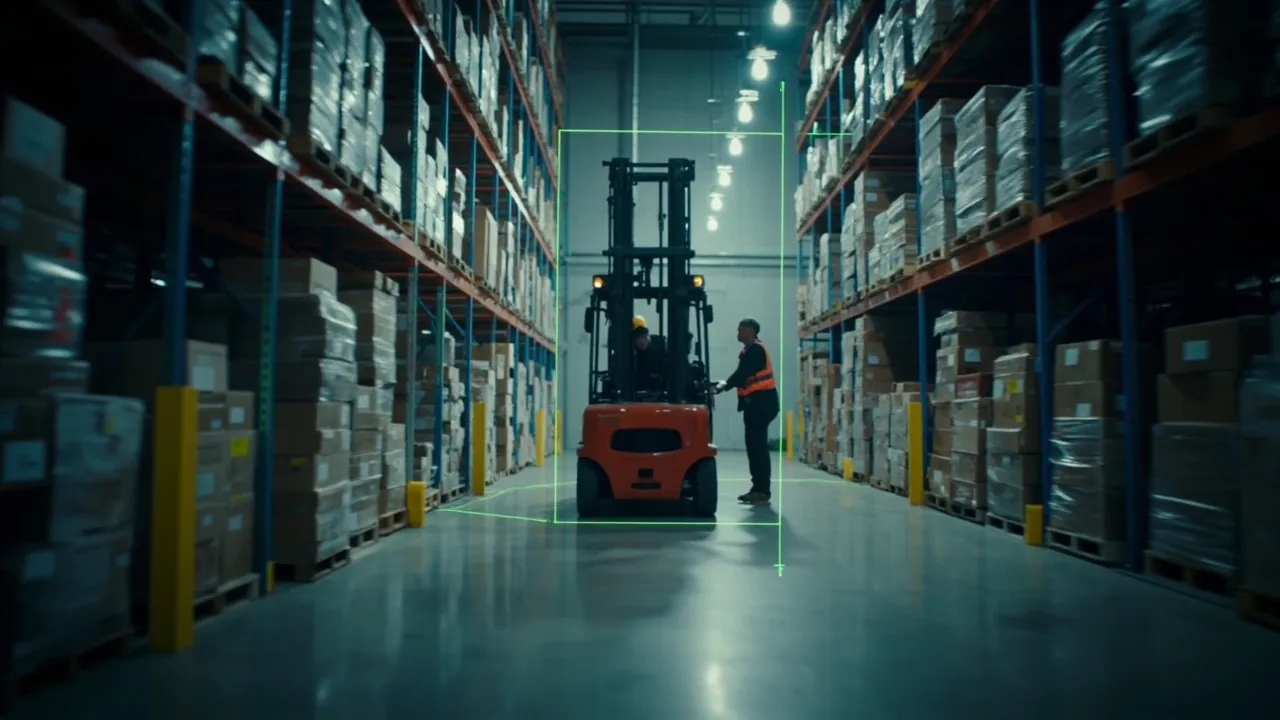
The risk profile is measurable. Inbound Logistics cites OSHA data indicating that roughly 95,000 employees are injured each year while operating forklifts. The same facilities often combine forklifts, pallet jacks, order pickers, dock edges, conveyors, battery-charging areas, and workers on foot within a compressed footprint.
Heat expands that exposure. Trailers, mezzanines, dock doors, roof zones, and poorly ventilated pick modules can have dramatically different conditions within one building. A single temperature reading at the front office does not represent employee exposure across the operation. The proposed federal heat rule discussed by Reuters would generally exclude indoor sites kept below 80°F, illustrating why zone-level measurements and records matter. Reuters also reported OSHA's estimate that the proposal could affect approximately 36 million workers.
Ergonomic risk is equally operational. Repeated lifting, reaching, pulling, pushing, twisting, and high-rate picking can turn a seemingly minor process defect into hundreds of exposures per shift. Inspectors do not need a dramatic accident to ask how the company evaluates repetitive work or responds to injury trends.
Treat Every Powered Vehicle as an Equipment-Specific Risk
Warehouse leaders should build their powered industrial truck program from the equipment's function and applicable standard—not from a vendor's marketing label. Conventional forklifts, reach trucks, order pickers, powered pallet trucks, and other powered material-handling equipment may have different controls and operating limits. Automation also creates new interactions among autonomous mobile robots, lift equipment, and pedestrians.
Start with a complete fleet inventory. Record the equipment type, model, serial or asset number, work zone, authorized operators, training basis, inspection method, and maintenance status. Then map pedestrian crossings, blind corners, dock approaches, charging areas, and mixed-traffic aisles.
Training should reflect the vehicle and workplace conditions employees encounter. A certificate alone is weak evidence if it cannot be tied to hands-on evaluation, the relevant truck type, refresher events, and the operator's current assignment. Likewise, robotic movers do not automatically fall under the powered industrial truck rule merely because they move goods. Their regulatory treatment depends on design and use, but they still require a documented risk assessment and safe interaction rules.
Build a Heat Plan Around Warehouse Zones
A defensible heat-illness program connects measurements to action. Divide the building into exposure zones, including receiving, outbound staging, trailers, pick modules, mezzanines, yards, and maintenance spaces. Identify radiant heat, airflow, workload, required protective equipment, and shift timing for each zone.
The plan should define:
- Who monitors conditions and how often
- Temperature or heat-index triggers for added controls
- Drinking-water access, recovery areas, and rest practices
- Acclimatization for new and returning workers
- Symptoms that require immediate escalation
- Emergency response, first aid, and when to call emergency services
- Supervisor and employee training records
An automated external defibrillator can be a valuable part of a facility's emergency-response system, but employers should avoid presenting a universal federal warehouse AED mandate where none applies. Evaluate facility size, emergency-response time, workforce risk, state requirements, and medical guidance. If an AED is installed, document inspection, battery and pad replacement, responder training, and post-event procedures.
A Practical 90-Day Compliance Sprint
Days 1-30: Establish the Baseline
Inventory powered equipment and operator credentials. Walk every traffic route. Review the previous three years of injury logs, near misses, first-aid cases, heat complaints, and property-damage events. Confirm that required OSHA records are complete and that incident narratives describe what happened well enough to reveal patterns.
Create the warehouse heat-zone map and verify emergency equipment. Interview employees across shifts; night operations and temporary labor often expose gaps that a daytime document review misses.
Days 31-60: Close High-Risk Gaps
Correct missing operator evaluations, damaged aisle markings, obstructed exits, weak dock controls, and overdue equipment inspections. Install or reposition barriers and mirrors based on observed traffic conflicts. Test heat-response triggers through a tabletop drill.
Complete ergonomic assessments for jobs with repetitive lifting, long reaches, twisting, high pick rates, or frequent manual pallet handling. Prioritize engineering changes—lift tables, conveyors, slotting changes, adjustable workstations, and reduced carry distances—before relying only on reminders about lifting technique.
Days 61-90: Prove the System Works
Audit a sample of training files against the employees and equipment observed on the floor. Review whether corrective actions were completed, not merely assigned. Run an unannounced emergency drill, inspect heat stations, and test escalation contacts.
Finally, create a monthly safety dashboard covering leading indicators: equipment inspections completed, near misses, corrective-action aging, heat-trigger events, ergonomic reviews, and training expirations. Lagging injury totals matter, but leading indicators show whether controls are being maintained before someone gets hurt.
Make Compliance Part of Daily Operations
Inspection readiness should be an output of good operations, not a last-minute binder exercise. When equipment assignments, training, incidents, corrective actions, and facility zones live in disconnected spreadsheets, gaps persist between safety, warehouse, and transportation teams.
CXTMS helps logistics organizations connect operational records, workflows, and exception management across the shipment lifecycle. Contact CXTMS to see how a unified transportation platform can improve visibility and accountability across your logistics operation.