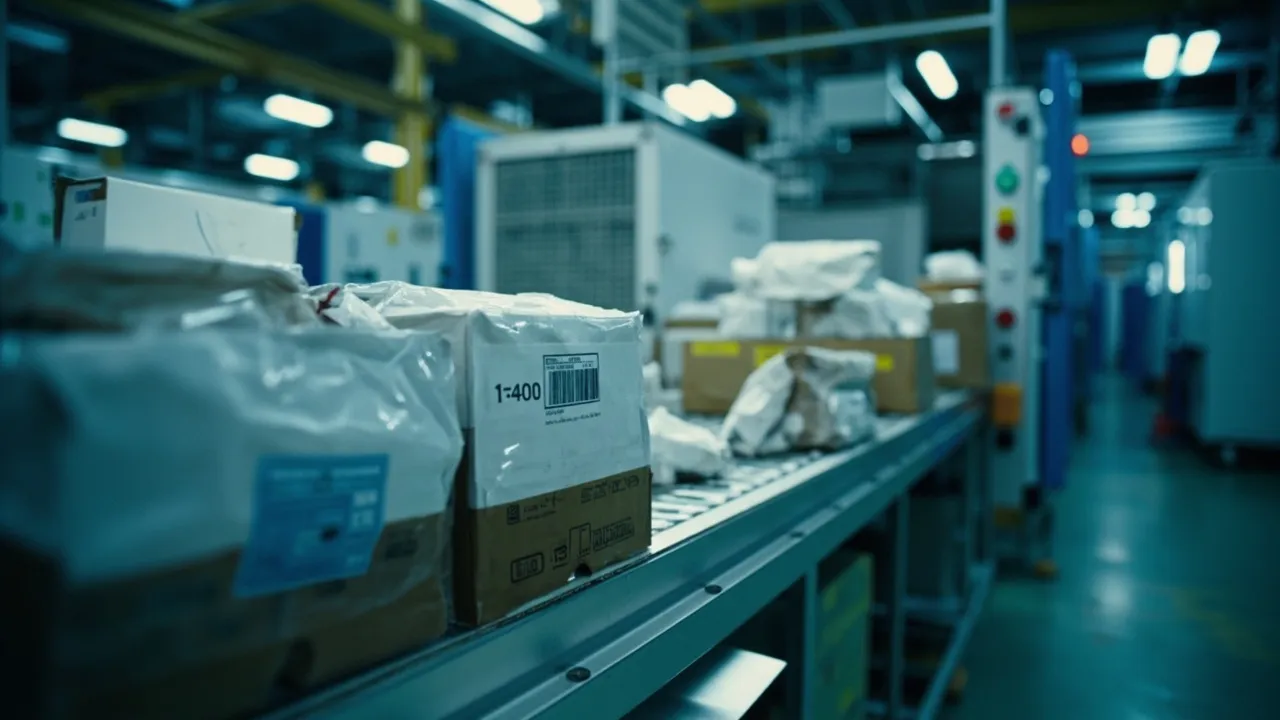
Project Vault and the $12 Billion Critical Minerals Reserve: A Freight Strategy for OEMs

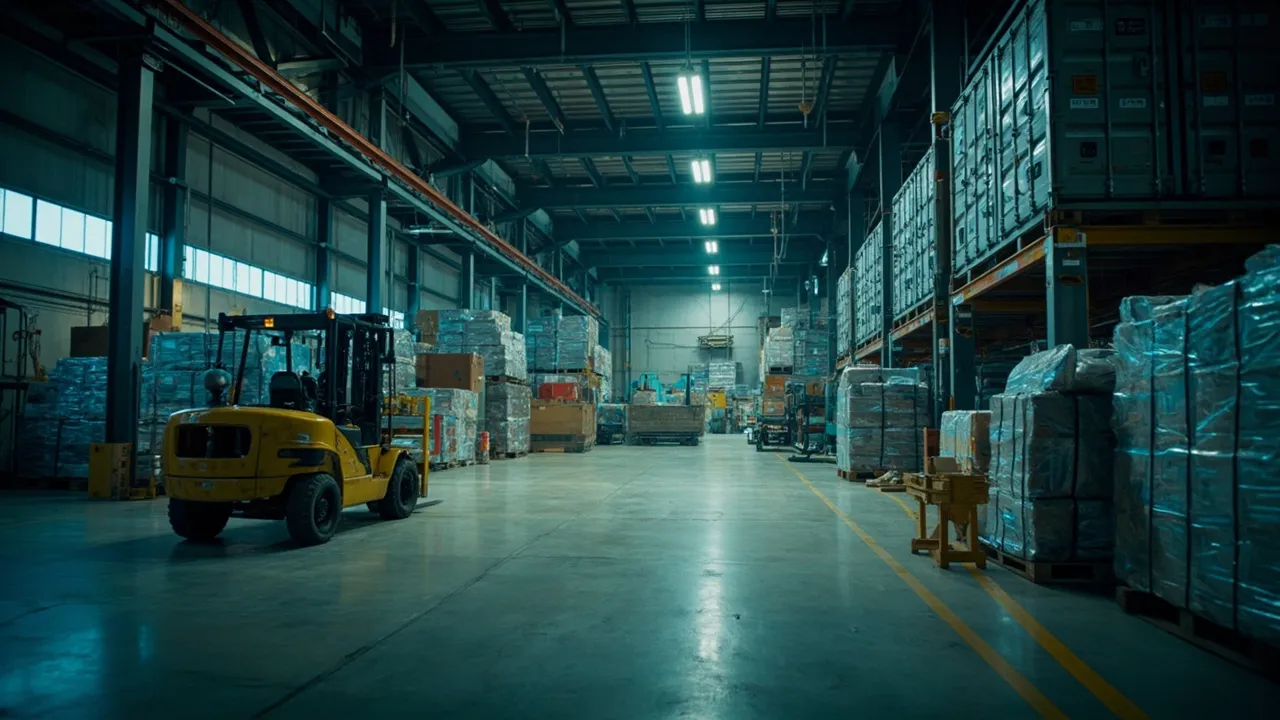
Project Vault changes the critical-minerals conversation for manufacturers. Instead of relying only on new mines, long-term purchasing contracts, or emergency government action, the United States is building a civilian reserve intended to give manufacturers access to material during a supply shock.
The scale is substantial. Supply Chain Dive reports that Project Vault combines a $10 billion U.S. Export-Import Bank loan with $2 billion in private financing. The independently governed public-private partnership has indicated participation from OEMs including Clarios, GE Vernova, Western Digital, and Boeing.
Yet buying minerals is only the first step. A reserve works when the right material, in the right specification and condition, can move from secure storage to a factory before production stops. That makes Project Vault a freight and inventory-control challenge as much as a financing initiative.
Stockpiling Changes the Shape of the Supply Chain
Traditional critical-mineral procurement is mostly a continuous-flow model: material moves from miner to processor, component maker, and OEM. A reserve adds new nodes and new decisions. Inventory may enter storage, remain there for an extended period, and then be released rapidly when a disruption occurs.
Each handoff introduces questions that logistics teams must answer:
- Which organization owns the material while it is stored?
- Which facility holds each lot, grade, and form?
- What evidence links a shipment to its mine, refiner, processor, and supplier?
- How will the reserve allocate scarce stock among participating manufacturers?
- Which carriers and routes are approved for an emergency release?
Those are not administrative details. A magnet manufacturer cannot substitute any rare-earth material simply because its name appears on a critical-minerals list. Purity, particle size, alloy, processing history, packaging, moisture exposure, and contamination controls can determine whether the material is usable.
The concentration behind the program is also real. Reuters reported that China refines between 47% and 87% of copper, lithium, cobalt, graphite, and rare earths, depending on the material. In a separate analysis, Reuters cited International Energy Agency data showing that the average share held by the top three producers across six major mineral categories rose from about 82% in 2020 to 86% in 2024. A disruption at a dominant processing origin can therefore affect several industries at once.
Freight Readiness Must Be Designed Before a Crisis
A stockpile is not resilient if its operating plan begins when an OEM requests material. Participating companies should develop a release playbook with the reserve operator and their logistics providers well in advance.
First, map the physical network. Record approved storage sites, nearby airports and seaports, highway and rail access, carrier coverage, facility operating hours, and alternate gateways. For every material, identify handling constraints and the transport equipment required. Bulk concentrates, refined metals, powders, chemicals, and finished magnets do not share one universal freight profile.
Second, create release triggers. A request might be activated by a supplier force majeure, an export restriction, a port closure, a defined inventory-cover threshold, or a production forecast showing a line-stop risk. The trigger should specify who approves the release, how much material moves, and which customer orders receive priority.
Third, reserve surge capacity. Emergency tenders placed into a disrupted freight market invite delays and premium rates. OEMs and 3PLs should prequalify carriers, establish pricing logic, and define backup routes. The agreement should cover security expectations, tracking cadence, custody changes, seals, delivery appointments, and escalation procedures.
Provenance and Compliance Travel With the Cargo
Critical-mineral cargo can involve customs requirements, sanctions screening, hazardous-material rules, contractual sourcing standards, and export controls that vary by product, origin, destination, and end use. There is no responsible shortcut in which every mineral or magnet receives the same classification.
The operating principle should be simpler: classify the actual item and preserve the evidence behind the decision. Every release file should connect the purchase contract, material specification, country-of-origin record, processor information, assay or quality certificate, lot number, storage history, screening results, and shipping documents.
This traceability protects more than regulatory compliance. It helps an OEM confirm that reserve material matches the production bill of materials and has remained within specified storage conditions. It also makes discrepancies actionable. If a seal changes, a certificate is missing, or a lot is routed through an unapproved node, the shipment can be held before questionable material reaches production.
SupplyChainBrain describes Project Vault as a physical stockpile for civilian use, rather than a replacement for domestic mining and processing investment. That distinction matters: stored inventory buys time, but it does not eliminate upstream concentration. Logistics data should show management exactly how much time it buys.
Questions OEMs Should Put to Their 3PLs
An OEM preparing for Project Vault should ask its freight partners for operational answers, not broad assurances:
- Can you track inventory and shipments by material, grade, lot, owner, and custody status?
- Which secure carriers and facilities are already qualified for each material?
- How quickly can you activate an alternate route when the primary gateway is unavailable?
- Can compliance documents be validated before pickup rather than after freight reaches customs?
- How will you prioritize releases when multiple plants face shortages simultaneously?
- What evidence will you retain after delivery for audit, quality, and sourcing reviews?
The answers should become measurable service levels. Useful metrics include release-to-pickup time, document-complete rate, inventory accuracy, dwell by node, custody exceptions, expedited-freight cost, and days of production protected.
Turn Reserve Inventory Into Usable Resilience
CXTMS can connect reserve releases to carrier qualification, routing, milestone tracking, and shipment-level documentation. A control tower can alert teams when a release is missing a certificate, a truck deviates from an approved route, or an ETA threatens the factory's remaining inventory window. It can also preserve the decision trail behind expedited movements and alternate-gateway choices.
Project Vault creates a financial buffer against critical-mineral shocks. OEMs must turn that buffer into physical resilience. The winners will know not only how much strategic inventory they can access, but exactly how it will reach the production line when ordinary supply fails.
Request a CXTMS demo to see how shipment visibility, document control, and exception workflows can support secure critical-mineral freight.