The Material Handling Skills Gap Needs a Shared Talent Pipeline, Not Competing Job Posts

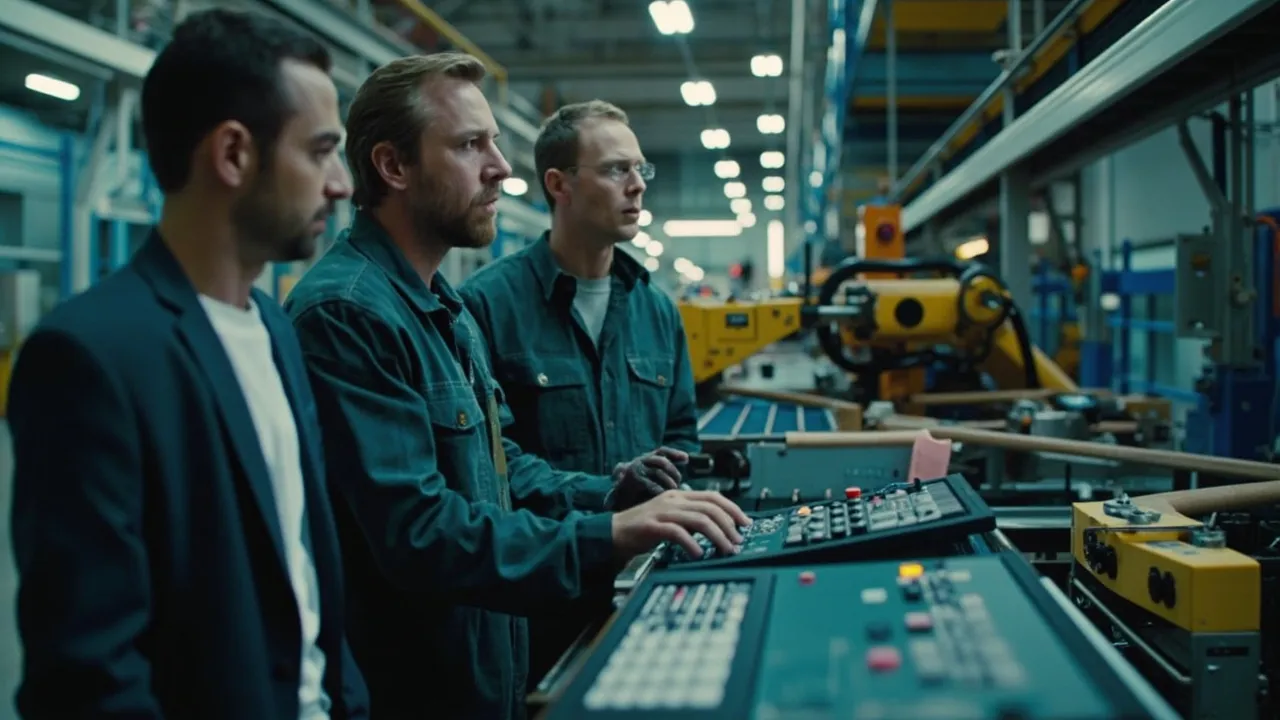
Warehouse automation does not eliminate the need for skilled people. It changes where their expertise is required—and raises the operational cost when that expertise is missing.
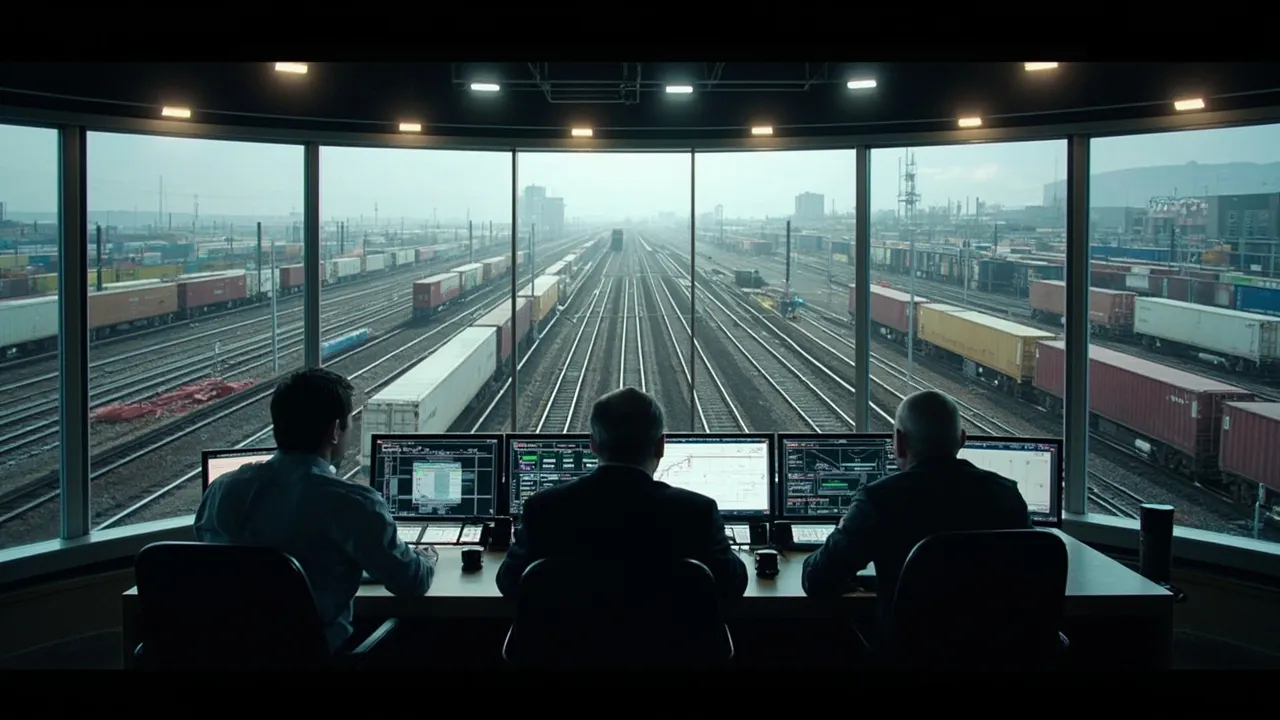
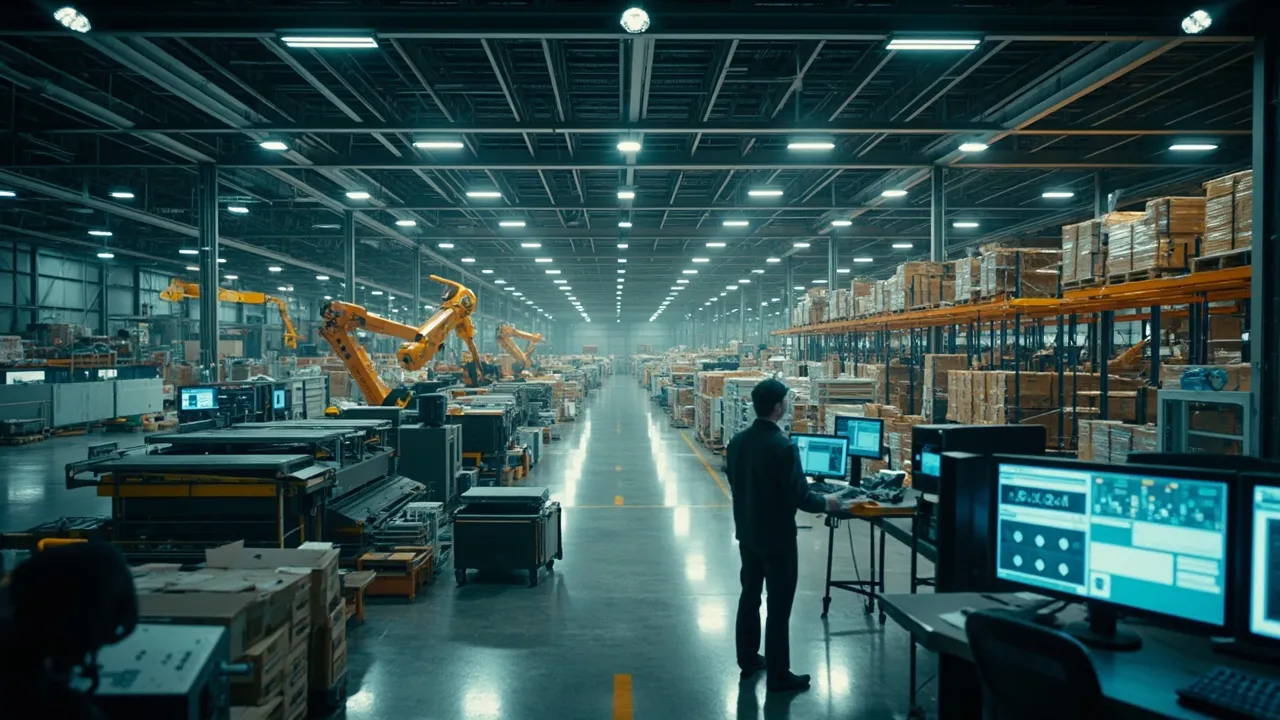
The shortage is no longer confined to electricians, mechanics, or controls engineers as separate occupations. Modern distribution centers combine conveyors, sortation, robotics, sensors, programmable logic controllers, lift equipment, warehouse software, and facility infrastructure into one tightly coupled production system. When that system stops, the business needs technicians who can diagnose across traditional boundaries.
That is why the material handling industry needs a shared talent pipeline rather than more employers competing over the same experienced workers with slightly different job titles.
The shortage is bigger than any single warehouse
BlackRock, Carhartt, Ford, and Google recently launched the Alliance for America's Skilled Trades to expand awareness of trade careers and access to training. The founding companies already support workforce-training initiatives across 30 states. As Modern Materials Handling reports, research cited by the alliance estimates that 2.1 million skilled-trades positions—including electrical workers and technicians—could go unfilled by 2030.
The alliance intends to broaden exposure to trade careers, scale apprenticeships and pre-apprenticeships, and bring industry, labor, educators, and nonprofits into a larger partnership. That structure matters. A persistent labor shortage cannot be solved efficiently if every employer builds an isolated recruiting funnel, uses its own vocabulary, and asks candidates to arrive fully trained.
Warehouses also compete for technical workers with manufacturers, utilities, data centers, construction contractors, and field-service organizations. Posting another “maintenance technician II” vacancy may move one worker between employers, but it does not increase the supply of qualified people.
Automation makes technical coverage a capacity constraint
The workforce issue is becoming more urgent as technology density rises. In the 2024 MHI and Deloitte industry survey of more than 1,700 manufacturing and supply-chain leaders, 52% identified talent shortages as a major challenge. The same MHI report summary found that 82% expected robotics and automation adoption within five years, while 84% expected artificial intelligence adoption.
That combination creates a simple operating reality: facilities are adding assets that require more technical support while the labor market is struggling to supply it.
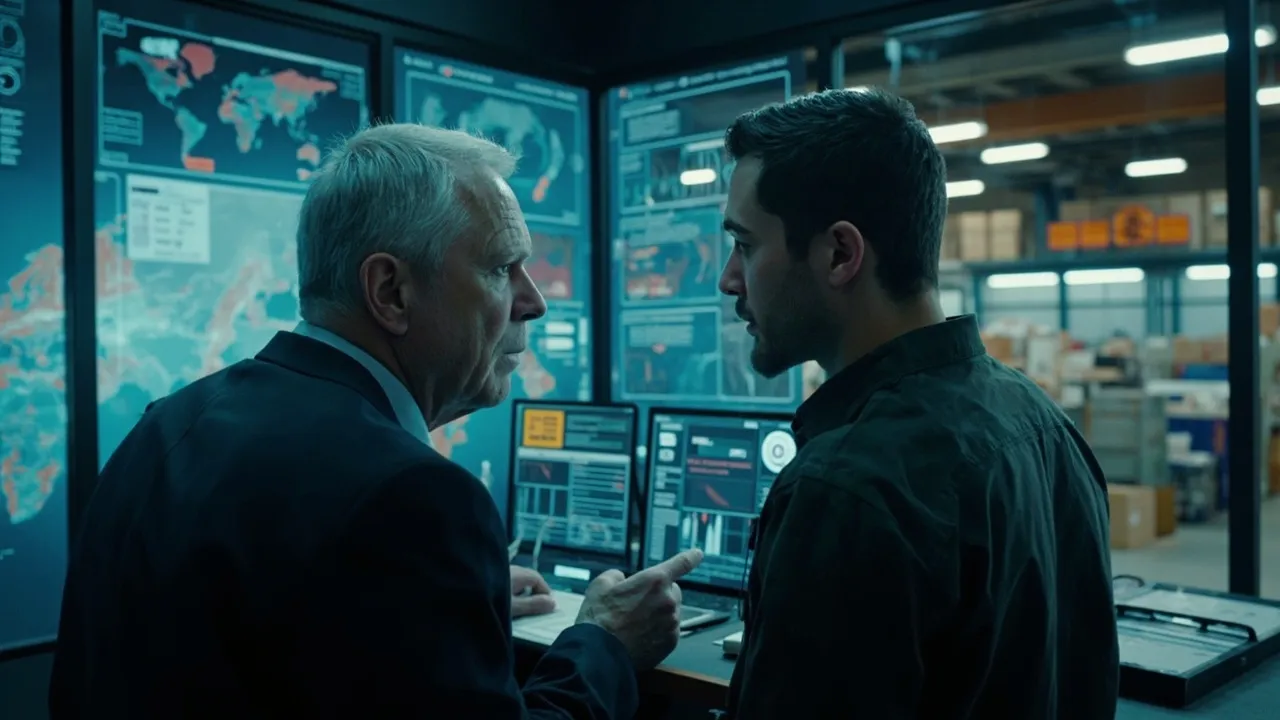
A manual process may slow when staffing falls short. An automated process can stop entirely when the only controls specialist on a shift cannot restore a failed device, network connection, or PLC sequence. Maintenance coverage therefore belongs in the same planning conversation as dock capacity, labor hours, carrier availability, and order cutoffs.
Leaders should track technical capacity through practical measures such as:
- qualified technicians by shift, site, and equipment family;
- hours of uncovered critical-skill demand;
- mean time to diagnose and mean time to repair;
- training and certification progress;
- single-person dependencies for critical assets;
- vendor-response time and escalation coverage; and
- planned automation growth versus available support hours.
These indicators turn “we cannot hire enough technicians” from a recurring complaint into a measurable operational risk.
Define portable competencies, not proprietary job titles
Job titles are a poor unit of workforce planning. One employer's automation technician may be another's mechatronics specialist, maintenance electrician, controls technician, or material handling equipment engineer. Candidates struggle to interpret the differences, educators cannot reliably align courses to demand, and employers screen out capable people whose resumes use the wrong language.
A shared competency model is more useful. It can define progression across areas such as electrical safety, mechanical systems, sensors, motor controls, PLC fundamentals, industrial networks, lift-equipment maintenance, computerized maintenance management systems, and structured troubleshooting.
The model should identify what a person can safely perform under supervision, independently, and as a trainer or escalation resource. Credentials should be portable across participating employers, even when each company adds site-specific authorization for its own equipment and safety procedures.
This does not require companies to standardize every machine or reveal proprietary processes. It requires agreement on the foundational skills that make a technician employable and trainable. Shared definitions make it easier for community colleges, high schools, unions, equipment suppliers, veterans' programs, and workforce agencies to build relevant pathways.
Build an earn-and-learn route into the warehouse
The most credible pipeline offers paid progression rather than asking entrants to finance training before they know whether a career fits. Pre-apprenticeships can introduce safety, tools, basic electrical and mechanical concepts, and the realities of shift-based operations. Apprenticeships can then combine classroom instruction with supervised work on real assets.
Employers benefit when programs share the expensive foundation: outreach, curriculum design, instructor capacity, assessment, and baseline credentials. Individual companies can concentrate their resources on equipment-specific training and mentoring.
Experienced warehouse associates should also have a visible bridge into technical roles. Operators often possess valuable knowledge of failure patterns, product flow, and process dependencies. A structured pathway can convert that operating context into maintenance and controls capability while improving retention.
The pipeline should not end at recruitment. Each worker's competencies, certifications, practical assessments, and renewal dates should feed workforce planning. When a new sorter or robotic cell is scheduled to launch, planners should see whether every shift will have the required coverage—and whether training must begin months before commissioning.
Treat talent development as network resilience
A shared pipeline will not erase competition for strong employees. It will expand the pool, improve mobility, and give workers a clearer reason to enter and remain in material handling careers.
For logistics leaders, the strategic shift is straightforward: stop treating skilled-trades hiring as a collection of vacancies and start treating it as infrastructure. Map the competencies the network needs, measure coverage, partner on training, and connect workforce readiness to automation and volume plans.
CXTMS helps logistics teams coordinate transportation capacity, execution, and performance data across their networks. Request a CXTMS demo to see how better operational visibility can support more resilient planning from the warehouse door through final delivery.