A 20,000-Chassis Deal Shows Intermodal Capacity Is Becoming an Equipment-Control Problem


Intermodal capacity is usually discussed in terms of trains, terminal slots, and drayage drivers. Yet a shipment can have all three and still fail to move because one less visible asset is missing: a road-ready chassis in the right place.
That constraint is becoming strategically important. ITE Management has acquired the North American Chassis Pool Cooperative (NACPC), adding 20,000 chassis and taking ITE's platform to 60,000 units. According to FreightWaves' report on the transaction, the combined business represents roughly 30% of the 200,000 chassis operated in cooperative pools.
The deal is more than fleet consolidation. It is evidence that intermodal advantage increasingly depends on equipment control: knowing where chassis are, whether they are usable, when they will return, and which loads should receive them.
Capacity Exists Only Where the Equipment Is
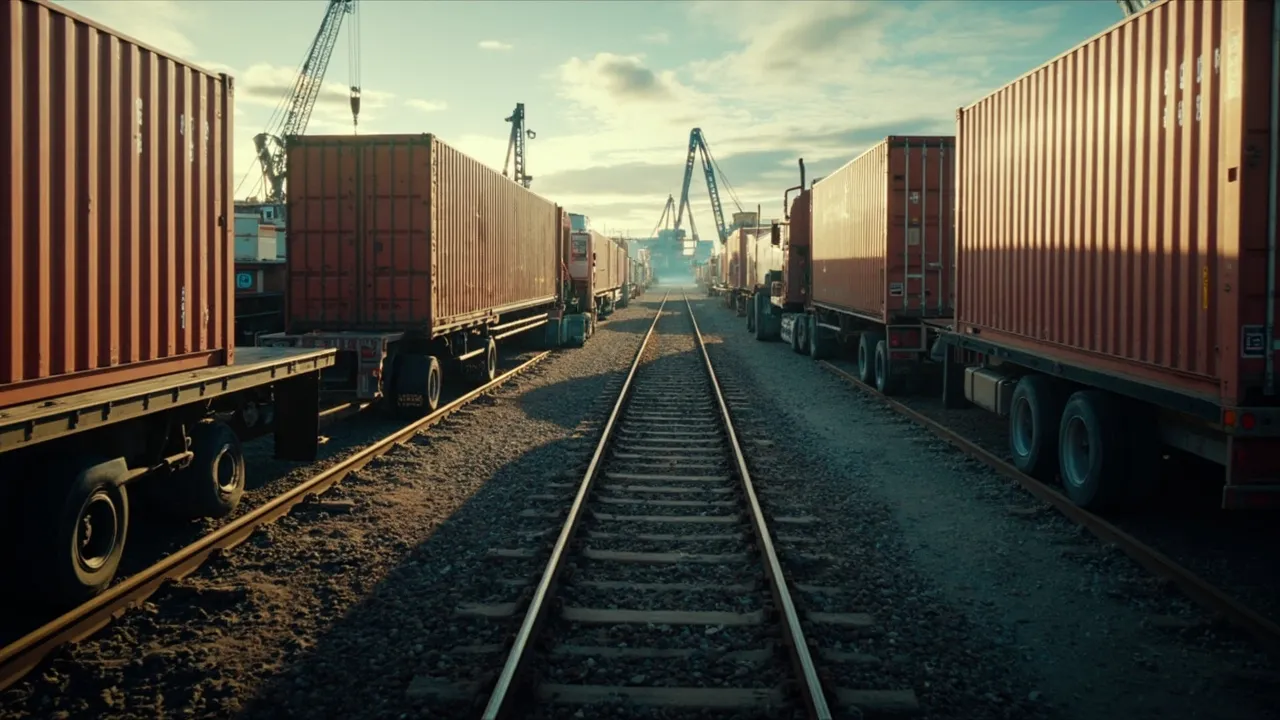
A chassis is the bridge between a container's rail or ocean move and its road leg. When no compatible unit is available at the ramp, a dray carrier cannot pull the box. The container dwells, appointments slip, storage charges can accumulate, and the chassis that are already under loads remain tied up longer.
That feedback loop makes headline fleet size a poor proxy for usable capacity. An operator may have plenty of chassis nationally while experiencing a shortage at one inland ramp, terminal, or customer cluster. Equipment can also be present but unavailable because it is reserved, under repair, incompatible with the container, or trapped beneath freight that has not been unloaded.
The market has seen both oversupply and local scarcity. FreightWaves reported that about 100,000 chassis were added to the marine and international intermodal market during the pandemic. Even so, its 2025 industry review noted occasional shortages at inland points and variable peak-season dwell. The lesson is simple: aggregate supply does not solve imbalances in location, timing, or condition.
The structure of pools matters as well. The original Los Angeles–Long Beach "pool of pools" reportedly declined by nearly 70%, from 80,000 units to about 25,000. Fragmentation can make access less predictable when providers, terminals, and motor carriers follow different rules. ITE's larger coast-to-coast platform could create more repositioning and leasing options, but customers will benefit only if the operational data keeps pace with the asset base.
Dwell Multiplies the Shortage
Chassis capacity is not just a count; it is a count multiplied by velocity. A unit that completes two cycles in the time another completes one effectively contributes twice as much productive capacity.
In a separate FreightWaves interview on chassis readiness, Trac Intermodal said average chassis dwell is normally six to seven days. During the pandemic, dwell rose by two to four times, depending on the market. At those extremes, the same physical fleet can support only a fraction of its normal throughput.
This is why chassis risk can surface even when shipment demand does not appear extraordinary. A warehouse backlog delays unloading. That holds the container and chassis. The pool then has fewer units available for incoming boxes, causing terminal dwell and missed pulls. What begins as a receiving problem becomes an intermodal capacity problem.
Shippers should therefore monitor loaded and empty dwell by facility, lane, customer, and provider. Averages alone conceal the long tail. The most useful view shows the percentage of units approaching contractual free time, the share beyond a target cycle, and the projected return date of every chassis assigned to priority freight.
Four Data Sets Create Equipment-Level Control
An effective equipment-control layer needs four connected types of information:
- Location: The latest terminal, depot, yard, customer, or in-transit position, with a timestamp and confidence level.
- Dwell: Time in the current state, expected unload or return time, free-time exposure, and the next escalation threshold.
- Condition: Road-ready status, inspection history, open defects, repair location, and estimated release time.
- Reservation: The shipment, carrier, terminal, and pickup window assigned to the chassis, plus rules for releasing unused capacity.
These data points should sit alongside the container, rail booking, dray order, and delivery appointment in the transportation record. Otherwise, planners see a shipment that appears executable while the asset needed for the road leg remains invisible.
Control also requires events rather than periodic spreadsheets. A chassis entering a terminal, failing an inspection, exceeding expected dwell, changing reservation status, or returning empty should update the plan automatically. Exceptions should be ranked by shipment consequence: production-critical freight, containers nearing storage charges, and loads with narrow delivery appointments deserve attention before lower-risk moves.
Condition data is especially important. A fleet can look sufficient until an inspection removes a group of units from service. In 2025, one major chassis provider announced plans to equip more than 140,000 domestic chassis with GPS, partly to improve maintenance. Location telemetry becomes far more valuable when it is joined with defect and repair events; finding an unusable chassis is not the same as finding capacity.
Put Chassis Risk Into Routing Guides
Traditional routing guides compare rate, transit time, carrier performance, and mode. Intermodal decisions should add an equipment-availability score for the origin ramp, destination ramp, and expected pickup window.
That score can combine current road-ready inventory, reservations, forecasted returns, recent dwell, repair backlog, and repositioning lead time. A lane with a low rail rate but a high probability of chassis delay may be more expensive than a truckload alternative once storage, driver waiting, failed pickup, and service penalties are included.
Planners also need explicit mode-shift triggers. Examples include projected road-ready coverage falling below a defined number of days, loaded dwell crossing a threshold, repair holds exceeding a set share of local inventory, or reservations outpacing confirmed returns. The response might be to secure a dedicated chassis, use a motor carrier-controlled unit, change ramps, reposition equipment, or move the shipment by truck.
The objective is not to abandon intermodal whenever supply tightens. It is to make the decision early, while alternatives still exist. Waiting until a driver arrives at the ramp turns a manageable equipment imbalance into an urgent service failure.
ITE's 20,000-unit acquisition increases the scale available to intermodal customers. But the larger message is that physical capacity and information capacity must grow together. The operators and shippers that connect chassis location, dwell, condition, and commitments will extract more useful moves from the equipment they already have—and make better decisions when they need more.
Ready to bring equipment availability, routing decisions, and shipment exceptions into one workflow? Request a CXTMS demo to see how your team can manage intermodal capacity before a missing chassis becomes a missed delivery.