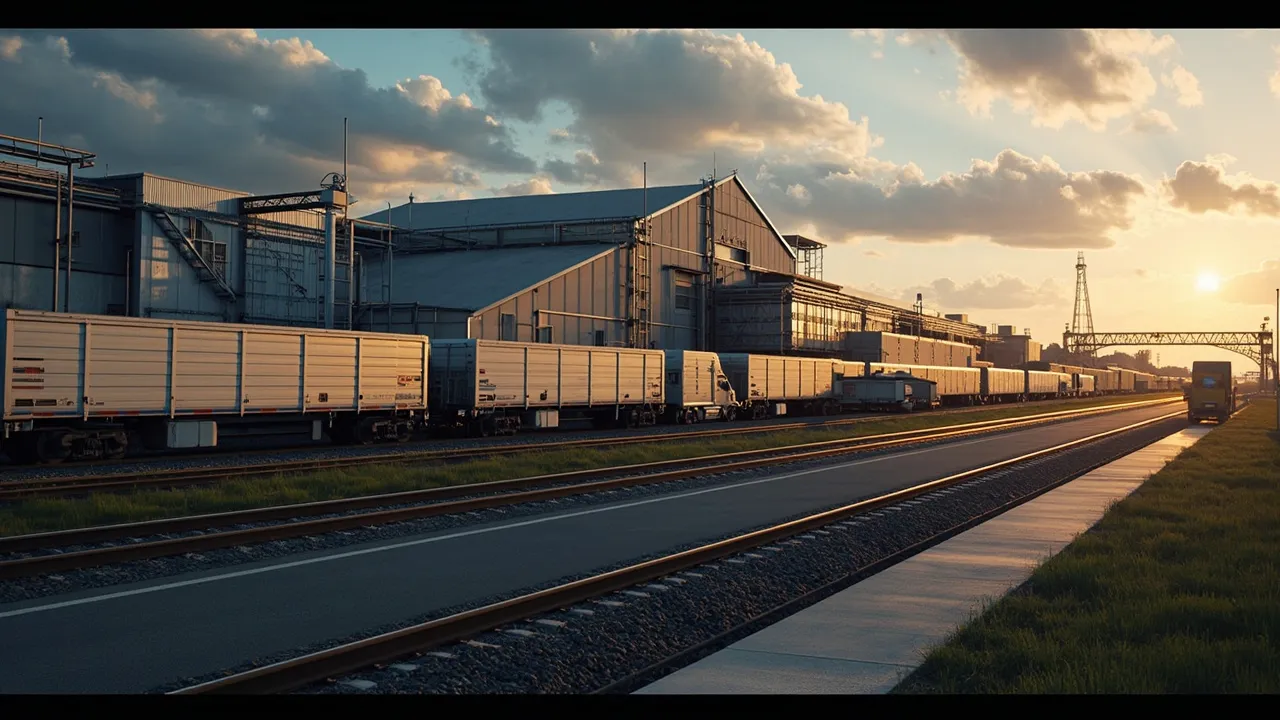
BNSF's Faster Phoenix Intermodal Service Turns Barstow Into a Southwest Freight Hub

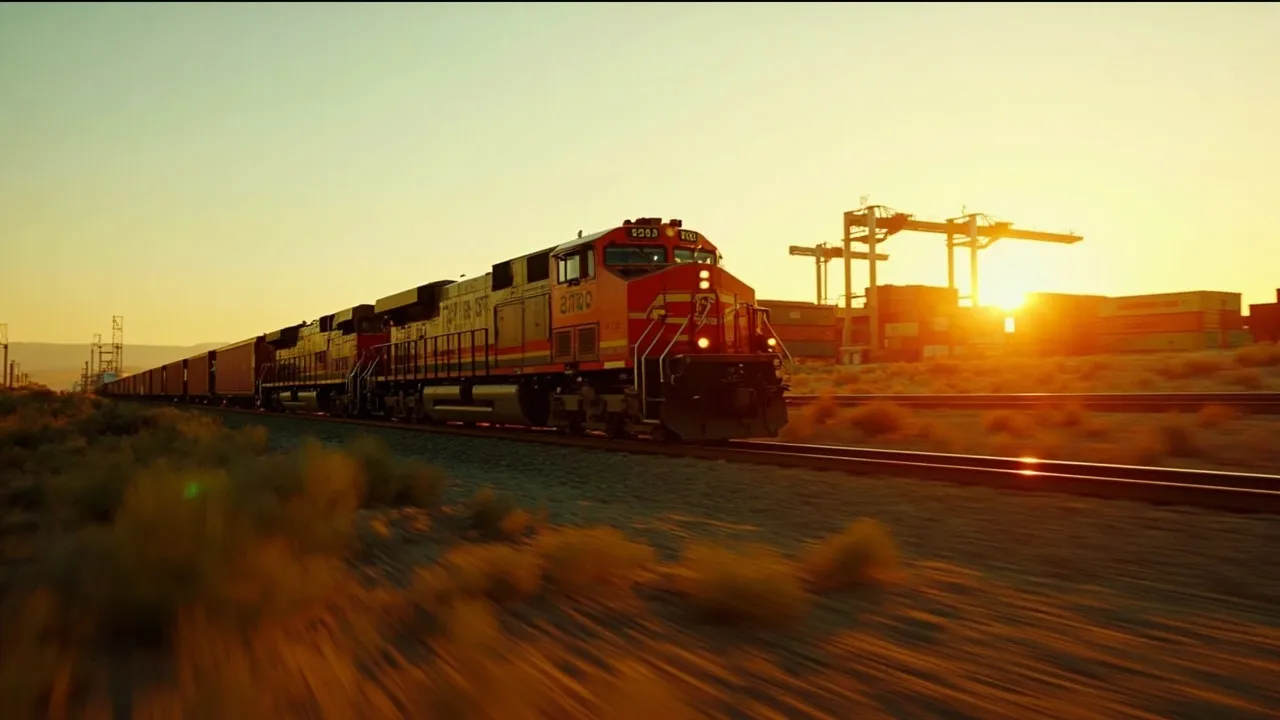
BNSF Railway's faster intermodal service from Phoenix to Dallas-Fort Worth gives Southwest shippers another reason to reconsider the boundary between rail and truck. The service is not simply a shorter timetable. It is a signal that Phoenix is becoming a more important origin in a network that will eventually connect with a much larger inland freight platform at Barstow, California.
Supply Chain Dive reported in August 2026 that BNSF had introduced the faster Phoenix–Dallas-Fort Worth option. For importers, manufacturers, distributors, and retailers serving the Southwest, the practical question is whether the new schedule creates usable door-to-door speed after terminal cutoffs, drayage, dwell, and final delivery are included.
A Faster Train Is Only Part of the Transit
Rail schedules are often compared with highway transit as though both clocks start and stop at the customer's dock. They do not. An intermodal move includes empty-equipment positioning, origin drayage, terminal acceptance, train departure, interchange or intermediate handling, destination availability, and final drayage. Missing a cutoff can erase the advantage of a faster linehaul schedule.
That means shippers should evaluate the Phoenix service lane by lane and shipment by shipment. A predictable replenishment load with a two-day delivery window may be an excellent intermodal candidate. An urgent shipment released after the rail cutoff may still belong on a truck, even when the published rail schedule looks competitive.
The demand signal matters, too. Railroads do not improve schedules in a vacuum. A faster Phoenix product suggests that BNSF sees enough freight density and customer interest to support a stronger eastbound connection. More density can improve equipment availability and departure consistency over time, but shippers should validate performance with actual events rather than assume the timetable is a guarantee.
Barstow Expands the Southwest Network
The bigger strategic change sits roughly 350 miles northwest of Phoenix. BNSF plans to develop the Barstow International Gateway as a $4 billion inland rail and transload complex. Supply Chain Dive describes the project as a 4,500-acre facility designed to include transload warehouses and manage intermodal shipments.
Scale is the point. At 4,500 acres, the gateway is intended to do more than transfer containers between trains. Its planned transload capability could allow ocean cargo arriving through Southern California ports to move inland before products are sorted, consolidated, or shifted into domestic equipment. That can reduce the need to perform every logistics activity in the expensive, congested coastal zone.
For Southwest shippers, Barstow could create several network choices:
- keep an international container intact for inland movement;
- transload imports into domestic 53-foot containers for longer rail moves;
- combine goods from multiple ocean containers by destination;
- stage inventory closer to Arizona, Nevada, and inland California markets; or
- divert selected freight to truck when service requirements justify the premium.
The facility does not eliminate complexity. It moves decision points inland. Beneficial cargo owners and forwarders will need visibility across the ocean booking, port availability, rail departure, Barstow handling, domestic equipment, and final-mile appointment. A disconnected spreadsheet will struggle to preserve that chain of custody.
Compare Door-to-Door Cost, Not Just the Rate
A credible mode comparison begins with the quoted transportation rate but cannot end there. A transportation management system should calculate the cost of origin drayage, rail linehaul, fuel and accessorial charges, destination drayage, chassis or equipment exposure, storage, and expected exception cost.
Inventory time belongs in the model as well. If a rail option adds a day but delivers consistently, the inventory effect may be manageable. If availability varies widely, the shipper may need more safety stock or may incur expensive expedites. A nominally cheap move can become costly when uncertainty forces the business to carry more inventory.
Truck alternatives should be evaluated on the same basis. A truck can provide direct service, fewer handoffs, and later tender cutoffs. Rail can offer attractive economics and capacity for repeatable, longer-distance flows. The right decision depends on shipment value, delivery-window flexibility, origin and destination distance from terminals, volume regularity, and the cost of failure.
Measure Milestones That Operators Can Use
Monthly average transit time hides the failures that planners need to fix. Shippers testing the Phoenix service should capture a common set of lane-level milestones:
- shipment ready time and empty-equipment availability;
- origin pickup and terminal gate-in;
- planned cutoff and actual train departure;
- destination train arrival and container availability;
- final dray pickup, appointment, and proof of delivery; and
- total door-to-door time against the promised delivery window.
These events separate linehaul performance from drayage and terminal performance. If loads repeatedly miss the outbound train because of origin pickup delays, changing the rail schedule will not solve the problem. If containers arrive on time but sit waiting for appointments, the receiving process needs attention.
Use medians and percentiles alongside averages. The median shows the typical move; the 90th percentile reveals the buffer required for most shipments. Also track cutoff misses, destination dwell, equipment shortages, appointment failures, and the percentage of loads shifted to truck after planning. Those metrics show whether the service is genuinely usable, not merely fast on paper.
Build the New Lane Deliberately
Start with stable freight that has repeatable origins, predictable release times, and delivery flexibility. Run a controlled pilot, preserve a truck fallback, and compare actual milestones for several weeks. Procurement, operations, inventory planning, and customer service should agree on the same success criteria before volume is committed.
The Phoenix service and Barstow gateway point toward a more connected Southwest freight network. Shippers that model the full journey—and capture every handoff—will be positioned to use that network without trading lower rates for hidden delays.
CXTMS brings rail schedules, drayage milestones, shipment costs, exceptions, and truck alternatives into one operating view. Request a CXTMS demo to see how your team can evaluate intermodal lanes with door-to-door data.