International Paper’s CPKC Rail Plan Shows Packaging Plants Need Freight Optionality Built In


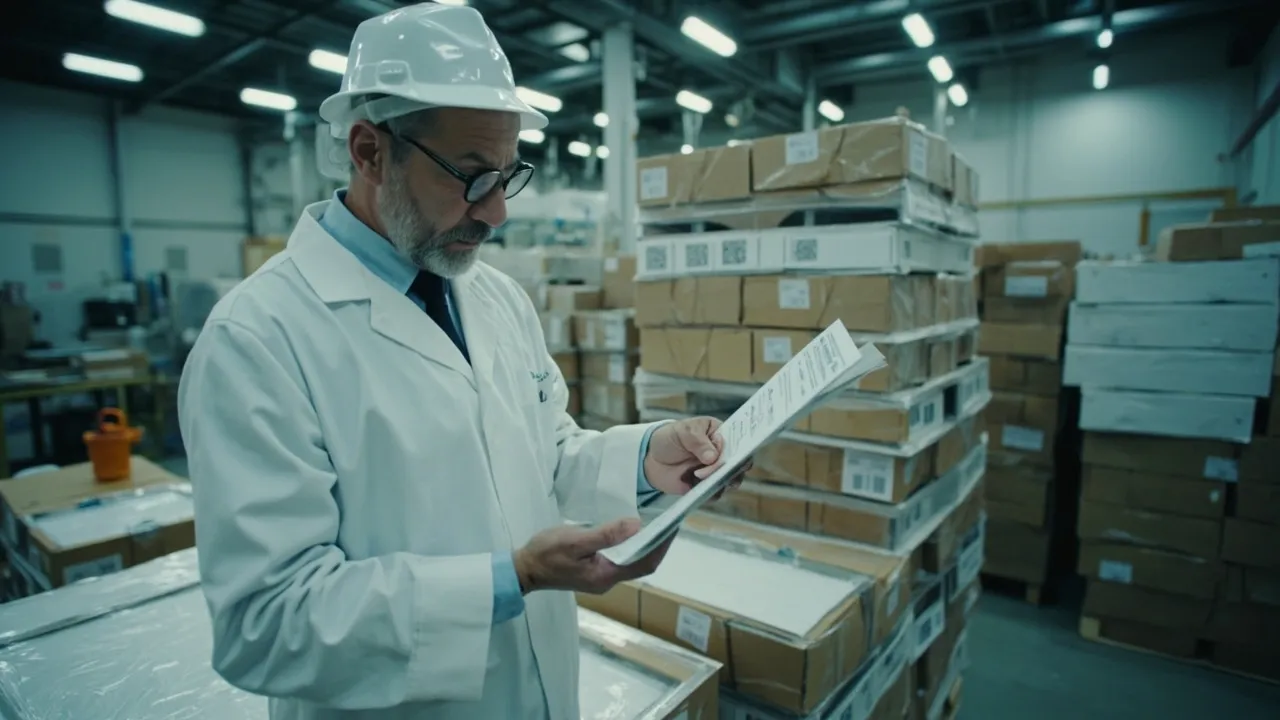
Packaging plants do not get much forgiveness from the freight network. Fiber, linerboard, recycled inputs, adhesives, pallets, and finished corrugated products move on different rhythms, under different cost pressures, and with customers that rarely want to hear that transportation capacity is the reason their packaging missed a production window. That is why International Paper’s new rail-served packaging facility in Mississippi is more than a real estate announcement. It is a reminder that freight optionality has to be engineered into the site before the first load moves.
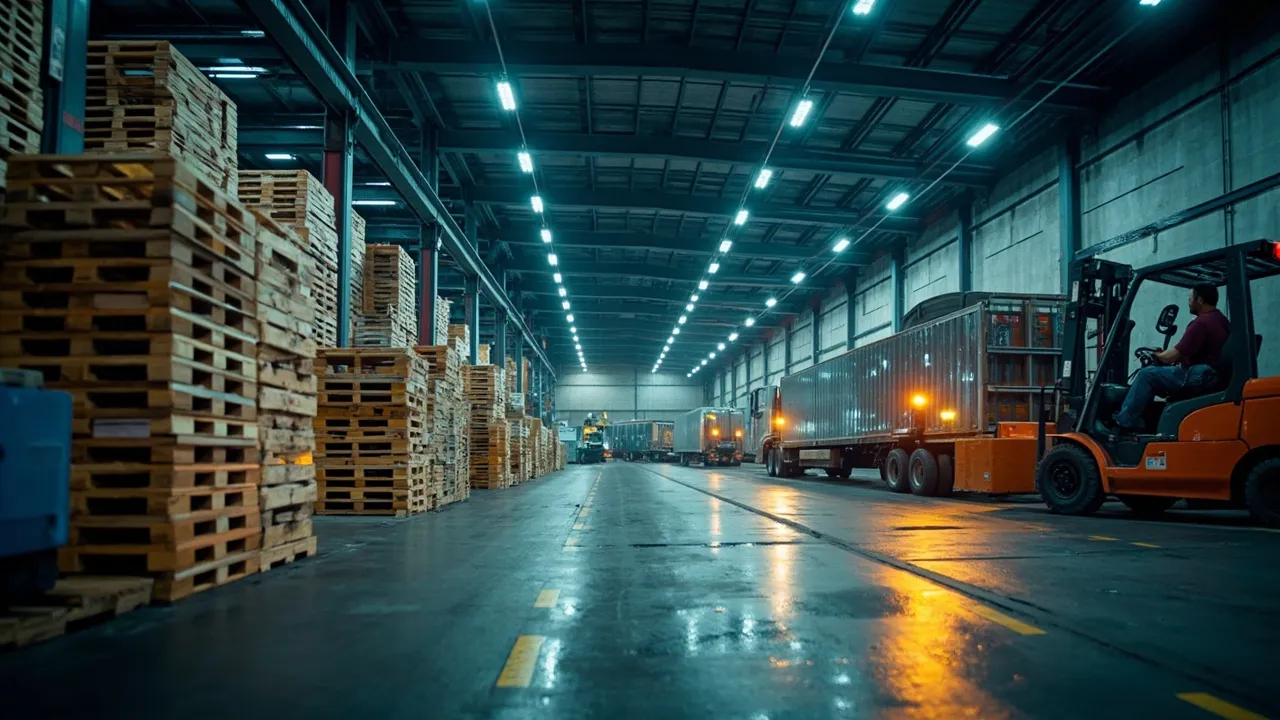
According to Supply Chain Dive, Canadian Pacific Kansas City joined International Paper in breaking ground on a 468,000-square-foot packaging facility in Rankin County, Mississippi. The facility is expected to become operational in Q4 2027, and CPKC will manage inbound raw materials and outbound distribution for the site. CPKC told Supply Chain Dive that the plant will have direct access to its North American network from the outset, giving it a single-line connection across Canada, the United States, and Mexico.
That last detail matters. Rail is not being added as a contingency after the plant opens. It is part of the operating design.
Rail Access Is a Capacity Hedge
For packaging manufacturers, rail access is not simply a cheaper mode for heavy freight. It is a hedge against the kinds of volatility that expose truck-only networks: seasonal demand spikes, regional driver shortages, weather disruption, fuel swings, equipment imbalances, and customer launch schedules that compress lead times.
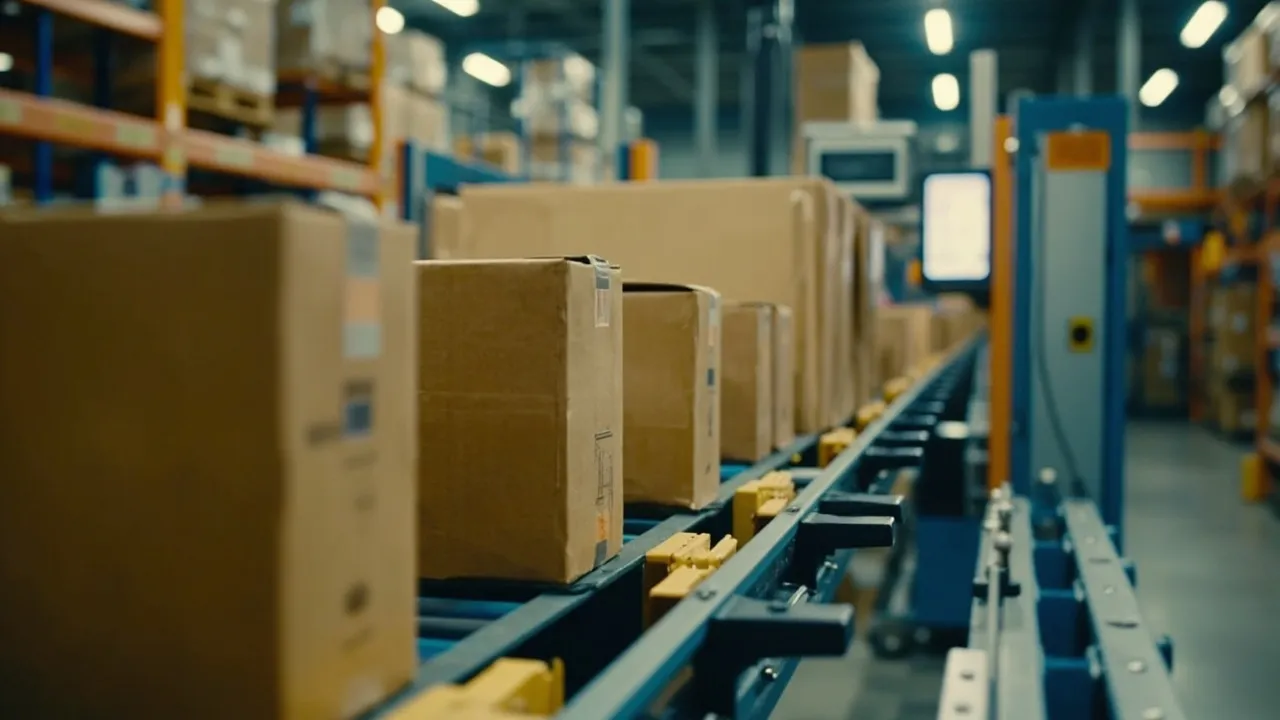
A corrugated packaging plant has a dual freight challenge. Inbound flows must keep production fed without burying the facility in excess inventory. Outbound flows must reach food, beverage, e-commerce, retail, industrial, and consumer goods customers that often plan packaging around their own production runs. If inbound fiber is late, the plant loses manufacturing efficiency. If finished goods are late, the customer may miss a packing or shipping commitment.
Truckload remains essential because it is flexible and fast for regional customer commitments. But a truck-only design forces every surge, delay, and replenishment move through the same capacity market. Direct rail service gives planners another lever: bulk inbound movement, lower-touch linehaul, better access to distant supply points, and a way to absorb volume without treating every lane as a same-day trucking scramble.
Rail does not replace trucks. It gives planners a second lever instead of forcing every problem through the same capacity market.
The Market Signal Supports Optionality
The broader rail market is giving shippers a useful signal. Logistics Management reported Association of American Railroads data showing U.S. rail carloads reached 230,959 for the week ending June 13, up 2.8% year over year. Intermodal container and trailer volume hit 289,447 units, up 10.9% year over year. Through the first 23 weeks of 2026, carloads were up 3.2% to 5,215,944, while intermodal units were up 2.7% to 6,403,177.
Those figures do not guarantee perfect service on every lane. Rail still requires planning discipline, local switching reliability, yard coordination, and realistic transit buffers. But the data shows shippers are still looking for alternatives to pure over-the-road exposure.
For a packaging plant, that matters because freight optionality is valuable before a disruption shows up. Once the truck market tightens or a customer surge arrives, it is too late to discover that the facility has no siding, no transload relationship, no mode-conversion process, and no transportation management system capable of comparing options quickly.
Site Selection Is a Supply Chain Decision
Industrial site selection still too often treats logistics as a follow-on calculation: find labor, incentives, land, utilities, and permitting, then ask transportation to make the flows work. That order is backwards for freight-intensive operations.
A packaging plant should be evaluated as a supply chain node from day one. The basic questions are straightforward but rarely answered with enough rigor:
- Can inbound materials arrive by more than one mode?
- Does the site support steady-state replenishment and surge production?
- Are gates, sidings, staging areas, and docks designed around real flow?
- Can finished goods reach priority customers within promised windows?
- Can the transportation team see mode, carrier, appointment, and exception data together?
If the answer is no, the site may still function when conditions are normal. The problem is that logistics networks are not judged by normal days. They are judged by the week when demand jumps, a lane is constrained, a supplier slips, a customer accelerates orders, or a storm interrupts the usual plan.
That is when built-in optionality pays for itself.
Inventory Buffers Should Be Designed
Rail access also changes the inventory conversation. Without mode diversity, companies often compensate for freight uncertainty by carrying extra stock in the wrong places. A better approach is to design buffers intentionally: predictable inbound volume may ride rail-supported replenishment cycles, regional customer shipments may stay on trucks, and surge capacity may come from prequalified carriers or transload partners. Safety stock should be tied to lane reliability and customer criticality, not gut feel.
For packaging, this is especially important because customers often need packaging before they can ship their own product. That makes freight optionality a service strategy, not only a cost strategy.
What Logistics Teams Should Copy
The lesson from International Paper and CPKC is not that every facility needs direct Class I rail access. Many do not have the volume, geography, or product profile to justify it. The lesson is that mode flexibility must be evaluated before the building is locked in.
For new sites, logistics teams should model inbound and outbound flows under normal demand, peak demand, and disruption. They should compare truckload, rail, intermodal, and transload options lane by lane, then test whether the site can physically support them: gates, trailer parking, siding length, dock mix, appointments, and yard visibility.
For existing sites, the same thinking applies through partnerships. A plant without direct rail can still use nearby transload facilities, intermodal ramps, pooled carrier programs, or regional consolidation points. But those options need contracts, SOPs, data connections, and decision rules before they are needed.
The worst time to build a fallback plan is during the fallback.
Freight Optionality Belongs in the Operating System
International Paper’s Mississippi project points to a more mature way to think about industrial logistics. Transportation is not a bolt-on service purchased after production planning is finished. It is part of the plant’s capacity model.
When rail, truckload, inventory buffers, customer commitments, and exception management are designed together, logistics teams get more than lower freight costs. They get more credible promises. They can decide when to use rail, when to expedite by truck, when to build inventory, and when to hold a customer order until the network can execute cleanly.
That is the real advantage: not rail for rail’s sake, but choices that survive pressure.
CXTMS helps freight forwarders and logistics teams manage multimodal execution, carrier performance, shipment visibility, and exception workflows in one place. If your team is planning rail-served distribution, evaluating transload options, or trying to reduce truck-only exposure, schedule a CXTMS demo and see how better freight control turns optionality into execution.