The Real Warehouse Robotics Bottleneck in 2026 Is Change Management, Not Hardware

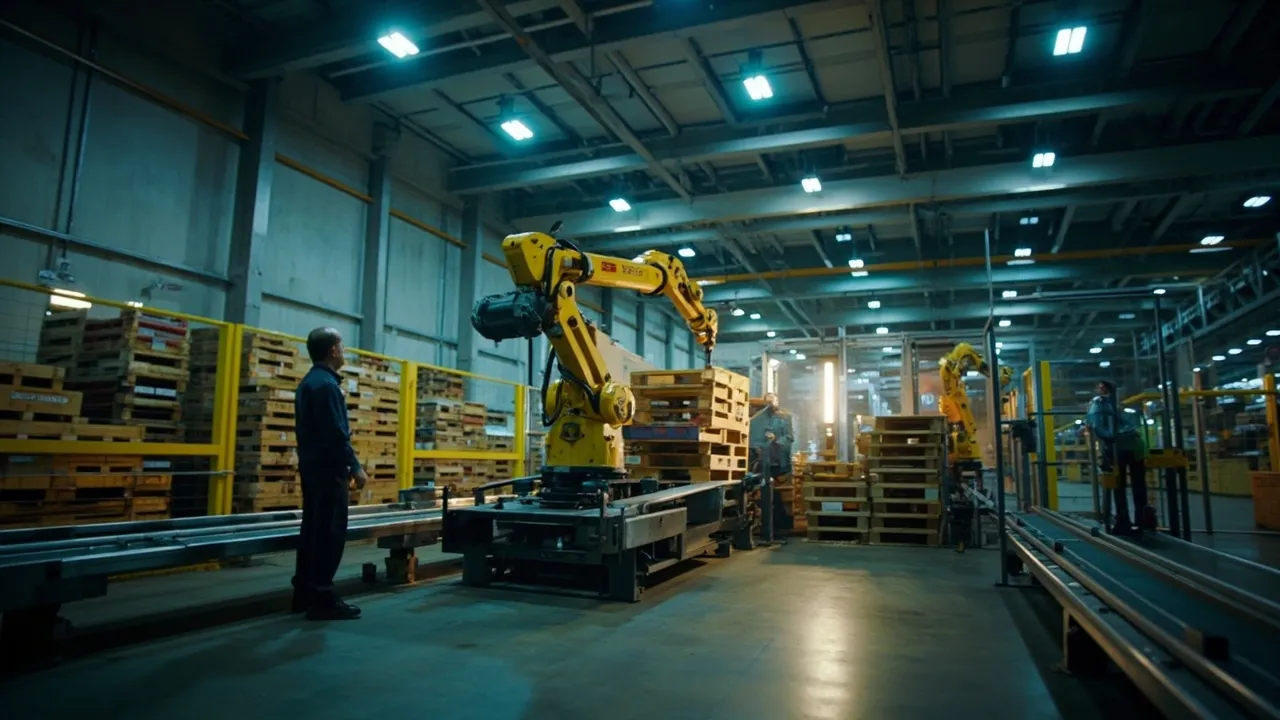
Warehouse operators do not have a robotics shortage in 2026. They have an execution shortage.
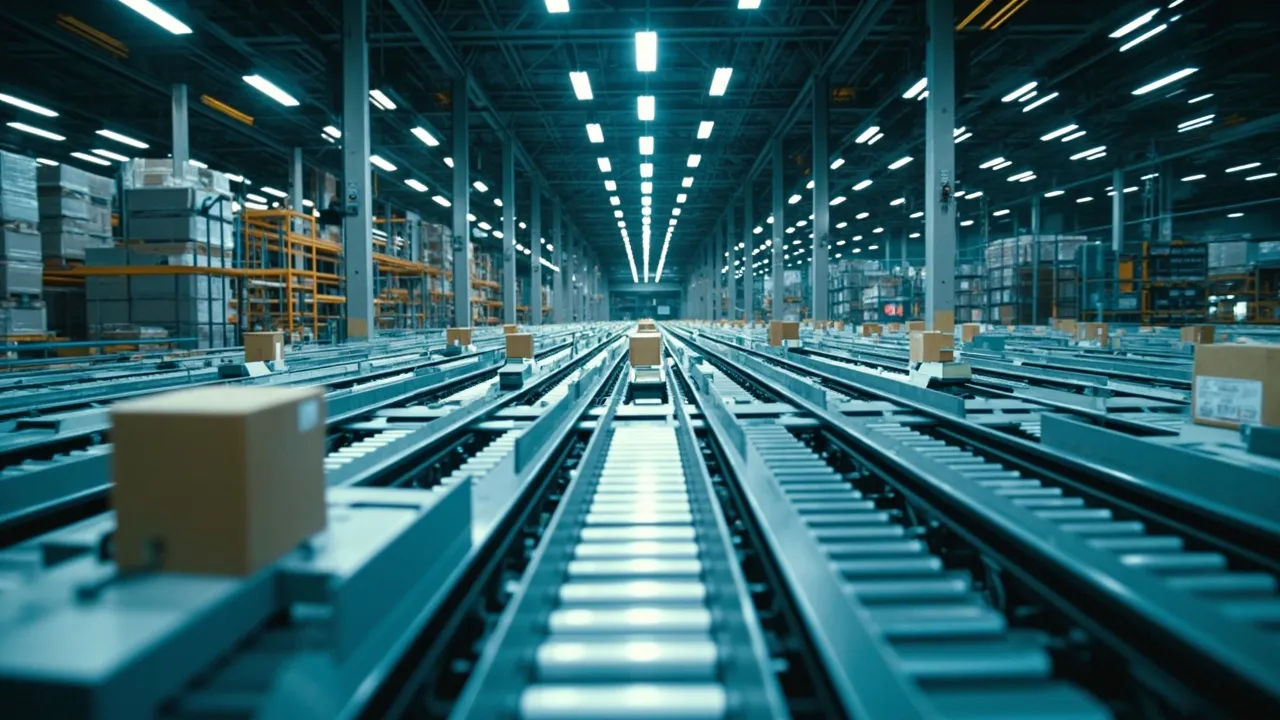
That is the uncomfortable truth sitting underneath the latest automation headlines. The market is full of capable autonomous mobile robots, robotic picking arms, sortation systems, conveyors, and AS/RS platforms. What is missing in many facilities is not hardware access, but the management discipline required to redesign workflows, train teams, and run automation as an operating model instead of a one-time capital project.
That distinction matters because investment is still climbing. According to Modern Materials Handling's 2026 Automation Study, global organizations invested about $21 billion in warehouse automation in 2023, and that figure is projected to exceed $90 billion by 2033, a 329% increase over ten years. The appetite for automation is clearly there. The harder question is whether warehouses are actually prepared to absorb it.
A second MMH analysis makes the point even more bluntly. In a review of warehouse robotics adoption trends, MMH noted that a 2025 DHL Supply Chain survey found 44% of participants had already deployed warehouse robotics, yet only 34% of VP- and director-level executives were fully satisfied with the results. That gap is the story. Warehouses are buying automation faster than many leaders are learning how to operationalize it.
The bottleneck has shifted from buying robots to managing change
For years, the industry treated robotics as a sourcing and budget problem. If costs came down and technology matured, adoption would naturally follow. That theory aged badly.
Today, many warehouses can justify the business case for robotics. Labor remains tight, throughput targets remain brutal, and customers still expect faster fulfillment with fewer errors. What stalls projects now is everything around the robot: process redesign, KPI alignment, maintenance planning, workforce buy-in, cybersecurity, exception handling, and integration with the rest of the operation.
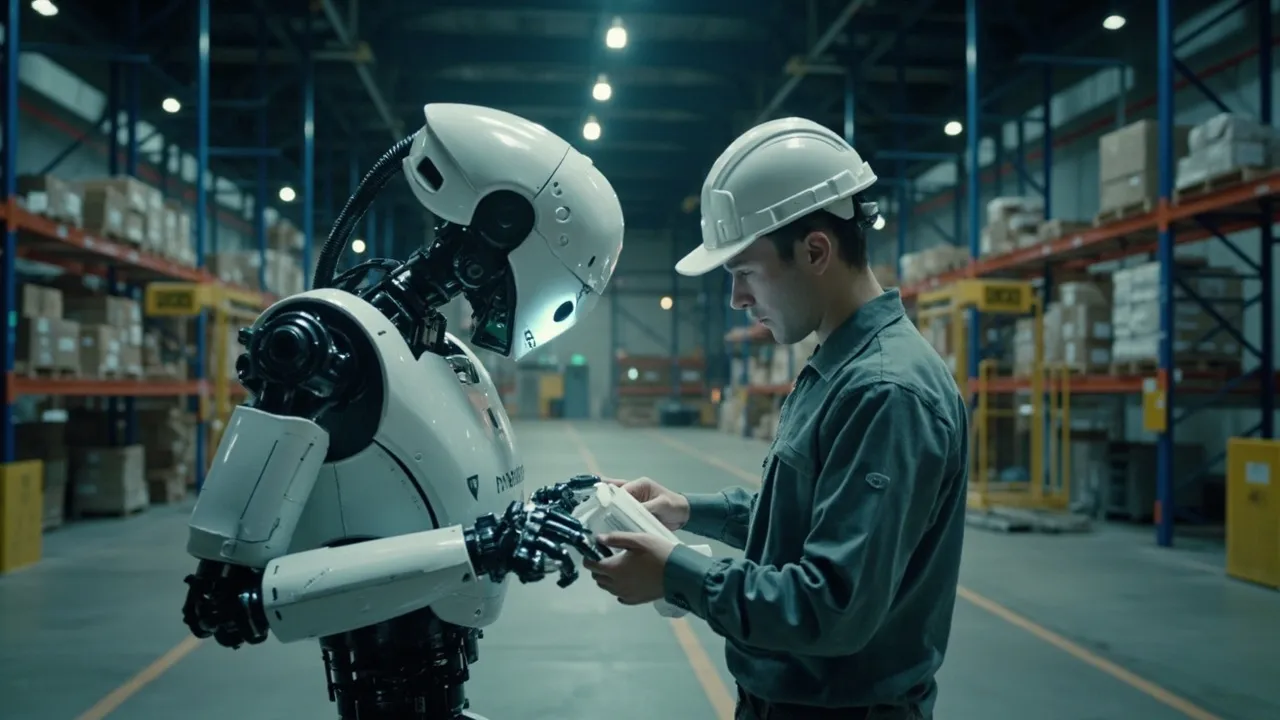
MMH highlighted Gartner's prediction that by 2030, 80% of humans in warehouses will engage with smart robots daily, and one in 20 supply chain managers will manage robots rather than humans. If that forecast is even directionally right, the warehouse manager role is changing faster than many companies admit. Leaders are being pushed beyond labor scheduling and slotting discipline into data analysis, digital system stewardship, and cross-functional change management.
That is not a side issue. It is the job now.
Why adoption fails even when the technology works
Most disappointing robotics projects do not fail because the machine cannot move a tote or pick a case. They fail because the workflow around the machine was never designed to support it.
A robot can be technically sound and still deliver mediocre business results if upstream replenishment is inconsistent, slotting logic is outdated, WMS rules are messy, or frontline supervisors do not know how to respond when exceptions spike. In those environments, automation exposes operational sloppiness instead of fixing it.
The workforce piece is just as critical. Inbound Logistics argues in its analysis of building an automation-ready warehouse workforce that resilience now depends less on whether a facility owns automation and more on whether employees can operate, monitor, troubleshoot, and maintain increasingly complex systems. It also makes a point too many operators learn the hard way: the cost of automation downtime can exceed the labor savings that justified the investment in the first place.
That should reset the conversation. If downtime economics can erase expected savings, then robotics readiness is not just an HR concern or a training budget line. It is an ROI issue.
The warehouse manager skill set is changing fast
The classic warehouse leadership profile, strong on labor discipline and shipping urgency, still matters. But it is incomplete.
Warehouse leaders now need working literacy in at least four areas:
- Data analysis. Managers have to read robot utilization, exception rates, downtime patterns, and process bottlenecks without waiting for an analyst to translate the story.
- Cybersecurity hygiene. Connected robotics systems add operational risk through software, integrations, remote access, and device management. Basic cyber discipline is now part of uptime.
- Cross-functional change management. Robotics projects touch operations, IT, engineering, finance, and labor. Someone has to align them before rollout chaos starts.
- Continuous process redesign. Automation is not plug-and-play. Facilities need leaders who can adjust pick paths, replenishment logic, staffing models, and escalation rules as conditions change.
MMH's 2026 Automation Study reinforces why this matters. Its survey of 120-plus participants found the average operation represented was 137,054 square feet, with average employment rising to 1,095 people from 862 in the prior year. These are not tiny pilot environments. They are real operating footprints where small workflow mismatches can scale into expensive daily friction.
A better 2026 playbook for robotics readiness
Operators evaluating robotics this year should stop asking only, "Which system should we buy?" The sharper question is, "What must change in our operation for this system to work as promised?"
A practical readiness review should cover:
- Process fit: Which workflows are stable enough to automate, and which are still too chaotic?
- Exception design: What happens when a robot stops, inventory is wrong, or priorities shift mid-shift?
- Manager readiness: Do supervisors know how to interpret system data and coach around it?
- Workforce training: Who can troubleshoot first-level issues without waiting for a vendor tech?
- Integration discipline: Are WMS, ERP, and execution rules clean enough to support the automation layer?
- Security basics: Are connected systems governed like operational technology, not random add-ons?
The best automation programs are increasingly phased, not theatrical. They start with one painful workflow, define success clearly, build operator confidence, and expand only after process discipline catches up. That is less glamorous than buying a fleet of robots for the facility tour. It is also far more likely to work.
The real competitive edge is operational maturity
Warehouse robotics still matter. A lot. But in 2026, the differentiator is no longer who bought the most advanced machine. It is who built the management system, workforce capability, and operational habits to extract value from it over time.
That is why the real bottleneck is change management. Hardware keeps improving. The hard part is getting people, processes, and systems to improve with it.
For freight forwarders, 3PLs, and warehouse operators, this is exactly where a modern TMS and logistics operating stack helps. Better visibility, cleaner workflows, stronger exception handling, and tighter process control make automation investments easier to scale instead of harder to survive.
If your team is rethinking warehouse execution and the systems behind it, book a CXTMS demo and see how smarter logistics software can support automation readiness from day one.