Software-Defined Automation Arrives at Automation World 2026: Why the Hardware-to-Software Shift Is the Next Warehouse Revolution


From March 4–6, 2026, over 70,000 attendees descended on COEX in Seoul, South Korea for Automation World 2026—the industry's premier showcase for manufacturing and logistics automation. But this year's event wasn't dominated by the usual parade of new robotic hardware. Instead, the loudest signal from AW 2026 was about what runs on top of the hardware: Software-Defined Automation (SDA), a paradigm where software orchestration layers—not physical equipment—determine how warehouses operate, adapt, and scale.
For logistics operators who've spent the last decade investing in conveyor systems, autonomous mobile robots (AMRs), and automated storage and retrieval systems (AS/RS), the SDA shift doesn't mean those investments are obsolete. It means they're about to become dramatically more valuable—if the right software sits on top of them.
What Software-Defined Automation Actually Means
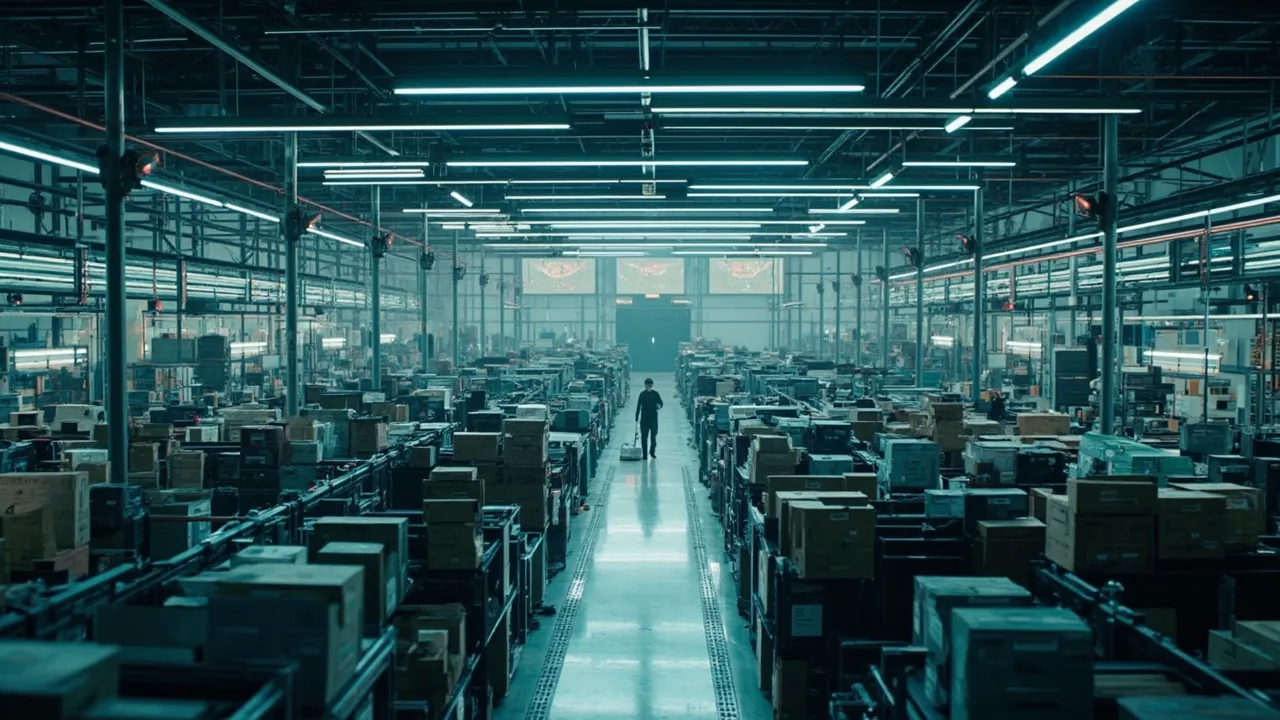
Traditional warehouse automation is hardware-centric. Each system—whether it's a goods-to-person shuttle, a palletizing robot, or a fleet of AMRs—runs its own proprietary control software. Integrating these systems requires custom middleware, and changing workflows often means reprogramming or physically reconfiguring equipment.
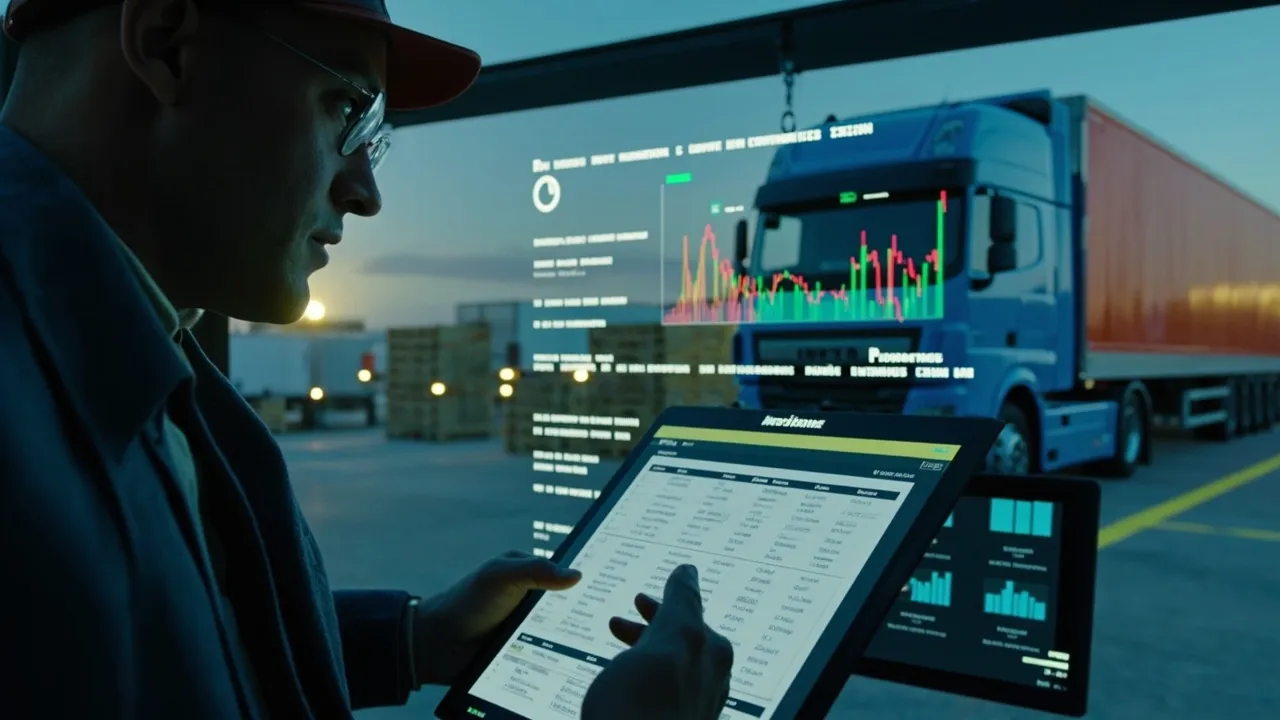
SDA flips this model. As DIGITIMES reported from AW 2026, the event served as a global stage for the transition toward physical AI and Software-Defined Automation, where hardware-agnostic software platforms act as centralized orchestration layers capable of managing automation workloads across multiple systems and sites simultaneously.
Think of it like the shift from dedicated phone hardware to smartphones: the physical device matters, but it's the software layer that defines what it can do. In a software-defined warehouse, the same orchestration platform can direct AMRs from one vendor, conveyors from another, and robotic arms from a third—reprogramming workflows in real time without touching a single piece of equipment.
The Market Is Already Moving Fast
The numbers behind SDA's momentum are striking. The global Software-Defined Automation market reached $46.63 billion in 2025 and is projected to grow to $54.09 billion in 2026—a 16.0% compound annual growth rate—with software platforms commanding a 48% market share as centralized orchestration layers, according to industry research from The Business Research Company. Looking further out, the SDA market is forecast to reach $112.5 billion by 2036 as industrial AI and edge computing reshape factory and warehouse control systems.
This growth sits within the broader warehouse automation expansion. The global warehouse automation market is projected to surge from $23.83 billion in 2025 to $56.13 billion by 2031 at a 15.35% CAGR, with approximately 4.7 million warehouse robots now installed across more than 50,000 warehouses globally. But the critical insight is where the value is shifting: from the robots themselves to the software that orchestrates them.
Why Demographics and Volatility Demand Flexible Automation
The timing of SDA's emergence isn't coincidental. Two structural forces are driving the shift.
First, the global warehouse labor shortage isn't getting better—it's getting worse. MHI's Top Supply Chain Trends for 2026 ranks the workforce and talent gap as the number-one issue facing supply chains this year, noting that "as AI and automation scales, the demand for tech-savvy supply chain professionals is surging." Companies can't hire fast enough, so they need automation that deploys faster and requires fewer specialized operators.
Second, supply chain volatility has made rigid automation a liability. When demand patterns shift overnight—as they did during tariff escalations, pandemic disruptions, and geopolitical realignments—warehouses locked into fixed automation workflows can't adapt. SDA solves this by making automation reconfigurable through software updates rather than physical overhauls.
As MHI CEO John Paxton noted in the 2026 trends report: "2026 marks a turning point where supply chains are not just reacting to disruption—they're anticipating it."
SDA vs. Traditional Automation: Reprogram, Don't Replace
The economics of the SDA shift are compelling for logistics operators evaluating their next automation investment.
Traditional automation requires significant capital expenditure on purpose-built systems, vendor-specific integration projects that can take 12–18 months, and limited flexibility once installed. Changing a workflow often means calling the integrator back and paying for a reconfiguration project.
Software-defined automation decouples the control logic from the hardware. This delivers several advantages:
- Lower switching costs: Warehouse operators aren't locked into a single equipment vendor's ecosystem. If a better AMR comes to market, the orchestration layer can incorporate it without ripping out existing infrastructure.
- Faster deployment: Software updates can reprogram warehouse workflows in hours rather than months.
- Vendor-agnostic flexibility: A single orchestration platform can manage a heterogeneous fleet of robots, conveyors, and sorting systems from multiple manufacturers.
- Edge AI integration: SDA platforms can embed machine learning models that continuously optimize picking routes, slotting strategies, and labor allocation based on real-time throughput data.
Modern Materials Handling's 2026 Outlook Survey confirms this trajectory, reporting increased spending planned for robotics, AMRs, WMS, WCS, and—critically—other automation software, signaling that the industry recognizes orchestration as the multiplier on hardware investments.
Physical AI: Where Embodied Intelligence Meets Software Infrastructure
One of AW 2026's most forward-looking themes was Physical AI—the convergence of embodied robotic intelligence with software-defined infrastructure. Hyundai Glovis demonstrated a physical AI-based logistics automation and integrated equipment control system, while Boston Dynamics showcased its Atlas humanoid robot to Korean audiences.
The significance for warehouse operators is clear: as robots become more capable of autonomous perception and decision-making, the software layer that coordinates them becomes even more critical. A warehouse with 50 intelligent AMRs needs an orchestration layer that can manage task allocation, traffic control, exception handling, and cross-system coordination in real time. Without SDA, that complexity becomes unmanageable.
What This Means for Logistics Operators in 2026
For shippers and 3PLs evaluating automation investments, AW 2026's SDA showcase offers a clear strategic message: invest in orchestration, not just equipment.
The warehouses that will outperform over the next five years won't be the ones with the most robots—they'll be the ones with the smartest software layers coordinating those robots. The shift from hardware-defined to software-defined automation is following the same trajectory that transformed data centers, telecommunications, and enterprise IT: the platform layer captures the majority of the value.
Practically, this means logistics operators should:
- Evaluate automation vendors on software openness, not just hardware specs. Ask whether their systems support open APIs and standard orchestration protocols.
- Prioritize Warehouse Execution Systems (WES) that can manage multi-vendor robot fleets and integrate with existing WMS infrastructure.
- Plan for iterative deployment rather than big-bang automation projects. SDA enables phased rollouts where software capabilities expand alongside hardware additions.
How CXTMS Supports Software-Defined Warehouse Optimization
As warehouse automation shifts from hardware-centric to software-defined, the transportation and logistics systems surrounding those warehouses need to keep pace. CXTMS's optimization platform connects upstream freight operations with warehouse execution—ensuring that inbound shipment timing, carrier selection, and load planning align with the dynamic throughput capabilities of software-defined facilities.
Whether your warehouses run traditional automation or are transitioning to SDA orchestration, CXTMS provides the visibility and coordination layer that keeps freight flowing efficiently to and from your most critical nodes.
Ready to align your transportation strategy with the next generation of warehouse automation? Request a CXTMS demo today and see how intelligent freight optimization connects to your evolving warehouse operations.