Dock-to-Door Freight Is Here: How RXO's Middle Mile Solutions Signal the End of Fragmented Supply Chain Networks

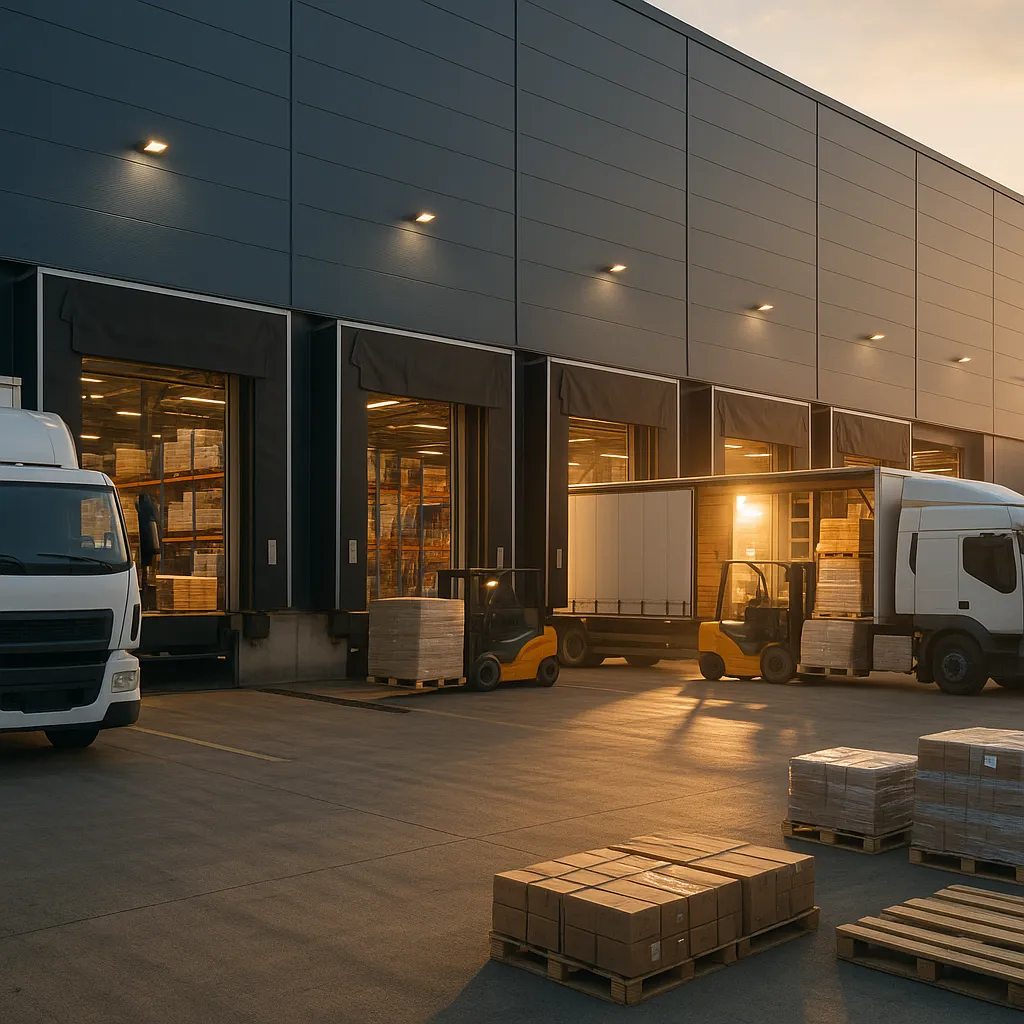
The middle mile has long been the forgotten orphan of supply chain logistics. While first-mile pickup and last-mile delivery have attracted billions in investment and innovation, the critical stretch between origin and destination — moving freight from factories to distribution centers, from pool points to regional hubs — has remained stubbornly fragmented.
That changed on February 25, 2026, when RXO launched Middle Mile Solutions, a comprehensive service that connects the first, middle, and last miles of the supply chain into a single, integrated "dock-to-door" network. The move signals a fundamental shift in how shippers think about freight management — and it puts fragmented, multi-vendor supply chain models on notice.
What RXO's Middle Mile Solutions Actually Delivers
"Supply chains are often fragmented, leaving shippers to manage tedious manual processes and disconnected providers," said Demetri Venetis, president of freight forwarding at RXO. "With Middle Mile Solutions, we're closing the loop."
The service leverages RXO's massive carrier network and national hub infrastructure to offer shippers a single source of control across the entire freight journey. Key capabilities include:
- Dry van service moving freight in bulk from pool points to distribution centers and warehouses
- Value-added services including warehousing, transloading, kitting, assembly, and pick-and-pack
- Specialized delivery and reverse logistics capabilities
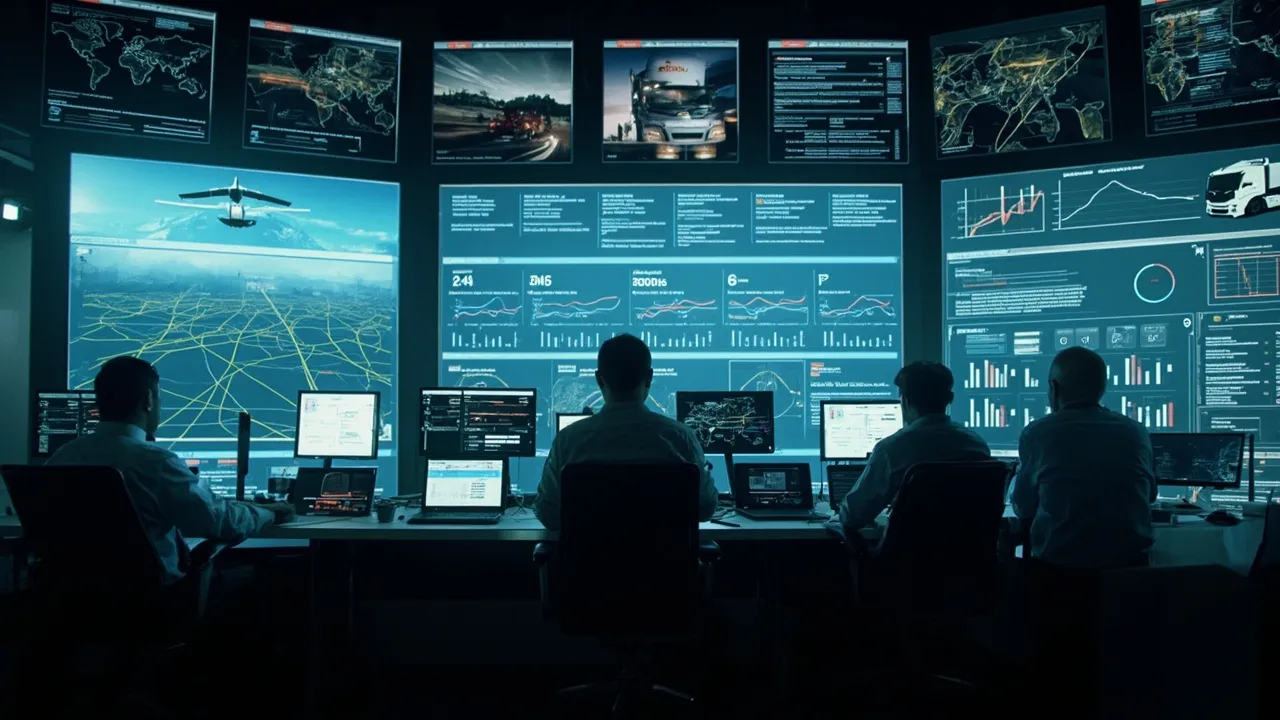
- End-to-end visibility through RXO Connect, with automated notifications and weather alerts
Instead of juggling three to five separate providers for different legs of a shipment, shippers get one contract, one platform, and one point of accountability. According to FreightWaves, the service is designed to improve inventory positioning without requiring shippers to invest in their own infrastructure.
The $109 Billion Problem: Why Fragmentation Costs Shippers Dearly
The global middle mile logistics market is valued at approximately $109.69 billion in 2026 and is projected to reach $175.89 billion by 2032, growing at an 8% CAGR, according to Research and Markets. Yet despite its massive scale, the middle mile remains one of the most operationally inefficient segments in logistics.
Here's why fragmentation is so expensive:
Multiple vendor management. The average mid-market shipper uses between four and seven providers to move freight from origin to final destination. Each handoff introduces potential for miscommunication, data gaps, and delays.
Visibility black holes. When freight moves between disconnected providers, real-time tracking often disappears during the middle mile — precisely when shippers need it most. A 2026 Supply Chain Dive analysis highlighted that controlling logistics costs has become "more complex, more fragmented, and harder to predict" as accessorials and service modifiers compound over time.
Damage and claims. Every handoff between providers increases the risk of freight damage. With multiple parties involved, determining liability becomes a costly exercise in finger-pointing. RXO's Venetis noted that their integrated approach can "reduce damage rates, cut transit times, and ultimately deliver a superior experience for the end consumer."
Hidden cost compounding. FreightWaves' 2026 Logistics Outlook found that parcel and freight spend is increasingly driven not by base rates, but by "dimensional thresholds, accessorials, service modifiers, and evolving contract logic" that quietly compound over time. Fragmented networks make these hidden costs nearly impossible to track.
The Competitive Landscape: Integration Is the New Battleground
RXO's move reflects a broader industry trend. The freight brokerage market is evolving from pure transactional matchmaking toward integrated logistics orchestration. Shippers no longer want a broker who simply finds a truck — they want a partner who owns the entire workflow.
This shift is driven by several forces:
- E-commerce demand patterns requiring faster, more predictable middle mile performance between fulfillment centers and regional distribution points
- Rising supply chain disruptions — from the 2024 Red Sea crisis to the ongoing 2026 Strait of Hormuz situation — that expose the fragility of loosely connected provider networks
- Technology maturation enabling real-time orchestration across multiple legs and modes from a single platform
The winners in this new landscape will be providers who can combine physical network density with digital visibility — exactly the formula RXO is betting on with Middle Mile Solutions.
What This Means for Shippers: Five Strategic Takeaways
1. Audit your middle mile vendors. If you're using three or more providers between origin and final destination, you're likely paying a fragmentation tax of 15–25% in hidden costs, delays, and damage claims.
2. Demand end-to-end visibility. The days of accepting tracking blackouts during the middle mile are over. Any provider who can't offer continuous visibility across all legs should be reconsidered.
3. Consolidate where it makes sense. Single-source solutions reduce administrative overhead, simplify claims management, and create clearer accountability. But avoid over-concentration with any one provider — resilience matters too.
4. Evaluate total landed cost, not just line-haul rates. Fragmented networks hide costs in accessorials, re-handling fees, and damage claims. An integrated solution may have a higher per-mile rate but a lower total cost of ownership.
5. Invest in platform connectivity. Whether you choose an integrated provider or manage multiple vendors, your TMS needs to connect every leg of the journey into a single operational view.
How CXTMS Connects Every Mile
At CXTMS, we've built our platform around the principle that supply chain visibility shouldn't stop at arbitrary provider boundaries. Our unified orchestration engine connects first, middle, and last mile operations — whether you use a single integrated provider like RXO's Middle Mile Solutions or manage a multi-vendor network.
With CXTMS, shippers get:
- Single-pane visibility across all legs, carriers, and modes
- Automated handoff management that eliminates the data gaps between providers
- Total cost analytics that surface hidden accessorials and fragmentation costs
- Multi-scenario routing that optimizes across the entire dock-to-door journey, not just individual legs
The middle mile is no longer the forgotten segment of your supply chain. It's the competitive battleground where integrated operations win.
Ready to eliminate middle mile blind spots? Request a CXTMS demo and see how unified freight orchestration transforms your dock-to-door operations.