Rite-Hite Acquires Johnson Equipment: How Dock Equipment Consolidation Signals the Next Wave of Warehouse Infrastructure Modernization


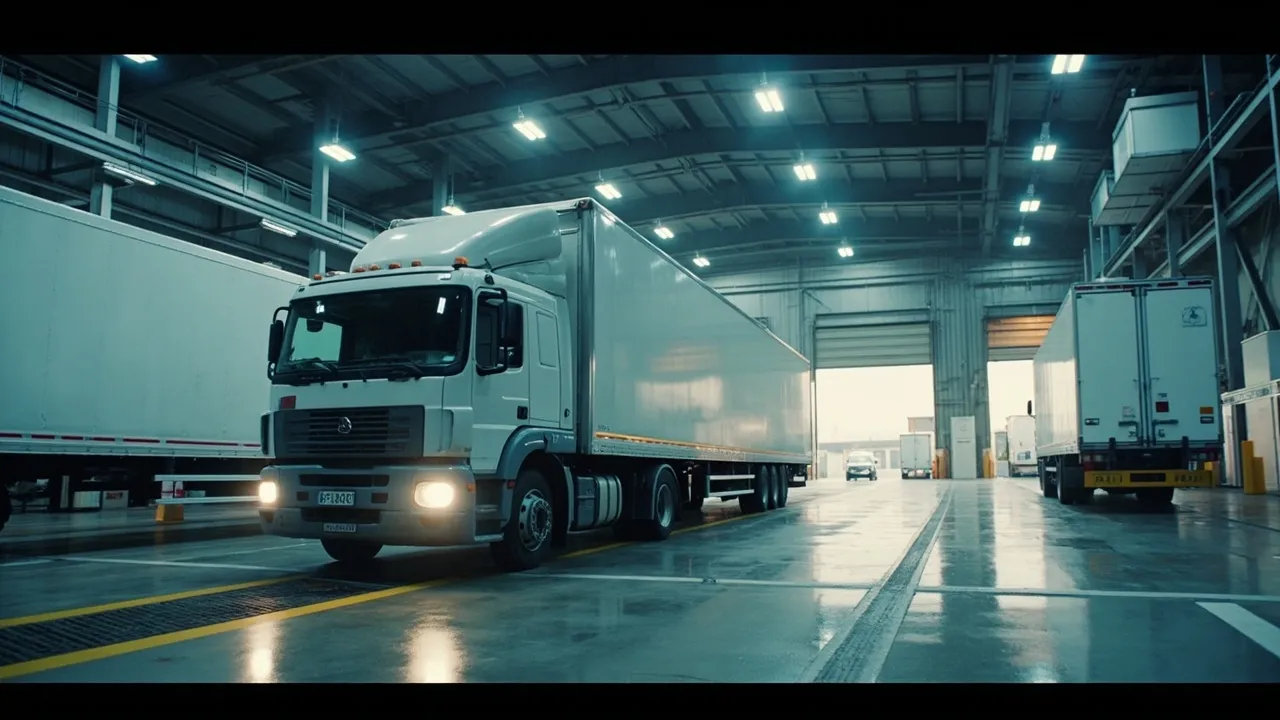
While the logistics industry obsesses over autonomous mobile robots and AI-powered warehouse management systems, a quieter revolution is unfolding at the most critical — and most overlooked — chokepoint in the supply chain: the loading dock.
On March 30, 2026, Milwaukee-based Rite-Hite Holding Corporation announced its acquisition of Johnson Equipment Company, a Dallas-headquartered distributor with approximately 300 employees across 15 regional offices spanning Texas, Arkansas, Tennessee, Oklahoma, Louisiana, and Mexico. The deal, one of Rite-Hite's largest acquisitions to date, signals a decisive consolidation move in an industry segment that quietly underpins every pallet, parcel, and container flowing through the modern supply chain.
The Deal: Scale Meets Regional Reach
Johnson Equipment Company has been a long-standing Rite-Hite distribution partner, servicing customers across six U.S. states and Mexico with installation, maintenance, and service for loading dock equipment, industrial doors, and safety systems. By bringing Johnson's operations in-house, Rite-Hite — already recognized as the world leader in the manufacture and sale of loading dock equipment — gains direct control over a critical distribution corridor across the South Central United States and into Mexico.
This isn't merely a revenue play. With an estimated revenue base of nearly $600 million and roughly 1,800 employees prior to the acquisition, Rite-Hite is consolidating its distribution network to deliver faster service response times, tighter quality control, and deeper integration of its increasingly technology-driven product portfolio. The move mirrors a broader pattern seen across industrial equipment sectors: manufacturers absorbing their dealer networks to own the full customer lifecycle.
The Overlooked Dock Equipment Bottleneck
Ask any logistics manager where their warehouse throughput breaks down, and most will point to labor shortages or software limitations. Few will mention the loading dock — yet the data tells a different story.
According to OSHA, 25% of all warehouse accidents occur at the loading dock, making it the single most dangerous zone in any distribution center. For every loading dock injury, OSHA data indicates approximately 600 near-misses, highlighting an extraordinary hazard density that directly impacts worker retention, insurance costs, and operational continuity.
The loading dock equipment market reflects this urgency. Valued at approximately $670 million in 2023, the global loading dock equipment market is projected to reach $935 million by 2030, growing at a compound annual growth rate of 5.73%, according to Verified Market Reports. Other market analyses project the sector could surpass $1.3 billion by 2033 as warehouse operators accelerate infrastructure modernization.
As of early 2024, over 39% of warehouses globally had upgraded or retrofitted their loading docks to meet current safety and efficiency standards, while 51% of manufacturing facilities in Europe invested in advanced loading bay technology to reduce turnaround times and minimize accidents. That still leaves a significant majority of facilities operating with aging, disconnected dock infrastructure.
Smart Dock Technology: From Mechanical to Intelligent
The loading dock of 2026 bears little resemblance to its predecessor. As Modern Materials Handling reported in its dock equipment evolution feature, the industry has shifted dramatically toward systems built for labor efficiency, automation, and data integration.
"The evolution over the course of the last five to 10 years has been a huge focus on how to make those systems efficient for the loading dock, and how to make sure that we're also making those mechanical systems last as long as our customers want them to," said Mike Shelton, business development manager at Rite-Hite, in the report.
Today's smart dock infrastructure includes:
- IoT-connected dock levelers that report usage patterns, maintenance needs, and energy consumption in real time
- Automated vehicle restraints that lock trailers in place before dock doors open, eliminating the risk of premature departure — one of the most dangerous loading dock scenarios
- High-speed industrial doors with self-repair capabilities that minimize downtime from impact damage and reduce energy loss on temperature-controlled docks
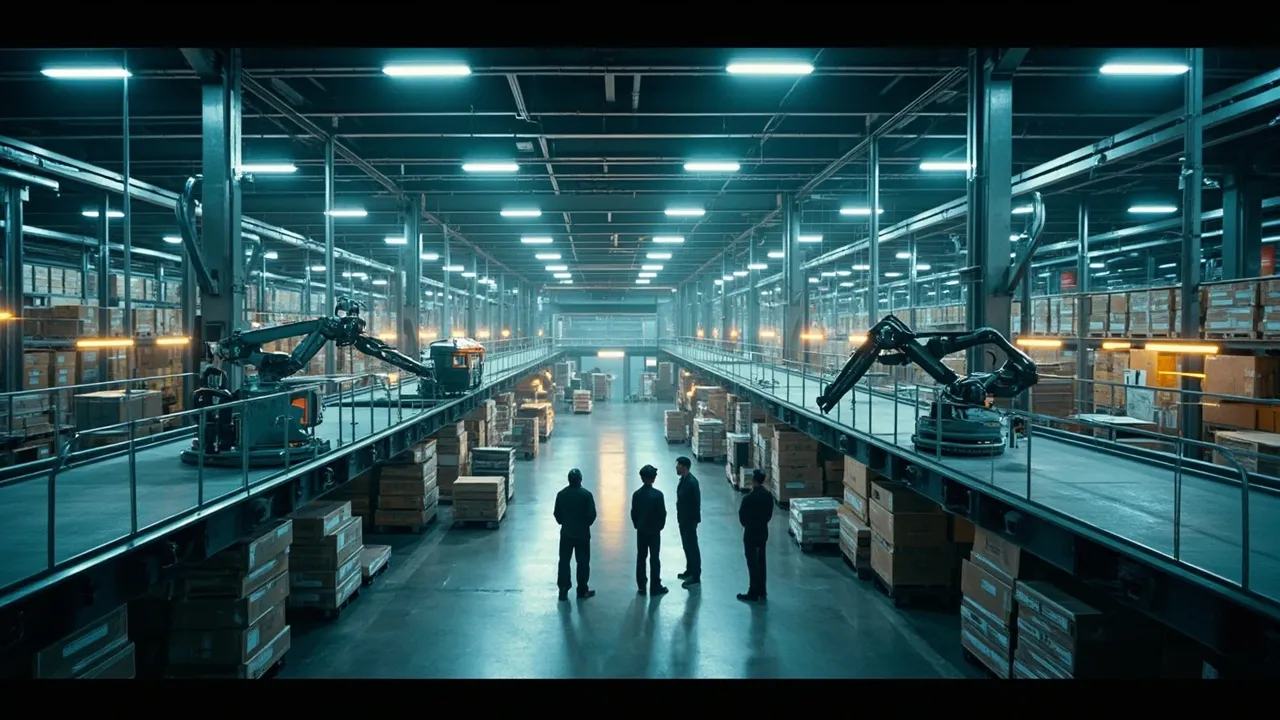
- AI-powered trailer unloading robots capable of handling 400 to 1,500 cases per hour, compared to the typical human rate of 50 to 300 cases per hour
The last point represents a paradigm shift. Companies like Pickle Robot are deploying AI-driven systems that address what has been a 30-year holy grail in warehousing: automating the physically punishing work of trailer loading and unloading. As the Modern Materials Handling report noted, worker tenure on loading dock unloading crews at major retailers has historically been measured in days, not months — with crews losing half their workers by the first break due to extreme physical demands.
Why This Acquisition Matters for Shippers
Rite-Hite's consolidation of Johnson Equipment isn't just an industry M&A story — it has direct implications for anyone shipping freight through third-party logistics providers or operating their own distribution facilities.
Service response acceleration. By owning rather than partnering with regional distributors, Rite-Hite can deploy technicians and replacement parts faster. For facilities where a single dock door outage can cascade into hours of trailer queue delays, faster service directly translates to reduced detention costs and improved appointment compliance.
Technology integration depth. As dock equipment becomes increasingly connected — feeding data into warehouse execution systems, yard management platforms, and transportation management systems — having a single manufacturer control the full stack from product design through installation and maintenance reduces integration friction.
Standardization across networks. Shippers operating multiple DCs or working with 3PLs across different regions benefit when dock infrastructure is standardized. Consistent equipment means consistent training, consistent maintenance protocols, and predictable performance metrics across the network.
What Shippers Should Audit in 3PL Dock Infrastructure
The Rite-Hite/Johnson Equipment deal is a signal that dock infrastructure is entering a modernization cycle. For shippers evaluating 3PL partners or assessing their own facilities, dock infrastructure should be part of the due diligence checklist:
- Dock equipment age and condition. Levelers, seals, and restraints older than 10 years likely lack IoT connectivity and modern safety features.
- Maintenance response SLAs. Ask providers about their dock equipment maintenance contracts and average response times for critical repairs.
- Safety incident rates at docks. Given that a quarter of all warehouse accidents occur at the loading dock, this metric is a leading indicator of overall operational quality.
- Technology readiness. Can dock systems feed data into the facility's WMS or yard management platform? Connected docks enable real-time trailer turnaround tracking.
- Energy efficiency. Modern dock seals, high-speed doors, and HVLS (high-volume, low-speed) fans — another Rite-Hite specialty — can dramatically reduce energy costs on climate-controlled docks.
The Bottom Line
The loading dock sits at the intersection of every logistics workflow — inbound receiving, outbound shipping, cross-docking, and returns processing. Yet it remains one of the least digitized, least modernized segments of the warehouse. Rite-Hite's acquisition of Johnson Equipment signals that the industry's largest players recognize this gap and are moving to close it through consolidation, technology investment, and direct control of the customer experience.
For supply chain leaders managing complex freight networks, the dock is no longer just a place where trucks park. It's becoming an intelligent, connected node in the broader logistics ecosystem — and one that deserves the same strategic attention as the WMS, TMS, and yard management investments already on your roadmap.
Ready to connect your dock operations to the rest of your supply chain? Request a CXTMS demo to see how integrated transportation management gives you visibility from dock door to final delivery.