The 2026 Dock Operations Benchmark: What 168 Facilities Reveal About the Safety, Efficiency, and Maintenance Gaps Holding Warehouses Back

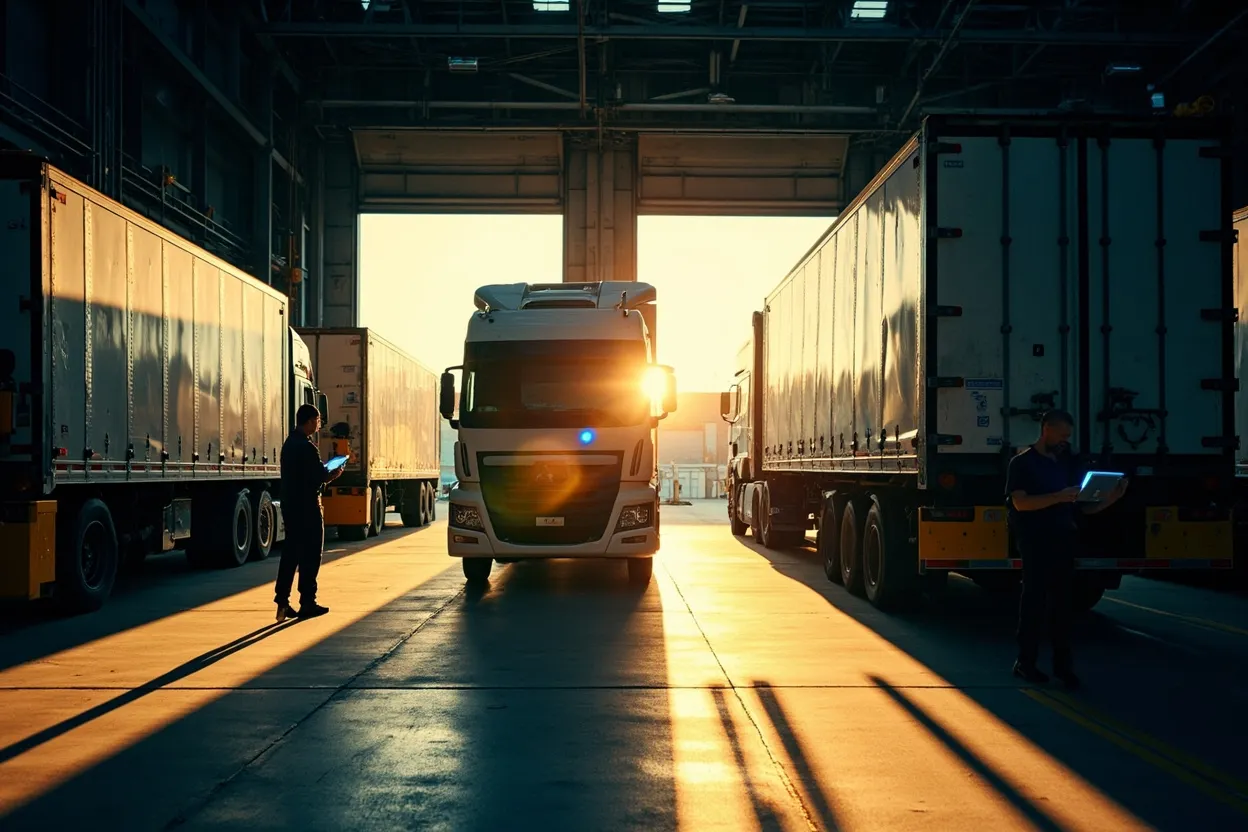
The loading dock has long been the unsung hero of warehouse operations—the critical junction where inbound and outbound freight either flows smoothly or grinds to a costly halt. Yet for most facility managers, dock performance has been managed by gut feel rather than hard data.
That changed with the release of the 2026 Dock Operations Benchmark Report, commissioned by Rite-Hite and published through Logistics Management. The report surveyed 168 facility managers, operations leaders, and safety professionals across multiple industries throughout North America to establish peer benchmarking data for dock safety, efficiency, and maintenance.
The findings paint a clear picture: most facilities know their docks are underperforming, but few have the data to quantify exactly where the gaps are—or how to close them.
The Dock Is a Safety Hotspot—and Facilities Know It
Industry data consistently shows that 25% of all warehouse accidents occur at or near the loading dock, making it the single most dangerous zone in a distribution facility. Non-fatal injuries in transportation and warehousing alone cost approximately $84 million per week, averaging $240,000 annually for each of the roughly 18,000 warehouses operating across the country.
The benchmark report drills into the specific safety challenges dock teams face daily. When asked to identify their biggest safety concern, respondents split across six key areas:
- Worker turnover and inconsistent training — 19%
- Pedestrian-forklift interactions and vehicle impact risks — 19%
- Pressure to maintain throughput while ensuring safety — 18%
- Lack of visibility into trend data — 16%
- Near misses not reported or tracked — 14%
- Equipment overrides or noncompliance with procedures — 8%
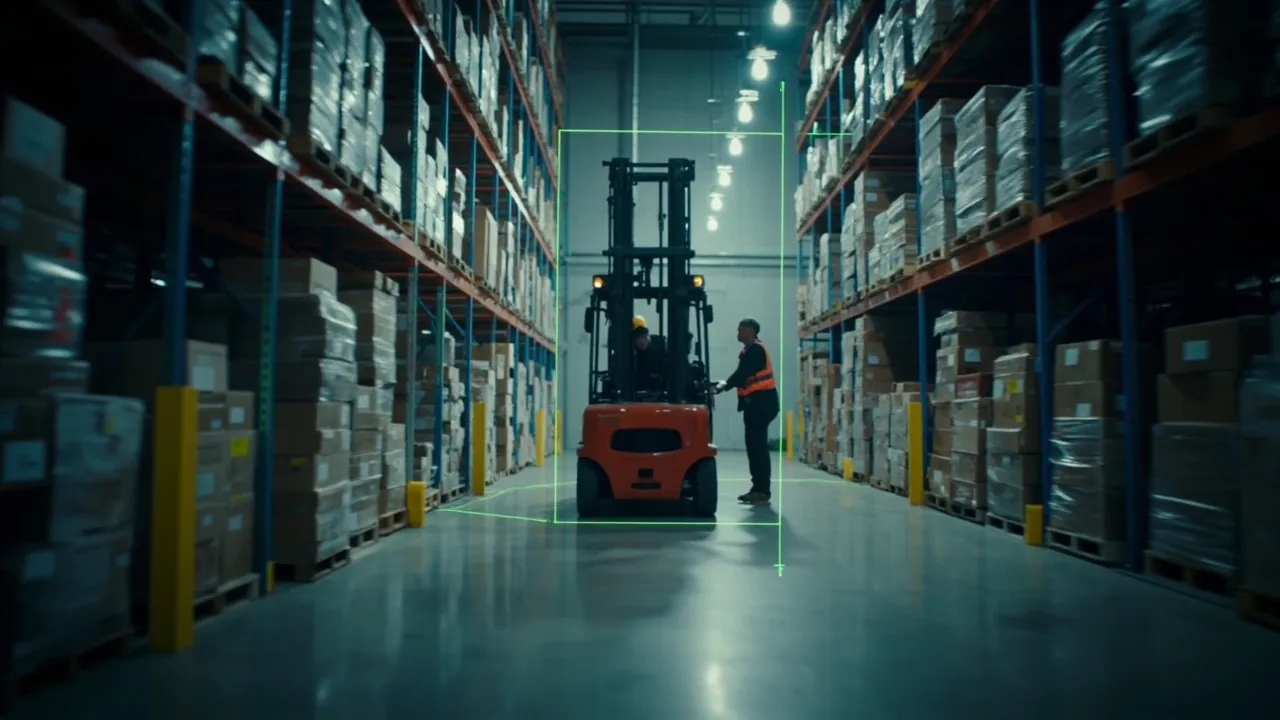
The fact that inconsistent training and pedestrian-forklift conflicts tie as the top safety challenge tells a compelling story. High turnover rates mean dock teams are constantly onboarding workers who haven't internalized safety protocols. Combine that with forklifts operating in tight dock areas—where roughly 7% of forklift accidents involve a truck going off a dock edge—and you have a recipe for serious incidents.
What Separates Top-Performing Docks from the Rest
The benchmark data reveals a clear divide between facilities that treat dock operations as a strategic priority and those that view them as an afterthought. Top-quartile performers share several common traits.
They invest in connected equipment. Digital dock management systems—like control panels with real-time monitoring, alerts, and carrier communications—give operations teams visibility across dozens or hundreds of dock doors simultaneously. When a truck is loaded and ready to depart, the system alerts dock employees instantly rather than waiting for someone to physically check.
They track near misses, not just incidents. The 14% of respondents who flagged unreported near misses as a top concern are likely among the more safety-mature organizations—they at least recognize the gap. Bottom-quartile facilities often lack any near-miss tracking system at all, which means they only learn about safety problems after injuries occur.
They resist the throughput-versus-safety tradeoff. Eighteen percent of respondents cited pressure to maintain throughput while ensuring safety as their biggest challenge. Top performers don't treat this as a binary choice. They use technology—automated dock levelers, trailer restraint systems, LED communication lights—to maintain speed without cutting safety corners.
The Maintenance Gap Is Costing More Than You Think
While the benchmark report focuses heavily on safety and efficiency, the maintenance dimension may be the most financially impactful finding for many facilities. Industry estimates suggest that a single offline loading dock costs approximately $1,700 per hour in lost productivity. Multiply that across an operation with 20, 50, or 100 dock doors, and even brief equipment failures become five- and six-figure problems.
The shift from reactive to preventive maintenance is well understood in theory but poorly executed in practice. Key maintenance benchmarks that top facilities track include:
- Dock leveler inspection frequency — quarterly at minimum, monthly for high-volume operations
- Door cycle counts and motor condition — automated monitoring flags degradation before failure
- Dock bumper replacement intervals — newer sliding-mechanism designs last significantly longer and reduce building damage
- Trailer restraint system testing — regular verification prevents the most catastrophic dock accidents (trailer creep and premature departure)
Facilities that invest in longer-lasting equipment and preventive schedules consistently report lower total cost of ownership than those running dock equipment to failure.
The Rise of Autonomous Dock Operations
One of the more forward-looking trends the benchmark data underscores is the growing intersection between dock operations and warehouse automation. As autonomous mobile robots (AMRs) and automated forklifts become more common inside facilities, the dock becomes a critical handoff point between automated and manual processes.
Forward-thinking facilities are now requesting dock equipment that can communicate directly with autonomous vehicles. In a "dark" or lights-out facility, having an employee manually operate dock levelers and restraints for two minutes per truck becomes the bottleneck in an otherwise automated operation. The next generation of connected dock systems will interface directly with AMR fleet management platforms, enabling fully automated loading and unloading sequences.
Digital Check-In Is Transforming the Driver Experience
The benchmark findings also highlight how dock operations directly impact driver satisfaction and retention—an increasingly critical factor as the trucking industry continues to navigate driver shortages. Digital check-in systems, clear gate assignments, and streamlined payment processes reduce driver wait times and frustration.
Facilities that have implemented digital dock scheduling report measurable improvements in truck turnaround times. The data is clear: drivers who experience fast, predictable dock processes are more likely to accept future loads to that facility, while chronic detention and disorganized docks drive carriers to avoid certain shippers entirely.
How to Benchmark Your Own Dock Operations
If your facility wasn't among the 168 surveyed, the report's self-assessment framework still provides a valuable starting point. Key questions to evaluate your dock performance:
-
Do you track safety metrics beyond OSHA recordables? Near-miss tracking, equipment compliance rates, and training completion by tenure are leading indicators that predict future incidents.
-
What's your average truck turnaround time—and do you know it? Many facilities can't answer this basic question. Digital dock scheduling systems capture this data automatically.
-
When was your last dock equipment audit? Not just levelers and doors, but restraints, bumpers, shelters, and lighting. Equipment age and condition directly correlate with both safety incidents and energy costs.
-
Are your dock systems connected? If your dock levelers, doors, restraints, and yard management systems operate in silos, you're missing the visibility that separates top performers from the pack.
Closing the Gap with CXTMS
Dock operations don't exist in isolation—they're the physical nexus where transportation planning meets warehouse execution. CXTMS dock scheduling intelligence connects appointment scheduling, carrier communication, and real-time dock door status into a single view, helping facilities benchmark their own turnaround times, detention costs, and throughput per door against operational targets.
Whether you're managing 4 dock doors or 400, the 2026 benchmark data makes one thing clear: the facilities that measure dock performance improve it, and those that don't are leaving safety, efficiency, and money on the table.
Ready to see how your dock operations stack up? Request a CXTMS demo and discover how integrated dock scheduling and visibility can transform your facility's performance.