Mobile Cobots Meet AI Pallet Handling: Teradyne’s New Bet on Flexible Intralogistics Automation

Warehouse automation is having a reality check.
For a while, the loudest story in intralogistics was bigger, faster, more fixed. Install the conveyor. Build the cage. Engineer the perfect repeatable path. That model still works in stable, high-volume environments, but plenty of warehouses are not stable anymore. Slotting changes faster. Labor is tighter. Product mixes are uglier. And pallet movement keeps refusing to stay neatly predictable.
That is why Teradyne Robotics’ latest hardware matters.
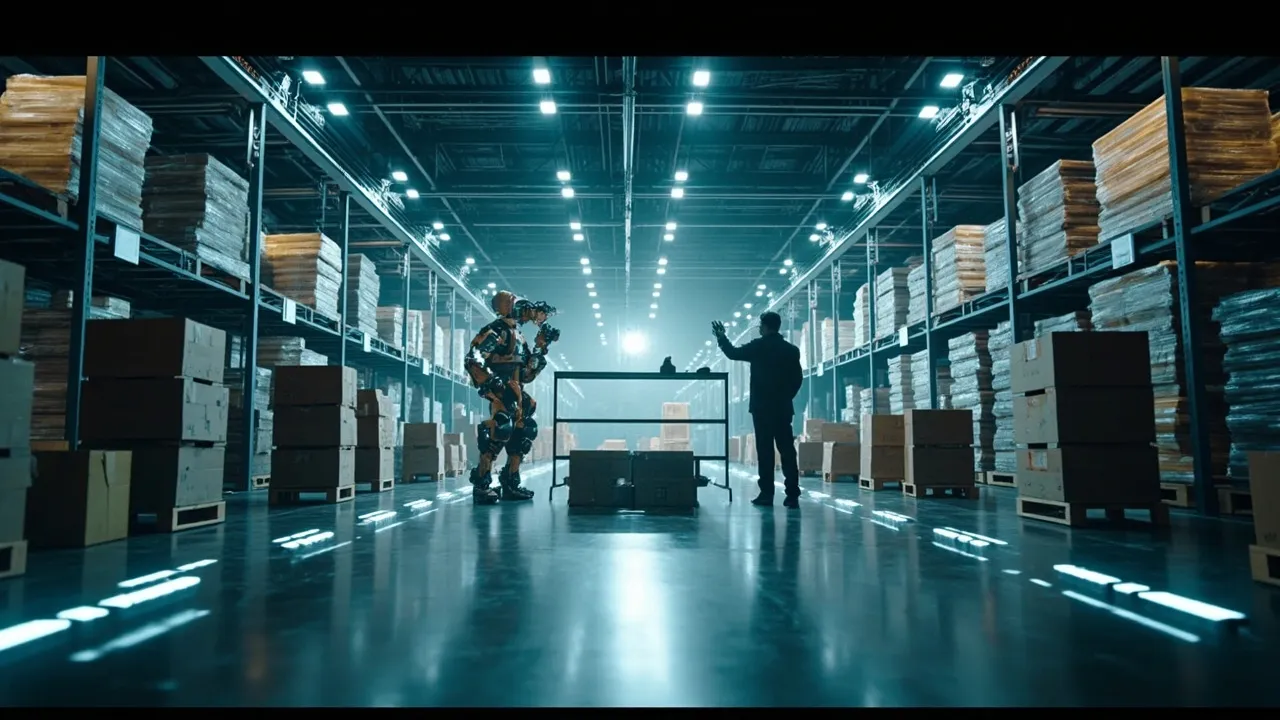
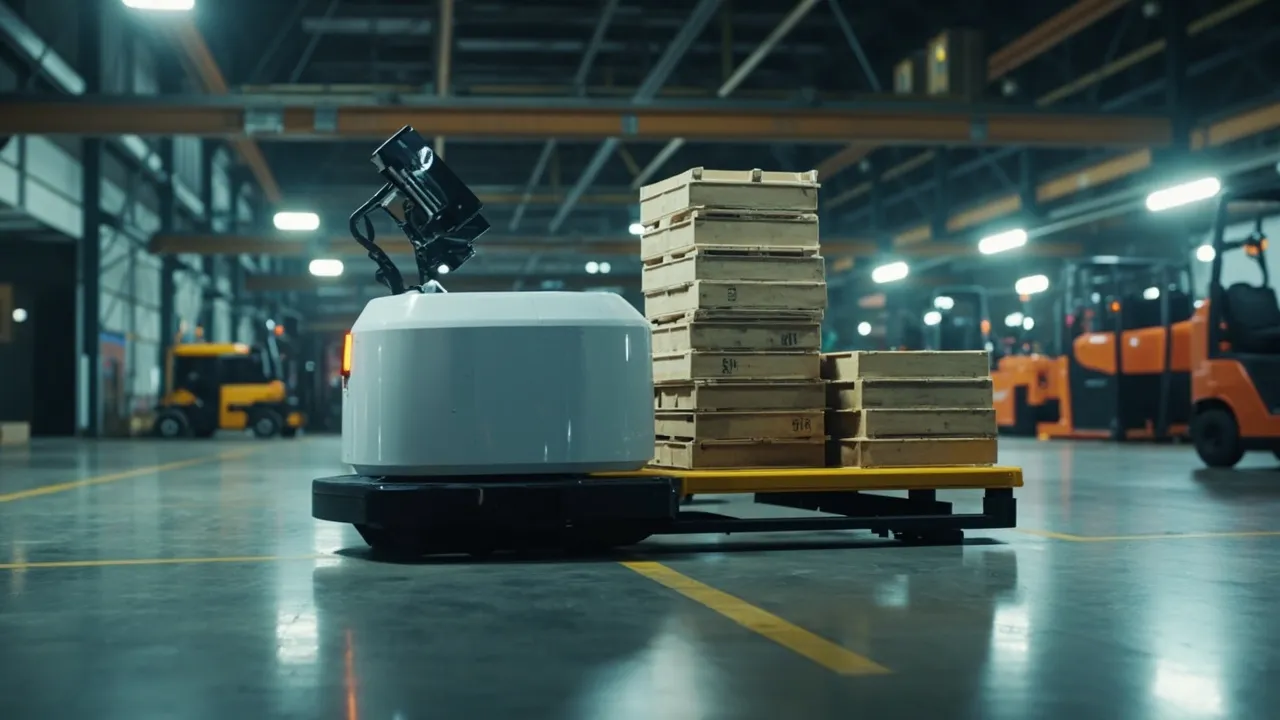
At MODEX, Teradyne used Modern Materials Handling to spotlight two systems aimed at this exact problem: the MC600 mobile cobot and the MiR1200 Pallet Jack. According to MMH, the MC600 combines autonomous mobility with a robotic arm for palletizing, box handling, and machine tending, with a payload capacity of up to 600 kilograms. The MiR1200 Pallet Jack adds AI-based pallet detection and 3D vision so it can identify, pick up, and transport pallets in complex environments without major infrastructure changes. Source: Teradyne Robotics highlights mobile cobot and AI pallet handling.
That combo tells you where warehouse automation is headed next: away from rigid islands of automation and toward mobile systems that can adapt to messy facilities.
Why flexible pallet movement is suddenly the bigger deal
Most warehouse leaders do not need another reminder that pallet moves eat time. The problem is that a shocking amount of travel, queueing, and labor still sits in the gaps between fixed systems. Materials have to get from receiving to reserve, from reserve to production, from production to staging, and from staging to outbound. The path changes. The priority changes. The floor gets crowded. A layout that looks efficient on a PowerPoint slide turns chaotic by mid-shift.
That is where fixed automation starts to lose some shine. It is brilliant when flows are stable. It is expensive and annoying when the operation changes every week.
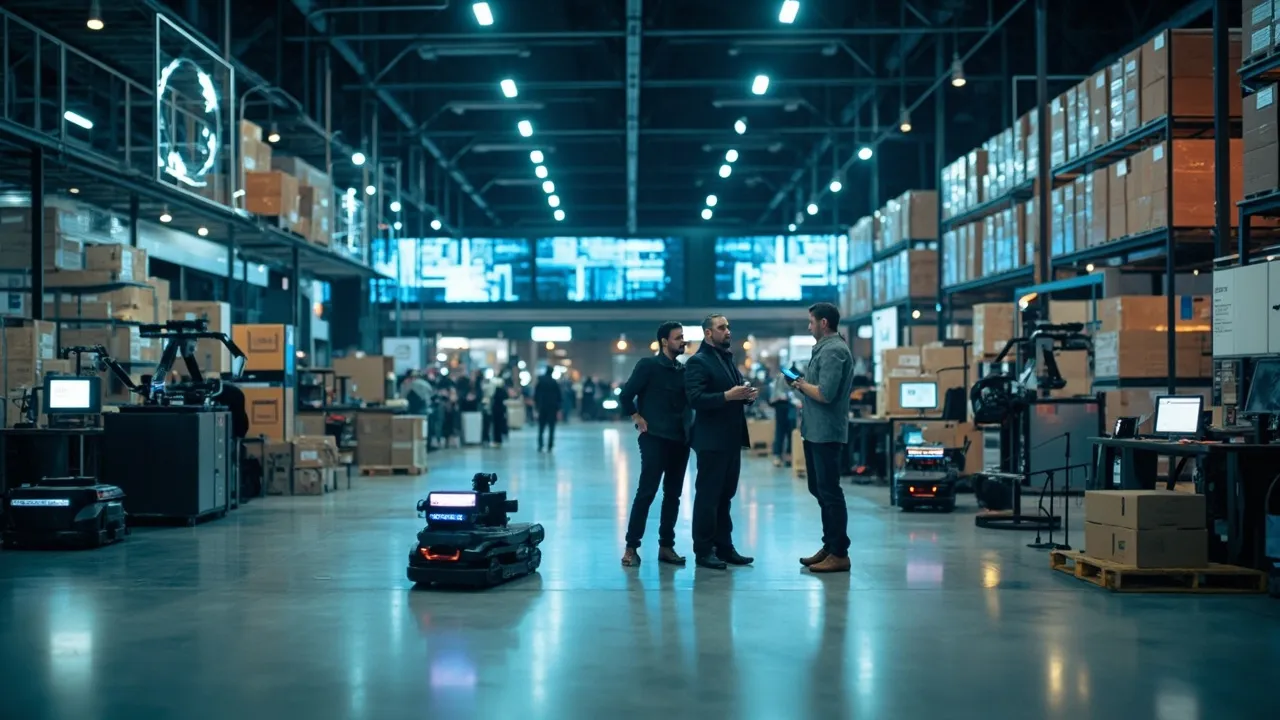
Mobile automation attacks that variability instead of pretending it does not exist. A mobile cobot can move to the work. An autonomous pallet jack can operate in existing aisles. If the process changes, the software workflow changes with it instead of forcing a facility redesign.
That is the real appeal of the MiR1200. AI pallet detection and 3D vision are not just flashy features. They are a direct answer to the ugly truth of warehouse execution: pallets are not always perfectly presented, perfectly spaced, or perfectly easy to grab. The more a robot can handle those real-world imperfections, the more useful it becomes outside a clean demo booth.
Mobile cobots, pallet jacks, and AMRs are not the same thing
This is where buyers screw up. They hear “mobile robot” and treat every platform like a slightly different flavor of the same machine. That is lazy thinking, and it leads to bad capital decisions.
A mobile cobot like the MC600 is built for jobs that combine transport with manipulation. If you need a machine to move through the facility and interact with cartons, pallets, or equipment, this category makes sense. Teradyne’s 600-kilogram payload rating matters because it pushes the platform into heavier-duty material handling territory than many lighter collaborative systems can reach.
An autonomous pallet jack is narrower and more practical. Its value is in repeated pallet pickup and transport. That sounds less sexy than a mobile arm, but in a lot of facilities it is the better answer because the bottleneck is not manipulation. It is simply moving pallets safely and consistently through shared space.
Then you have broader AMR platforms, which can serve as a useful benchmark. MMH’s coverage of KUKA’s latest AMRs shows how quickly payload ranges are expanding across the category. The KMP 250P targets tighter spaces, the KMP 600P handles loads up to 600 kilograms, the KMP 1500P supports payloads up to 1.5 tons, and the KMP 3000P moves loads up to 3 tons with millimeter-level accuracy. Source: KUKA showcases full range of AMRs.
That matters because payload is not a spec-sheet vanity metric. It determines whether you are buying a robot for carton flow support, pallet transport, line-side replenishment, or genuinely heavy intralogistics work.
A simple framework for choosing the right mobile automation
If warehouse operators want to avoid overspending on the wrong robot, the evaluation framework should be brutally simple.
1. Start with payload reality, not innovation theater. If your operation routinely moves heavy pallets or industrial components, do not buy a light platform and hope software makes up the difference. The payload class immediately narrows the field.
2. Map layout friction. Tight aisles, mixed pedestrian traffic, variable staging zones, and frequent rerouting all favor mobile systems over fixed automation. The more dynamic the floor, the more valuable onboard vision and autonomous navigation become.
3. Separate transport tasks from handling tasks. If the job is mostly point-to-point movement, an autonomous pallet jack may be enough. If the robot needs to load, unload, palletize, or tend equipment, a mobile cobot earns its keep.
4. Look at labor pain honestly. The best use cases are usually the repetitive, low-value moves that burn skilled labor hours. If the process already works well with manual labor and changes constantly, forcing automation into it may be dumb.
5. Avoid infrastructure addiction. Warehouses that need flexibility should favor systems that can fit the current building instead of demanding major physical redesign. That is one of the clearest advantages in Teradyne’s pitch.
What this means for intralogistics teams now
The big takeaway is not that every warehouse suddenly needs a mobile cobot. It is that the market is maturing beyond the old assumption that automation has to be fixed to be serious.
Teradyne’s MC600 and MiR1200 point to a more useful middle ground: automation that can move through dynamic facilities, work around imperfect pallet presentation, and support heavier-duty material handling without turning the building into a permanent engineering project. KUKA’s AMR lineup reinforces the same idea from another angle, showing that buyers now have payload options stretching from compact platforms to 3-ton transport systems.
That is a healthy sign for the industry. Warehouses do not need more robotics theater. They need machines that can survive contact with actual operations.
If your team is evaluating intralogistics automation and wants a better way to connect warehouse execution, transportation planning, and real-world floor constraints, request a CXTMS demo and see how CXTMS helps operators build more flexible logistics workflows.