AI4WMS and the End of Rip-and-Replace: Why Warehouse Automation Integration Is Finally Getting Practical

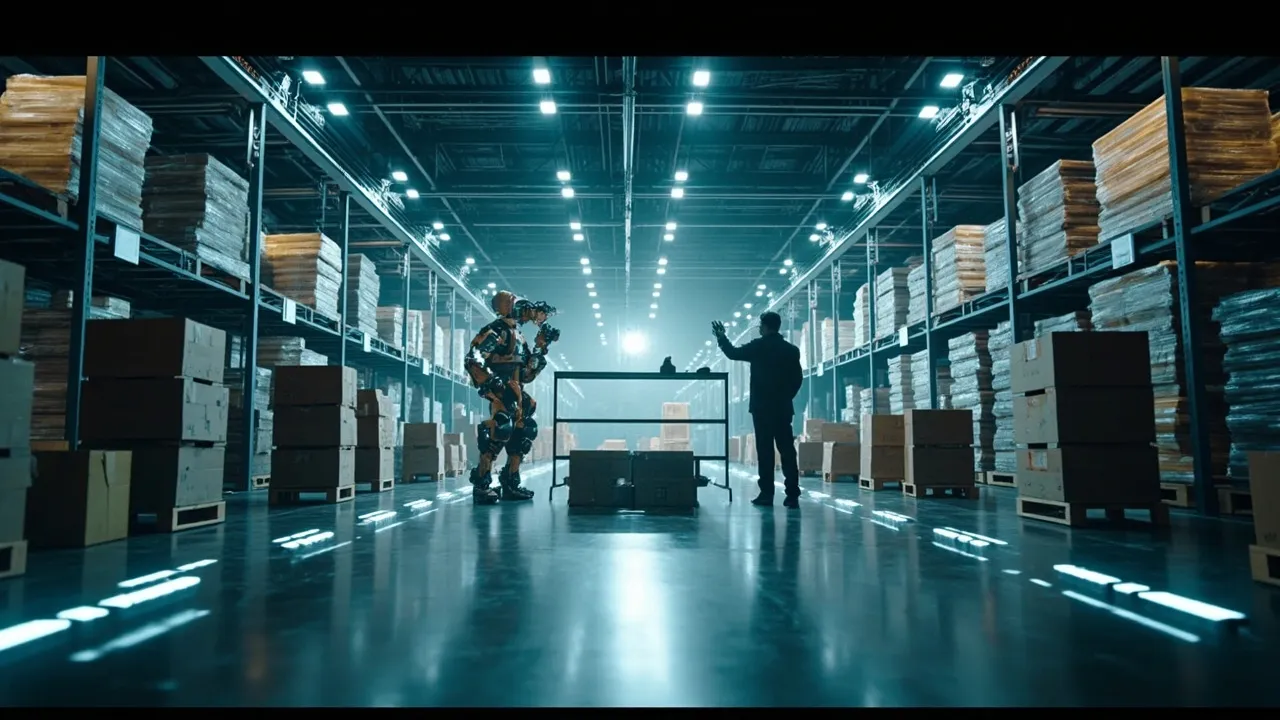
Warehouse automation has a dirty little secret: the robots are not usually the hardest part.
Integration is.
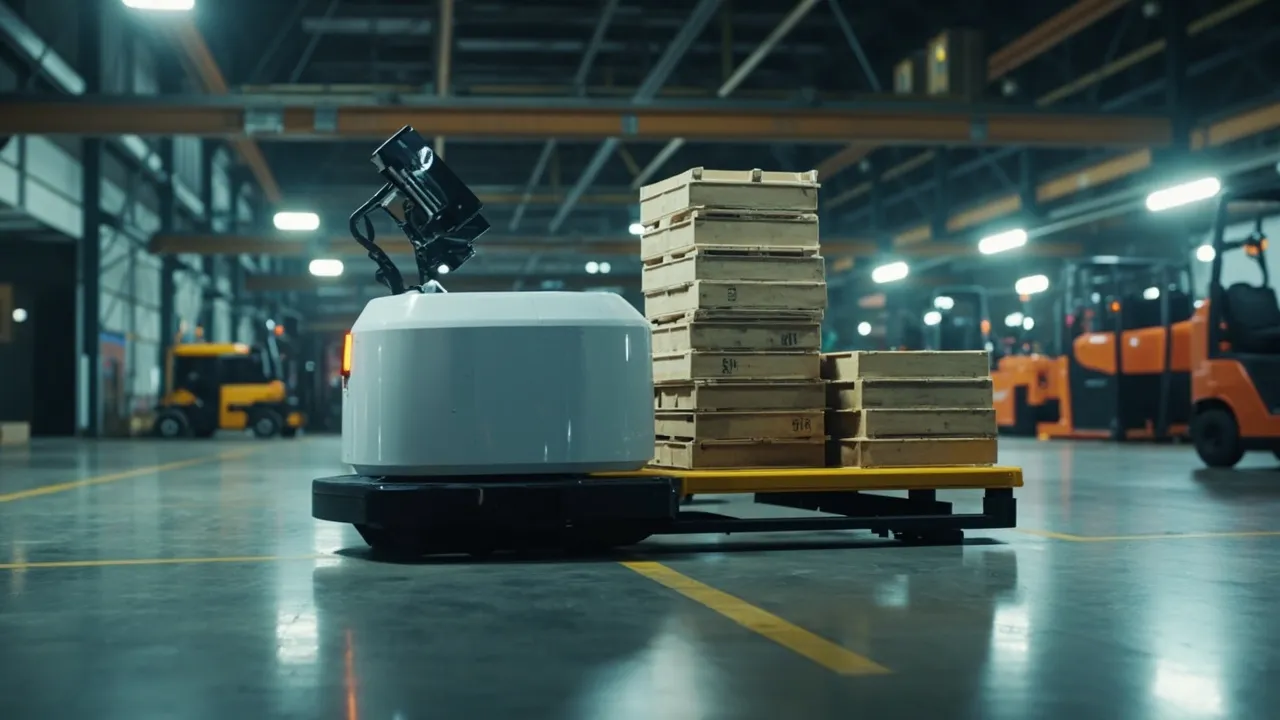
That is why Roboteon’s new AI4WMS launch matters more than it might look at first glance. In Modern Materials Handling, the company described AI4WMS as an add-on built to connect robotics and warehouse automation to a new or existing warehouse management system without custom coding or a full WMS replacement. That sounds modest. It is not. It is a direct attack on one of the biggest reasons mid-market warehouses delay automation in the first place: the fear that every robotics project turns into a systems overhaul. Source: Roboteon takes the friction out of warehouse automation integration.
For years, warehouse leaders have been sold a brutal choice. Keep the legacy WMS and accept manual bottlenecks, or rip it out and absorb months of implementation pain before any automation value shows up. That tradeoff is exactly what has kept a lot of automation roadmaps stuck in pilot mode.
The practical shift in 2026 is that orchestration is starting to matter more than replacement.
The money is real, but the integration fear is real too
This is not a niche market anymore. According to MMH’s 2026 Automation Study, organizations invested about $21 billion in warehouse automation in 2023, and that total is expected to exceed $90 billion by 2033, a 329% increase over ten years. On average, surveyed companies plan to spend $1.6 million in 2026, up from $1.5 million in 2025. Source: 2026 Automation Study: Warehouse automation ticks upward.
So yes, operators clearly want more automation. But the same MMH study also shows why buyers have become pickier. 68% now say integration and compatibility with existing equipment are very important, up from 56% a year earlier. 92% rank durability, reliability, and uptime as very important, while 95% say fast response times are essential. That is not how people buy shiny toys. That is how they buy tools they expect to survive contact with the real world.
In other words, the warehouse automation market is growing fast, but the buying criteria are getting less forgiving. Vendors are no longer judged only on whether a robot can move a tote or pick a carton. They are judged on whether the system can coexist with the software stack already running receiving, replenishment, slotting, labor, and shipping.
Why phased automation beats the big-bang model
Roboteon’s pitch is blunt and smart. Do not force the warehouse to replace its WMS just to add automation. Add a coordination layer instead.
That matters because very few warehouses start from zero. They already have an aging WMS, bolt-on reporting tools, barcode workflows, maybe a WCS in one area, and manual processes everywhere else. The classic automation project assumes all of that should be cleaned up before progress can happen. That sounds elegant on paper and expensive as hell in practice.
A phased model is better. It lets operators automate the high-friction zones first, then expand once the ROI is visible. Maybe that starts with robotic picking. Maybe it starts with pallet movement, sortation, or packaging. The important part is that the software layer can coordinate the pieces without demanding a full platform reset.
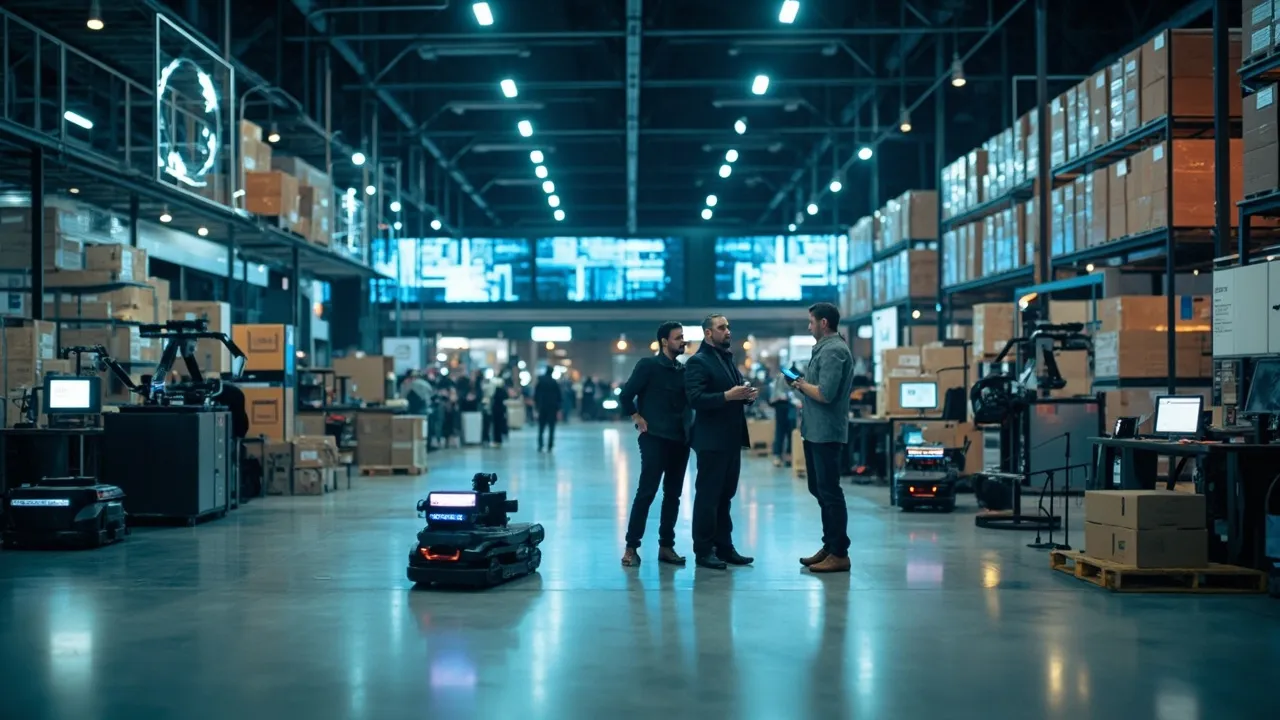
That broader pattern showed up elsewhere at MODEX. MMH reported that Infios is pushing an intelligent execution model that connects order, warehouse, transportation, and automation systems into a single flow, with real-time visibility and early warnings layered on top. Same lesson, different packaging: the future is not disconnected point automation. It is connected execution. Source: Infios brings warehouse, transport and orders into sync.
The software layer is becoming the real differentiator
The MMH automation study makes that point pretty clearly. 57% of surveyed operations already use a WMS, 49% use a warehouse control system, and 38% use a warehouse execution system. Over the next 24 months, companies plan to focus heavily on upgrading or implementing YMS, slotting software, WES, and CMMS.
That is the tell.
Warehouse operators are still buying machines, but they are increasingly paying for the connective tissue between those machines. The hard problem is not just automation. It is orchestration across mixed systems, mixed vendors, and mixed levels of maturity.
MHI’s 2026 supply chain trends analysis puts this in a bigger context. The association argues that automation, robotics, and AI are being adopted to build supply chains that are responsive and agile enough to withstand disruption and workforce shortages while still meeting volatile demand. That is exactly why vendor-independent integration matters. Agility dies fast when every new automation asset requires custom code and a six-month IT project. Source: MHI’s Top Supply Chain Trends for 2026.
What this means for mid-market warehouses
Mid-market operators probably benefit the most from this shift.
Enterprise companies can afford massive transformation programs. Smaller and mid-sized warehouse networks usually cannot. They need automation that can prove itself in one zone, one process, or one building before the next budget gets approved. They also tend to have more legacy software baggage than vendors like to admit.
That is why AI4WMS-style architecture is practical. It changes the ROI math from “replace the operating brain first” to “solve the bottleneck first.” It lowers the political risk inside the business, the technical risk inside IT, and the payback risk inside finance.
The takeaway is simple. Warehouse automation is growing up. The industry is moving away from rip-and-replace religion and toward layered execution models that let existing WMS environments keep doing their jobs while new automation gets added in phases.
That is a much saner way to modernize.
If your team is trying to connect warehouse systems, robotics, and execution data without blowing up the stack you already depend on, request a CXTMS demo and see how CXTMS helps logistics operators turn fragmented warehouse workflows into coordinated execution.