Locus Buying Nexera Signals the Next Warehouse Robot Battleground: Manipulation, Not Movement

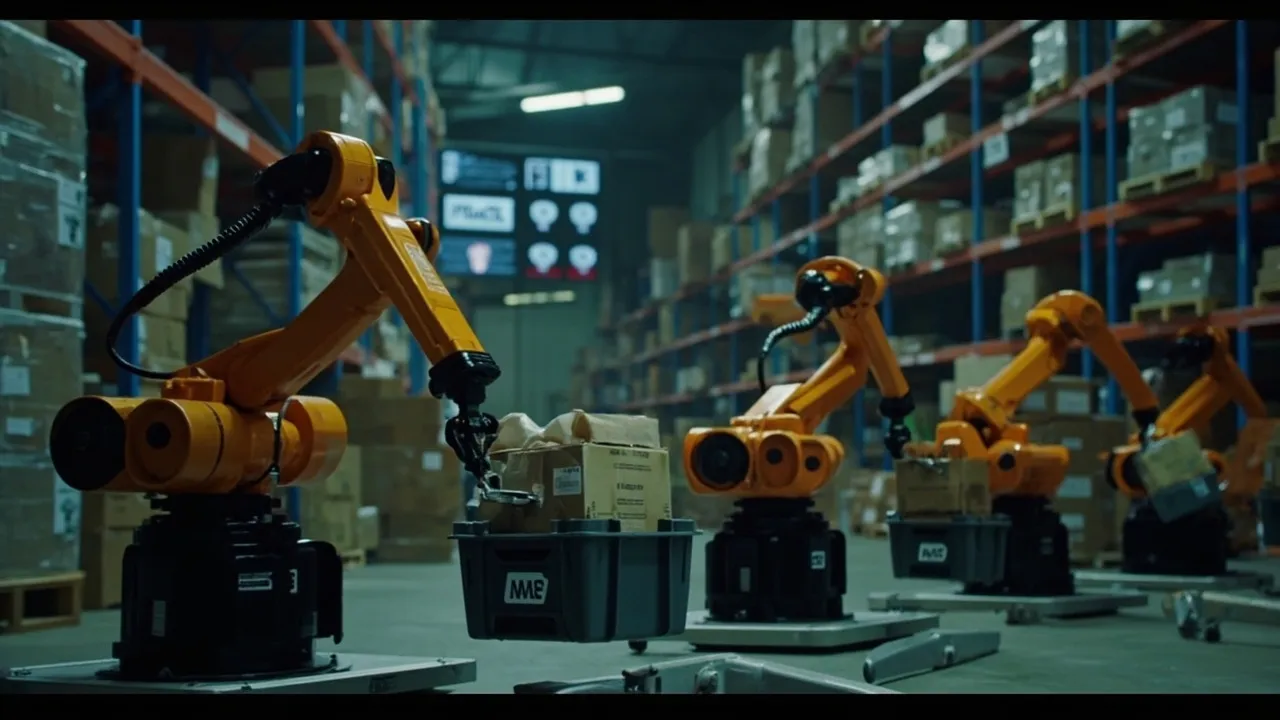
Warehouse robotics is entering a more demanding phase. Moving inventory around the building is no longer enough; the next competitive line is whether robots can physically handle the messy, variable, exception-heavy work that still keeps people tied to pick faces, packing benches, and replenishment zones.
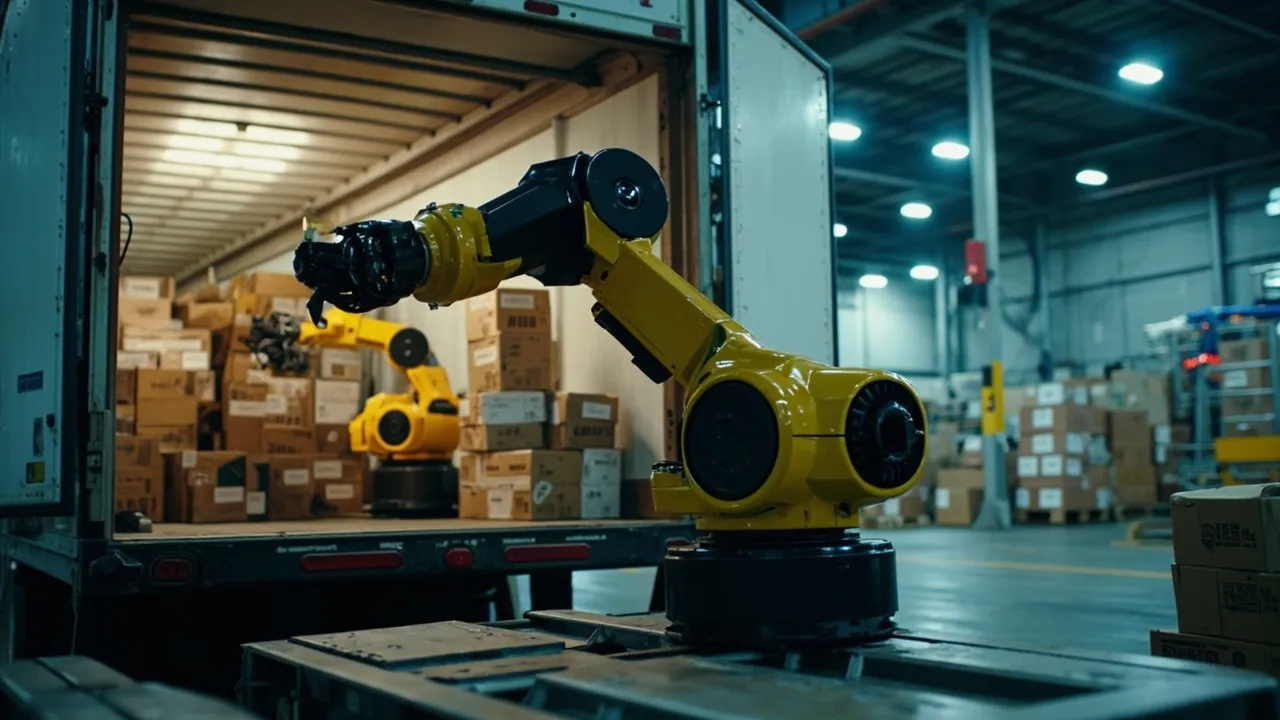
That is why Locus Robotics' acquisition of Nexera Robotics matters. According to Logistics Management, Nexera brings NeuraGrasp end-effector technology into Locus' physical AI platform, expanding autonomous mobile manipulation capabilities and broadening what Locus Array can handle across fulfillment workflows. Locus said the full Nexera team and leadership will join the company, and terms were not disclosed.
The headline is not just another robotics deal. It is a signal that the warehouse robot battleground is shifting from movement to manipulation.
AMRs solved travel. The hard work is touching the product.
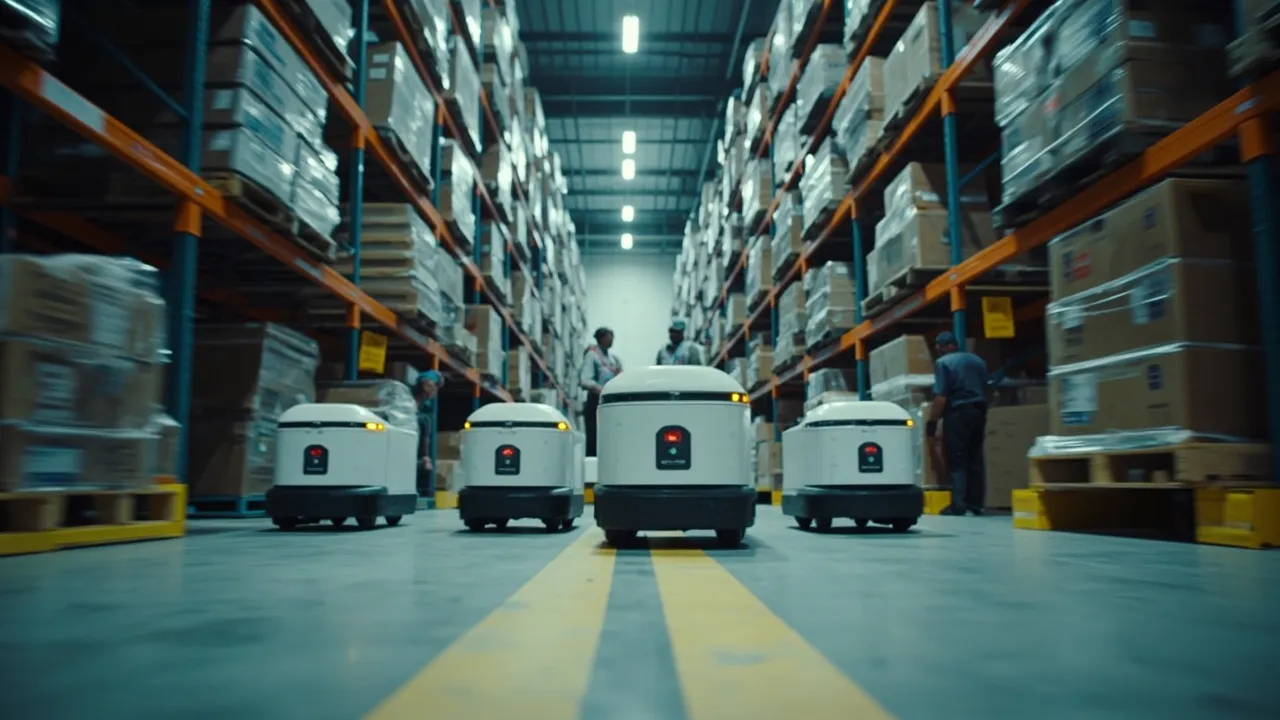
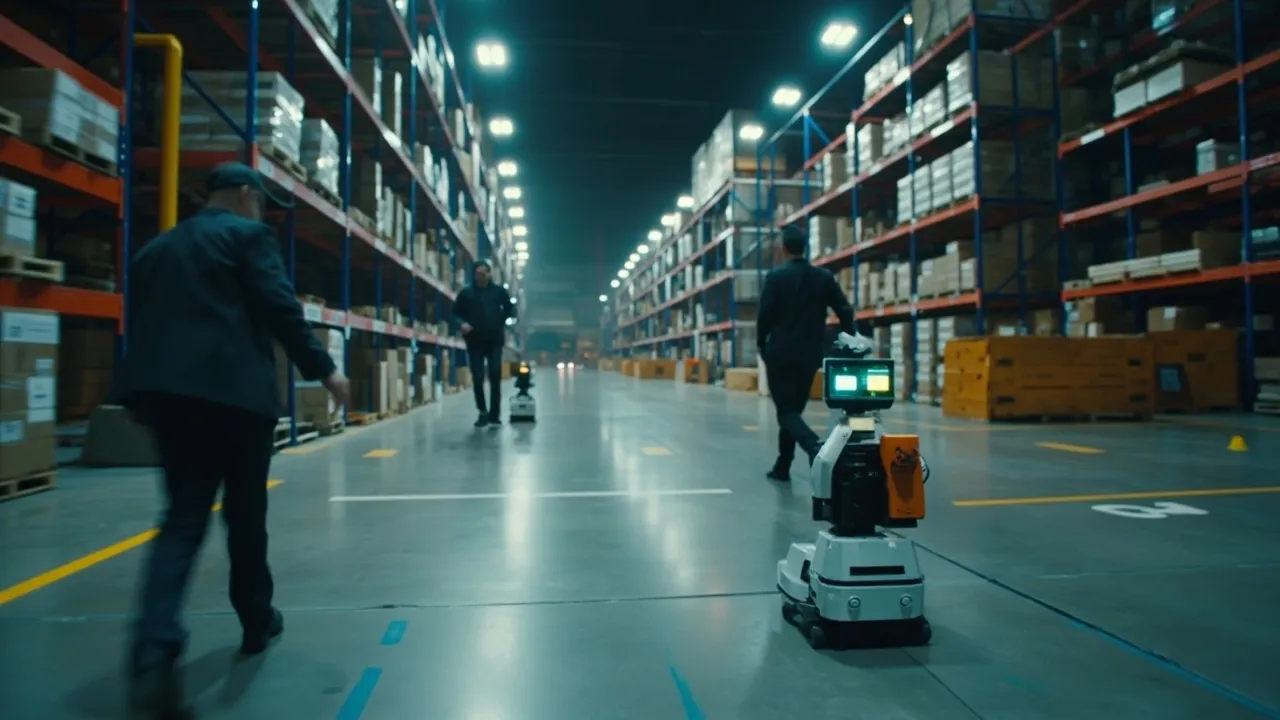
Autonomous mobile robots changed warehouse economics by attacking wasted walking time. In many fulfillment environments, the old model asked workers to spend more energy traveling than picking. AMRs helped reverse that equation by bringing work to associates, moving totes between zones, supporting replenishment, and smoothing peaks without rebuilding the entire facility.
But transport-only automation has a ceiling. A robot that can move a tote still depends on humans or fixed automation to identify, grasp, place, inspect, pack, or recover from product variability. That is where manipulation becomes strategic.
Modern fulfillment is not a neat lab problem. SKU catalogs change constantly. Packaging can be glossy, crushed, soft, transparent, reflective, or irregular. A bin may contain polybags, apparel, cosmetics, replacement parts, small electronics, or mixed cartons. The robot must not only see the item; it must choose a grasp, apply the right force, avoid damaging the product, confirm the action, and recover when the first attempt fails.
That is a very different challenge from point-to-point navigation.
The market is ready for a richer automation layer.
The timing fits the broader AMR market. Modern Materials Handling describes AMRs as moving from early experimentation into mainstream warehouse operations, with fleets now supporting picking, transport, and replenishment across more environments. The same overview points to the next questions: robot capabilities, navigation intelligence, and fleet orchestration as deployments scale.
Market data tells the same story. Mordor Intelligence estimates the warehouse robotics market will grow from $9.33 billion in 2025 to $10.96 billion in 2026, then reach $24.55 billion by 2031 at a 17.5% CAGR. Its analysis also notes that mobile robots are projected to expand at an 18.02% CAGR through 2031, while picking and sorting is advancing at an 18.11% CAGR. In plain English: the growth is not just in more robots. It is in robots doing more operationally valuable tasks.
That distinction matters for logistics leaders. A transport robot improves flow. A manipulation-capable robot can potentially change labor planning, cut touches, reduce handoff delays, and make automation useful in workflows that previously resisted it.
Physical AI turns the robot fleet into an execution system.
The phrase "physical AI" gets thrown around too casually, but in warehouse operations it has a concrete meaning: software that can reason about physical work in real time. It connects perception, motion, grasping, task assignment, exception handling, and operational priorities.
For a forwarder, 3PL, or retailer, that means the robot system cannot be managed as a standalone gadget. It has to sit inside the execution fabric of the building. The WMS knows inventory, orders, locations, and priorities. The labor system knows staffing and skill constraints. The transportation plan knows carrier cutoff times, dock appointments, and customer commitments. The robot fleet needs to act on those signals.
A manipulation robot picking slow-moving ecommerce SKUs is useful. A manipulation robot that knows which order is at risk of missing a parcel cutoff is much more valuable.
That is where fleet orchestration becomes the real product. The robot does not win by being clever in isolation. It wins by being assigned the right task, at the right moment, with the right exception path when the product, container, barcode, slot, or downstream process does not behave as expected.
The implementation risks are operational, not futuristic.
Warehouse leaders should be excited about mobile manipulation, but not naive. The risks are practical.
First, SKU variability can break weak deployments. A narrow pilot may work beautifully on predictable cartons and fail when seasonal inventory introduces deformable packaging, reflective surfaces, or unusual dimensions. Robotics teams need a SKU qualification process, not a glossy demo.
Second, exception handling determines ROI. Every failed grasp, unreadable label, blocked aisle, damaged package, or inventory mismatch has to route somewhere. If exceptions simply create a new queue for supervisors, the automation may shift labor rather than remove friction.
Third, WMS integration is non-negotiable. Robots need clean task data, location data, inventory status, and order priority. If the system of record is messy, the robot fleet will execute messy work faster.
Fourth, labor redesign matters. Mobile manipulation changes job content. Associates may move from walking and picking to robot supervision, exception resolution, replenishment control, quality checks, and continuous improvement. That can be a better job, but only if the process is designed deliberately.
Finally, throughput measurement has to get sharper. Do not measure robots only by picks per hour or uptime. Measure order cycle time, touch reduction, labor minutes per shipped unit, cutoff reliability, exception rate, damage rate, and how quickly the system recovers from variance.
What logistics teams should do now.
The smart move is not to buy the flashiest robot arm. It is to map where manipulation creates the highest operational leverage.
Start with workflows that combine high labor intensity, predictable business value, and manageable SKU complexity. Look at each process by touch count: receiving, decanting, replenishment, goods-to-person picking, put walls, packing, returns, and sortation. Then ask where autonomous manipulation could remove handoffs or protect throughput during peak.
From there, build the data foundation. Clean item masters, dimensions, weights, barcode rules, packaging attributes, slotting logic, and exception codes are now robotics infrastructure. So are carrier cutoff calendars and transportation priorities.
CXTMS fits into that picture because warehouse automation does not end at the warehouse door. A fulfillment operation that picks faster but misses dock sequencing, carrier commitments, or customer delivery windows has not solved the real problem. Transportation execution data gives automation teams the downstream context they need: which orders are urgent, which lanes are constrained, which carriers have appointment risk, and which exceptions will create customer pain.
The Locus-Nexera deal is a useful marker. The first AMR wave proved that warehouses could automate movement without turning every facility into a fixed conveyor maze. The next wave will test whether robots can handle the physical variability of fulfillment itself.
Movement made robots useful. Manipulation is what could make them indispensable.
Ready to connect fulfillment automation with transportation execution? Schedule a CXTMS demo and see how better logistics data turns warehouse speed into delivery performance.