A Record Jones Act Waiver Turns Domestic Fuel Movements Into an Expiry-Date Routing Problem

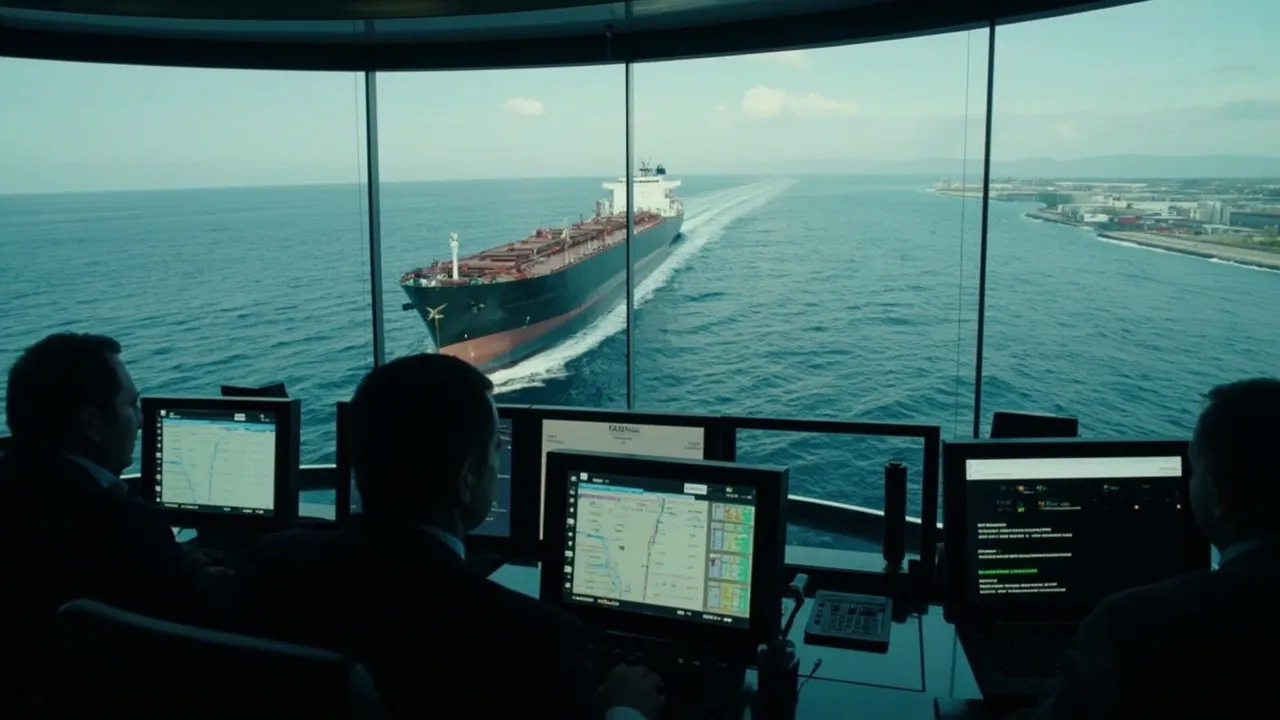
The longest Jones Act waiver in the program's history has given energy shippers more vessels to move fuel between U.S. ports. It has also created an unusual planning constraint: a route that is legal when a shipment is proposed may not remain legal when the cargo sails or arrives.
The current waiver is scheduled to expire on August 16, 2026. U.S. Energy Secretary Chris Wright has signaled that another extension is likely, but an expectation is not an operating authority. Until a formal extension defines its effective dates, covered products, and conditions, planners must treat August 16 as a hard regulatory boundary.
That turns domestic fuel distribution into an expiry-date routing problem. Voyage time matters, but so do nomination deadlines, vessel fixtures, terminal windows, documentation, and the specific event that must occur while the waiver remains valid.
Why the waiver changes the vessel pool
The Jones Act normally requires cargo transported by water between U.S. ports to move on vessels that are U.S.-built, U.S.-owned, U.S.-flagged, and crewed by Americans. The temporary exemption allows qualifying energy commodities to move on foreign-flagged vessels, expanding the tanker pool available for domestic coastal movements.
SupplyChainBrain reported that the 90-day extension covered 659 specified products, including crude oil, refined petroleum products, natural gas, natural gas liquids, coal, fertilizer, and energy derivatives. Reported movements included gasoline, ethanol, ammonia, renewable diesel, and crude, with deliveries reaching California, Florida, Pennsylvania, and South Carolina.
The added options matter because water can move large parcels between refining and demand regions without consuming scarce pipeline space or assembling many railcars and trucks. But more vessel choices do not automatically produce a feasible shipment. Product compatibility, charter availability, terminal draft, berth windows, storage capacity, and delivery timing still govern the move.
The policy's market effect also deserves discipline. FreightWaves reported that nationwide gasoline remained above $4 per gallon, while industry analysts estimated that the waiver might reduce prices by only pennies per gallon. The exemption adds transportation flexibility; it cannot by itself replace global supply removed by a major disruption.
Separate four milestones that are often confused
A planner should not represent the waiver with one generic “expiration date” field. At least four milestones need distinct timestamps and owners.
Voyage completion is the forecast time the vessel reaches and discharges at the destination. It includes sailing time, weather, congestion, anchorage, and discharge duration. A route with a slim arrival margin can become noncompliant or commercially stranded after one delay.
Cargo nomination is the deadline for confirming product, volume, origin, destination, and delivery window. Refiners and terminals may need these commitments days before loading. Missing nomination can invalidate an otherwise available vessel plan.
Terminal slot covers both load and discharge appointments. A tanker fixture is not useful if tanks, pipelines, inspectors, pilots, or berths are unavailable. Slot risk should be modeled independently at origin and destination.
Waiver validity determines whether the movement qualifies under the governing order. Legal teams should identify the controlling event—such as loading, departure, carriage, arrival, or discharge—from the actual waiver language. Operations should never infer it from a news headline.
These dates create a critical path. The transport management system should calculate regulatory slack as the interval between the controlling shipment event and August 16, then recalculate it whenever estimated times or appointments change.
Compare coastal shipping with inland contingencies
The right comparison is not ocean rate versus truck rate. It is risk-adjusted delivered cost for the full volume and service requirement.
A coastal option should include vessel charter or freight, port fees, terminal handling, inspection, storage, inventory carrying cost, demurrage exposure, and the probability-weighted cost of missing the waiver window. Pipeline alternatives need tariff, batch timing, line-space availability, interface losses, and origin or destination drayage. Rail requires equipment availability, loading and unloading capability, transit variability, switching, and dwell. Trucking adds per-load cost, driver and trailer capacity, rack appointments, hours-of-service limits, and the operational burden of replacing one marine parcel with hundreds or thousands of loads.
Planners should retain at least three scenarios:
- A primary water move with sufficient regulatory and terminal slack
- A mixed plan that shifts a defined portion to pipeline or rail if milestones slip
- An emergency road plan for the highest-priority markets and inventory gaps
Each scenario needs a latest decision date. Waiting until a vessel misses its berth window may leave too little time to secure inland capacity.
Build alerts around a vanishing legal option
Ordinary estimated-time alerts are insufficient because the consequence is not only late delivery. The route itself may cease to be permitted.
A TMS should flag a booking when regulatory slack falls below company thresholds—perhaps 14, seven, and three days—and escalate when an appointment change crosses the controlling date. It should also detect an unconfirmed nomination, missing waiver-product classification, vessel eligibility uncertainty, or a terminal slot that ends after the permitted window.
Every alert should show the shipment, product, vessel, origin, destination, controlling event, current forecast, remaining slack, alternative mode capacity, decision owner, and evidence supporting eligibility. If an extension is issued, compliance teams can update the rule once and recalculate every affected movement rather than editing shipments manually.
The record waiver may continue beyond August 16. Good routing decisions cannot assume that it will. Energy shippers need to price the flexibility, preserve documentary evidence, and maintain executable alternatives while the regulatory clock is still running.
Ready to manage time-sensitive routing rules, milestones, and multimodal contingencies in one workflow? Request a CXTMS demo to see how shipment-level visibility supports faster, defensible decisions.