JD.com Launches Joybuy in Europe With 60 Warehouses: How Asset-Heavy Chinese E-Commerce Is Disrupting European Last-Mile Logistics

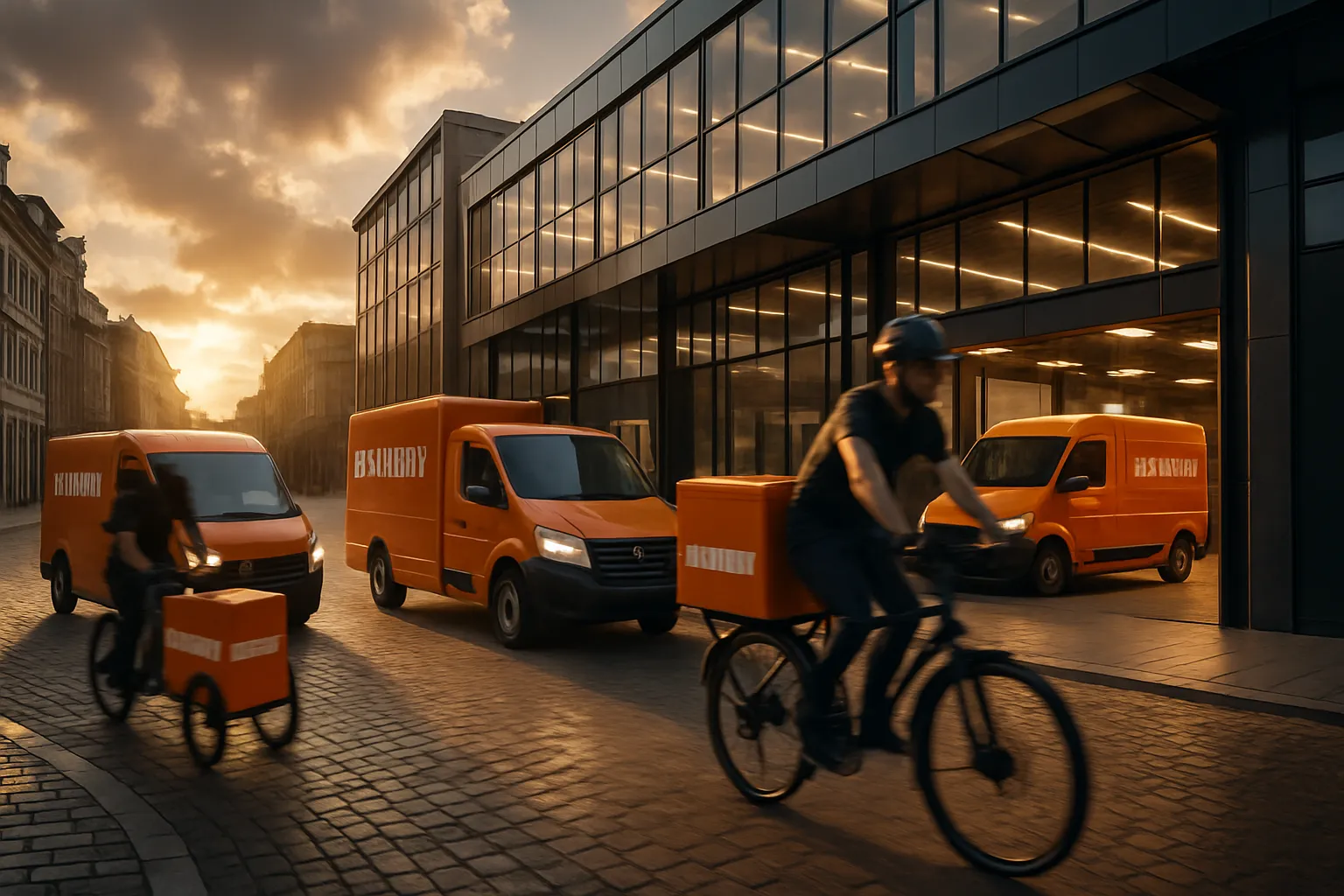
On March 16, 2026, Chinese e-commerce giant JD.com launched its Joybuy marketplace across six European countries — the UK, Germany, France, the Netherlands, Belgium, and Luxembourg — backed by a logistics network of more than 60 warehouses and depots and its own proprietary last-mile delivery service called JoyExpress. According to Reuters reporting, the move directly targets Amazon's European dominance with a promise that cuts to the heart of logistics: same-day delivery on orders placed before 11 a.m., and next-day delivery on orders placed before 11 p.m.
This isn't another marketplace simply listing products and outsourcing fulfillment. JD.com has built a physical logistics infrastructure across Europe that fundamentally challenges how Chinese e-commerce platforms have operated internationally — and it has massive implications for European 3PLs, carriers, and domestic retailers.
The Asset-Heavy Bet That Breaks the Mold
To understand why Joybuy matters, you need to understand what it's not.
When Chinese e-commerce went global, it followed an asset-light playbook. Temu, AliExpress, and Shein built enormous customer bases by shipping directly from Chinese factories and fulfillment centers, accepting delivery windows of 7 to 15 days as an acceptable tradeoff for rock-bottom prices. They didn't own warehouses in destination markets. They didn't operate delivery fleets. They kept capital expenditures low and let third-party logistics providers handle the last mile.
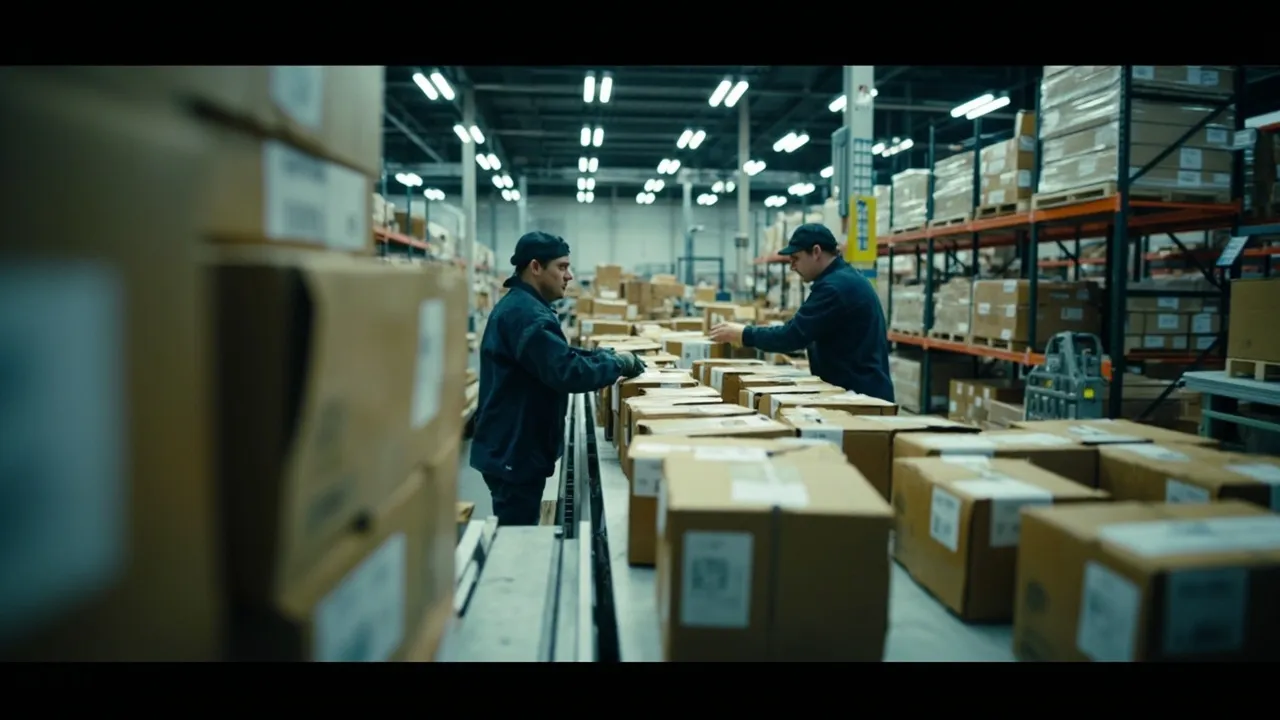
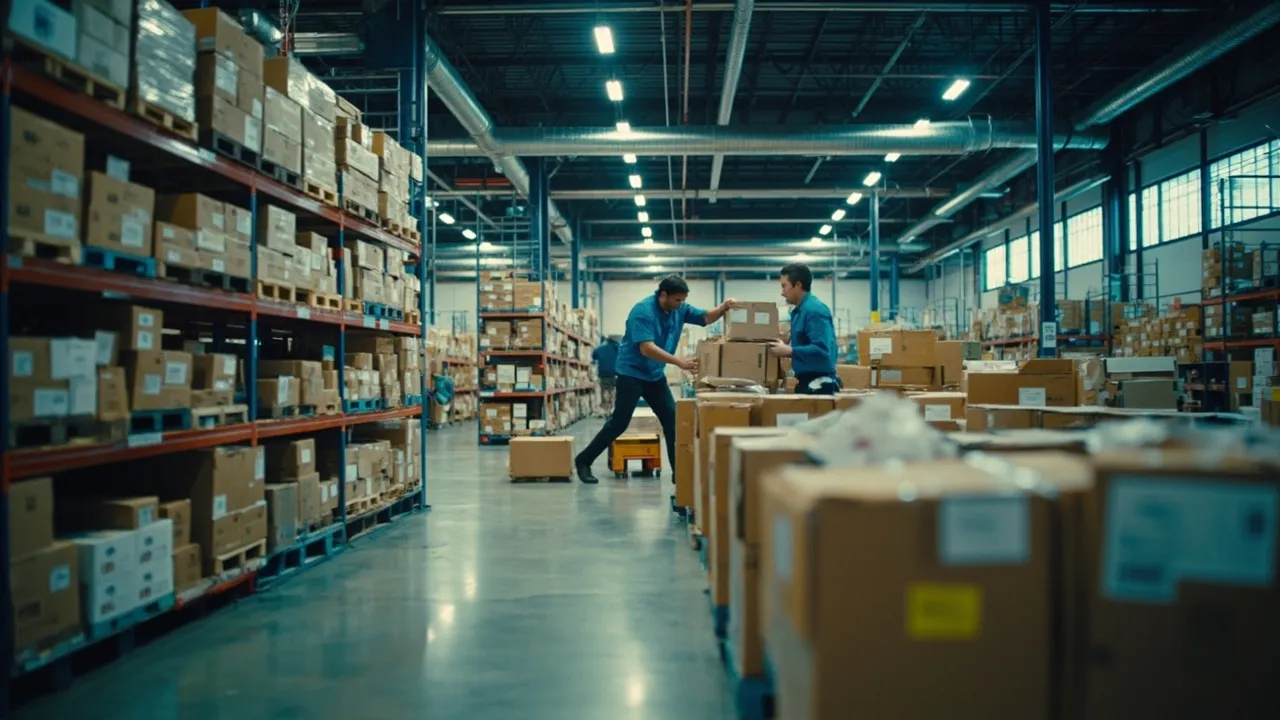
JD.com has taken the opposite approach. The company's European logistics network includes:
- 60+ warehouses and distribution depots spread across six countries
- JoyExpress, a proprietary last-mile delivery fleet of vans, trucks, and electric cargo bicycles
- Same-day delivery covering more than 15 million European households at launch
- Inventory pre-positioned locally, not shipped from China per order
This is a capital-intensive bet on speed and reliability — the same "self-operated + logistics" model that made JD.com China's most trusted e-commerce platform, where it operates over 1,600 warehouses domestically. JD.com is now replicating that playbook in Europe's most competitive consumer markets.
JoyPlus: Taking Aim at Amazon Prime
Beyond the warehouse network, JD.com is directly challenging Amazon's subscription moat. The JoyPlus membership launches at an introductory price of €3.99 or £3.99 per month, offering unlimited free delivery — undercutting Amazon Prime's European pricing by a significant margin.
The marketplace itself launches with over 100,000 products across technology, appliances, beauty, homeware, and grocery categories, featuring brand stores from L'Oréal, Braun, DeLonghi, BRITA, and Bodum alongside consumer electronics from Apple, Samsung, Sony, and Philips. Free delivery applies to all orders over €29 (or £29 in the UK).
JD.com's acquisition of German electronics retailer Ceconomy — owner of MediaMarkt and Saturn — for €2.2 billion in July 2025 adds an existing customer base and an established brick-and-mortar footprint across Europe. Combined with Joybuy's digital marketplace and JoyExpress delivery network, JD.com is assembling an omnichannel logistics ecosystem that few European retailers can match.
Why European Logistics Will Never Be the Same
The European last-mile delivery market was valued at approximately $41.87 billion in 2025 and is projected to reach $85.03 billion by 2033, expanding at a CAGR of 9.26%, according to Market Data Forecast. JD.com's entry accelerates this growth by raising consumer expectations across the board.
Here's what makes this disruptive for the existing European logistics landscape:
Speed Becomes the Baseline
When a new entrant offers same-day delivery at scale across major European cities from day one, every competitor's delivery promise comes under pressure. European retailers that rely on 2-3 day standard shipping will face increasing consumer impatience, particularly in categories like electronics and home appliances where Joybuy's assortment directly overlaps.
3PL Disintermediation Risk
JD.com doesn't need European 3PLs. It built its own infrastructure. For established logistics providers like DHL eCommerce, Hermes, DPD, and Royal Mail, this represents a high-volume e-commerce client that will never materialize — one that handles fulfillment, warehousing, and last-mile delivery entirely in-house. As JD.com grows, that's parcel volume European carriers will never touch.
The Electric Last Mile
JoyExpress's fleet includes electric cargo bicycles for urban delivery — a detail that aligns with the European Union's push toward zero-emission urban logistics zones. Multiple European cities including Amsterdam, Paris, and Berlin are implementing or planning low-emission delivery zones by 2030. JD.com's electric fleet gives it a regulatory advantage that diesel-dependent carriers will struggle to match at speed.
Lessons from JD.com's First European Failure
JD.com isn't arriving in Europe blindly. In 2022, the company launched Ochama — an experimental fulfillment model in the Netherlands that combined robotic warehouses with pickup points. It failed to gain meaningful traction.
Matthew Nobbs, Joybuy UK Managing Director, told Reuters that "lessons had been learnt" from that first attempt. The key difference: Ochama required customers to pick up orders from designated locations. Joybuy delivers to the door. The shift from pickup to home delivery, combined with a dramatically larger warehouse footprint and proprietary fleet, addresses the exact friction points that sank the first effort.
What This Means for Supply Chain Leaders
For shippers and supply chain operators watching JD.com's European expansion, several strategic takeaways emerge:
Fulfillment speed is a competitive weapon, not a cost center. JD.com is investing billions in infrastructure specifically to compress delivery windows. Companies that treat logistics as a commodity service to be optimized purely for cost will find themselves losing customers to competitors who invest in speed.
Asset-heavy models are making a comeback. The past decade favored asset-light logistics — gig economy drivers, crowdsourced delivery, marketplace fulfillment. JD.com's bet on owned warehouses and proprietary fleets signals that at sufficient scale, controlling the physical infrastructure delivers better unit economics and more reliable service than outsourcing.
European logistics infrastructure is being reshaped by non-European capital. Between JD.com's 60+ warehouses, Cainiao's European hub network, and Temu's emerging fulfillment investments, Chinese e-commerce platforms are collectively building a parallel logistics network across Europe. Established European carriers and 3PLs need to respond with differentiation — whether through specialized capabilities, sustainability leadership, or technology integration.
How CXTMS Helps Navigate E-Commerce Logistics Disruption
As e-commerce fulfillment models evolve and new entrants reshape delivery expectations, shippers need visibility across increasingly complex logistics networks. CXTMS provides multi-carrier rate management, real-time shipment tracking, and last-mile cost analytics that help brands benchmark their fulfillment performance against the speed and cost standards being set by platforms like Joybuy.
Whether you're evaluating your own fulfillment network, negotiating with 3PL partners, or building a hybrid model that combines owned and outsourced logistics, CXTMS gives you the data to make confident decisions.
Request a CXTMS demo → and see how our platform helps you stay competitive as e-commerce logistics enters its most disruptive chapter yet.