Hyperlocal Same-Day Delivery Economics: How Sub-60-Minute Fulfillment Is Creating a New Competitive Tier in Last-Mile Logistics

The last mile has always been the most expensive mile. It accounts for more than 53% of total shipping costs, and in 2026 those costs are climbing further as FedEx and UPS surcharges take hold and consumer expectations accelerate past next-day into right now. But inside this punishing cost environment, a counterintuitive business model is emerging: hyperlocal sub-60-minute delivery that actually costs less per order than traditional same-day fulfillment.
The global same-day delivery market is projected to grow from $14.66 billion in 2026 to $67.21 billion by 2034, a 20.96% CAGR that reflects not just consumer demand but the emergence of economically viable delivery models that compress distance, time, and cost simultaneously.
The Hyperlocal Model: 2–10 Kilometers, Under 60 Minutes
Hyperlocal delivery operates within a fundamentally different radius than traditional e-commerce fulfillment. Where Amazon and national retailers ship from regional distribution centers spanning hundreds of miles, hyperlocal operators dispatch from merchant locations or micro-fulfillment dark stores within a 2–10 kilometer radius of the end customer.
This geographic compression changes the entire cost equation. Traditional last-mile delivery costs between $5 and $12 per parcel depending on distance, density, and delivery window. Hyperlocal operators leveraging dense urban networks are achieving cost per delivery of $2 to $5 — a 40–60% reduction — by eliminating the long-haul middle mile entirely.
The model draws from three fulfillment architectures:
- Merchant-dispatched: Orders fulfilled directly from local storefronts, with the platform providing routing and driver coordination
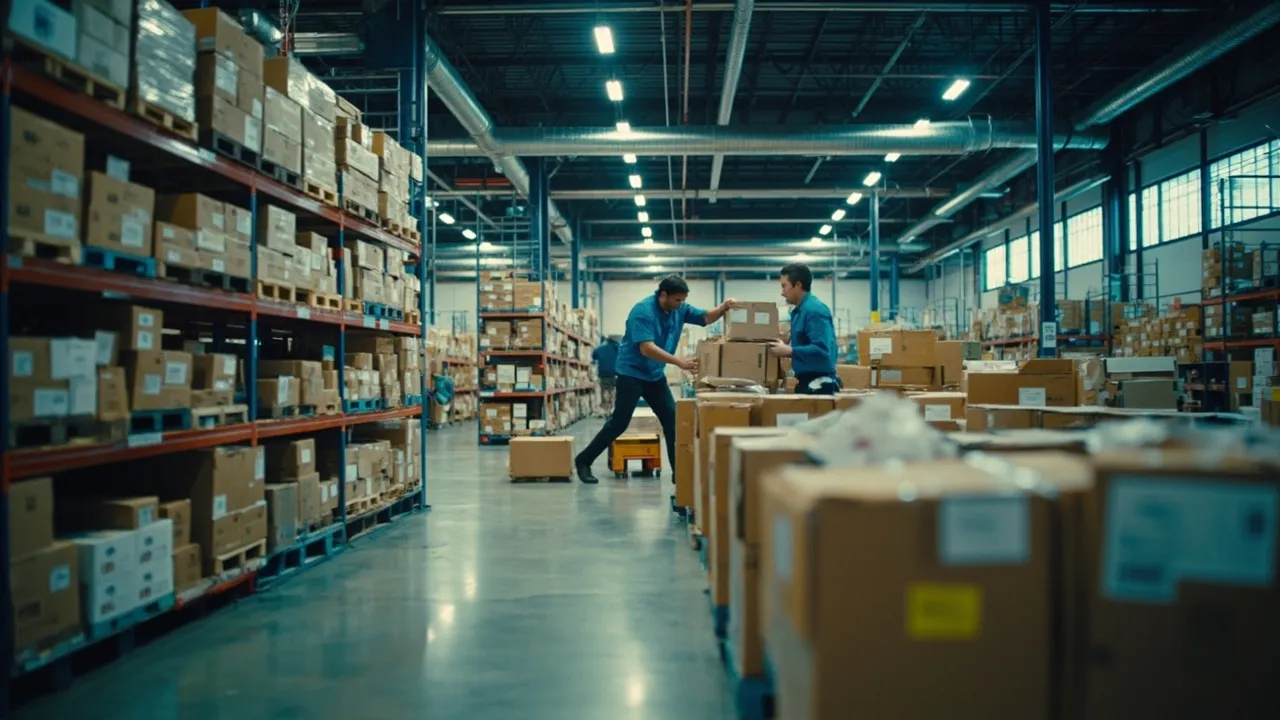
- Dark store networks: Purpose-built micro-warehouses of 2,000–5,000 square feet positioned in high-demand neighborhoods
- Hybrid store-forward: Existing retail locations double as fulfillment nodes during off-peak hours, leveraging idle inventory and shelf space
The Unit Economics That Make Sub-60-Minute Delivery Viable
The conventional wisdom — faster delivery always costs more — breaks down at the hyperlocal scale. Here's why:
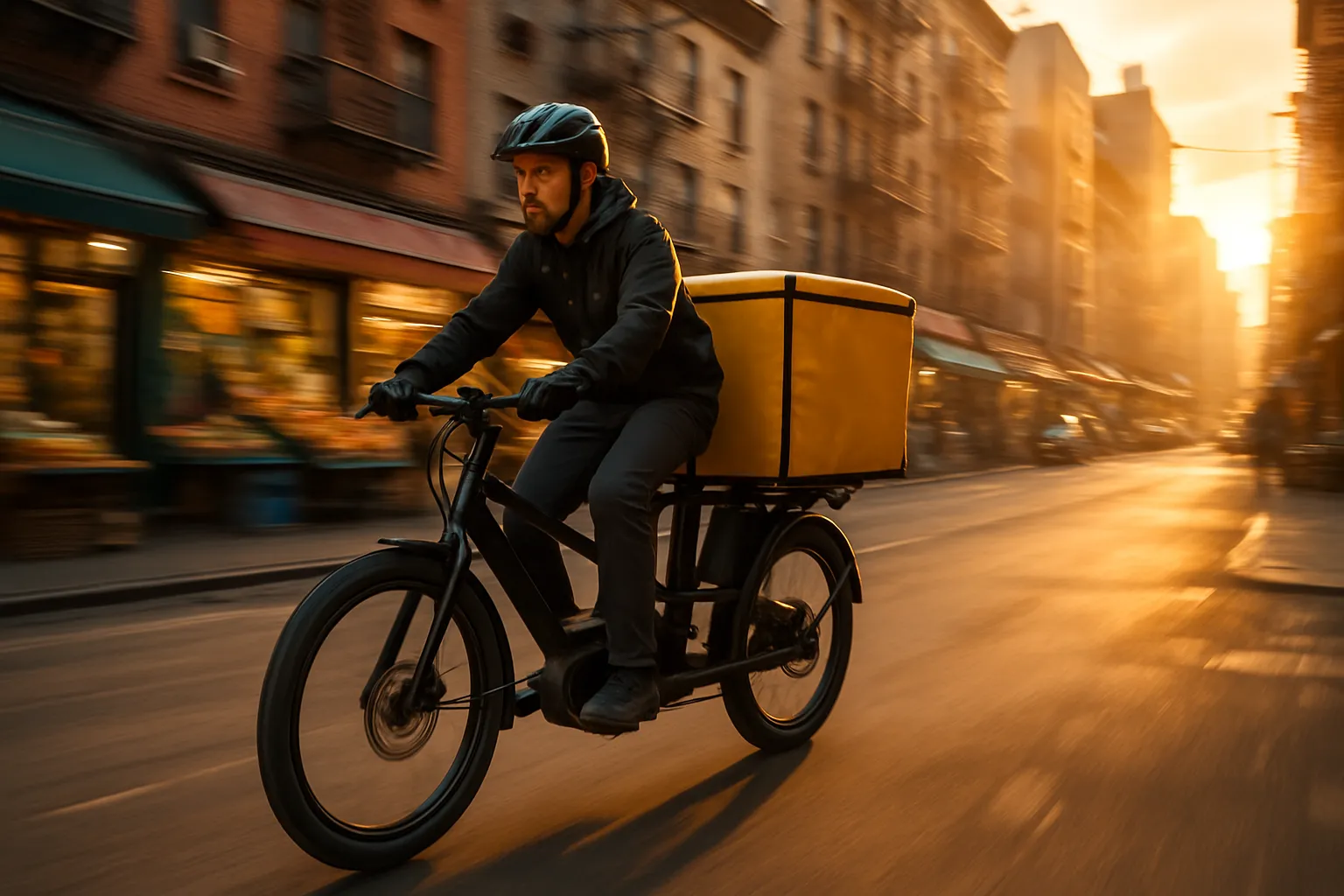
Distance is the dominant cost driver in last-mile logistics. When you reduce average delivery distance from 15–30 miles to 2–6 miles, fuel costs, driver time, and vehicle wear drop proportionally. An electric cargo bike covering a 3 km delivery burns pennies in energy compared to a delivery van traveling 20 miles through suburban traffic.
Order density enables batching. In high-density urban areas, a single courier can complete 4–6 deliveries per hour within a tight radius versus 2–3 per hour for traditional last-mile routes. This per-stop efficiency is the primary profitability lever for hyperlocal operators.
Direct merchant relationships eliminate intermediary margins. Unlike traditional e-commerce where fulfillment flows through warehouses and distribution centers, hyperlocal platforms connect consumers directly with nearby merchants, capturing commission revenue (typically 15–25% per order) while avoiding inventory carrying costs entirely.
Research from MIT's Center for Transportation & Logistics found that companies converting underutilized retail and mall spaces into hyperlocal logistics hubs achieved cost reductions of 20–30% and 98% same-day fulfillment rates — demonstrating that the model works not just for purpose-built dark stores but for adaptive reuse of existing commercial real estate.
The Quick Commerce Acceleration
The hyperlocal tier isn't theoretical — it's being built at scale across global markets. India's quick commerce sector (Blinkit, Zepto, Swiggy Instamart) has proven that 10–15 minute grocery delivery is commercially viable in dense urban markets. In the US, Amazon's expanding same-day delivery network now covers over 120 metro areas, with sub-3-hour delivery windows becoming standard for Prime members.
The micro-fulfillment market supporting these operations is surging, valued at $6.49 billion in 2024 and growing at a 41.2% CAGR through 2032 as AI automation and hyperlocal e-commerce gain momentum.
What distinguishes the 2026 hyperlocal wave from earlier attempts (remember Kozmo.com?) is the convergence of three enabling technologies:
- AI-powered dynamic routing that optimizes multi-stop delivery sequences in real time, adjusting for traffic, order priority, and driver availability
- Predictive demand modeling that pre-positions inventory at dark stores based on historical ordering patterns, weather, and local events
- Gig workforce platforms that scale delivery capacity elastically — adding drivers during demand spikes without fixed labor costs
Geographic Density: The Make-or-Break Variable
Not every market can support hyperlocal economics. The model requires a minimum population density threshold — typically 5,000+ residents per square mile — to generate sufficient order volume within the delivery radius. This effectively limits profitable hyperlocal operations to urban cores and dense suburban corridors.
Below that density threshold, the math collapses. Delivery distances stretch, batching opportunities decline, and per-order costs climb back toward (or above) traditional last-mile rates. This is why hyperlocal delivery remains predominantly an urban phenomenon, even as consumer demand for speed extends into suburban and exurban areas.
For brands and retailers, this creates a bifurcated fulfillment strategy requirement: hyperlocal networks for dense urban markets where speed and cost align, paired with traditional fulfillment for lower-density areas where next-day or two-day delivery remains the economically rational option.
Regulatory Headwinds and the Gig Worker Question
The hyperlocal model's reliance on gig workers faces growing regulatory pressure. The US Department of Labor's evolving independent contractor rules, California's ongoing AB5 enforcement, and similar legislation across the EU are forcing platforms to reconsider their labor models.
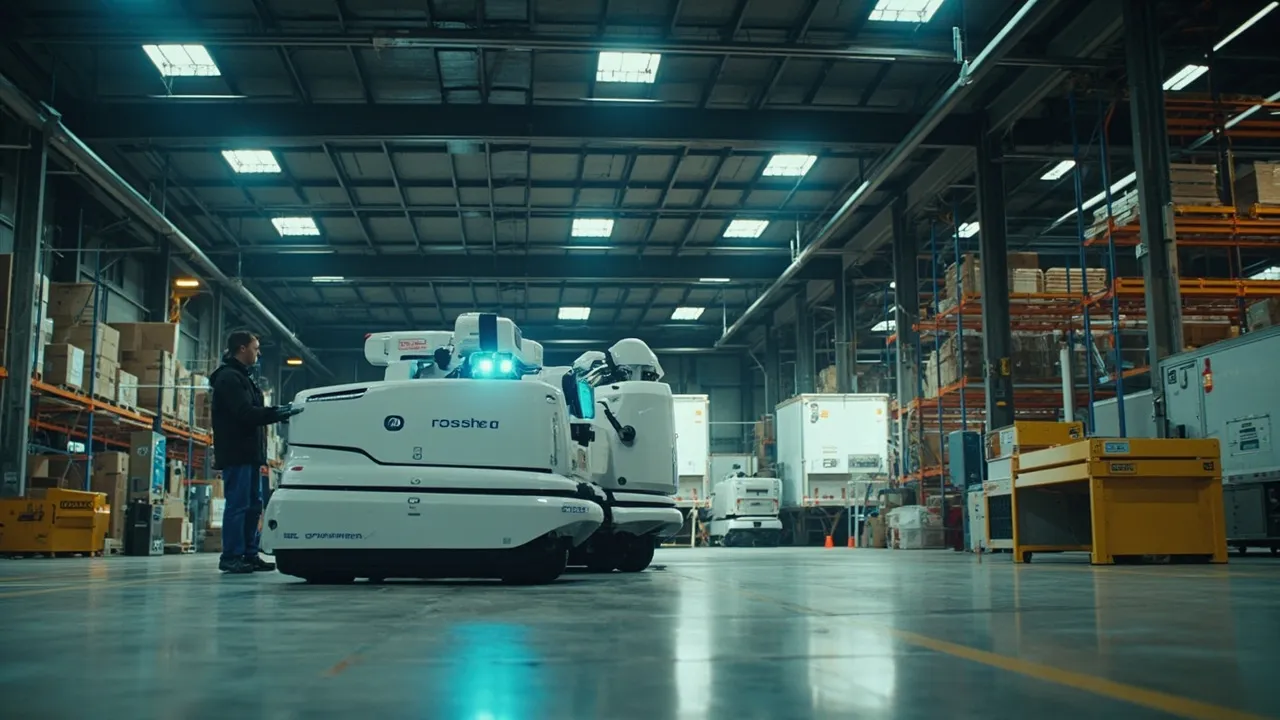
Reclassification of delivery couriers as employees would add an estimated 20–30% to labor costs, potentially erasing the unit economics advantage that makes sub-60-minute delivery viable. Leading operators are hedging by investing in autonomous delivery vehicles, sidewalk robots, and drone delivery programs — though none of these technologies have achieved the scale or regulatory clearance needed for meaningful cost impact in 2026.
What This Means for Shippers and Supply Chain Leaders
The emergence of a viable hyperlocal delivery tier has implications beyond consumer-facing e-commerce:
- B2B same-day delivery for industrial parts, medical supplies, and restaurant provisioning is growing as the same infrastructure serves business customers
- Omnichannel fulfillment increasingly requires retailers to treat every store as a potential shipping node, not just a sales floor
- Carrier diversification becomes critical as shippers need both national parcel networks and hyperlocal delivery partners to meet varied customer expectations
- Inventory positioning shifts from centralized efficiency to distributed responsiveness, requiring real-time visibility across dozens or hundreds of micro-fulfillment locations
US delivery costs increased by an average of 12% from 2024 to 2025, with 76% of retailers reporting rising last-mile costs. The hyperlocal model offers a structural alternative — but only for shippers who can orchestrate the complexity of distributed fulfillment networks.
How CXTMS Supports Hyperlocal and Last-Mile Strategy
Managing a fragmented delivery network — combining national carriers, regional couriers, and hyperlocal platforms — requires unified visibility and rate optimization across every mode and provider. CXTMS provides the transportation management infrastructure to:
- Compare and optimize across traditional LTL/parcel carriers and hyperlocal delivery networks in a single platform
- Track shipments in real time across distributed fulfillment nodes, dark stores, and micro-warehouses
- Analyze landed cost including delivery speed premiums, helping you determine where hyperlocal economics justify the investment
- Integrate with emerging delivery platforms as the hyperlocal ecosystem matures
The last mile is fragmenting into multiple competitive tiers — and the shippers who thrive will be those with the technology to orchestrate all of them.
Ready to optimize your last-mile delivery strategy across every fulfillment tier? Request a CXTMS demo today and see how unified transportation management transforms delivery economics.