Google’s $15B Finland Data Center Expansion: A Project-Logistics Capacity Map for Three New Sites

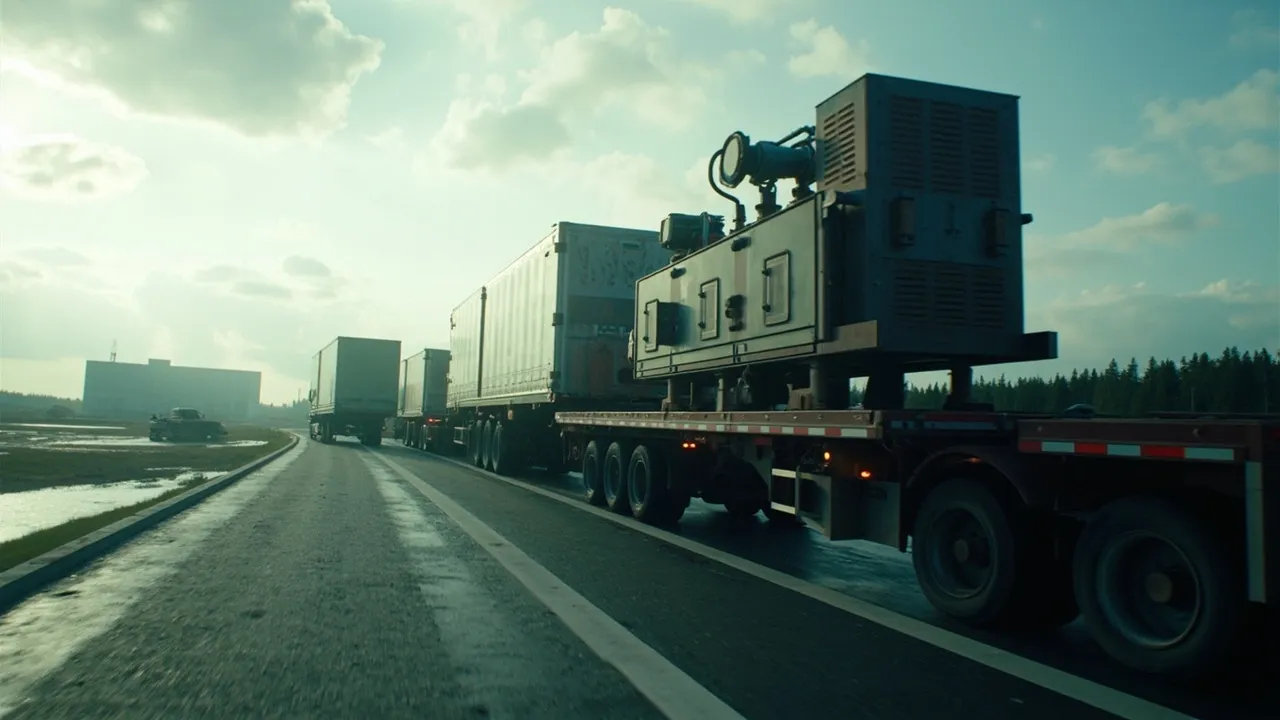
Google’s latest Finland commitment is more than a technology investment. It is a synchronized project-logistics program involving three new data centers, an expansion of the existing Hamina campus, and the energy infrastructure needed to serve them.
The company plans to invest €13 billion—about $15 billion through 2030. SupplyChainBrain reports that the program covers new facilities in Muhos, Kajaani, and Stillförs, alongside Hamina’s expansion and supporting energy projects. When several sites advance together, the logistics problem is not merely moving more freight. It is making scarce equipment, specialized transport, installation crews, and site readiness converge in the correct sequence.
That distinction matters for forwarders and project owners. A delayed server rack is inconvenient; a delayed transformer can move an entire commissioning window.
Translate the investment into freight classes
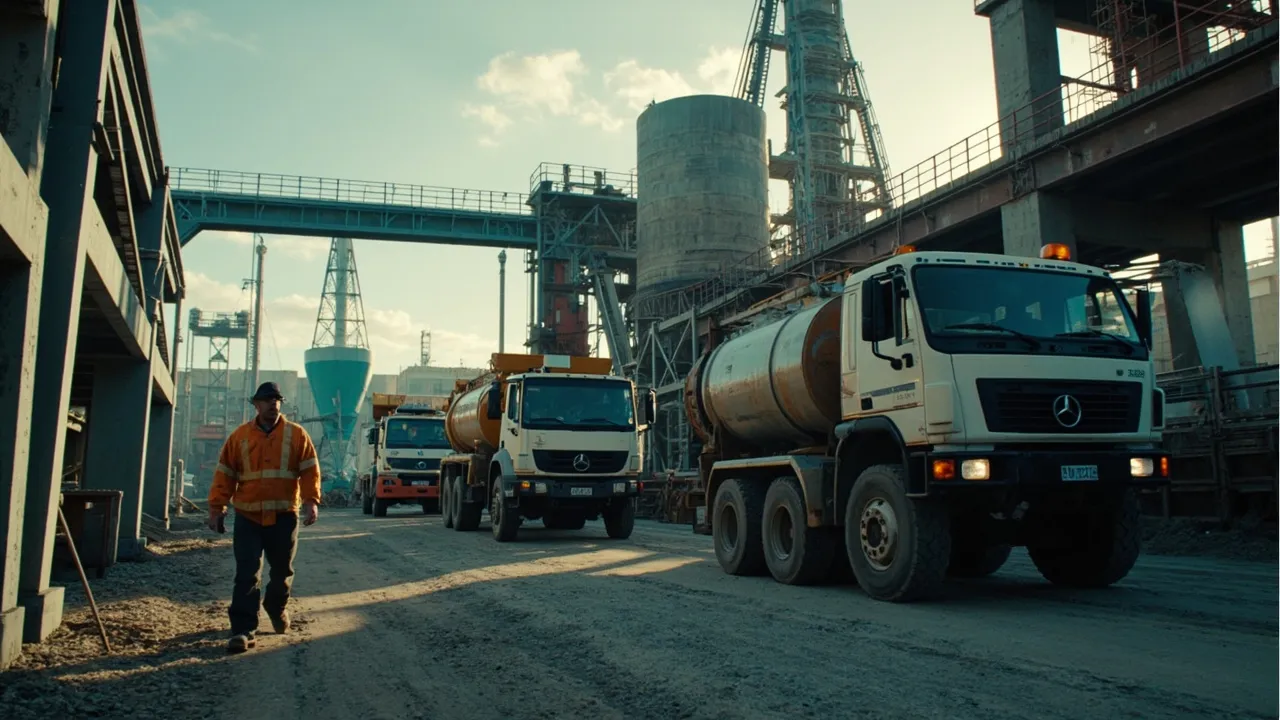
The €13 billion headline should first be converted into physical demand. Early civil works bring aggregates, steel, precast concrete, cranes, temporary power, and contractor equipment. Mechanical and electrical phases add switchgear, transformers, generators, chillers, cooling modules, pumps, cable, and battery systems. Fit-out introduces server racks, networking equipment, controls, and security-sensitive replacement parts.
These flows require different capacity:
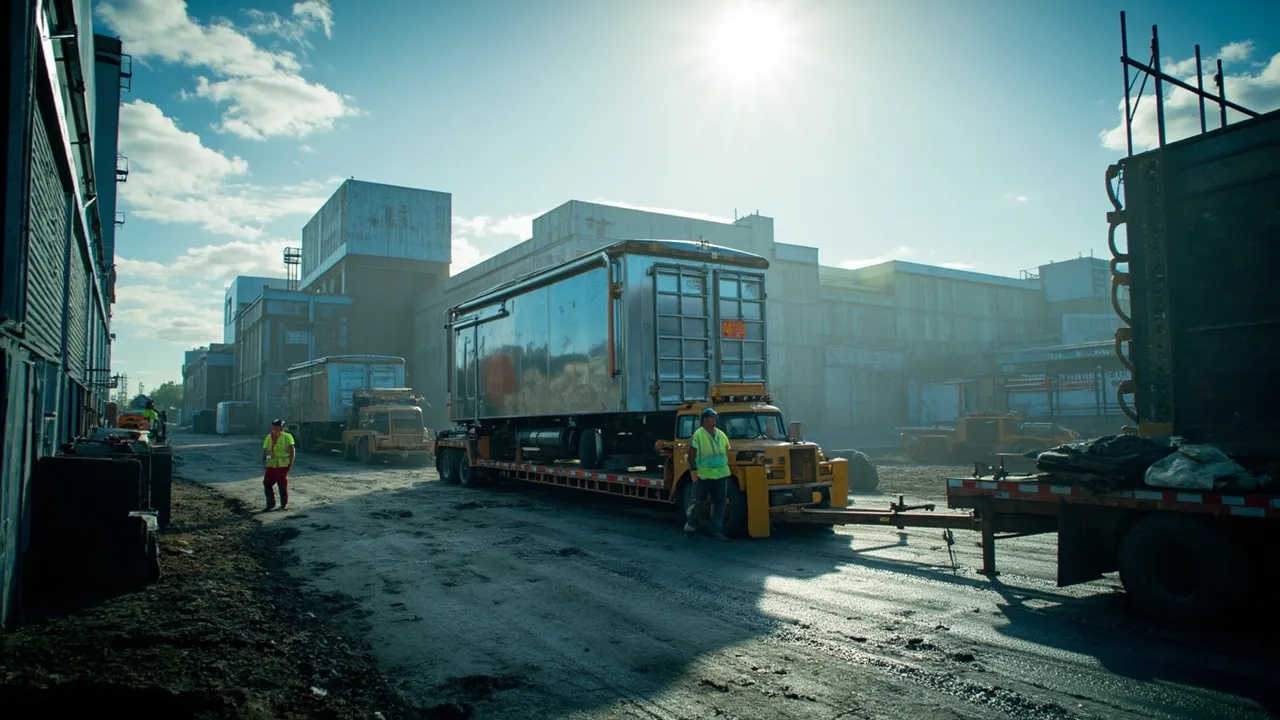
- Heavy and oversized equipment needs route surveys, permits, escorts, lifting plans, specialized trailers, and firm crane appointments.
- High-value technology cargo needs secure handoffs, shipment-level visibility, controlled access, and tight delivery windows.
- Construction materials need reliable volume capacity and staging space without crowding critical equipment.
- Commissioning spares need expedited options because a low-cost component can hold up a high-value system test.
Do not combine them into one generic inbound forecast. Separate equipment by handling profile, value, criticality, origin, and required-on-site date. That classification determines whether a load needs a charter, flatbed, container, secure truck, cross-dock, or controlled temporary storage.
Put long-lead equipment on the critical path
Electrical and cooling equipment deserve their own control tower. A Supply Chain Dive review of construction constraints found that transformers could take as long as 52 weeks to reach a jobsite, while HVAC equipment also faced extended lead times. Those figures predate this Finnish program, but they demonstrate why planners cannot treat purchase-order confirmation as supply assurance.
Each critical asset should have milestones for approved design, released order, factory production, factory acceptance test, export readiness, main-carriage booking, Finnish arrival, customs release, site access, lift, installation, and commissioning. Record the planned and forecast date at every milestone. A delay at the factory must immediately update the downstream transport and installation plan instead of remaining hidden until the delivery promise fails.
Google’s existing Finnish footprint also shows how tightly energy and computing infrastructure are linked. Reuters reported in 2024 that the Hamina data center operated with 97% carbon-free energy when Google announced a separate €1 billion expansion. The new program’s energy projects therefore belong inside the logistics schedule, not in a parallel facilities plan. Substation, grid, and power-generation dependencies can determine when installed computing equipment becomes usable.
Build a milestone-linked capacity map
A useful capacity map connects four layers: supplier, gateway, consolidation point, and project site.
At the supplier layer, record origin, production lead time, shipment dimensions, readiness confidence, and recovery options. Flag single-source equipment and components that cannot be substituted after design approval.
At the gateway layer, map ocean and air options, Finnish or regional entry points, customs requirements, oversized-load restrictions, and alternate routings. The lowest line-haul price is not automatically the best choice if it adds a risky transshipment or misses a seasonal heavy-haul window.
At the consolidation layer, reserve secure and weather-appropriate staging capacity. Consolidation should protect the installation sequence: kit associated components together, validate documentation, inspect for damage, and release loads only when the destination can receive them.
At the site layer, connect every shipment to a work package, unloading resource, laydown zone, and required-on-site window. Muhos, Kajaani, Stillförs, and Hamina should share one portfolio view, while preserving site-specific constraints. This prevents one project from consuming the last specialized trailer or crane needed by another.
Capacity reservations should follow milestones rather than broad monthly estimates. For example, reserve heavy-haul equipment against the transformer’s factory acceptance test plus transit buffer; reserve secure truck capacity against server release dates; and lock crane slots only after both cargo and foundation readiness pass defined confidence thresholds.
Define exceptions before they happen
The control plan needs explicit triggers and named owners. Useful exceptions include:
- Factory milestone slips by more than seven days on a critical asset.
- Forecast arrival consumes more than half of the commissioning buffer.
- Shipment dimensions or weight change after route approval.
- Customs documents remain incomplete five business days before departure.
- Site readiness confidence falls below the threshold for dispatch.
- Power infrastructure milestone moves beyond equipment energization date.
- Secure cargo loses a confirmed transport or storage appointment.
- Two sites require the same constrained carrier, crane, or installation crew in the same window.
Each trigger should launch a predefined response: expedite a component, switch gateway, hold at origin, use approved staging, resequence installation, reserve alternate lifting capacity, or escalate a supplier recovery plan. The system should retain the decision, cost, owner, and schedule effect so the portfolio team can distinguish isolated noise from a repeating constraint.
Manage one program, not four delivery calendars
Concurrent data center projects create competition inside the buyer’s own network. A portfolio-level view can prioritize loads by schedule impact, not by which site calls loudest. Track critical equipment on-time arrival, milestone variance, buffer consumption, detention, damage, secure-chain exceptions, and forecast commissioning impact.
CXTMS brings supplier milestones, bookings, carrier events, documents, site appointments, and exception workflows into a shared transportation record. That gives project teams time to act while an option still exists—before a missed factory date becomes an idle crane or a delayed energization.
Book a CXTMS demo to build a milestone-driven logistics control tower for complex projects and high-value freight.