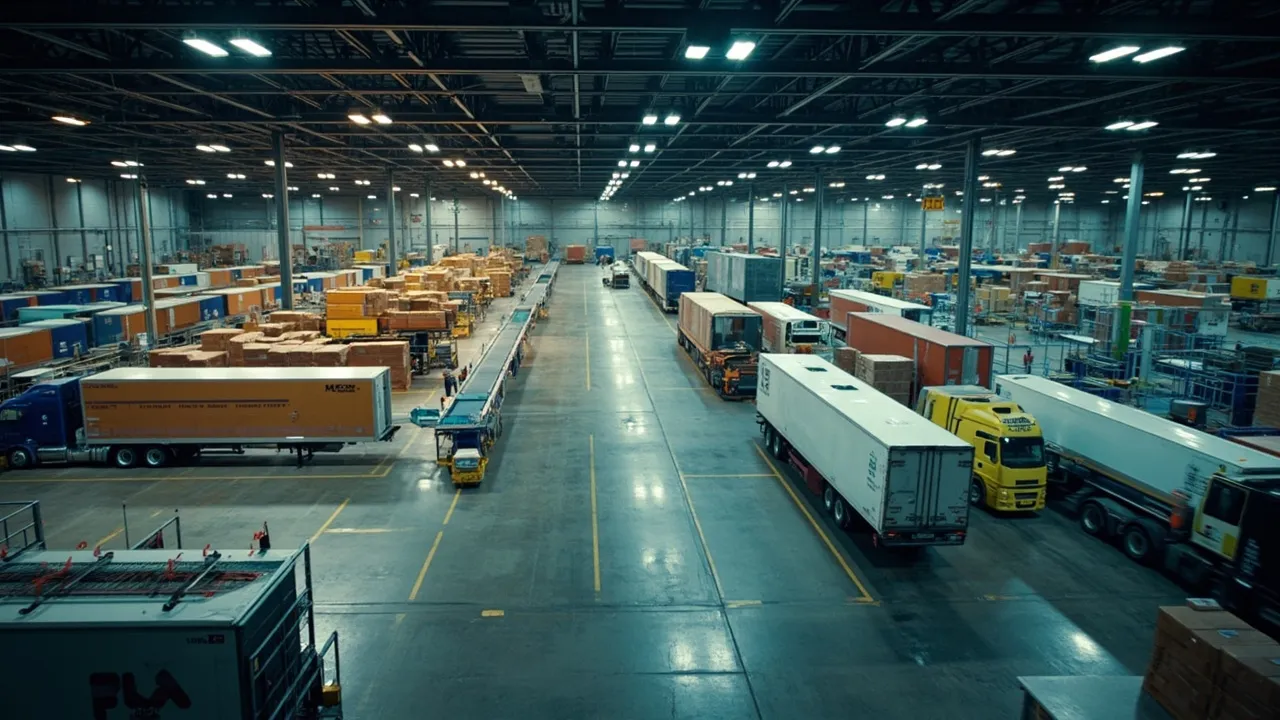
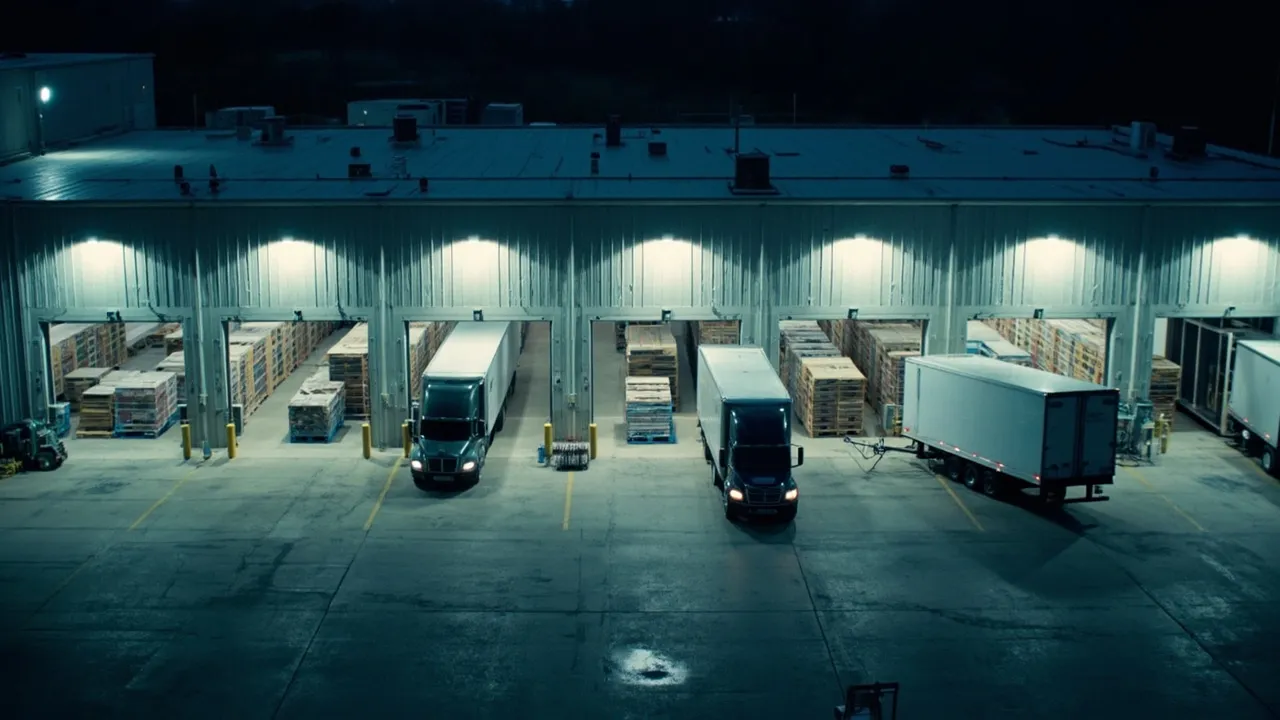
Heavy-Lift Capacity Is Tightening: Reserve the Critical Path, Not Just the Equipment

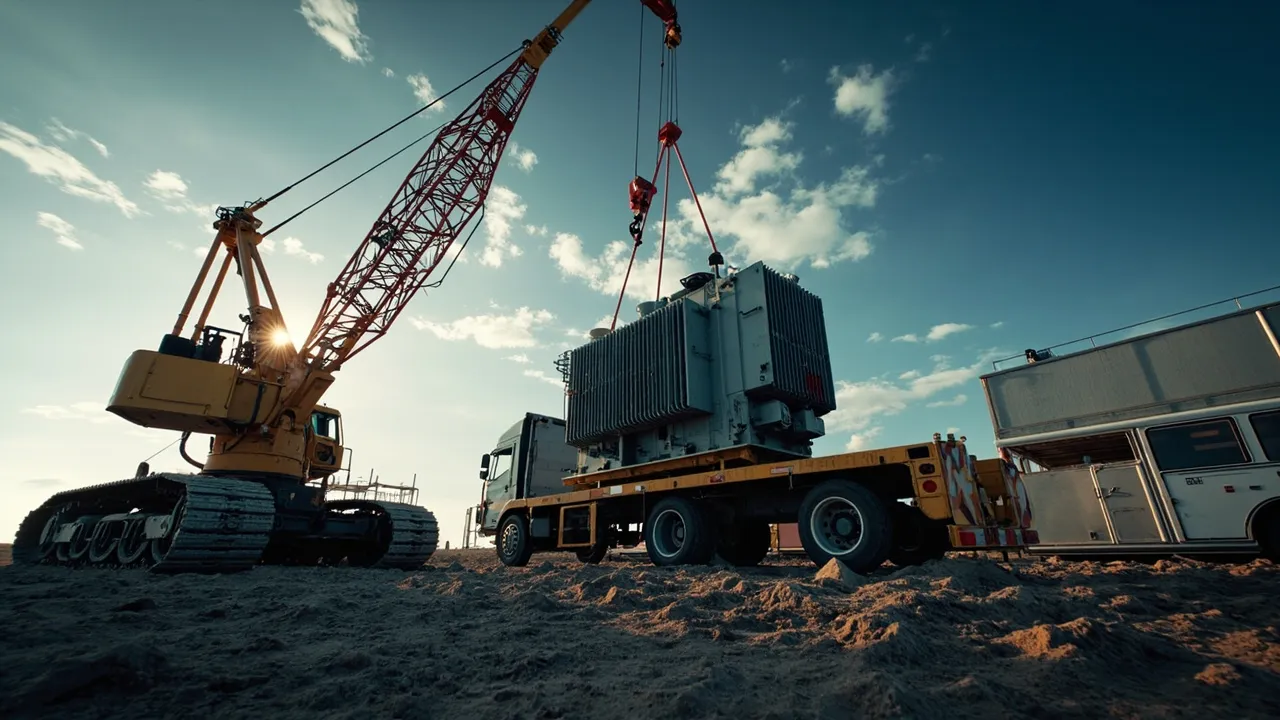
A confirmed crane is not the same as usable heavy-lift capacity. If the route survey is incomplete, a bridge approval is pending, escorts are unavailable, the laydown area is occupied, or the foundation has not been released, the crane booking is merely an expensive calendar entry.
That distinction is becoming more important as energy, data-center, infrastructure, and industrial projects compete for specialized equipment and people. Mordor Intelligence estimates the global project logistics market at $487.62 billion in 2026 and projects it to reach $624.06 billion by 2031, a 5.06% compound annual growth rate. Its heavy lifting and haulage research separately projects a market increase from $291.05 billion in 2025 to $374.48 billion in 2030.
Demand is not landing evenly. Large transformers, turbines, process modules, generators, and cooling systems require specific crane configurations, modular transporters, engineered routes, qualified operators, rigging teams, and tightly controlled site windows. Project owners therefore need to reserve the entire critical path rather than treating each resource as an independent purchase.
Capacity Is a Chain of Preconditions
Heavy-lift execution succeeds only when every required condition overlaps in the same window. The lift plan must match final cargo dimensions and center-of-gravity data. Ground-bearing pressure must be verified. The selected crane needs the correct boom, counterweight, mats, rigging, and assembly space. Transport permits must cover the actual axle configuration, while utilities, law enforcement, escorts, and road authorities must be available when the convoy moves.
Site readiness creates another dependency set. The receiving area needs a clear access path, stable laydown space, approved foundations, appropriate weather limits, and crews ready to unload and set the asset. A two-day civil-work slip can invalidate a crane mobilization, push the haul permit beyond its allowed window, and force a specialized crew onto another project.
People are a genuine constraint, too. McKinsey found that the US construction labor gap remained at about 250,000 openings in late 2024 and early 2025. The firm also notes that skilled-labor shortages and the geographic concentration of data-center construction are expected to keep labor costs rising. In project logistics, engineering reviewers, operators, riggers, inspectors, and permit specialists can be as scarce as the machines.
Build a Milestone-Linked Reservation File
The reservation record should begin with the required-on-site date and work backward through every gating milestone. It is more than a vendor confirmation. For each movement, record the cargo release, engineering-data freeze, route-survey completion, permit submission and approval, utility-clearance plan, transporter allocation, crane mobilization, site handover, lift window, and commissioning dependency.
Each milestone needs an owner, planned date, current forecast, evidence of completion, and latest safe date. The file should also identify which reservations are firm, which are conditional, and which can be shifted. A green crane booking should never hide an amber route permit or a red foundation release.
Commercial exposure belongs in the same record. Capture deposits, cancellation ladders, standby rates, demobilization charges, permit validity, crew minimums, and the date at which a reservation becomes nonrefundable. This allows the project team to compare the cost of holding capacity with the cost of losing the slot.
A useful decision gate might occur 30 days before mobilization. At that point, the team confirms that engineering data is frozen, the route is approved, civil readiness is credible, and upstream cargo production remains on schedule. If one condition fails, leaders can knowingly pay to retain the slot, release it before the next cancellation tier, or activate a revised sequence.
Hold Backup Resources That Can Actually Execute
Writing “backup crane available” in a risk register is not mitigation. The alternative must be checked against lift radius, capacity, configuration, mobilization distance, assembly footprint, operator availability, and local approvals. A substitute transporter likewise needs enough axle lines, compatible power packs, a feasible route, and permission to operate in the required jurisdiction.
Backups can take several forms. A project may reserve a secondary equipment window, prequalify another provider, engineer a second route, divide a module into smaller lifts, or retain temporary laydown space to absorb a delivery-site mismatch. The best option depends on the consequence of delay and the cost of keeping optionality alive.
The reservation file should show the backup's lead time and decision deadline. An alternative that requires six weeks to mobilize cannot recover a failure discovered three days before the lift. Teams should also test correlated risk: two crane suppliers drawing operators from the same labor pool or two routes requiring approval from the same constrained agency are not fully independent backups.
Connect Logistics Milestones to Commissioning
Project logistics should be managed against commissioning outcomes, not simply delivery dates. Link each heavy component to the construction activity it unlocks: transformer energization, turbine setting, mechanical completion, systems testing, or production startup. Then calculate the downstream float and the value of each day at risk.
When a milestone changes, the logistics record should show which reservations are affected and what delay costs follow. These may include equipment standby, extended site overhead, contractor remobilization, liquidated damages, missed power revenue, or deferred production. That visibility changes the conversation from “Can we save the crane deposit?” to “Which decision best protects the commissioning date and total project economics?”
Delay attribution also becomes more credible. Timestamped approvals, document revisions, forecast changes, shipment events, site-release records, and supplier confirmations reveal whether a disruption originated in manufacturing, permitting, transport, civil readiness, weather, or resource availability. That evidence supports contract management and, more importantly, improves the next project plan.
Manage the Window as One Operational Object
Heavy-lift scarcity is not solved by buying equipment earlier in isolation. It is solved by synchronizing the equipment, people, permissions, engineering, cargo, and site conditions that make a lift executable. The operational unit is the complete window.
CXTMS gives project teams a shared record for milestones, documents, transport movements, exceptions, vendors, and costs. That makes critical-path risk visible early enough to protect scarce capacity and commissioning commitments. Request a CXTMS demo to see how complex project freight can be coordinated from reservation through final placement.