GLP-1 Drugs Are Reshaping Logistics From Both Ends: Pharma Cold Chain Surges as Food Freight Demand Falls 3%


One drug class is simultaneously creating and destroying freight demand at a scale the logistics industry has never seen. GLP-1 receptor agonists—the medications behind Ozempic, Wegovy, and Mounjaro—are flooding pharmaceutical cold chains with unprecedented volume while quietly draining millions of truckloads from the food and beverage supply chain.
It's a logistics paradox that's forcing carriers, 3PLs, and shippers to fundamentally rethink demand forecasting models that have remained stable for decades.
The GLP-1 Paradox: One Drug, Two Opposite Logistics Effects
The numbers tell a striking story. Roughly one in eight U.S. adults now takes a GLP-1 medication, according to a fall 2025 Kaiser Family Foundation survey of 1,350 adults. Of those users, 30% take the drug solely for weight loss, while another 32% use it for both chronic condition management and weight loss.
That adoption rate is translating into measurable shifts across two massive logistics categories—pharmaceutical distribution and food freight—but in completely opposite directions.
On the pharma side, the healthcare cold chain third-party logistics market is projected to nearly double from $45 billion in 2025 to $83 billion by 2033, according to Grand View Research. On the food side, academic research from Purdue, Cornell, and other institutions points to an approximate 3% drop in total caloric food demand due to appetite suppression—a figure that translates to roughly 3 million fewer truckloads annually across the U.S. food supply chain.
Pharma Side: Cold Chain Infrastructure Races to Keep Up
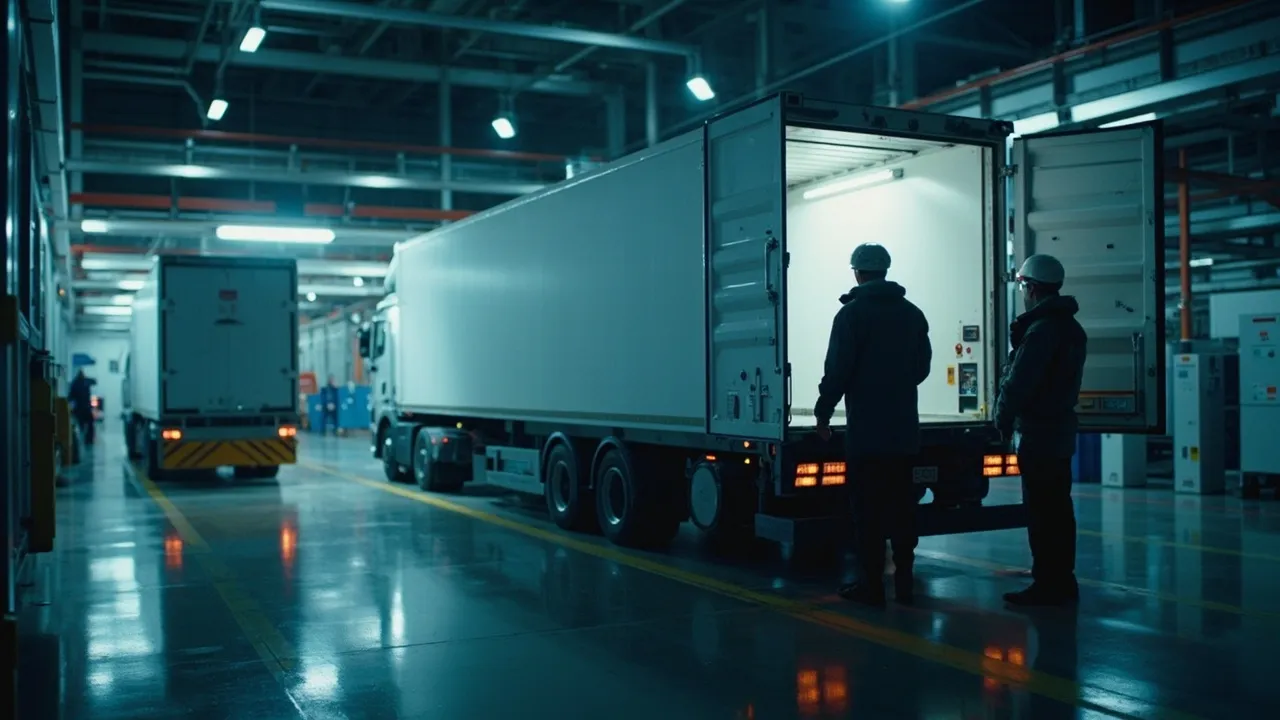
GLP-1 drugs aren't ordinary pharmaceuticals. They must be maintained at 35–46°F from manufacturing facility to pharmacy to remain stable—a requirement that has pushed the entire pharmaceutical logistics ecosystem into rapid expansion mode.
Nordic Cold Chain Solutions announced the launch of its GLP-1 & Small-Format Packaging Innovation Lab just this week, a dedicated facility designed to help specialty pharmacies and e-commerce fulfillment operations keep pace with surging demand. The lab focuses on temperature-controlled packaging solutions engineered specifically for the compact, high-value shipments that characterize GLP-1 distribution.
The investment reflects a broader industry trend. Pharmaceutical companies have poured billions into expanding production lines, building new manufacturing facilities, and strengthening cold chain infrastructure. The GLP-1 market itself is projected to reach $150 billion by 2030 according to PwC, creating sustained logistics demand that compounds over time as new patients layer on top of a growing base of ongoing users.
"Planning is further complicated by the nature of GLP-1s as a chronic therapy," noted Emily Nicholls, VP of supply chain applications at Anaplan, in an interview with SupplyChainBrain. "Unlike a one-time surge, demand compounds over time as new patients start to layer on top of a growing base of ongoing users, making long-term capacity planning structurally more difficult."
Freight Side: 3 Million Fewer Truckloads and Counting
The appetite-suppressing effects of GLP-1 drugs are creating a measurable headwind for food and beverage freight. U.S. trucks move more than 2 billion tons of food and beverages annually—roughly 100 million truckloads per year. A 3% reduction across that volume represents approximately 3 million fewer truckloads, a figure that rivals the projected impact of major rail consolidation deals.
The categories hit hardest align with classic high-volume freight lanes. Research published in the Journal of Market Research found that households reduced grocery spending by an average of 5.3% within six months of a family member starting a GLP-1 medication, while spending at fast food restaurants fell by roughly 8%. Savory snack purchases dipped 10%, with similar declines in sweets, baked goods, and cookies.
JP Morgan projects that GLP-1 treatments could lead to an annual revenue reduction of $30–$55 billion for the food and beverage industry by 2030–2034, with consumers on the medications taking in 21% fewer calories and spending 31% less on groceries.
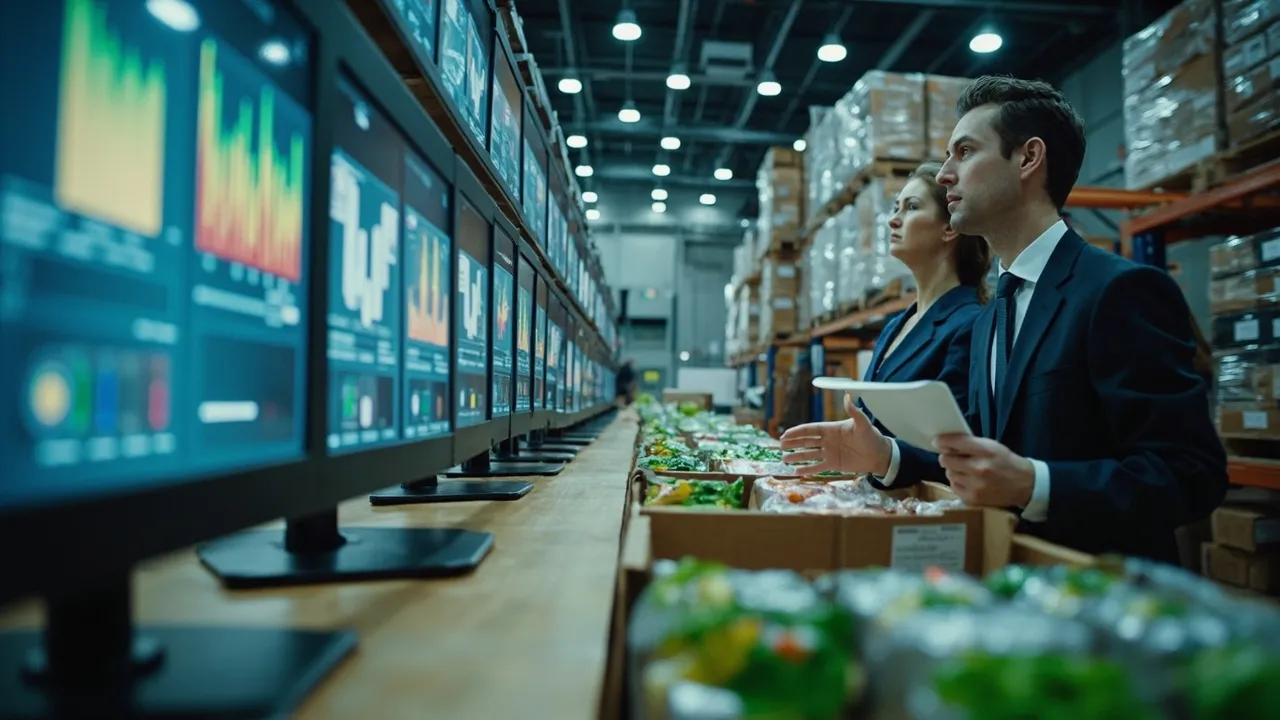
Real-world freight signals are already emerging: softer reefer and dry van demand in certain consumer packaged goods segments, reports from brokers of lighter loads in snack-heavy lanes, and category-specific volume softness that doesn't fully align with broader economic conditions.
Demand Forecasting Implications for Carriers and 3PLs
For logistics providers, the GLP-1 effect introduces a structural variable that traditional demand models weren't built to handle. Unlike seasonal fluctuations or economic cycles, this is a sustained, compounding shift in consumption patterns driven by public health adoption curves.
The winners and losers are becoming clear. Carriers heavily exposed to discretionary, high-calorie food categories face the steepest volume declines. Meanwhile, haulers specializing in fresh and perishable goods, health-focused consumer packaged goods, and pharmaceutical cold chain logistics stand to benefit from shifting demand patterns.
Fresh produce and proteins appear more resilient, with evidence of slight volume upticks as consumers prioritize nutrient-dense foods. Food manufacturers are responding by reformulating products and introducing GLP-1-friendly product lines—ConAgra added "GLP-1 friendly" labels to 26 Healthy Choice meals, while Nestlé launched its "Vital Pursuit" frozen meal brand targeting weight management consumers.
The counterbalancing forces shouldn't be ignored. Construction of new pharmaceutical manufacturing facilities for GLP-1 production is generating significant truckloads, and the specialized logistics supporting the pharmaceutical boom represent a growing freight category in their own right.
How CXTMS Helps Shippers Navigate the GLP-1 Logistics Shift
The dual nature of the GLP-1 logistics impact demands visibility across both pharmaceutical and food freight portfolios—something that siloed transportation management approaches struggle to deliver.
CXTMS provides shippers with the cross-modal visibility and demand analytics needed to rebalance carrier portfolios as freight patterns shift. Whether you're scaling up temperature-controlled pharmaceutical distribution or optimizing food and beverage networks against declining volumes, CXTMS delivers the real-time intelligence to stay ahead of structural market changes.
Ready to future-proof your logistics strategy against shifting demand patterns? Request a CXTMS demo today and see how unified transportation management helps you adapt to the forces reshaping freight.