The Intermodal Renaissance: Why Shippers Are Shifting From Truck-Only to Rail-Truck Hybrid Networks

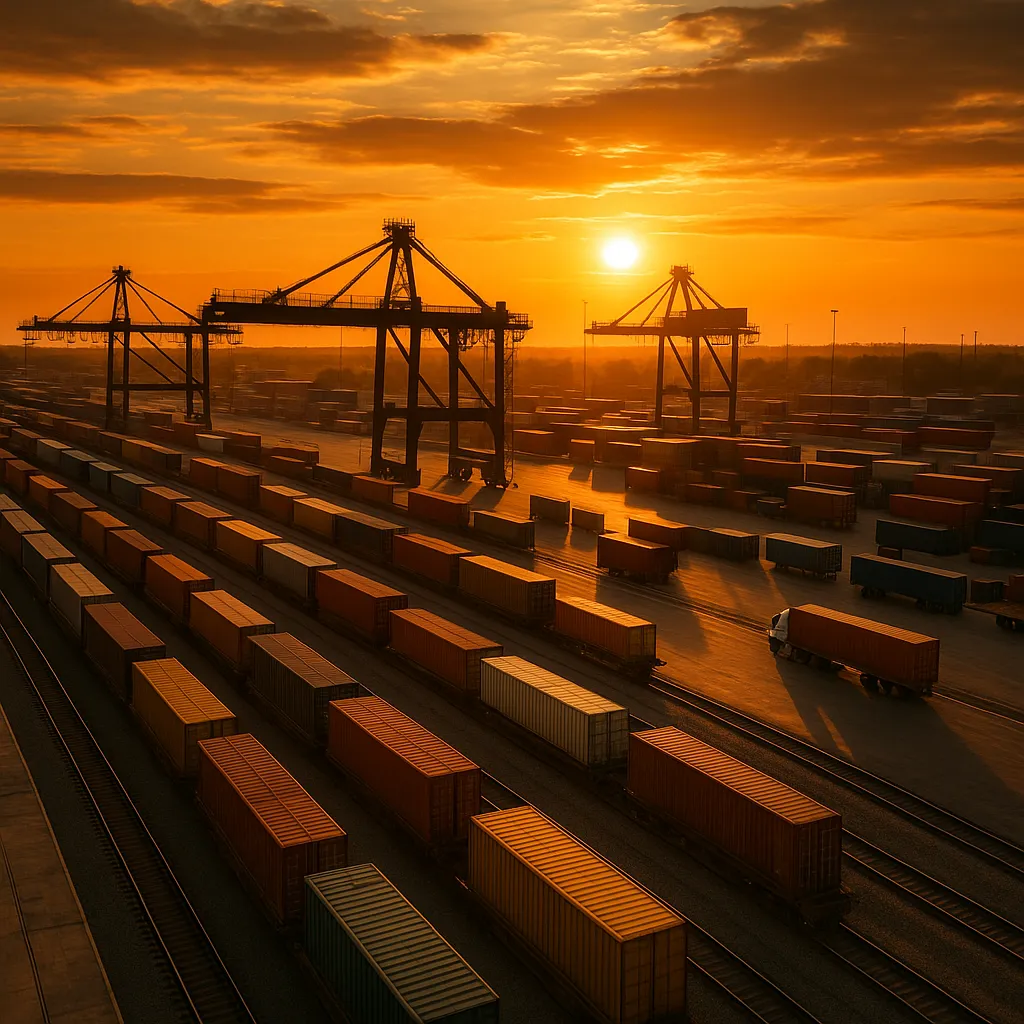
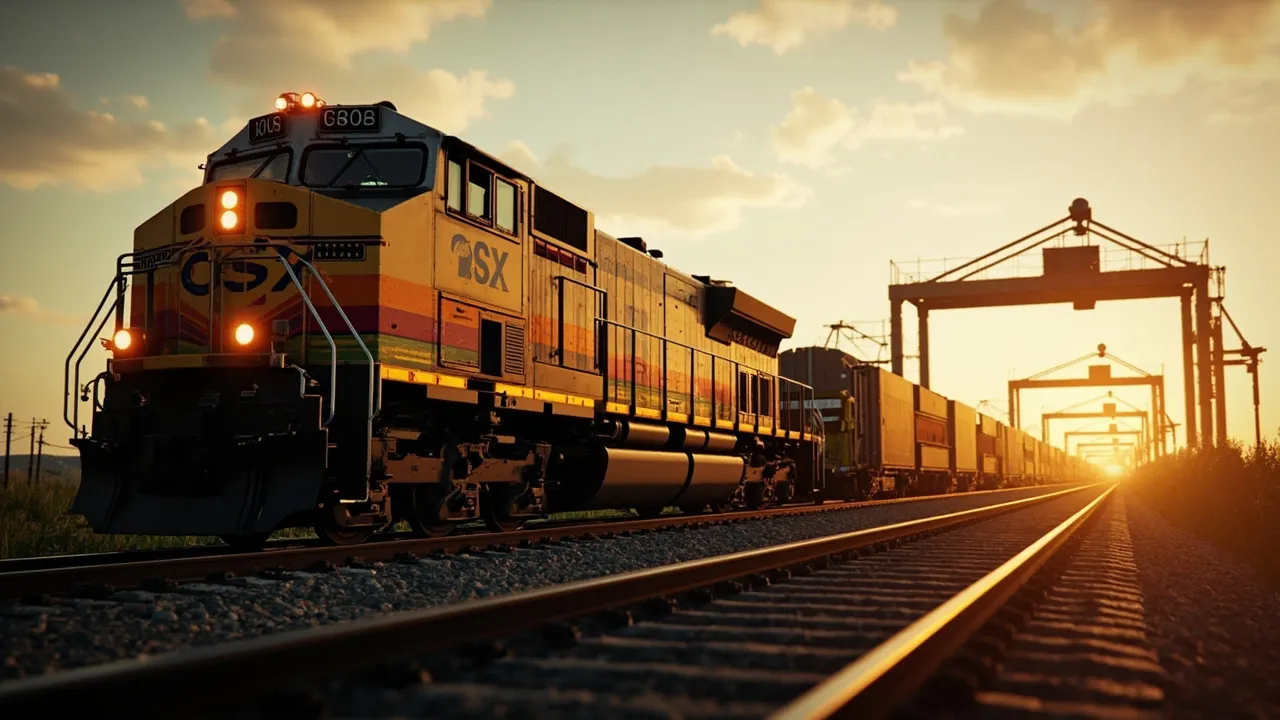
The trucking-only model that dominated North American freight for decades is losing ground — fast. Intermodal freight volumes surged 8.5% in 2024, topping 18 million units according to the Intermodal Association of North America (IANA). Shippers are discovering what railroads have known for a century: for long-haul lanes, combining rail and truck isn't a compromise. It's an upgrade.
The Numbers Behind the Shift
The global intermodal freight transportation market is on an explosive growth trajectory. Valued at an estimated $27.5 billion in 2025, the market is projected to reach $82.6 billion by 2030 at a compound annual growth rate of 13.5%, according to Mordor Intelligence. Grand View Research paints an even more ambitious picture, forecasting the market could hit $93.5 billion by 2030 at a 12.1% CAGR.
These aren't abstract projections. They reflect real operational decisions happening in shipping departments right now. Rising diesel costs, driver shortages, and carbon reporting mandates are pushing logistics managers to rethink their network designs — and intermodal is the clear winner for lanes exceeding 750 miles.
Why Rail Beats Trucks on Long Hauls
The physics are simple: steel wheels on steel rails generate far less friction than rubber on asphalt. According to data from the Association of American Railroads (AAR), freight railroads are 3 to 4 times more fuel-efficient than trucks. A single train can replace hundreds of trucks on the highway, and modern locomotives feature advanced fuel management systems that optimize consumption in real time.
The environmental case is even more compelling. A study by the International Council on Clean Transportation (ICCT) found that intermodal road-rail routes cut CO2 emissions by 30% to 60% compared with truck-only transport. The EPA has reported even higher figures — up to 75% greenhouse gas reduction when freight moves by rail on corridors exceeding 1,000 miles.
For shippers facing ESG reporting requirements and Scope 3 emissions pressure from customers, intermodal isn't just a cost play. It's a compliance strategy.
The Cost Advantage Is Real
Sustainability is compelling, but the CFO cares about the bottom line — and intermodal delivers there too. According to ICCT analysis, intermodal transportation can save 20% to 40% of the cost of road-only transport on qualifying lanes. The savings come from multiple vectors: lower fuel consumption, reduced driver costs for the rail segment, and fewer highway tolls.
The economics improve further as fuel prices rise. Every $0.10 increase in diesel prices widens the intermodal cost advantage, making the rail-truck hybrid increasingly attractive during periods of energy market volatility — exactly the kind of volatility shippers have faced consistently since 2022.
Infrastructure Is Finally Catching Up
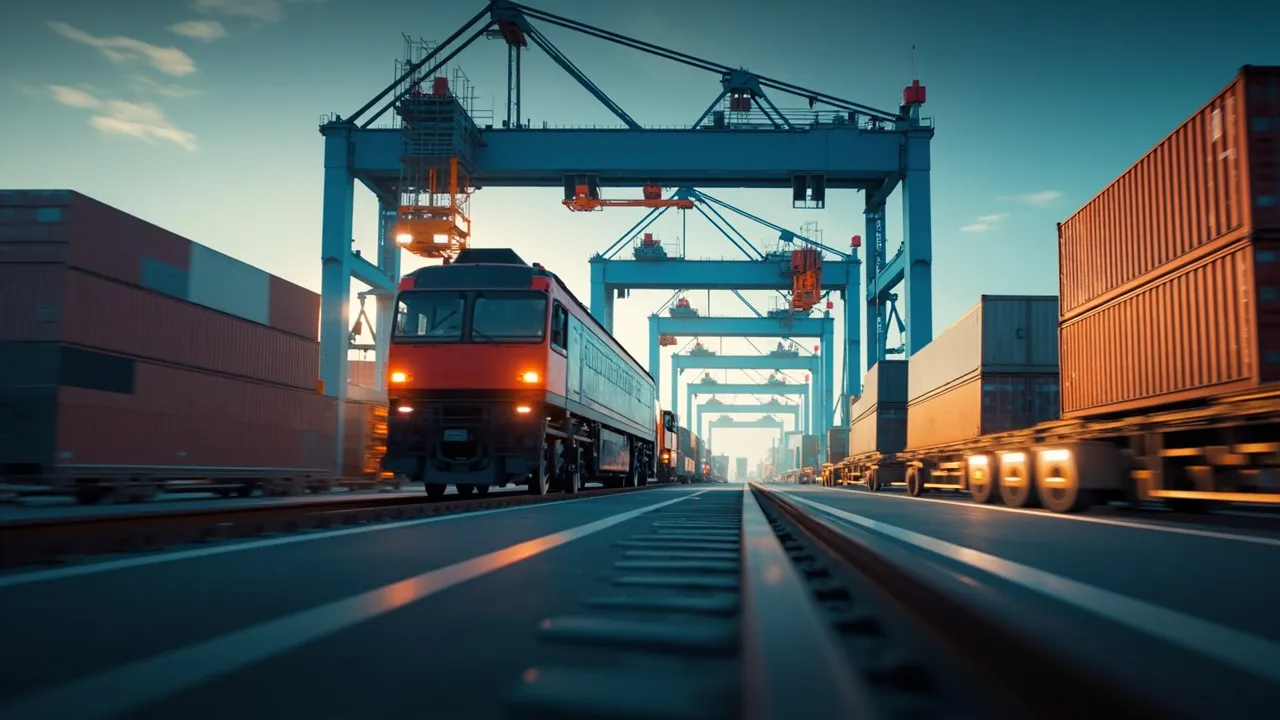
One reason intermodal struggled in earlier decades was inadequate terminal infrastructure. That's changing rapidly. Class I railroads have invested billions in terminal modernization, deploying zero-emission cranes, battery-electric hostlers, and automated gate systems that reduce truck dwell times at intermodal facilities.
According to AAR data, railroads are also implementing biometric scanners and mobile apps at intermodal terminals, cutting processing times and reducing idle emissions. These investments directly address the historical complaint that intermodal was "too slow" — modern terminals process containers with speed and precision that rivals traditional trucking docks.
FreightWaves reported that the North American intermodal market entered 2025 in a "long peak" driven by strong consumer demand, strategic infrastructure investments, and shifting global trade patterns. With roughly half of intermodal volume tied to global trade, early-2026 restocking trends are sustaining momentum well beyond the traditional peak season.
The Multimodal TMS: Making Intermodal Accessible
The biggest barrier to intermodal adoption was never the economics — it was complexity. Coordinating drayage, rail linehaul, and final-mile delivery across multiple carriers requires visibility that spreadsheets and phone calls simply cannot provide.
This is where modern Transportation Management Systems become essential. A multimodal TMS can automatically identify shipments eligible for intermodal conversion, compare total landed costs across truck-only and rail-truck options, and manage the handoff between drayage carriers and rail providers seamlessly.
CXTMS approaches this challenge with intelligent routing optimization that evaluates every shipment against intermodal lane availability, transit time requirements, and cost thresholds. When a shipment qualifies for intermodal, the system handles carrier selection, booking, and tracking across all modes — giving shippers the cost and sustainability benefits of intermodal without the operational complexity.
What's Next for Intermodal
The intermodal renaissance is accelerating, not plateauing. Several forces will push adoption higher through 2026 and beyond:
- Carbon border adjustments: As the EU's CBAM and similar regulations expand, shippers with lower-emission transport networks will gain trade advantages.
- Driver shortage: The trucking industry continues to face chronic driver shortages, making rail-truck hybrids essential for capacity planning.
- Technology convergence: IoT sensors on containers, AI-powered demand forecasting, and real-time visibility platforms are eliminating the information gaps that historically made intermodal unpredictable.
- Fuel price volatility: Every spike in diesel prices converts more truck-only lanes to intermodal candidates.
The shippers who invest in intermodal network design now — supported by TMS platforms that can optimize across modes — will lock in structural cost advantages that compound over time.
Ready to optimize your freight network with multimodal routing? Contact CXTMS for a demo and see how intelligent intermodal planning can reduce your transportation costs and carbon footprint.