Container Misrouting and Equipment Imbalance Crisis: How the Iran Conflict Is Stranding Boxes at Wrong Ports Worldwide

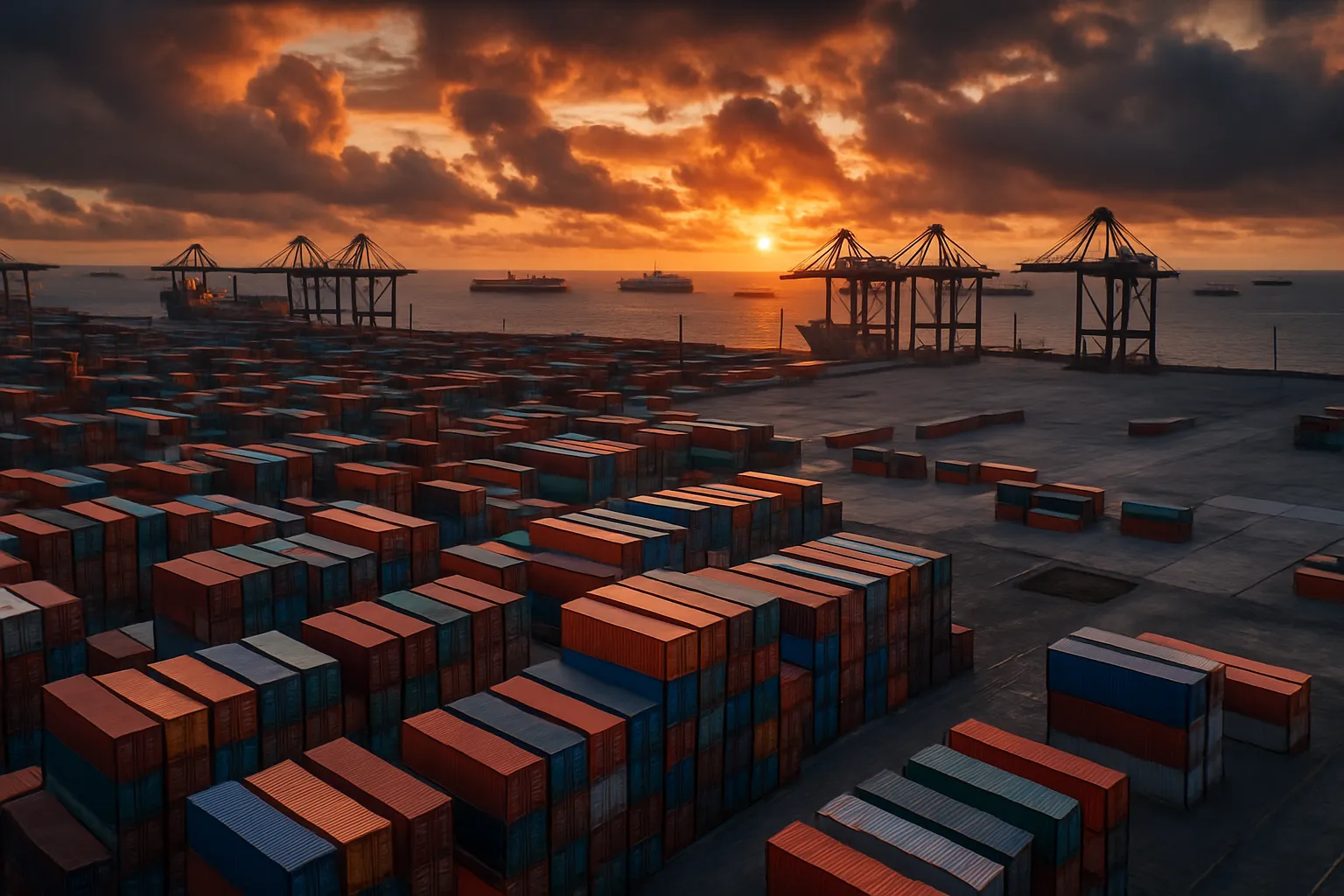
The Strait of Hormuz closure and mass vessel rerouting triggered by the Iran conflict have dominated shipping headlines in March 2026 — but a quieter, more insidious crisis is building at ports thousands of miles from the conflict zone. Containers are ending up at the wrong ports. Equipment that should be in Shanghai is stacking up in Rotterdam. Boxes needed in Mumbai are piling up in Durban. The global container equipment imbalance, already a structural challenge before hostilities began, has accelerated into a full-blown crisis that is hitting shippers on trade lanes with zero direct exposure to the Persian Gulf.
The Scale of the Displacement
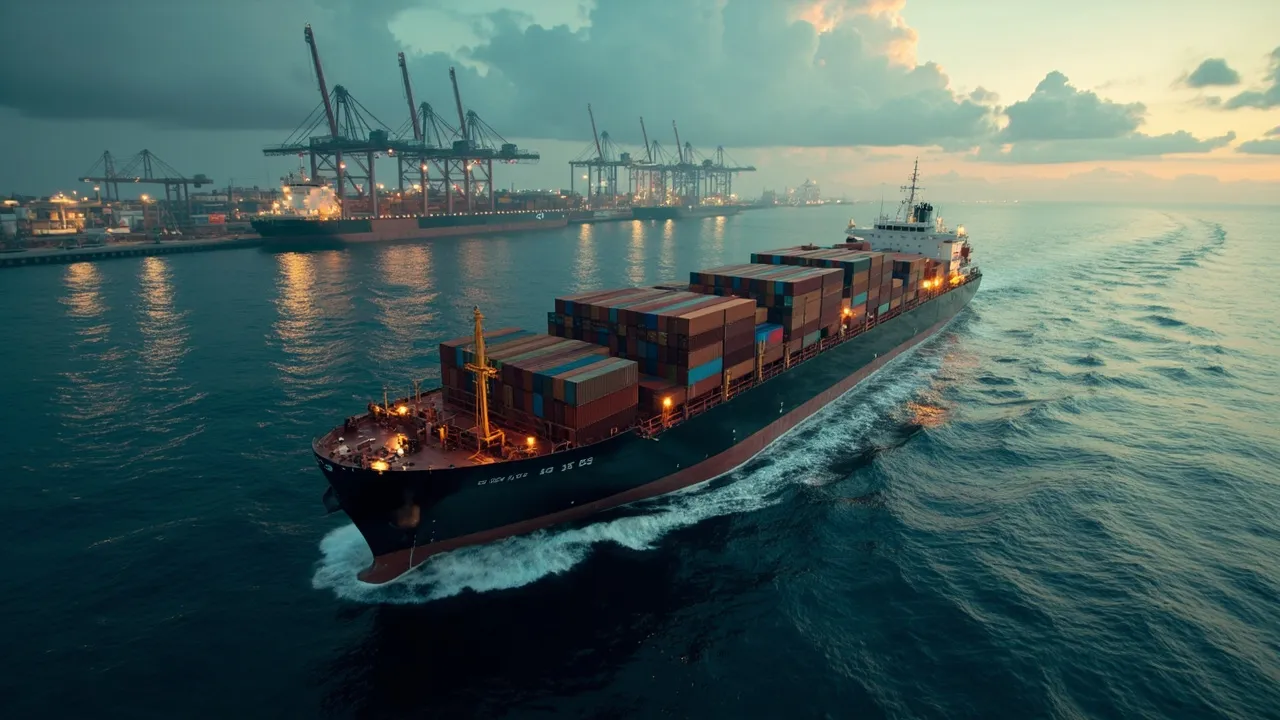
When major carriers including Maersk, Hapag-Lloyd, and CMA CGM rerouted vessels around the Cape of Good Hope in early March, adding 10 to 14 days to Asia-Europe transit times, the immediate headline was about delays and rate surges. But the secondary effect — container displacement — is proving equally damaging.
According to Ocean Network Express CEO Jeremy Nixon, approximately 10% of the world's container ships became ensnared in broader backups around the Strait of Hormuz and surrounding waters, with at least 150 vessels dropping anchor in the Gulf region. Each of those vessels carries thousands of containers that are now marooned far from their intended destinations, creating cascading equipment shortages across global trade lanes.
The numbers tell a stark story. Sea-Intelligence data shows that empty container movements as a share of loaded volumes have risen from around 22% pre-pandemic to 28% by January 2026 — and that was before the Hormuz closure accelerated the imbalance. The Iran conflict is now layering a massive disruption on top of an already strained repositioning system.
The Asia-Europe Imbalance Hits 3.3:1
The structural foundation of this crisis predates the conflict. As highlighted at TPM26 last week, the Asia-Europe trade imbalance widened to 3.3:1 by the end of 2025, up from 2.9:1 a year earlier, according to Container Trades Statistics. Far East-to-Europe liftings surged 9%, pushing monthly headhaul volumes to record levels of 1.8 million TEU.
What this means in practical terms: for every three loaded containers arriving in Europe from Asia, fewer than one goes back loaded. The rest need to be repositioned empty — a costly exercise that was already straining carrier economics before rerouting added weeks of transit time to every voyage.
Three problems are now converging at European terminals. First, the sheer volume of empties arriving with record headhaul cargo. Second, the collapse of backhaul demand as European export volumes weaken. Third, the Hormuz closure disrupting the repositioning routes that carriers relied on to sweep empties back to Asia through the Suez Canal and Middle East transshipment hubs.
How Rerouting Creates Equipment Chaos Far From the Conflict
The mechanics of container displacement are straightforward but devastating in their scale. When a vessel originally scheduled to transit Suez gets rerouted around Africa, every container on board arrives at a different port — or the same port weeks late — disrupting the entire equipment repositioning cycle.
Consider a typical Asia-Europe rotation. Containers loaded in Ningbo or Yantian arrive in Rotterdam or Hamburg, get emptied, and traditionally flow back through Mediterranean and Middle East hubs like Tanger Med, Jeddah, or Jebel Ali before returning to Asian load ports. With the Hormuz closure and Red Sea rerouting, that circular flow is broken.
FTI Consulting's analysis of the conflict's impact on transportation and logistics noted that capacity has tightened "not because fewer ships exist, but because effective capacity has dropped as vessels take longer routes, spend more time at anchor, or exit the trade lane entirely." This phantom capacity loss — ships still exist but aren't where they need to be — creates the same effect as a container shortage even when the global fleet is technically oversupplied.
The Cost of Getting Boxes Back Where They Belong
Container repositioning is one of shipping's most expensive inefficiencies under normal conditions. The industry moves billions of dollars worth of empty steel boxes around the globe every year simply to maintain equipment availability at export origins.
Some carriers are now opting for dedicated repositioning voyages — sweeping empties back to Asia on vessels carrying little to no revenue cargo. War risk insurance premiums have surged to as much as 1% of a vessel's value, up from approximately 0.2% before the conflict, according to industry sources cited by Reuters. That translates to hundreds of thousands of dollars in additional costs per voyage — costs that ultimately flow through to shippers as surcharges, equipment fees, and tighter capacity on revenue-generating routes.
For shippers on transpacific and intra-Asia lanes — trade lanes geographically distant from the Persian Gulf — the impact arrives as equipment unavailability. Containers that would normally be repositioned from Europe to Asia for reloading are stuck in the wrong hemisphere, creating booking delays and equipment surcharges even for cargo moving between ports in China, Southeast Asia, and the U.S. West Coast.
What Shippers Should Do Now
The container displacement crisis demands proactive action across several fronts:
Audit equipment commitments in carrier contracts. Review Minimum Quantity Commitments (MQCs) and understand whether your carriers can guarantee equipment availability at origin. If they can't, negotiate penalty-free volume reallocation to carriers with stronger equipment positions on your specific trade lanes.
Diversify transshipment hub exposure. Shippers relying heavily on Middle East transshipment hubs like Jebel Ali or Salalah should evaluate direct-call services or alternative hub ports in Southeast Asia (Singapore, Port Klang, Tanjung Pelepas) that are less exposed to Hormuz disruption.
Extend booking lead times. Equipment-constrained markets reward advance planning. Where you previously booked 2 to 3 weeks ahead, extending to 4 to 6 weeks provides carriers more time to position equipment and reduces the risk of rolling — having your cargo bumped to a later sailing.
Monitor empty container indices. Tools like the Container Availability Index (CAx) from Container xChange provide real-time visibility into equipment surplus and deficit by port and equipment type. This data should inform procurement decisions and help identify emerging shortages before they hit your supply chain.
How CXTMS Helps Shippers Navigate Equipment Disruptions
CXTMS provides container tracking and booking optimization capabilities designed for exactly these kinds of disrupted markets. Our platform gives shippers real-time visibility into container positions across carriers and trade lanes, enabling data-driven decisions about carrier selection, routing alternatives, and equipment procurement strategies.
When the market turns chaotic — as it has in March 2026 — the shippers who maintain visibility into equipment flows and carrier performance are the ones who avoid the worst disruptions. Request a CXTMS demo to see how our platform can help you stay ahead of the container displacement crisis and protect your supply chain from equipment imbalances that show no signs of resolving soon.