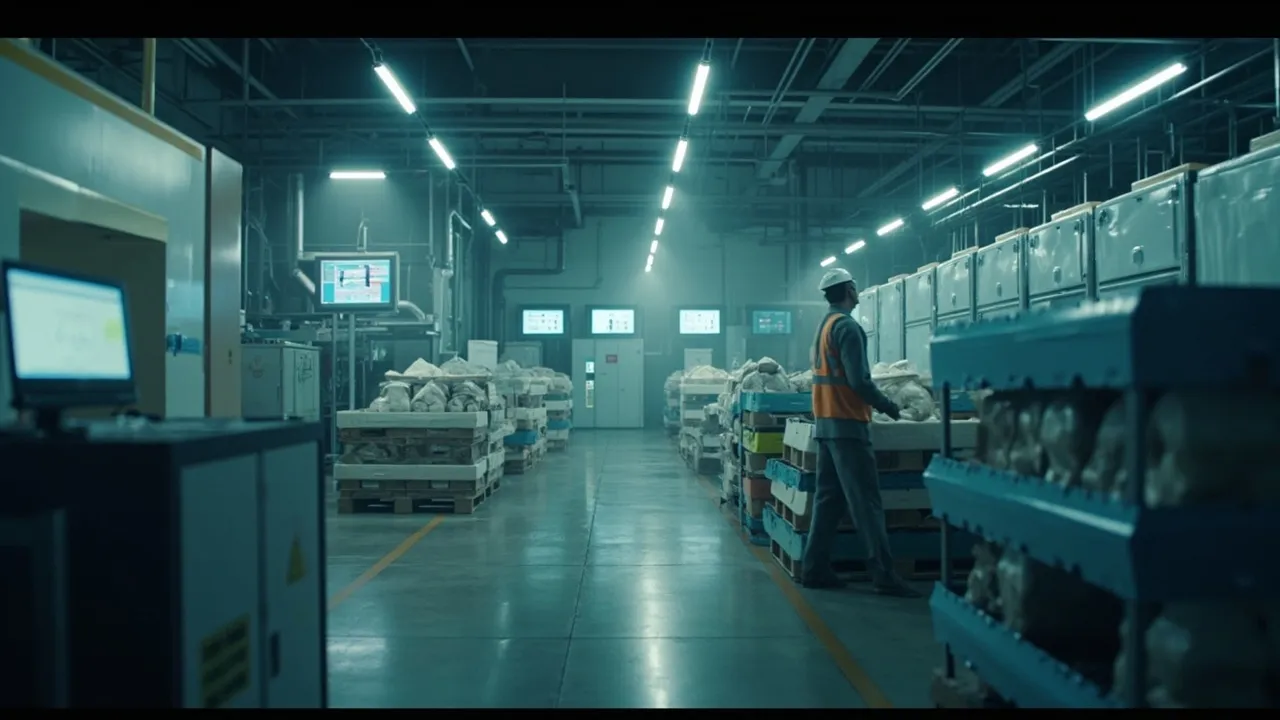
The CEVA Warehouse Cyberattack Exposes the Missing Manual-Fulfillment Playbook

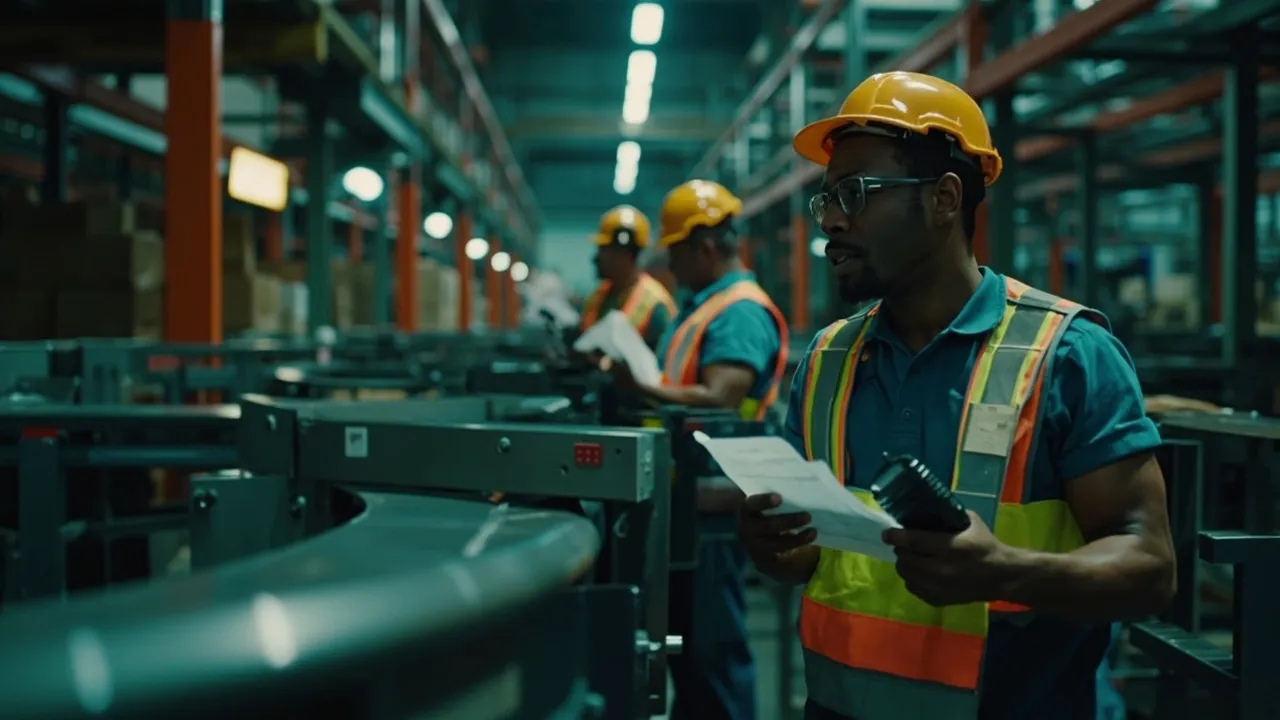
A warehouse cyberattack is not merely an IT outage. Once the warehouse management system becomes unavailable or untrusted, operators can lose their view of inventory, work queues, carrier appointments, shipping labels, and customer priorities at the same time. The building may still have people, forklifts, stock, and dock doors, yet no safe way to coordinate them.
That operational gap became visible when FreightWaves reported that a cyberattack disrupted eight CEVA Logistics warehouses in Europe that fulfill e-commerce orders. Retail customers experienced shipping delays while CEVA worked to patch the breach and restore operations. For shippers, the incident is a warning about concentration risk: one shared 3PL platform can connect multiple warehouses and customers—and spread disruption across them.
The answer is not to improvise with spreadsheets after systems go dark. Every shipper and 3PL needs a tested manual-fulfillment playbook that defines the minimum offline data, the order in which operations recover, and the evidence required before digital records are trusted again.
Build the offline data pack before the outage
Manual fulfillment depends on a recent, usable snapshot created while systems are healthy. Store it in a secured recovery environment that is isolated from normal production credentials. If the only backup is reachable through the same identity service or network that has been compromised, it may be inaccessible when operators need it most.
The minimum offline pack should contain:
- inventory by SKU, lot, serial number, status, quantity, and location;
- open inbound shipments, purchase orders, expected quantities, and dock appointments;
- open customer orders with allocation status, ship-by time, service level, and priority;
- planned outbound loads, carrier contacts, equipment, pickup windows, and routing instructions;
- packaging, labeling, hazmat, temperature, and customer-specific handling rules;
- approved user, customer, carrier, supplier, and escalation contact lists.
Exporting data is not enough. The pack needs a timestamp, accountable owner, checksum or other integrity control, and a clear maximum age. A fast-moving e-commerce operation may require snapshots every hour; a slower facility may tolerate four hours. That maximum acceptable data loss is the recovery point objective, or RPO. It should be set according to transaction velocity and operational exposure rather than what the backup tool happens to support.
Keep pre-numbered paper or offline-controlled forms for receipts, moves, picks, packs, loads, inventory adjustments, and exceptions. Every manual transaction needs a unique identifier so it can later be reconciled without double-receiving inventory or shipping the same order twice.
Recover in controlled tiers
Trying to restart every process at once creates congestion and corrupts records. Use recovery tiers that deliberately limit volume and complexity.
Tier 0: secure and account. Stop automated releases, isolate affected equipment, freeze nonessential inventory movement, and count high-value, regulated, temperature-sensitive, or production-critical stock. Confirm which systems and data are considered trustworthy. Cybersecurity guidance from Deloitte emphasizes isolating infected systems, restoring from backups, rebuilding compromised systems with clean images, and testing applications before normal operations resume.
Tier 1: protect critical flows. Receive only loads that prevent safety, spoilage, production, or severe customer consequences. Ship previously picked and verified orders when labels and carrier instructions can be validated independently. Use a small number of trained teams, dedicated staging zones, and supervisory sign-off.
Tier 2: controlled manual fulfillment. Release priority orders in bounded waves. Favor full-case, single-line, and easily verified orders before complex each-pick or value-added work. Cap work in process by zone and dock door so paperwork remains physically attached to goods.
Tier 3: digital restoration and reconciliation. Restore interfaces in sequence, test them with controlled transactions, then enter or import manual events. Do not treat system availability as proof that data is accurate. Reconcile inventory, orders, shipments, labels, tracking numbers, and carrier tenders before reopening normal volumes.
For each tier, specify who can activate it, which customers and SKUs qualify, the permitted hourly volume, required controls, and exit criteria. This turns “work manually” into an executable operating mode.
Prioritize orders with explicit rules
When capacity falls, first-in-first-out is rarely the right policy. Build a priority score from customer commitment, product risk, order age, revenue or penalty exposure, destination cutoff, and the availability of alternate inventory. Life-safety items, perishables, production-stopping components, and orders approaching a carrier cutoff should generally move ahead of replenishment that has several days of cover.
The rule must be agreed before an incident. Otherwise, the loudest customer or most senior person on a call will continuously reshuffle the queue, increasing mispicks and missed departures.
Create a daily capacity envelope as well: verified orders per labor hour, manual receiving lines per door, and maximum unreconciled transactions. When the envelope is full, stop releasing work. A smaller clean backlog is easier to recover than a large ambiguous one.
Put recovery promises into the 3PL contract
Generic language requiring “reasonable” disaster recovery does not tell a retailer when orders will move. Contracts should define measurable recovery objectives at both the technology and operating levels.
Require an RPO for inventory, order, appointment, and shipment data, plus a recovery time objective (RTO) for each critical service. Separate “system accessible” from “operations processing”: a WMS login screen is not fulfillment recovery. Better milestones include time to produce the offline pack, time to begin Tier 1 shipping, percentage of critical orders shipped within 12 or 24 hours, and time to reconcile manual transactions.
Also define notification deadlines, incident-update frequency, customer data access, alternate-site options, annual exercises, evidence retention, and corrective-action timelines. Because third-party connectivity can create additional exposure, Deloitte notes that digital systems and trusted suppliers can introduce supply-chain cyber risk. Shippers should therefore test whether the 3PL's recovery dependencies—identity, cloud, parcel labels, EDI, automation, and carriers—can fail independently or together.
Score exercises on actual performance: snapshot age, time to first manual shipment, orders processed, error rate, traceability completeness, and reconciliation variance. A tabletop discussion is useful, but a controlled live drill exposes missing printers, inaccessible contact lists, untrained supervisors, and impossible approval steps.
Design continuity as an operating capability
Cyber resilience is not complete when backups exist. It exists when warehouse teams can keep a safe, prioritized slice of the operation moving without trusting compromised systems—and can later prove exactly what happened.
The CEVA disruption shows how quickly shared fulfillment infrastructure can become shared customer exposure. A current offline data pack, tiered recovery model, disciplined transaction controls, and measurable 3PL obligations give shippers a better answer than waiting for the WMS to return.
Ready to connect warehouse appointments, shipment priorities, carrier workflows, and exception data in one operational view? Request a CXTMS demo to see how transportation visibility can strengthen your fulfillment continuity plan.