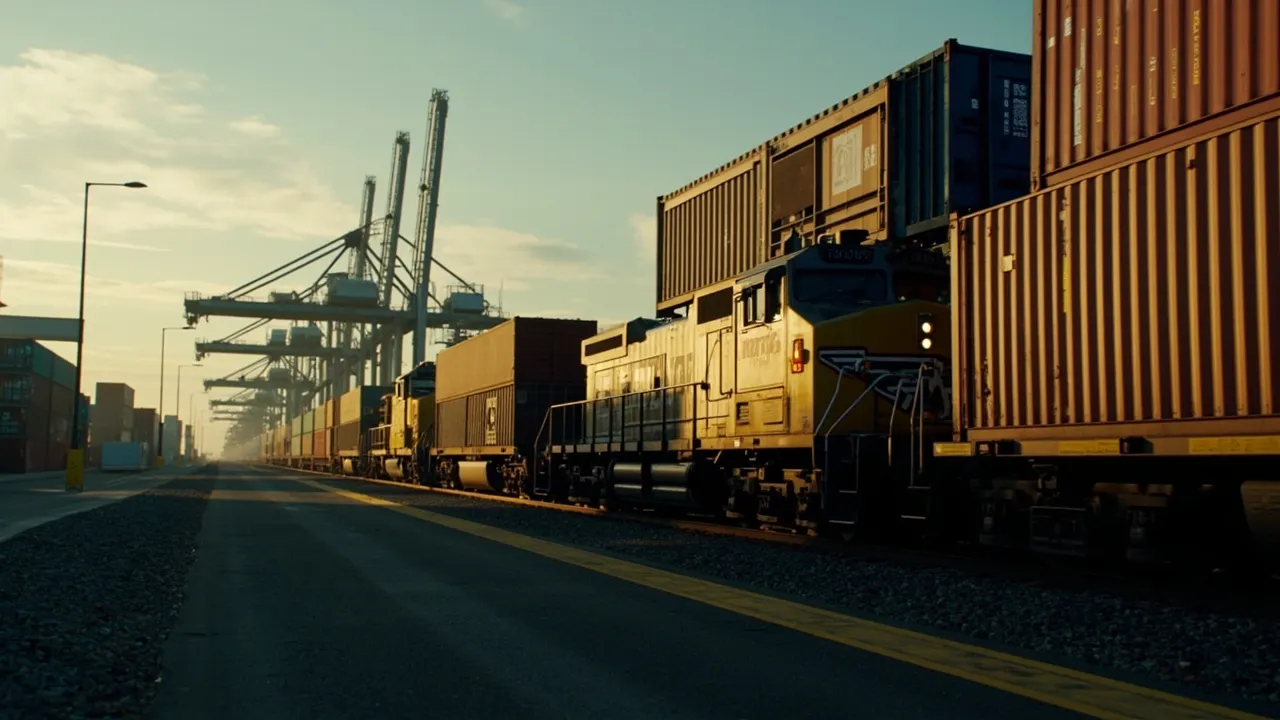
Union Pacific's Houston Environmental Work Needs a Remediation-Freight Control Tower

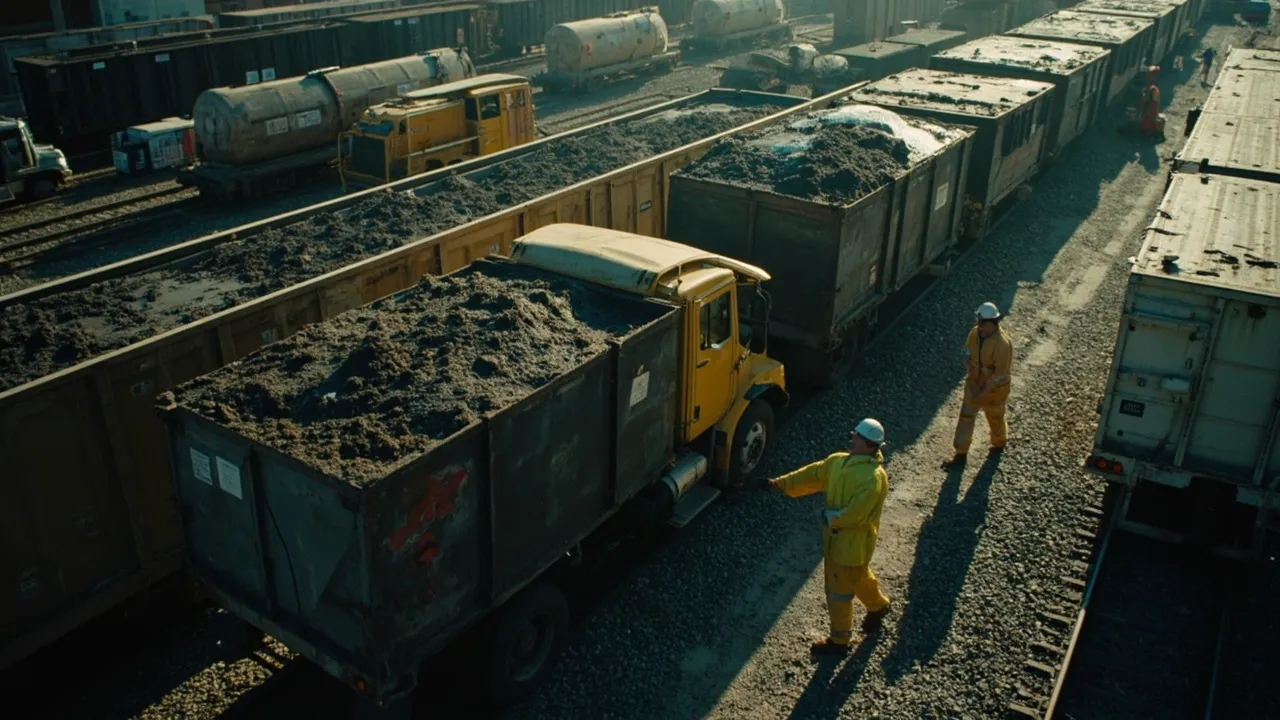
Environmental remediation is partly a cleanup project and partly a tightly controlled freight network. Excavated soil, recovered liquids, protective equipment, sampling materials, and treatment residuals all move through handoffs where a missing document or wrong destination can create safety, cost, and compliance exposure.
That challenge is visible at the former Houston Wood Preserving Works site in the city's Fifth Ward. Reuters reported that more than 80 Houston residents sued Union Pacific for $100 million in 2020, alleging that creosote from the site contaminated nearby neighborhoods. The legal claims and cleanup process are distinct, but together they underline why every remediation movement needs defensible records.
For logistics teams, the right operating model is not a conventional shipment dashboard. It is a remediation-freight control tower that connects the waste profile, manifest, carrier, equipment, route, destination, appointment, weight ticket, and disposal confirmation in one auditable record.
Treat every load as a controlled chain of custody
A standard load can often tolerate a rescheduled appointment or a last-minute routing change. Contaminated material cannot. The destination may need authorization for a specific waste stream, the carrier and driver may require particular credentials, and the vehicle may need prescribed containment, placarding, or cleaning procedures.
Create the shipment record before a truck or railcar is released. At minimum, it should include:
- excavation area, material category, sample reference, and estimated quantity;
- generator, transporter, and approved receiving facility;
- manifest or shipping-paper identifier and document version;
- container, trailer, railcar, seal, and vehicle identifiers;
- planned route, transfer points, and disposal appointment;
- departure, arrival, unloading, rejection, and return milestones;
- scale tickets, signatures, photos, certificates, and final disposition.
The record should preserve changes rather than overwrite them. If laboratory results alter the waste classification, or a disposal facility changes the appointment, operators need to see who approved the revision, when it took effect, and which loads were affected.
Connect manifests to physical events
Paperwork alone does not prove control. A signed manifest can still be paired with the wrong trailer, an expired facility approval, or a load that deviated from its planned route. Each critical document therefore needs a physical event that confirms execution.
Scan the manifest identifier when the container is sealed. Match it to the vehicle before gate release. Capture geofenced departure and arrival events, but require an explanation for any unplanned stop or route deviation. At the destination, reconcile the receiving weight, acceptance status, and signed copy before closing the load.
This is not theoretical volume management. In the East Palestine derailment cleanup, Reuters reported that the railroad had transported 6.8 million gallons of liquid waste and 5,400 tons of solid waste by March 2023. At that scale, even a small percentage of mismatched documents or missed appointments becomes a major operational burden.
Use automated validation at four gates: load creation, dispatch, facility arrival, and closure. A load should not advance when the manifest is missing, the carrier is not approved for the material, the destination authorization has expired, or the receiving appointment does not match the expected quantity and equipment.
Alert on exceptions while there is time to act
A control tower earns its value before a failure, not after an audit. Alerts should identify the decision required, its owner, and the remaining time to intervene.
Useful exception rules include:
- Documentation mismatch: manifest, container, seal, or vehicle data disagree.
- Authorization risk: carrier, driver, equipment, route, or facility approval will expire before delivery.
- Appointment risk: predicted arrival is outside the receiving window.
- Routing risk: an unplanned stop, geofence breach, or unauthorized transfer occurs.
- Quantity variance: origin estimate, departure weight, and receiving weight exceed tolerance.
- Closure delay: signed receipt or disposal certificate is not returned by the deadline.
Not every alert should stop a load. A minor ETA shift may require a new appointment, while an unapproved destination or broken seal may require an immediate hold and escalation. Define severity levels and authorized responses in advance so dispatchers are not inventing policy under pressure.
Contingency planning matters as well. Supply Chain Dive has noted that dangerous-goods logistics needs plans for unplanned events and must account for different local rules. For remediation freight, the plan should identify safe parking locations, emergency contacts, alternate approved facilities, rejected-load procedures, and the people authorized to reroute material.
Score carriers on control, not only cost
The lowest linehaul rate is a poor measure of remediation performance. A missed disposal window can create detention, storage, project delays, and additional handling. Weak document discipline can be even more expensive if it leaves gaps in the cleanup record.
Build a carrier scorecard with four dimensions:
- Safety: incidents, spills, seal exceptions, route deviations, and corrective actions.
- Documentation: manifest accuracy, credential compliance, proof completeness, and closure time.
- Service: tender acceptance, on-time pickup, on-time disposal, rejection rate, and recovery speed.
- Cost control: base rate, detention, rehandling, failed appointments, and exception-related charges.
Measure by material type, origin zone, destination, and equipment class. A carrier may perform well on routine solid material but struggle with liquid loads or facilities that have narrow receiving windows. Segmenting the data prevents an attractive average from hiding a specific weakness.
Use leading indicators alongside outcomes. Expiring credentials, repeated manual corrections, late appointment confirmations, and slow document return can reveal deteriorating control before an incident occurs. Require a corrective-action plan when thresholds are crossed, and document whether the action reduced repeat failures.
Build an audit trail that also improves operations
Compliance records are often stored as project archives and reviewed only when someone asks a question. A better design makes the same evidence useful during execution. The manifest confirms authorization, the appointment protects facility capacity, geofenced milestones expose delay, and the disposal certificate closes both the shipment and the material balance.
That shared record lets environmental teams, contractors, carriers, disposal facilities, and project managers work from the same facts without weakening accountability. It also gives management a reliable view of remaining material, loads in transit, rejected quantities, disposal progress, and unresolved documentation.
Remediation logistics should leave no ambiguity about what moved, who controlled it, where it went, and whether the receiving facility accepted it. A freight control tower turns those questions into operating rules—helping teams intervene earlier and produce stronger evidence after the work is complete.
Ready to connect manifests, carrier credentials, shipment milestones, and exception workflows? Request a CXTMS demo to see how one transportation record can support safer, more auditable remediation freight.