Smart Conveyor Growth Means Warehouses Need Downtime Data Before More Automation

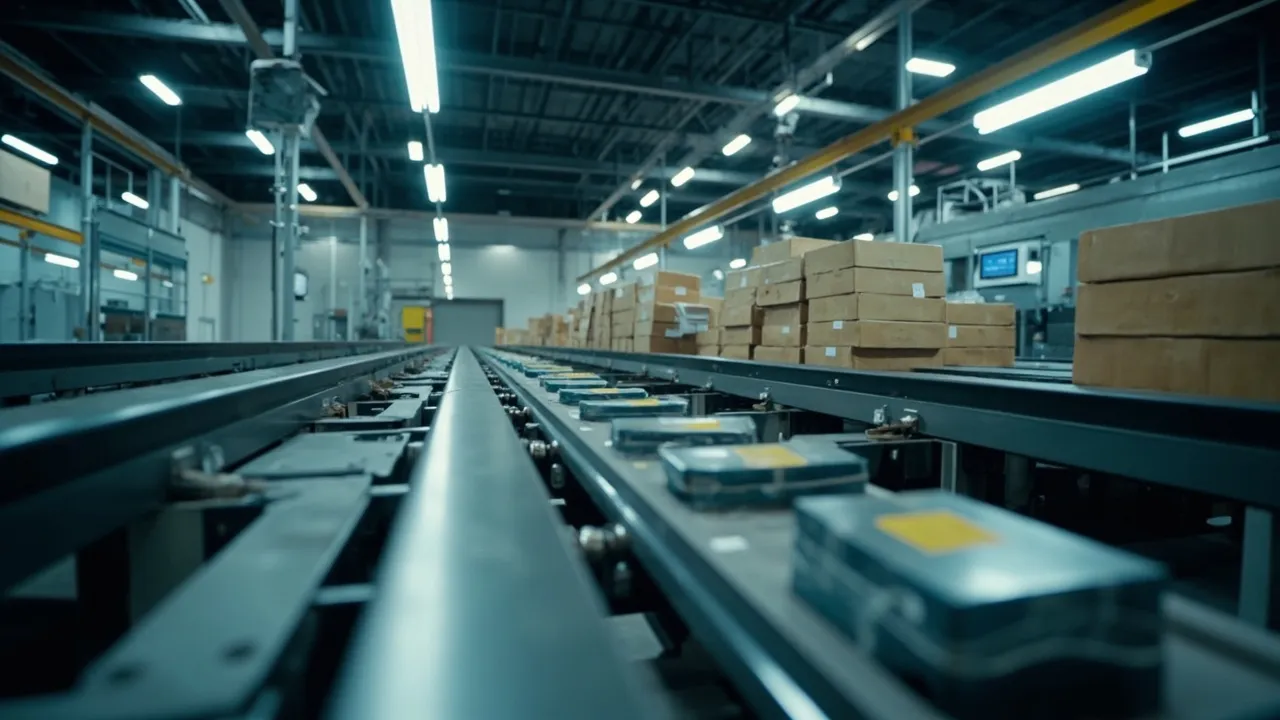
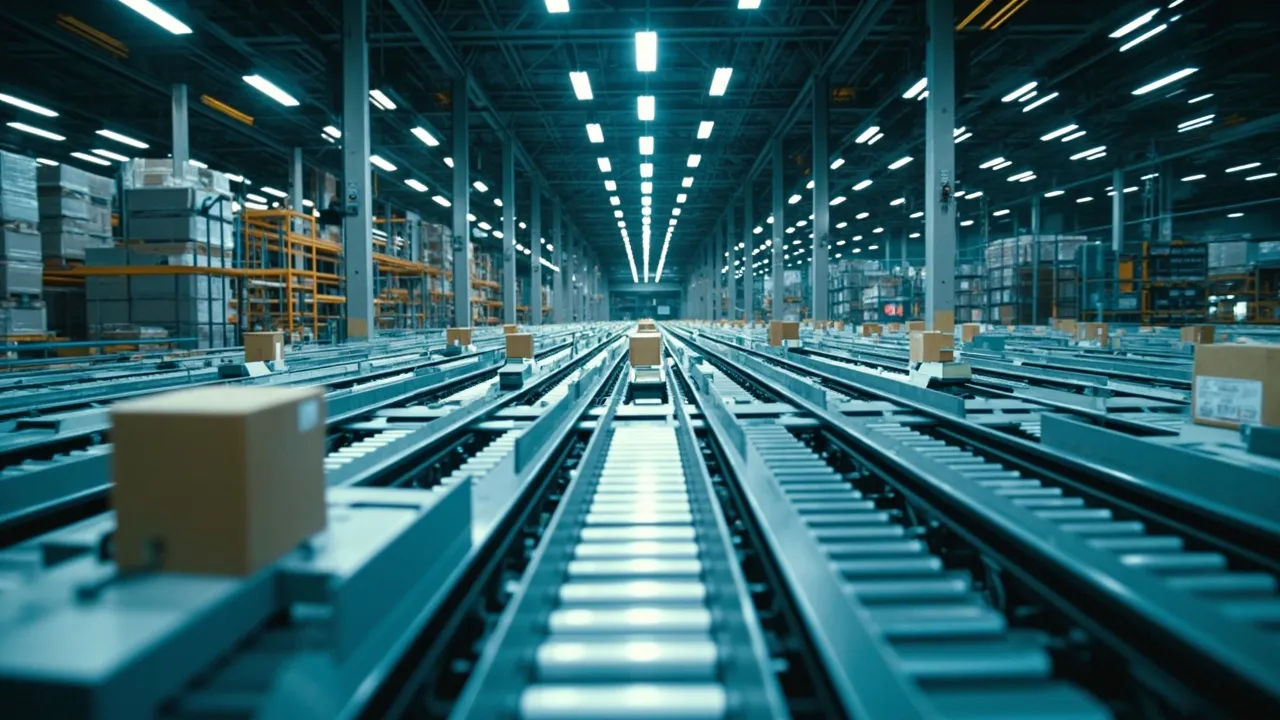
Smart conveyors are moving from facility equipment to operating infrastructure. That shift should make warehouse leaders excited, but not relaxed.
The reason is simple: the more a warehouse depends on automated flow, the more every stoppage becomes a transportation problem. A jammed zone, failed sensor, overloaded merge, maintenance delay, or badly timed order wave can roll straight into missed carrier pickups, late parcel induction, detention, premium freight, and customer service noise.
Modern Materials Handling reported that the global smart conveyor systems market is expected to grow from $6.1 billion in 2025 to $27.8 billion by 2035, a 16.3% compound annual growth rate, citing MarketGenics. That is not incremental spending. It is a signal that intelligent material handling is becoming a central part of how warehouses plan throughput, labor, visibility, and fulfillment capacity.
The same report explains why. Modern conveyor systems are adding Industrial Internet of Things sensors, artificial intelligence, advanced monitoring, robotics integration, and real-time diagnostics. These capabilities can reduce downtime, improve productivity, increase supply chain visibility, and support faster order fulfillment.
They also raise the cost of bad data.
Automation Changes The Failure Mode
Manual warehouse operations usually degrade gradually. If labor is short or a process is inefficient, throughput slows, supervisors reassign people, and the operation bends around the constraint. That is painful, but often visible.
Automated conveyor flow can fail differently. A small physical or software issue can stop an entire lane. A missed scan can send cartons to exception handling. A bottleneck at an induction point can starve downstream packing while upstream picking keeps producing work. A maintenance team can fix the mechanical issue but leave operations without a clear record of which orders, docks, and carrier appointments were affected.
That is why smart-conveyor growth should push warehouses to build better downtime data before they add more automation.
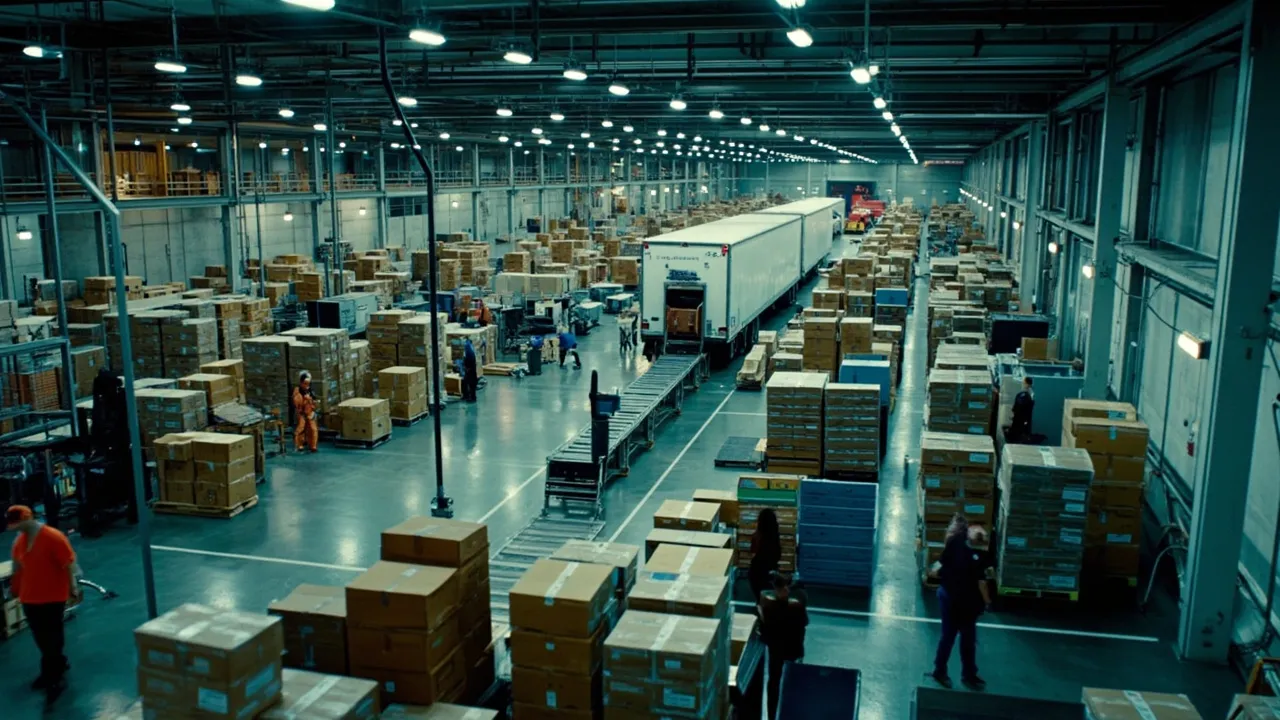
In high-volume distribution, parcel, manufacturing, food, apparel, spare parts, and omnichannel fulfillment, conveyor and sortation systems can be essential. The question is whether the operation can explain what happened when flow breaks, how long it lasted, what it touched, who owned recovery, and whether transportation plans changed fast enough.
Market Growth Does Not Remove Integration Risk
MMH's coverage notes that demand is being driven by e-commerce and omnichannel retail, where smart conveyors improve package sorting, inventory movement, and distribution efficiency while reducing manual labor requirements. It also highlights predictive maintenance, real-time equipment monitoring, fault detection, and automated maintenance scheduling as accelerators.
Those are valuable capabilities, but they depend on system integration. The same article calls out adoption challenges: high initial capital investment, legacy infrastructure, interoperability across vendors, cybersecurity, and the need for skilled technicians who can manage AI-based diagnostics, industrial networking, and automated controls.
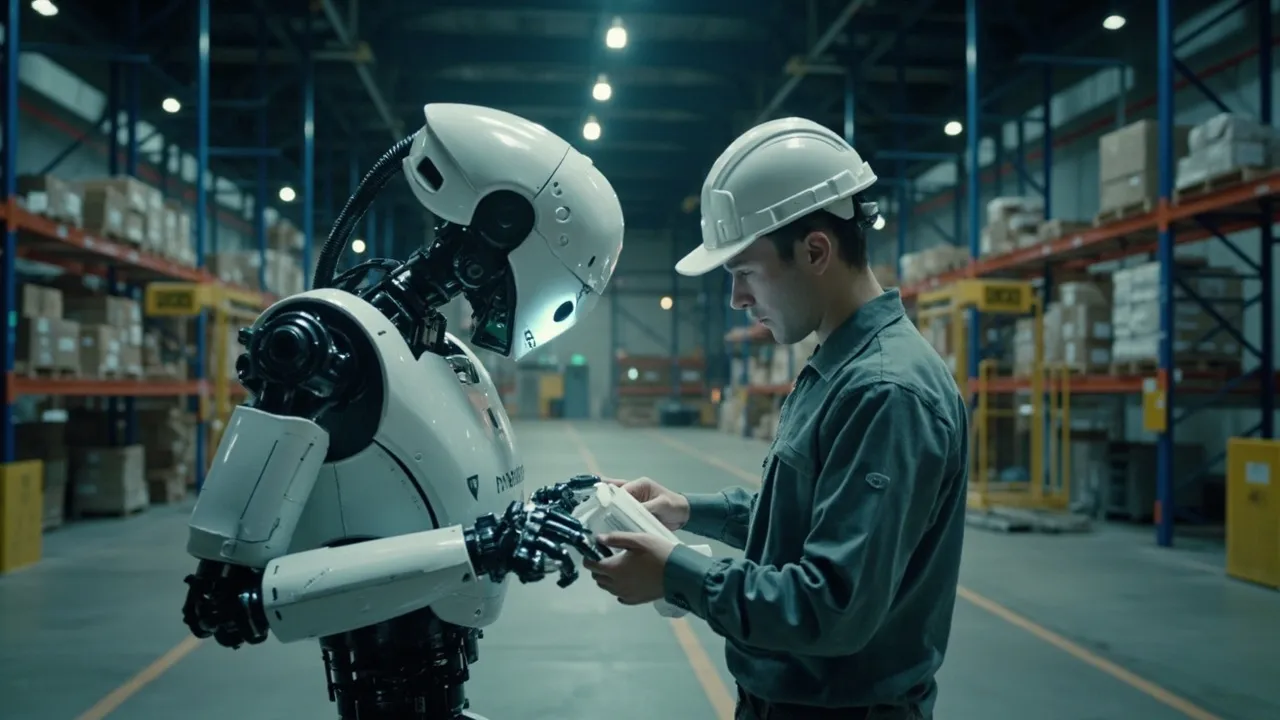
Inbound Logistics recently framed the broader shift through examples such as RFID package sensing and warehouse robotics. UPS has invested more than $100 million to develop and implement RFID package sensing across its U.S. small-package network, moving tracking from manual scans toward automated sensing. In another example, humanoid warehouse robots were piloted to identify misplaced or damaged products, pallet issues, unused storage space, and safety hazards.
The common theme is not "more machines." It is better sensing of the physical operation. Smart conveyors belong in that same category. The conveyor should not only move cartons. It should produce usable operating evidence.
The Conveyor-Readiness File
Before a facility adds another conveyor zone, sortation upgrade, robotic handoff, or AI maintenance feature, it should build a conveyor-readiness file. This does not need to be glamorous. It needs to be specific.
Start with the throughput baseline. What volume should each zone handle by hour, wave, SKU class, carton profile, and customer promise? Without that baseline, teams cannot tell whether automation is underperforming.
Capture downtime codes in operational language. "Line down" is not enough. A useful downtime record includes equipment location, start time, end time, symptom, suspected cause, confirmed cause, corrective action, orders affected, labor response, and whether the issue recurred.
Protect maintenance windows. Predictive alerts do not help if preventive work is always postponed because the shipping schedule is overloaded. Warehouses need named windows for inspection, cleaning, sensor calibration, software patches, and vendor support.
Document the labor fallback. When automated flow slows, where do associates go? Which orders are manually bypassed? Which work can wait? Which customer commitments still need protection? If the fallback is invented during the outage, the recovery will be slower and more expensive than it should be.
Connect the dock schedule. A conveyor issue at 2 p.m. is not just a warehouse event if parcel induction closes at 5 p.m. or an LTL pickup is booked for 4:30. The downtime record has to identify carrier cutoff exposure, staging capacity, detention risk, and the exception owner.
Tie order priority to transportation reality. Not every order deserves the same recovery path. A low-priority replenishment order may wait. A retail compliance shipment, medical product, production part, or customer-expedite order may justify resequencing labor or switching carriers.
Gartner's Robotics Trend Raises The Stakes
Gartner's 2026 supply chain technology trends include polyfunctional robots under its autonomy and agency theme, with advances in AI, machine learning, and robotics allowing robots to take on multiple activities. That matters for conveyors because future warehouses will not be neatly divided between fixed equipment and mobile automation. Conveyors, robots, scanners, WMS logic, dock doors, and labor teams will have to coordinate as one environment.
When that coordination works, the benefits are real: faster fulfillment, cleaner handoffs, less manual scanning, better exception detection, and more resilient material flow. When it fails, the warehouse may produce more data without producing more clarity.
The deciding factor is whether operations can translate machine events into business decisions. A conveyor fault should answer practical questions: Which shipments are at risk? Which pickup appointments need adjustment? Which orders should be released next? Which customers need a new ETA?
CXTMS Connects Flow Disruption To Freight Decisions
CXTMS does not replace a warehouse control system, conveyor controls, or maintenance software. It connects the downstream transportation reality to the warehouse events that threaten service.
When automated flow slips, logistics teams need to adjust tenders, carrier assignments, dock appointments, shipment priorities, and exception communications quickly. CXTMS gives operators the transportation-control layer to see which outbound commitments are exposed and coordinate recovery before a local equipment issue becomes a customer-facing miss.
Smart conveyor growth is a good sign for warehouse modernization. But the facilities that get the most value will be the ones that turn conveyor uptime, downtime, and recovery data into transportation decisions.
If your warehouse automation plans are creating new pressure on pickups, carrier cutoffs, and shipment visibility, schedule a CXTMS demo and see how connected transportation execution keeps physical-flow problems from becoming service failures.