Canada’s Port Productivity Slide Is Becoming a Trade Diversification Problem

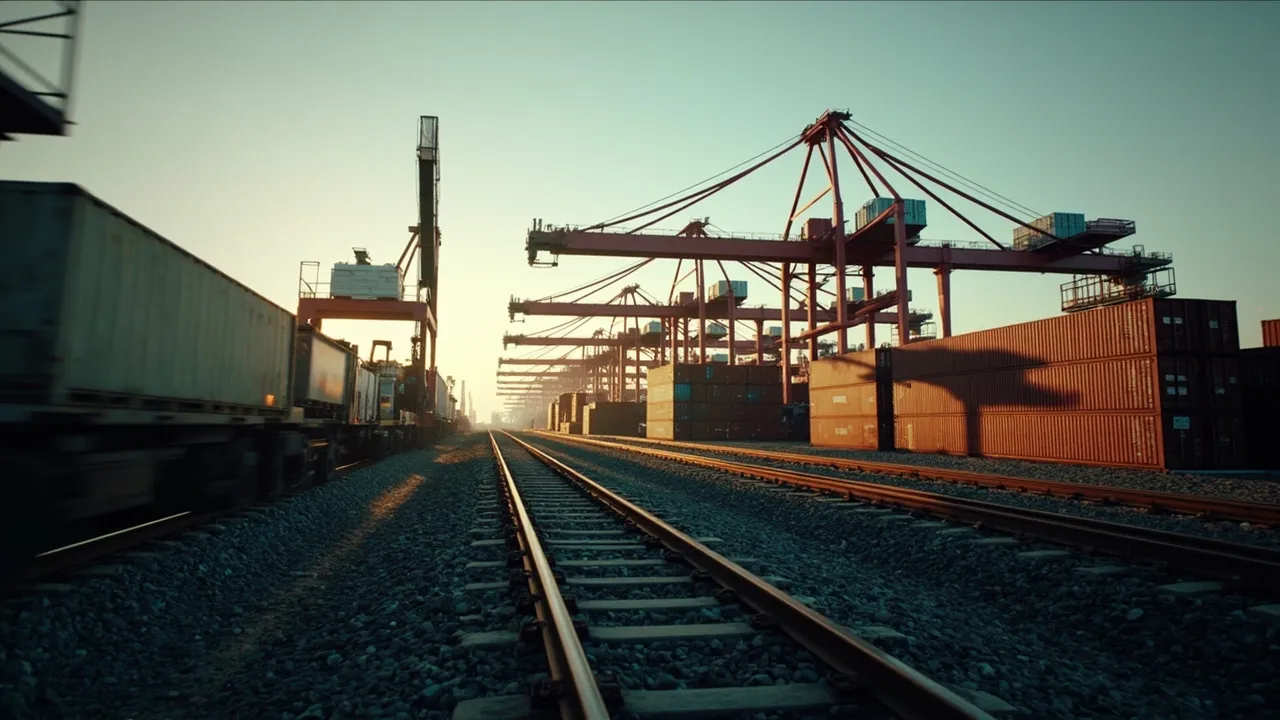
Canada's export strategy has a physical constraint problem. Political leaders can call for more trade beyond the United States, but containers, bulk cargo, railcars, and inland corridors still have to move fast enough to make that strategy credible.
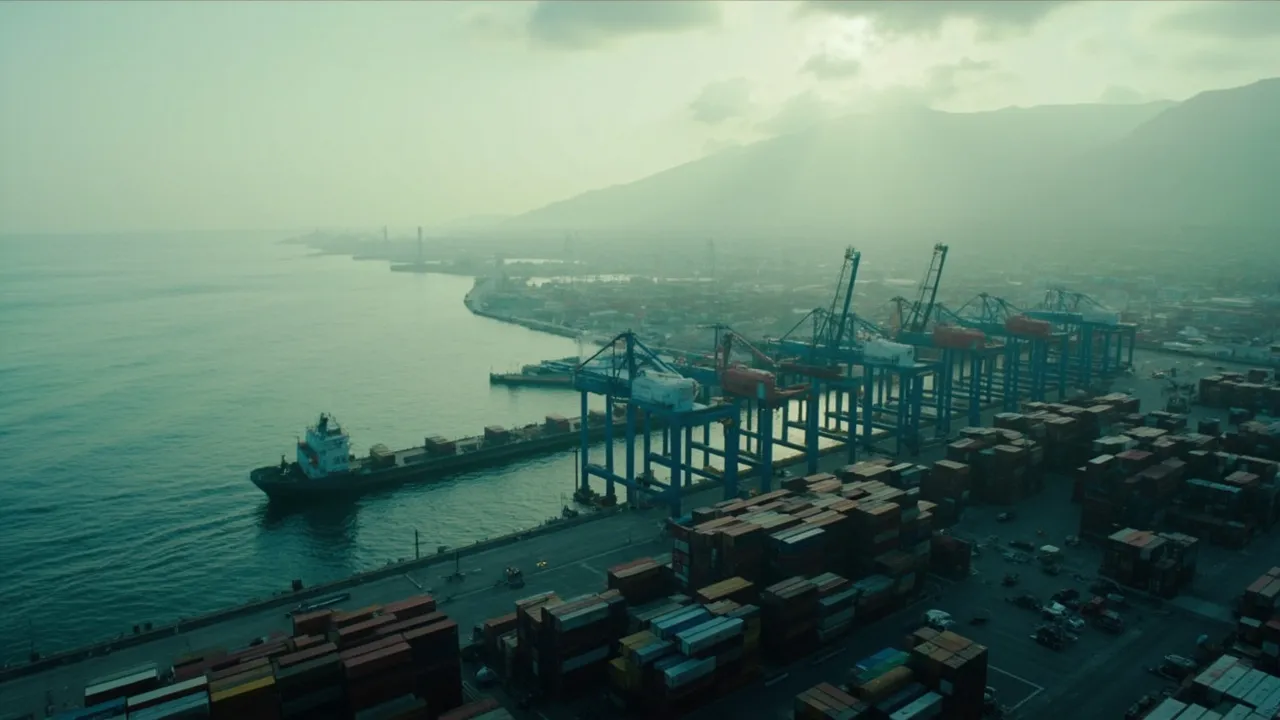
Prime Minister Mark Carney put the issue bluntly in British Columbia, warning that Canada has "fallen way behind" in the productivity of its ports and trade corridors. As Supply Chain Brain reported, Carney argued that goods landing at Canadian ports take too long to reach the rest of the country, with port capacity and rail connectivity among the constraints.
That is not just a port operations story. It is a trade diversification story. Before 2025, more than three-quarters of Canadian exports went to the U.S., and about 20% of Canada's economic output was tied to trade with its southern neighbor. Carney has set a goal to double the value of non-U.S. exports by 2035, adding roughly $220 billion in new orders for Canadian goods and services.
That kind of shift does not happen on speeches and trade missions alone. It requires marine terminals, rail ramps, inland distribution capacity, customs processes, and shipment visibility that can absorb new routings without turning every disruption into a national bottleneck.
The Ranking Drop Should Worry Shippers
The most useful data point is not abstract. Supply Chain Brain cited Bank of Canada research showing that between 2016 and 2023, Canadian ports became less directly connected to global shipping networks compared with ports in other countries. Canada's ports also fell from 6th in the world in total deadweight tonnage in 2016 to 23rd in 2023.
That is a brutal slide. Over the same period, 10 other countries in the top 20 saw overall deadweight tonnage double. In plain English: other gateways got more connected and more capable while Canada's relative position weakened.
For importers and exporters, the risk is not simply that a vessel waits longer at anchor or a container sits longer at a terminal. The bigger risk is network optionality. A country with fewer strong global connections has less room to reroute around strikes, weather, geopolitical shocks, carrier blank sailings, rail interruptions, or demand spikes.
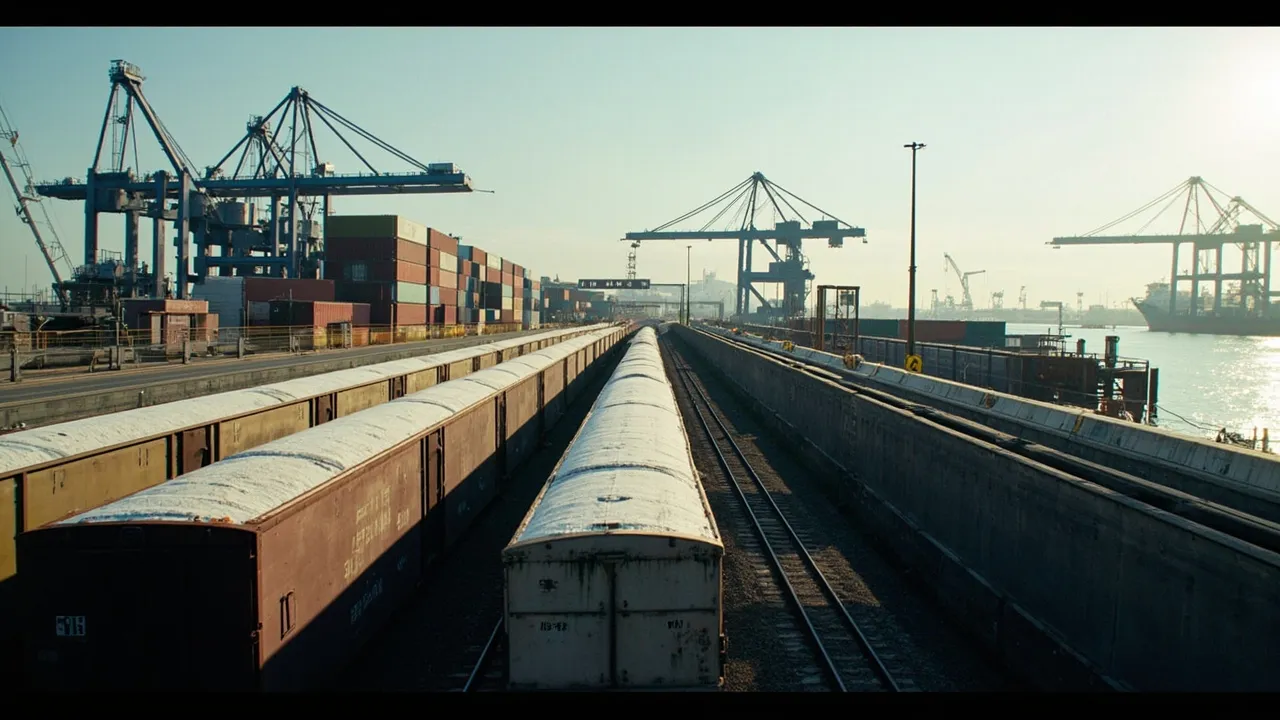
The problem compounds inland. If marine terminals are slow but rail capacity is fluid, cargo can still recover. If the port, rail corridor, and inland node all have thin buffers, one delay turns into missed appointments, detention, demurrage, production interruptions, and expensive mode substitutions.
Diversification Needs Corridor Productivity
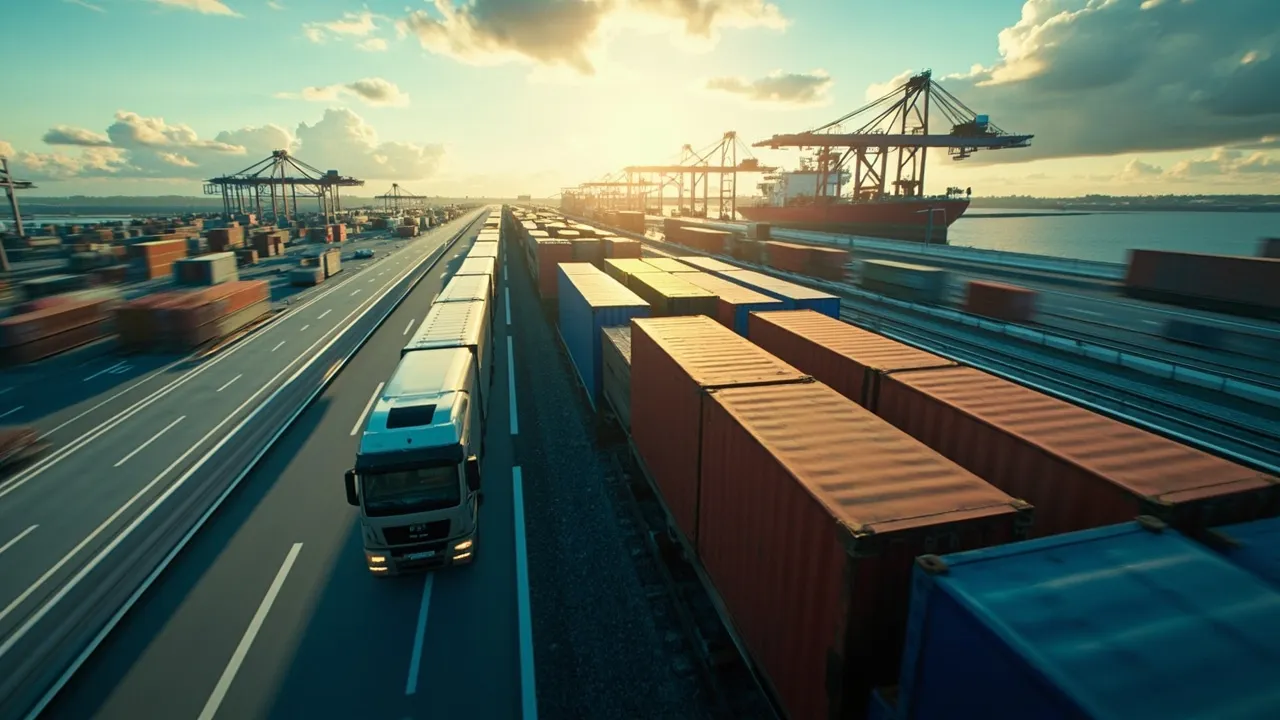
Trade diversification is often discussed as a market question: sell more to Europe, Asia, Latin America, or the Middle East. Logistics teams know it is also a corridor question. Which gateway handles the freight? Which rail service connects the port to inland production or consumption points? Which drayage providers can handle surges? Which terminals provide reliable milestones? Which customs and documentation workflows keep pace?
Those questions become more important when the trade relationship with the U.S. is unstable. If Canadian exporters are trying to reach more non-U.S. buyers, they need dependable access to ocean capacity and inland corridors that can move freight from factory to port without adding hidden lead time. If importers are sourcing from new markets, they need enough arrival visibility to plan inventory before containers hit congestion.
U.S. freight policy is moving in the same direction. Logistics Management reported that the 2026 National Freight Strategic Plan covers a freight network moving more than 54 million tons of goods worth more than $68 billion each day. Its goals include safety, efficiency, security, resiliency, innovation, and workforce development, with specific attention to bottlenecks, supply chain visibility, freight data standards, and state-level planning.
Canada's challenge is different, but the lesson is the same: freight infrastructure is now economic strategy. Ports, rail corridors, data standards, and terminal productivity are not back-office concerns. They determine whether a country can actually execute its trade ambitions.
What Shippers Should Do Now
Shippers using Canadian gateways should not wait for the national infrastructure debate to settle. The practical work starts at the lane level.
First, map gateway dependency. Identify shipments that rely heavily on Vancouver, Prince Rupert, Montreal, Halifax, or cross-border alternatives. Separate true alternatives from theoretical ones. A routing that looks interchangeable on a map may fail because of rail service, chassis availability, appointment rules, commodity restrictions, or consignee receiving windows.
Second, quantify dwell and recovery time. Average transit is not enough. Track terminal dwell, rail ramp dwell, customs hold frequency, missed vessel cutoffs, demurrage exposure, and how long it takes a disrupted shipment to recover. Corridor productivity is visible in the tails, not the averages.
Third, build routing playbooks before disruption hits. Decide which cargo can move through U.S. gateways, which can tolerate longer ocean routings, which needs transload flexibility, and which should carry more buffer inventory. Alternative gateways are only useful if contracts, data feeds, brokers, drayage providers, and customer expectations are already aligned.
Fourth, demand better milestone data. If carriers, terminals, brokers, and rail partners cannot provide dependable events, logistics teams are forced to manage exceptions by phone and spreadsheet. That is manageable for a few hot shipments. It breaks quickly when an entire corridor slows down.
Visibility Is the New Corridor Insurance
Canada's port productivity issue will not be solved by software alone. Capacity, rail connections, labor reliability, terminal process improvement, and public investment all matter. But shippers still need a control layer that helps them see where exposure sits and act before costs pile up.
That is where modern transportation management earns its keep. A TMS should connect port milestones, inland rail events, customs status, carrier performance, and customer delivery requirements into one operating view. It should help teams compare gateway options, model longer lead times, trigger exception workflows, and preserve the decision history behind each reroute.
The hard truth is that trade diversification without corridor productivity is just aspiration. Canada's exporters may find new buyers, but those orders only become resilient trade when ports, rail links, and logistics data can move at the same speed as the commercial strategy.
CXTMS helps logistics teams turn corridor uncertainty into executable plans. From port-to-inland visibility to exception workflows and gateway contingency modeling, CXTMS gives freight teams the tools to manage changing trade lanes with evidence instead of guesswork.
Ready to pressure-test your Canadian gateway strategy? Schedule a CXTMS demo and see how CXTMS helps shippers build more resilient port and trade corridor operations.