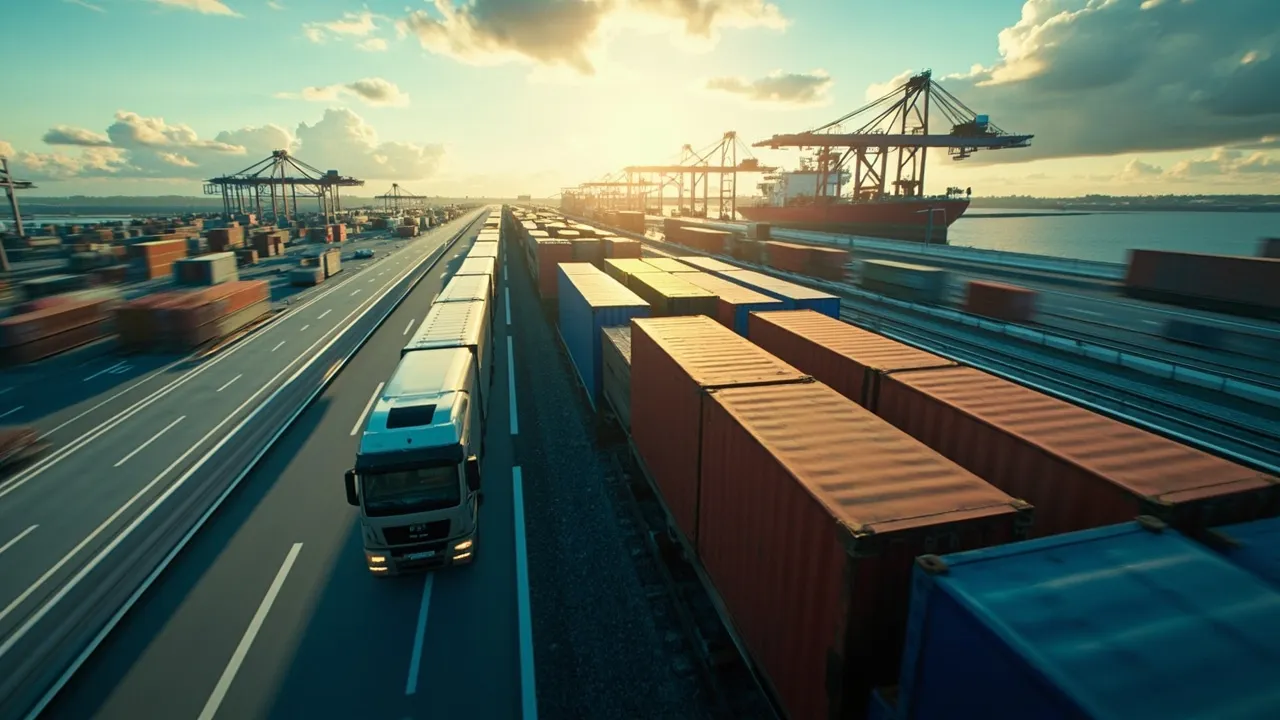
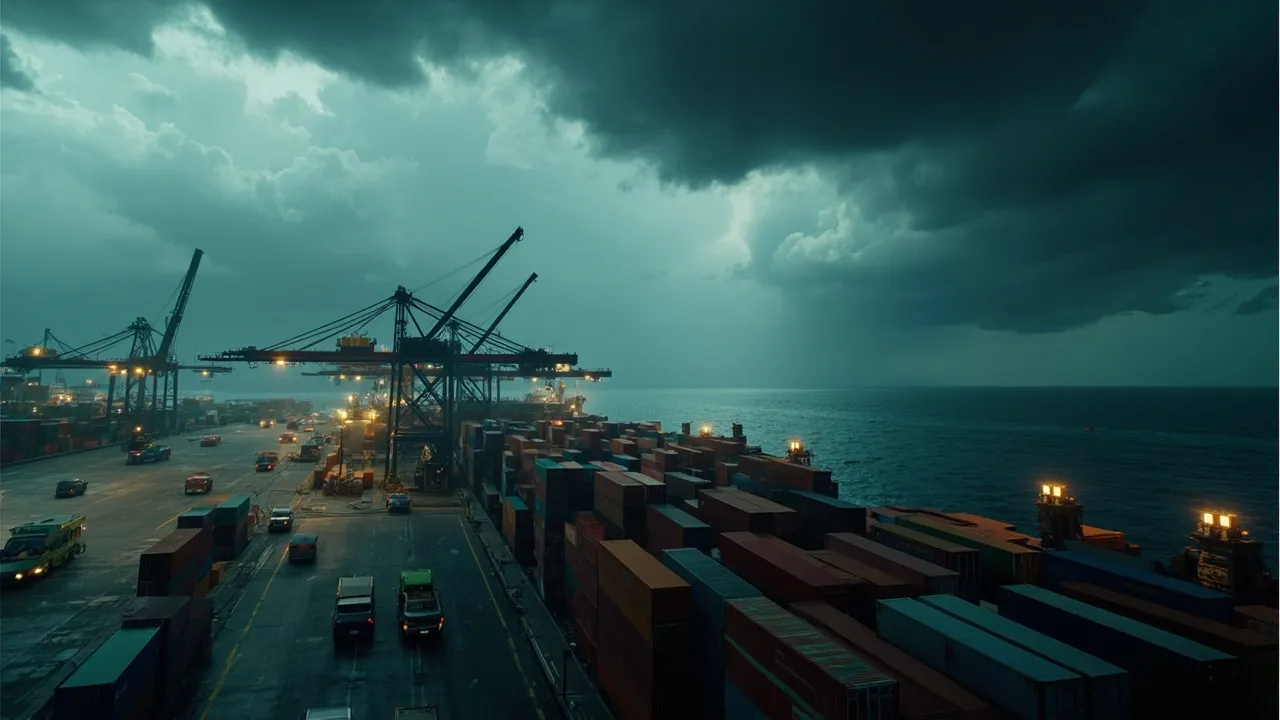
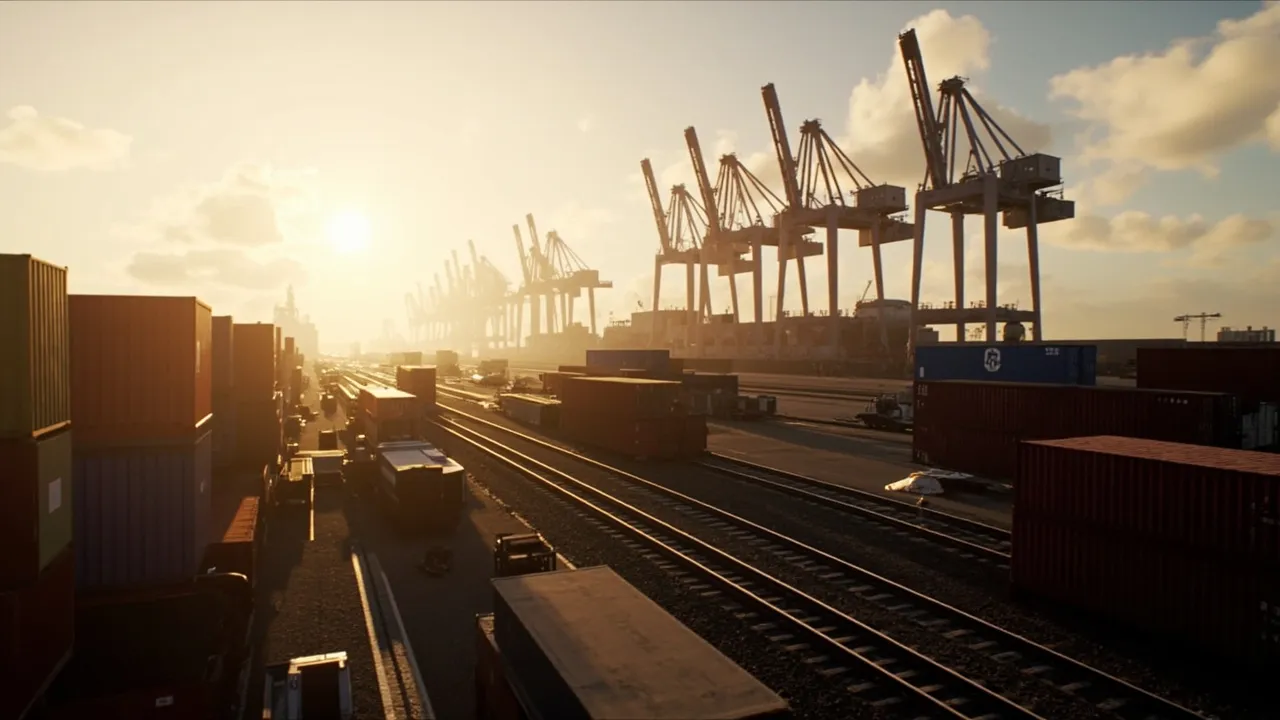
South Carolina's Terminal Pause Shows Trade Uncertainty Can Idle Port Capacity

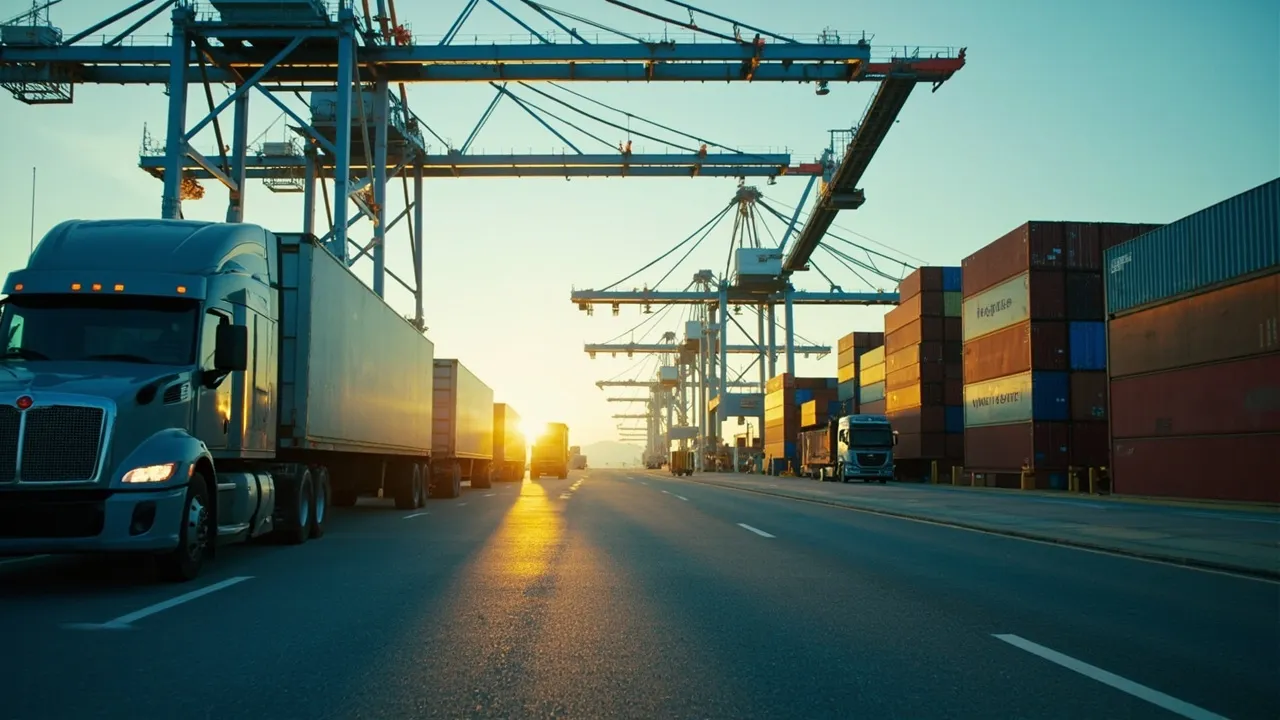
Port capacity risk used to be discussed mostly as a congestion problem. Too many boxes, too few chassis, too many vessels at anchor, too little labor, and too much freight arriving at the wrong time.
South Carolina Ports is showing the other side of the risk. Capacity can also be idled when trade flows become too uncertain to justify the operating cost.
FreightWaves reported that South Carolina Ports will pause operations at the Hugh K. Leatherman Terminal in North Charleston beginning Aug. 1, citing an uncertain trade outlook in the second half of 2026 and the need to reduce costs. The port authority said it will consolidate container activity at the Wando Welch and North Charleston terminals, where it believes capacity is sufficient for short-term growth.
The signal matters because Leatherman is not a minor facility. FreightWaves noted that the terminal has 700,000 TEUs of initial capacity and remains part of a long-term expansion plan to reach 2.4 million TEUs at full buildout. A short-term pause at that scale is a reminder that port strategy is no longer only about adding infrastructure. It is also about flexing infrastructure when demand, tariffs, ocean schedules, and cargo owners are all moving at once.
Capacity Can Disappear Without a Congestion Crisis
For shippers, the Leatherman pause does not mean Charleston is unusable. The port is not closing its container business. It is shifting work to other active terminals in the Charleston complex.
But the operational consequences still matter. A terminal change can alter gate patterns, drayage turns, appointment availability, chassis positioning, rail timing, yard routines, and carrier cutoffs. Even when total port capacity is adequate, the details of where cargo is handled can change the day-to-day plan for importers, exporters, forwarders, brokers, truckers, and warehouses.
That is the planning lesson. Port capacity is not a static line on a network map. It is a working system of berths, cranes, labor, yards, gates, chassis pools, rail links, empty containers, appointment rules, and carrier schedules. When one terminal pauses, the network does not simply absorb the change for free.
Trade uncertainty makes this harder because the trigger is not always visible inside the shipper's own order book. A company may see stable demand from customers while the port, carriers, and drayage providers see a broader slowdown or a more volatile mix of cargo. By the time a shipper notices appointment friction, vessel changes, or equipment imbalances, the operating plan may already be changing around them.
Ocean Volatility Is Still Feeding Gateway Decisions
The terminal pause is also happening in a market where ocean planning remains volatile. Supply Chain Dive reported that ocean supply chain networks were not expected to fully recover until mid-September 2026 after the U.S.-Iran agreement to reopen the Strait of Hormuz. The same report cited Xeneta data showing ocean spot rates from the Far East to the U.S. West Coast rose 192% from late February to June 19, while Far East to U.S. East Coast spot rates rose 158%.
Those numbers are not directly about South Carolina. They are useful because they show how quickly global disruption can reshape routing behavior, frontloading, booking patterns, and carrier pricing. If shippers pull freight forward, hold freight back, switch coasts, or split volumes across gateways, ports have to manage the resulting swings.
Trade data is sending the same message. SupplyChainBrain reported that the U.S. goods trade deficit widened 27.4% in May to $105.8 billion, the largest shortfall in more than a year. Goods exports fell 5.4%, while imports rose 3.6% to the highest level since March 2025. Capital goods imports were nearly 42% higher than a year earlier.
That mix matters for freight planners. Import-heavy flows can support inbound container volume while leaving export equipment and backhaul assumptions exposed. Export weakness can change empty-container repositioning. Capital goods growth can create project cargo, warehouse receiving pressure, and drayage concentration near specific industrial corridors. A port network can be busy in some places and underutilized in others.
Shippers Need Alternate Gateway Discipline
The practical response is not panic-routing every container away from Charleston. It is building gateway optionality before the exception arrives.
First, shippers should identify which purchase orders, customers, SKUs, and suppliers are tied to each port and terminal. Many companies know the port of discharge but do not model the terminal, dray carrier, chassis source, rail ramp, receiving warehouse, and appointment dependency as one scenario.
Second, routing clauses need review. Ocean contracts, forwarder instructions, and customer delivery commitments should clarify when alternate gateways are allowed, who approves the switch, how added inland cost is handled, and which service-level commitments still apply.
Third, container availability should be checked as part of gateway planning. A port change can solve one problem and create another if empty supply, chassis pools, or inland repositioning do not match the new route.
Fourth, inventory buffers should be targeted rather than broad. The right buffer for a seasonal SKU, production-critical component, or customer-committed order is not the same as the buffer for slow-moving replenishment stock. Trade uncertainty should push teams toward item-level exposure reviews, not blanket overstocking.
Finally, drayage appointments need active monitoring. A terminal pause can shift demand to other gates. If drayage capacity is tight, the early warning signs may show up as appointment scarcity, dwell, failed pickups, yard storage, or rising accessorials before they show up as a missed customer delivery.
Port Choice Belongs in the TMS
The Leatherman pause is a useful reminder that transportation systems should not treat ports as fixed labels. They are operating choices with cost, time, risk, and capacity tradeoffs.
CXTMS helps logistics teams manage those choices in the same workflow where shipments, carriers, documents, milestones, exceptions, and invoices already live. Teams can compare port-choice scenarios, flag routing exceptions, track drayage appointment changes, monitor dwell and accessorial patterns, and connect gateway decisions to purchase orders and customer commitments.
When trade uncertainty changes the port plan, the answer should not be a scramble across email, spreadsheets, and carrier portals. It should be a controlled transportation workflow. If your import routing depends on static gateway assumptions, schedule a CXTMS demo and see how port optionality can become part of everyday execution.