The Autonomous Forklift Market Hits $10.24 Billion by 2030: Why AI-Navigated Forklifts Are the Next Wave of Warehouse Automation

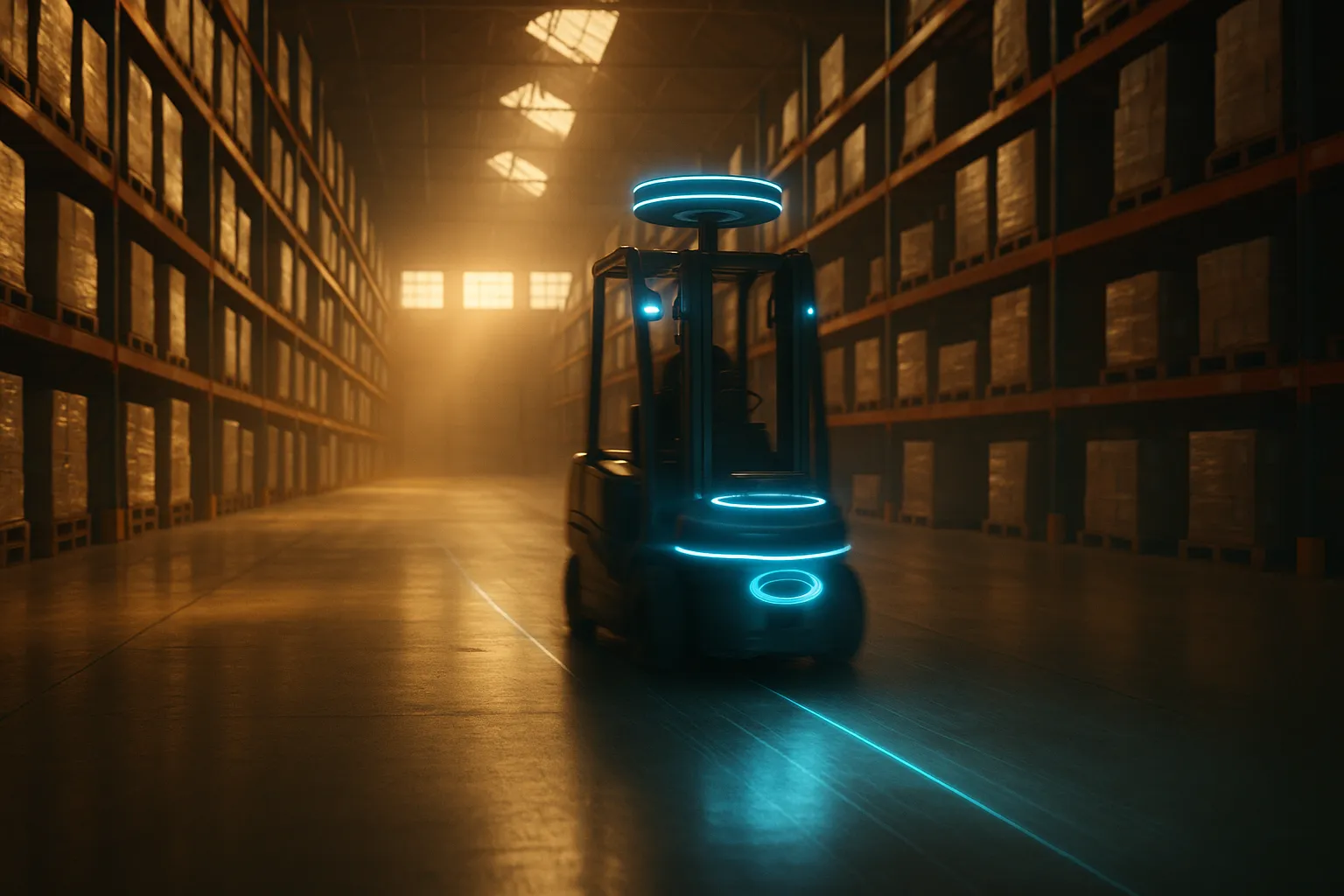
Autonomous mobile robots (AMRs) get the headlines. Robotic picking arms dominate the trade show floors. But there's a quieter revolution happening in warehouse aisles that may have a larger operational impact than either: the autonomous forklift.
According to Mordor Intelligence's 2025 Autonomous Forklift Market Report, the global autonomous forklift market is expected to reach $5.75 billion in 2025 and grow at a compound annual growth rate (CAGR) of 12.25% to hit $10.24 billion by 2030. That's not a niche category anymore—it's a multi-billion-dollar segment reshaping how warehouses move heavy goods.
And if you run a warehouse operation still relying entirely on manually operated lift trucks, the economics of that decision are shifting fast.
Why Autonomous Forklifts Are Different from AMRs
It's tempting to lump every autonomous warehouse vehicle into the same bucket. Don't. Autonomous forklifts occupy a distinct operational tier that AMRs can't fill.
Payload capacity. Most AMRs handle loads up to 1,500 pounds. Autonomous forklifts routinely lift 3,000 to 10,000+ pounds—palletized freight, raw materials, and heavy manufacturing components that require the structural engineering of a traditional lift truck.
Vertical reach. Where AMRs operate on the warehouse floor, autonomous forklifts work in three dimensions. They stack pallets to heights of 30 feet or more in narrow-aisle racking systems, performing the same vertical storage tasks as human-operated counterparts.
Fleet retrofit potential. This is the game-changer most operations leaders miss. As Modern Materials Handling reports, many autonomous forklift solutions are designed as retrofit kits for existing fleets. That means a warehouse with 50 traditional forklifts doesn't need to scrap and replace them—it can upgrade them incrementally, converting manual trucks to autonomous operation over time.
For mid-size warehouse operators who can't justify a $20 million greenfield automation project, this modular approach changes the entire ROI calculation.
The Key Players Pushing AI Navigation Forward
The autonomous forklift market isn't dominated by Silicon Valley startups. It's led by the same industrial heavyweights that built the global forklift industry:
- Toyota Industries Corporation (Japan) — the world's largest forklift manufacturer, now integrating autonomous navigation across its lift truck portfolio
- KION Group AG (Germany) — parent of Linde and STILL, investing heavily in automated guided vehicle (AGV) and autonomous mobile robot integration with its forklift lines
- Hyster-Yale Materials Handling (US) — in January 2026, Hyster-Yale expanded its autonomous forklift solutions with AI-powered navigation and enhanced warehouse automation capabilities
- Jungheinrich AG (Germany) — offering fully autonomous narrow-aisle trucks with LiDAR-based navigation for high-density storage environments
- Mitsubishi Logisnext (Japan) — developing integrated autonomous material handling systems combining forklifts with fleet management software
What's notable is how quickly these companies are moving from pilot programs to production-scale deployments. The technology has graduated from proof-of-concept to standard catalog offerings.
AI Navigation: Beyond Magnetic Tape and Wire Guidance
The early generations of automated forklifts relied on fixed infrastructure—magnetic tape embedded in warehouse floors, wire-guided paths, or reflective markers on racking. Any change to the warehouse layout meant physically reconfiguring the guidance system.
Modern autonomous forklifts use a fundamentally different approach:
LiDAR + computer vision fusion. Today's autonomous forklifts combine LiDAR sensors with high-resolution cameras and AI processing to build real-time 3D maps of their environment. They navigate without any fixed infrastructure, adapting dynamically to changes in warehouse layout, obstacles, and pedestrian traffic.
Natural feature navigation. The AI identifies walls, columns, racking structures, and other permanent features as reference points—no markers or modifications needed. Deploy the forklift, let it map the space, and it begins operating.
Simultaneous localization and mapping (SLAM). Advanced SLAM algorithms allow autonomous forklifts to continuously update their understanding of the environment as they work, compensating for moved pallets, temporary obstructions, and layout changes in real time.
This infrastructure-free navigation is what makes the retrofit model viable. A warehouse doesn't need to shut down for weeks to install guidance systems. An autonomous forklift can begin mapping and operating within hours.
The Safety Imperative: 34,900 Injuries Per Year
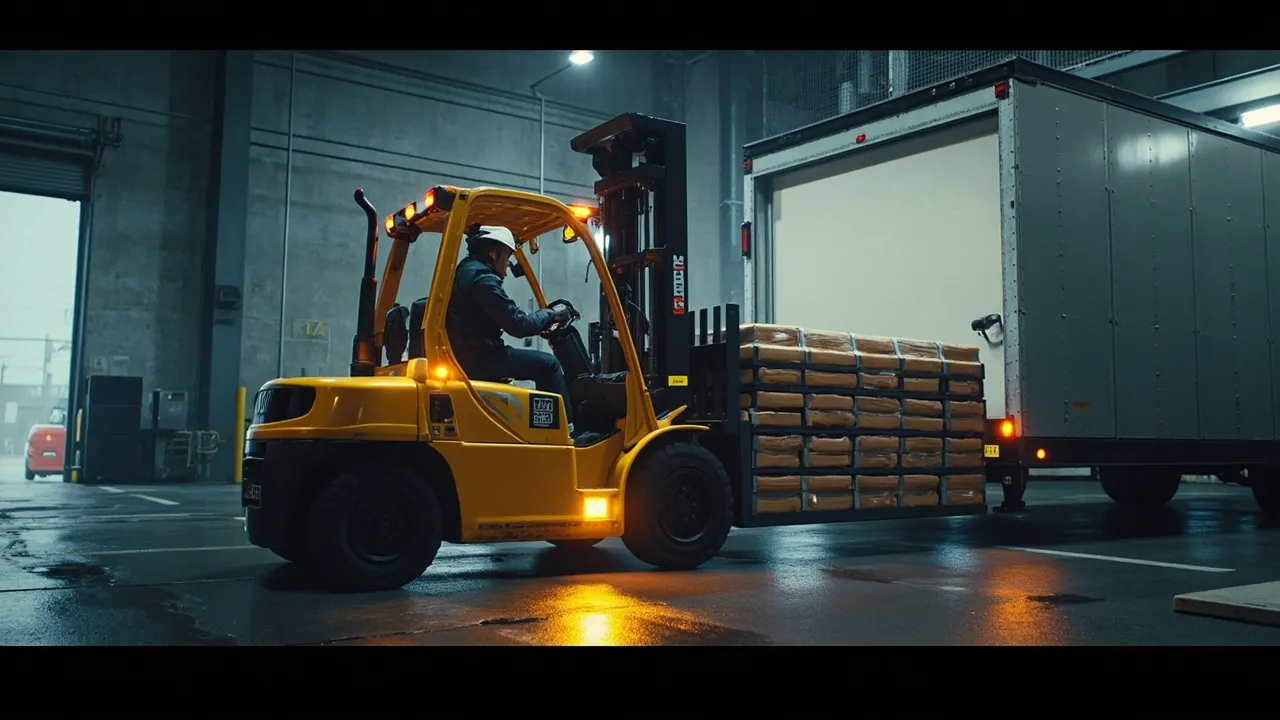
The business case for autonomous forklifts isn't just about labor savings—it's about preventing injuries and fatalities. OSHA documents approximately 34,900 serious injuries involving forklifts and industrial trucks each year in the United States alone. Tip-over accidents account for nearly 25% of all forklift-related incidents, and forklift collisions with pedestrians remain one of the most common causes of warehouse fatalities.
Autonomous forklifts address these risks with capabilities that human operators simply cannot match:
- 360-degree environmental awareness with no blind spots, fatigue, or distraction
- Automatic speed reduction when pedestrians or obstacles are detected in the travel path
- Emergency stop systems with sub-second reaction times
- Consistent operating behavior — no shortcuts, no rushing to meet quotas, no unsafe habits developed over years of repetitive work
For operations facing rising workers' compensation costs and tightening OSHA enforcement, autonomous forklifts convert a persistent safety liability into a predictable, measurable risk profile.
Labor Shortages Are Making the Math Undeniable
The warehouse labor crisis isn't resolving. The material handling industry continues to face turnover rates exceeding 40% annually, with many facilities struggling to fill forklift operator positions even at significantly increased wages. Training a new forklift operator takes weeks. Certifying them under OSHA requirements takes additional time and investment. And every operator who leaves takes that investment with them.
Autonomous forklifts don't eliminate the need for human workers—they shift the labor model. Instead of needing 20 certified forklift operators per shift, a facility might need 5 operators managing a mixed fleet of autonomous and manual trucks. The humans handle complex tasks that require judgment—damaged pallet assessment, unusual load configurations, dock-level coordination—while autonomous units handle the repetitive, high-volume movements that consume most of the operating hours.
For mid-size warehouses running two or three shifts, the payback period on autonomous forklift investment is increasingly falling below 24 months.
Modular, Scalable Solutions Lowering the Barrier
The most significant shift in the autonomous forklift market is the move toward modular, scalable deployments that lower the entry barrier for mid-size operations:
Start small. Deploy two or three autonomous units on a single high-volume aisle or repetitive transport route. Prove the ROI in a contained environment before scaling.
Fleet management software. Centralized platforms now coordinate mixed fleets—autonomous and manual trucks operating in the same space, with the software managing traffic flow, task assignment, and charging schedules.
Robotics-as-a-Service (RaaS). Several providers now offer autonomous forklifts on subscription models, converting capital expenditure into operating expense and eliminating upfront investment risk.
This modular approach means a warehouse manager doesn't need board-level approval for a multi-million-dollar automation project. They can start with a pilot, demonstrate results, and scale based on proven performance.
How CXTMS Integrates with Autonomous Fleet Management
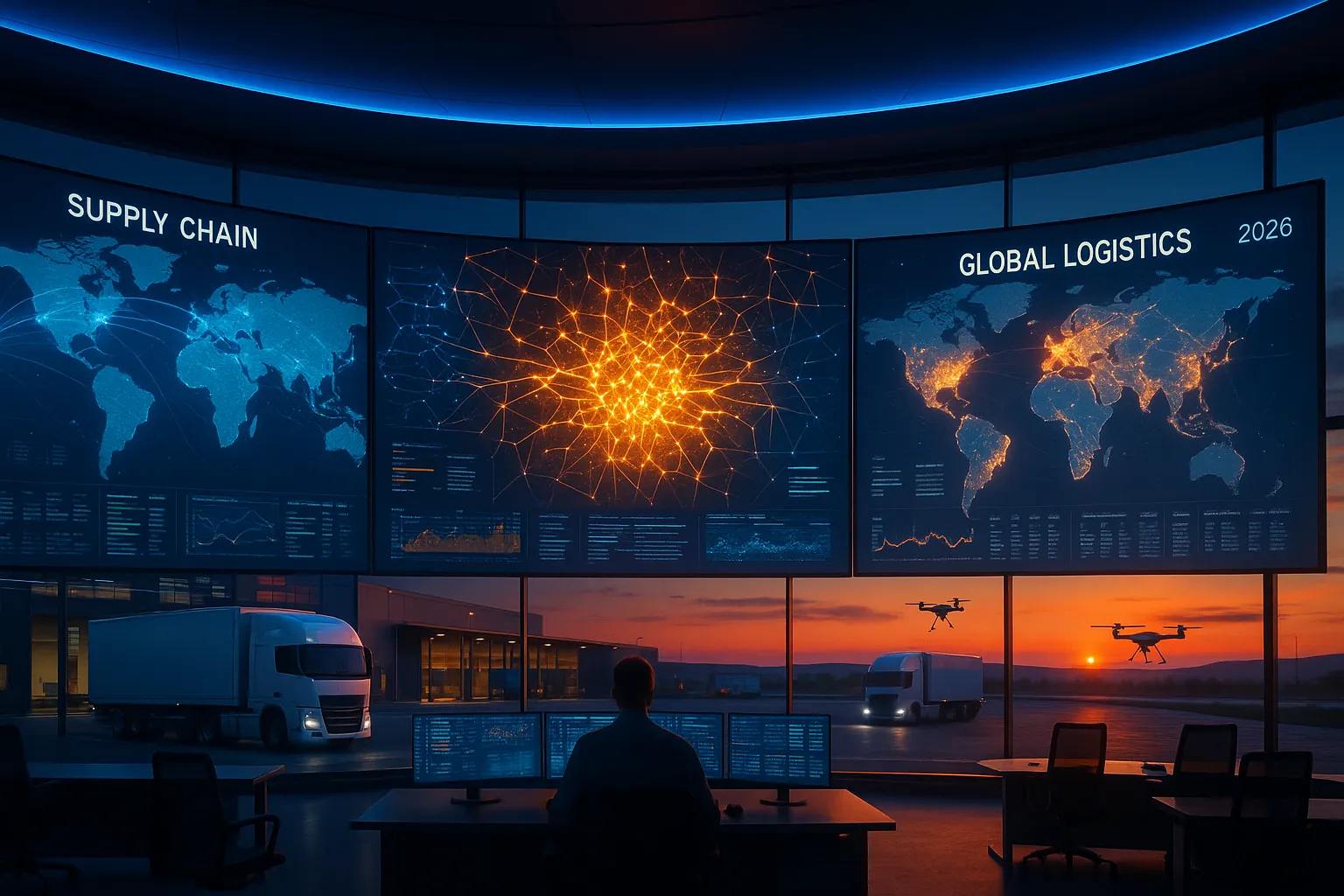
As warehouses deploy autonomous forklifts alongside traditional material handling equipment, the challenge shifts from operating individual trucks to orchestrating the entire logistics workflow. That's where transportation management systems become critical.
CXTMS connects inbound and outbound freight planning with warehouse execution systems, ensuring that autonomous forklift fleets receive accurate load data, appointment schedules, and priority assignments before trucks even arrive at the dock. When your TMS knows a high-priority shipment is inbound in 45 minutes, your autonomous fleet can pre-stage at the receiving dock—no radio calls, no dispatcher intervention.
The result: tighter dock-to-stock times, fewer detention charges, and a warehouse operation that moves at the speed of the data feeding it.
Ready to connect your transportation management with the autonomous warehouse? Request a CXTMS demo and see how integrated freight visibility drives smarter warehouse execution.