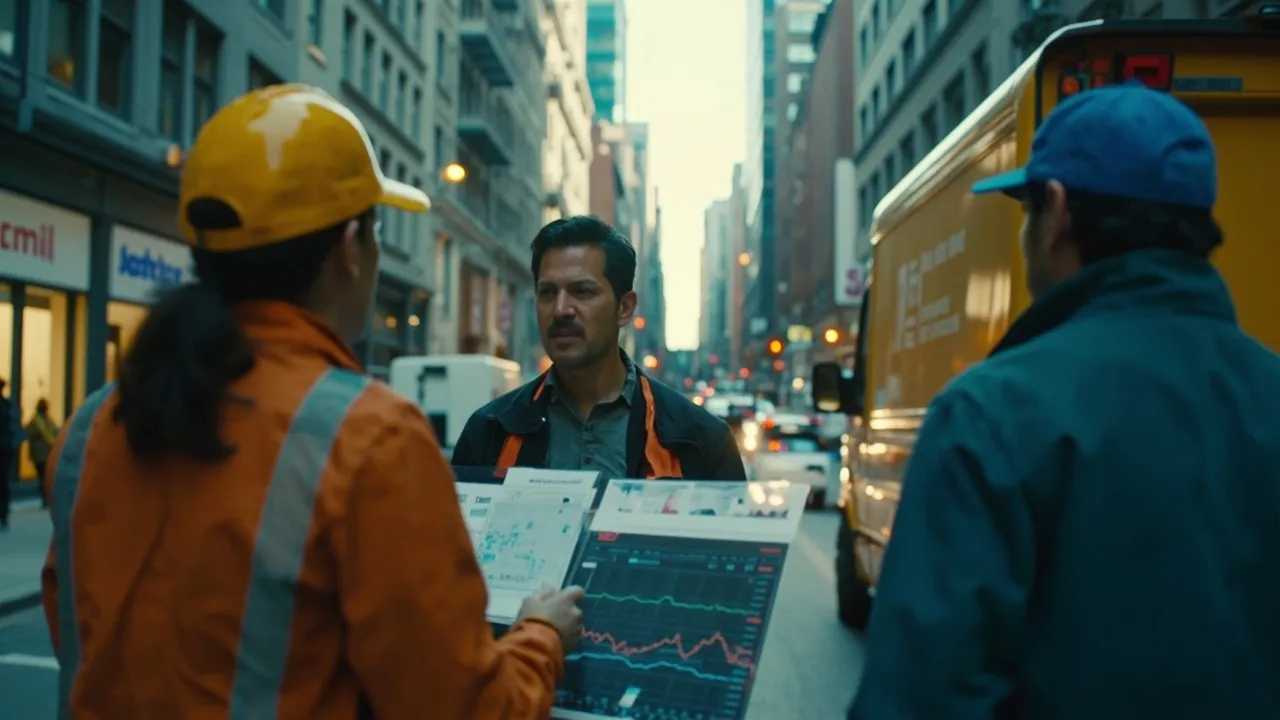
Gap and Kohl’s Add DoorDash: Govern Marketplace Delivery at the Store-Order Level

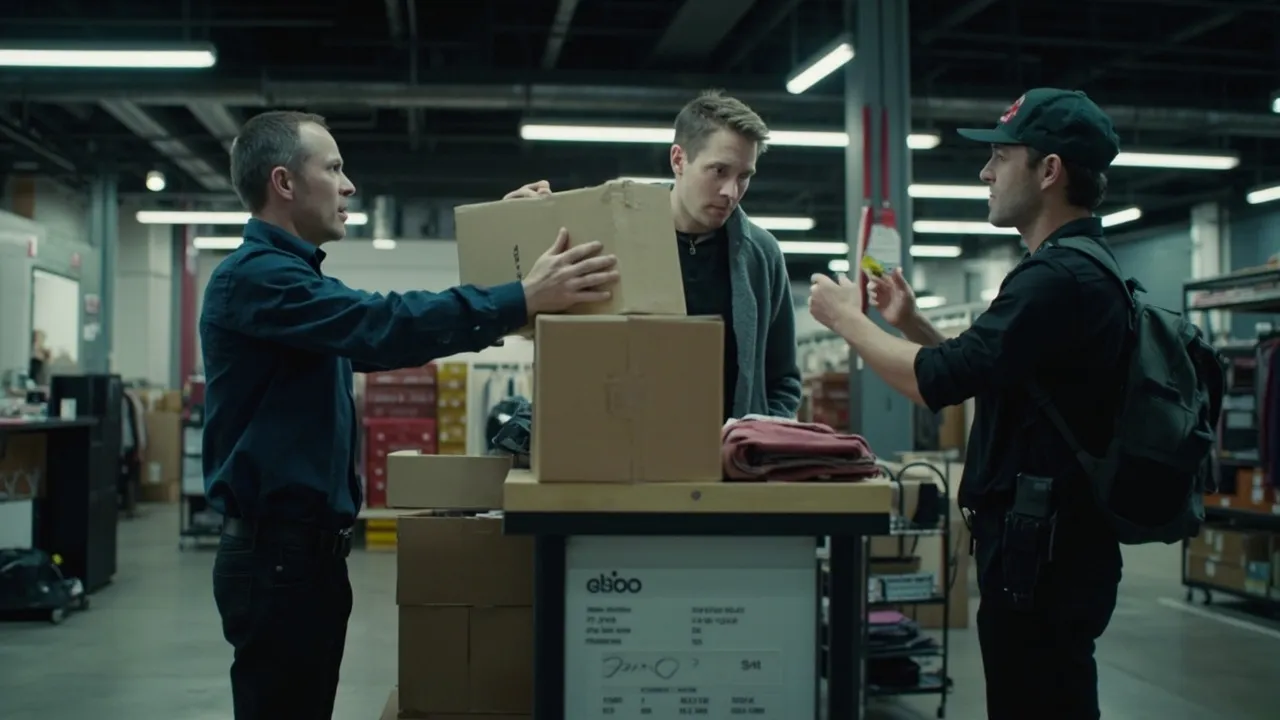
Putting a retail assortment on a delivery marketplace looks like a new last-mile option. Operationally, it creates a new order channel with its own demand patterns, service promises, fees, handoffs, and failure modes. The courier may complete the final mile, but the retailer still owns whether the item was available, picked correctly, ready on time, and economically worth selling.
That distinction matters as Gap and Kohl’s expand onto DoorDash. Marketplace reach can create incremental demand, but only store-order-level controls can keep that demand from consuming scarce inventory, distracting associates, and producing refunds that erase contribution margin.
Marketplace expansion makes the store a fulfillment node
Supply Chain Dive reports that DoorDash has partnered with Gap, Kohl’s, Barnes & Noble, and Carter’s, allowing customers to order their products through the delivery platform. The report says DoorDash fulfilled tens of millions of retail and grocery deliveries in under 30 minutes during the first quarter, across more than 22,000 ZIP codes.
That scale changes the role of a participating store. It is no longer only a selling location or a pickup point for the retailer’s own website. It becomes a node serving marketplace demand whose customer expects near-immediate confirmation and rapid delivery.
The operating question is therefore not simply whether DoorDash can reach a customer. It is whether each store can accept the order without damaging another promise. Inventory visible to the marketplace may also be needed for an in-store shopper, a buy-online-pickup-in-store order, or a shipment from store. A governance layer must decide which channel receives the unit before a picker starts walking.
Build one event record from reservation through refund
Every marketplace order should have a single operational timeline. At minimum, capture six events: inventory reservation, pick start, pick completion, courier arrival, proof of delivery, and financial closure. Cancellations, substitutions, and refunds should attach to that same order record rather than living in separate customer-service reports.
The reservation event needs a store, SKU, quantity, available-to-promise snapshot, and expiration time. A safety stock threshold should block marketplace acceptance when on-hand confidence is low. If an associate cannot find the item, the exception must release the reservation immediately so other channels do not see phantom inventory.
Picking requires its own timestamps and owner. A marketplace promise that ignores store workload is fiction. Queue rules should account for staffing, concurrent pickup volume, item location, and the courier’s estimated arrival. Orders approaching breach should escalate to a named store role, not merely turn red on a dashboard nobody owns.
At handoff, record package count, order identifier, courier identity, and time. Proof of delivery should close the physical chain of custody. A refund later issued for a missing or incorrect item can then be traced to reservation, picking, staging, courier custody, or doorstep delivery instead of being written off as a generic marketplace problem.
Separate the customer promise from store capacity
Rapid-delivery platforms are built around speed, while stores are built around selling. Those operating models collide during lunch peaks, evenings, promotions, and holiday traffic. A two-sided service policy prevents the marketplace promise from overwhelming store labor.
First, define what the customer sees: assortment, delivery radius, order cutoff, substitution rules, and promised window. Second, define what the store can supply: maximum open orders, pick capacity per 15-minute interval, inventory-confidence threshold, and staging-space limit. The marketplace should receive availability only when both sides are true.
This is not theoretical. Supply Chain Dive’s report on Mattress Firm’s DoorDash partnership described a two-hour delivery offer and noted that non-food retailers were increasingly using delivery providers for same-day service. Meanwhile, Inbound Logistics identifies high store-picking costs, complex associate roles, and the need for sophisticated inventory systems as core store-fulfillment challenges.
A store should be able to throttle or pause marketplace acceptance when capacity crosses a threshold. That action is better than accepting orders that will be cancelled late, because a fast rejection preserves the shopper’s alternatives while a late failure wastes labor and weakens trust.
Measure economics and service for every order
Gross marketplace sales say little about channel health. Build an order-level contribution view that subtracts merchandise cost, platform and payment fees, discounts, picking labor, packaging, refund expense, and any delivery subsidy. Report the result by store, category, daypart, and basket size.
Four metric groups expose the real operating picture:
- Inventory: acceptance rate, item-not-found rate, substitution rate, and reservation accuracy.
- Execution: pick minutes, ready-before-arrival rate, courier wait, and handoff accuracy.
- Service: on-time delivery, cancellation stage, refund rate, and reason-coded complaints.
- Economics: contribution margin per order, labor cost per pick, discount leakage, and refund-adjusted revenue.
Aggregate averages can hide a bad channel. A store may achieve high on-time delivery because associates abandon other work, or show revenue growth while small baskets lose money after fees and refunds. Pair service and margin at the order level, then set guardrails: minimum basket economics, maximum courier wait, and automatic assortment removal for SKUs with repeated inventory failures.
Turn the launch into a controlled operating loop
Start with a defined store cohort and review performance daily during launch. Operations should own pick and handoff, merchandising should own assortment and substitutions, finance should own contribution logic, and customer service should own refund reason quality. A weekly cross-functional review can adjust capacity, safety stock, radius, and assortment using the same data.
DoorDash gives retailers access to a large rapid-delivery network. It does not remove the retailer’s responsibility for inventory truth or store execution. The winners will treat marketplace delivery as a governed order stream—not a button added to the channel mix.
Ready to coordinate marketplace orders, store fulfillment, and last-mile execution in one operational view? Request a CXTMS demo and see how exception-driven transportation management protects service and margin.