Walmart’s 30-Minute Delivery Expansion: Measuring the True Cost of Speed

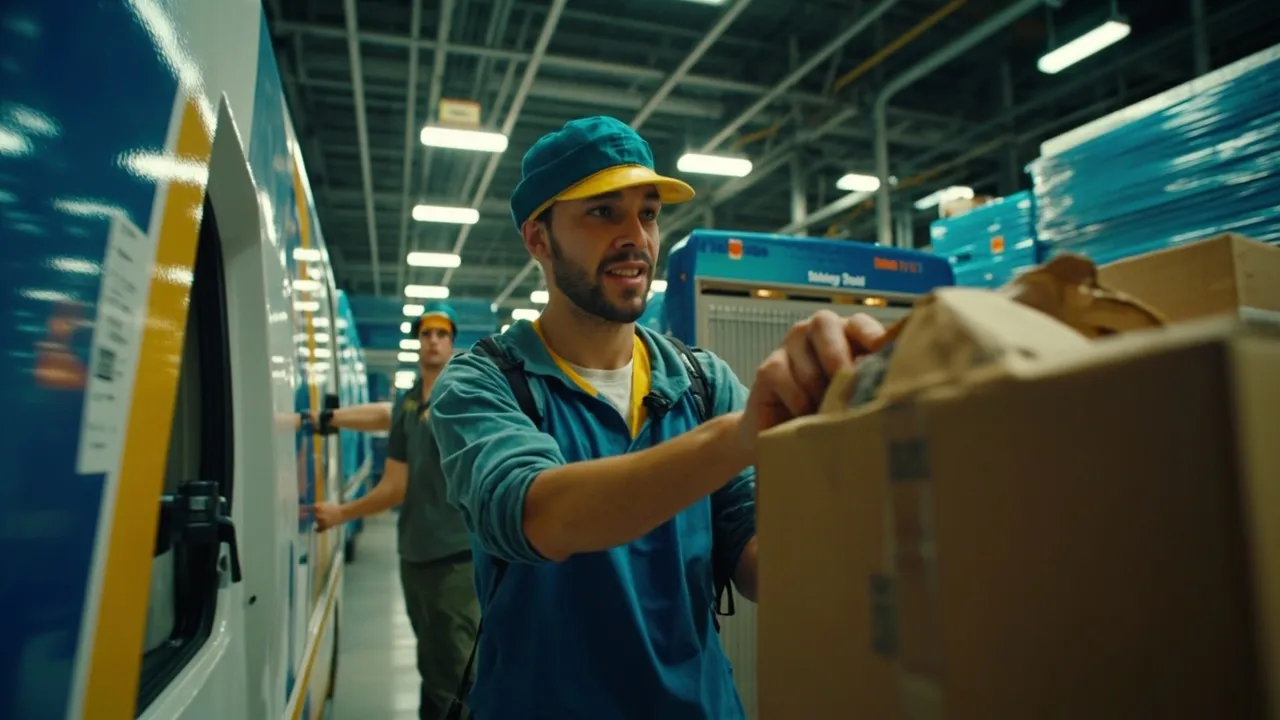
Thirty-minute retail delivery has moved beyond the pilot stage. Walmart is expanding its 30-minutes-or-less service after seeing customers choose faster fulfillment even when it carries an added charge. According to Supply Chain Dive, Walmart+ members pay a $10 fee for the service.
The scale behind that offer matters. Walmart said in May that its stores could reach approximately 60% of the U.S. population within 30 minutes, while a July report said the ultra-fast service had expanded to more than 30 markets. A large store network puts inventory close to customers, but proximity alone does not make a rapid order profitable.
Retailers evaluating the same promise need to answer a harder question than “Can we deliver in 30 minutes?” They need to know which orders create contribution margin after picking, staging, courier time, inventory placement, refunds, and failed delivery are counted.
Decompose the cost of every rapid order
A delivery fee is visible. The operational costs beneath it are not. A useful cost-to-serve model should separate at least four components.
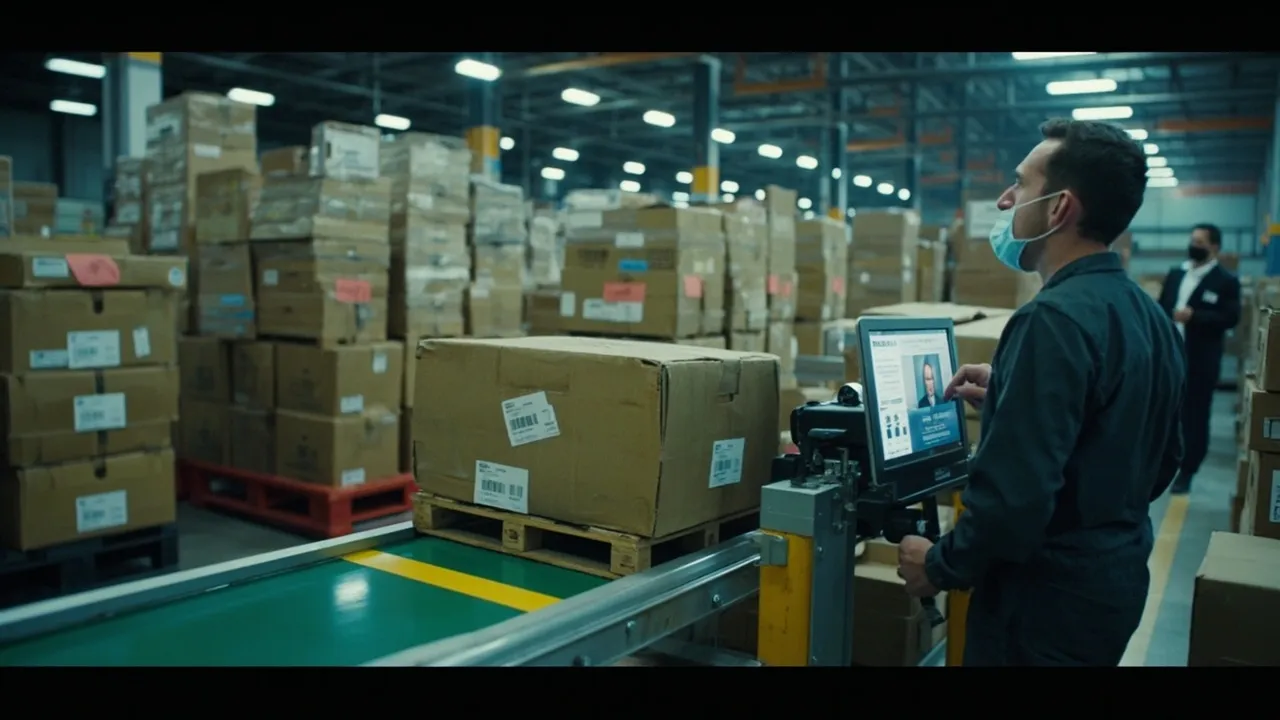
Pick labor begins when an order enters the store queue. The model should capture walking, item search, substitutions, checkout or verification, bagging, and staging. A ten-item basket spread across grocery, pharmacy, and general merchandise can consume more labor than a larger basket concentrated in one department. Measure active minutes by order profile rather than applying one average picking cost.
Inventory fragmentation appears when stock is positioned across many stores to support local demand. Faster delivery can improve inventory productivity when stores serve as forward fulfillment nodes. It can also increase substitutions, safety stock, and transfers if digital availability does not match shelf reality. The relevant expense is not simply product cost; it includes markdown exposure and the cost of disappointing a customer after accepting an urgent order.
Courier wait is the time between driver arrival and handoff. A courier who waits while the final item is picked adds expense without moving the order closer to the customer. Track arrival-to-handoff time separately from road time so store congestion is not misdiagnosed as a routing problem.
Failed delivery includes more than a second trip. Customer support, refunds, wasted perishables, fraud review, and lost loyalty all belong in the event cost. Failure rates should be segmented by address type, item class, time window, and proof-of-delivery method.
Put eligibility rules ahead of the promise
The safest rapid-delivery strategy does not make every item and address eligible. It creates a controlled service envelope.
Start with item rules. Exclude products that require lengthy preparation, special verification, oversized handling, or unavailable substitutions. High-velocity items in known locations are better candidates than products with unreliable shelf counts. Order acceptance should check actual store-level availability, not only an overnight inventory snapshot.
Next define a delivery radius using observed drive time by hour and day. A fixed mileage circle can be misleading when traffic, bridges, rail crossings, apartment access, or parking consume the available window. Dynamic zones should shrink when congestion rises and expand only when capacity supports the promise.
Add store-capacity rules. Available couriers do not solve an overloaded pick queue. The order-management layer should consider open rapid orders, trained pickers, staging space, current pick duration, and courier supply before displaying the 30-minute option. When thresholds are crossed, the retailer can offer a later window instead of accepting an order likely to fail.
Finally, establish a basket-value floor or explicit fee structure. Walmart’s $10 member fee demonstrates that shoppers attach value to urgency. Yet the fee should not be treated as pure margin. Each eligible basket needs enough gross profit plus delivery revenue to cover its incremental fulfillment cost and an appropriate share of operating overhead.
Measure margin and loyalty with speed
On-time delivery is essential, but it is not a complete scorecard. A service can meet its time promise and still destroy value through excessive labor, low-value baskets, refunds, or subsidized courier miles.
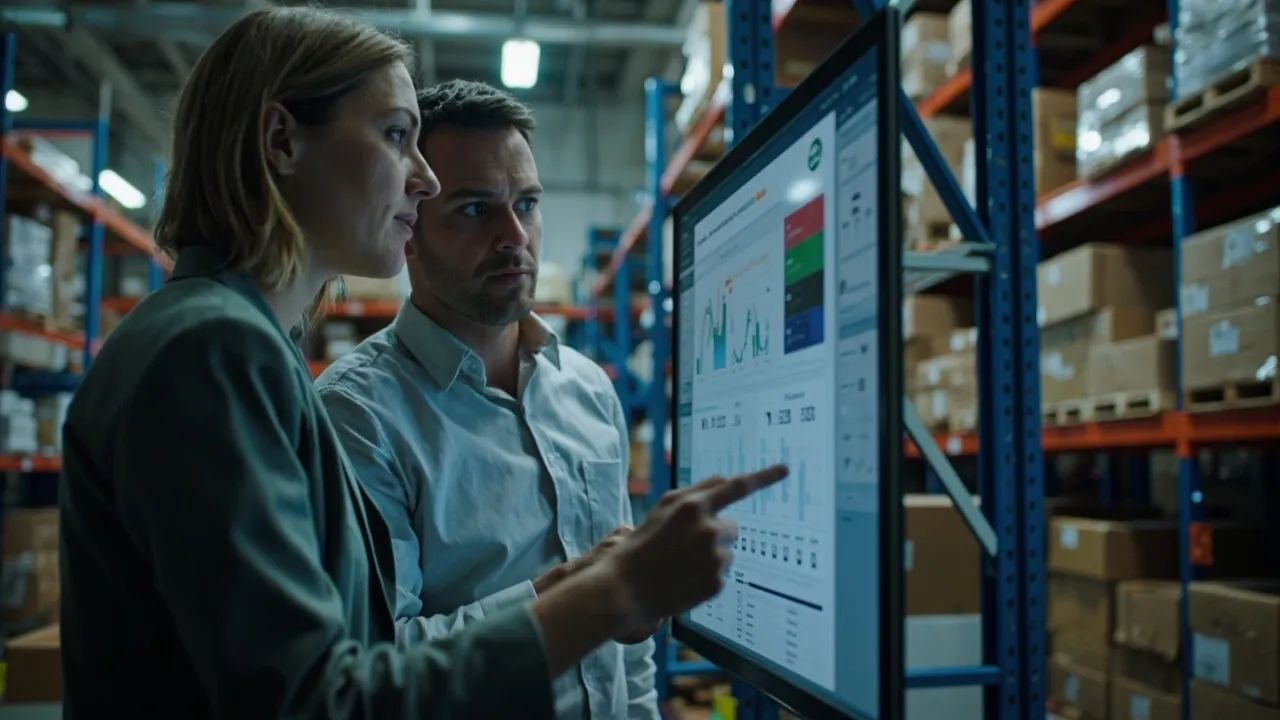
The primary financial measure should be contribution margin per order: product gross margin plus delivery revenue, less variable picking, packaging, payment, courier, support, refund, and recovery costs. Review it by store, customer cohort, service zone, order hour, and basket type. Averages can hide a profitable dense urban zone and a deeply unprofitable suburban edge.
Pair margin with operational measures: promise accuracy, pick duration, courier wait, substitutions, failed deliveries, and cost per completed order. These measures show where the service loses time and money.
Then test whether speed changes customer behavior. Track repeat purchase at 30, 60, and 90 days, but compare rapid-delivery users with similar customers who chose standard delivery. Also monitor order frequency, basket size, retention, and use of other fulfillment modes. If fast delivery increases loyalty, part of its value appears after the first order. If customers use it only during promotions, the economics may disappear when incentives end.
Build a closed operating loop
Rapid delivery needs a feedback loop connecting order acceptance, store execution, dispatch, and finance. Every completed or failed order should update expected pick time, zone duration, capacity thresholds, and cost assumptions. Weekly reviews can identify items to remove, radii to adjust, and stores that need different labor plans.
Walmart’s reach shows the strategic advantage of treating stores as local fulfillment nodes. The lesson for other retailers is not to copy a 30-minute promise everywhere. It is to make speed conditional on inventory confidence, available capacity, viable routing, and a basket that can support the true cost.
Ready to connect delivery promises with transportation cost and execution data? Request a CXTMS demo to see how configurable routing, shipment visibility, and cost analytics can support profitable last-mile service.