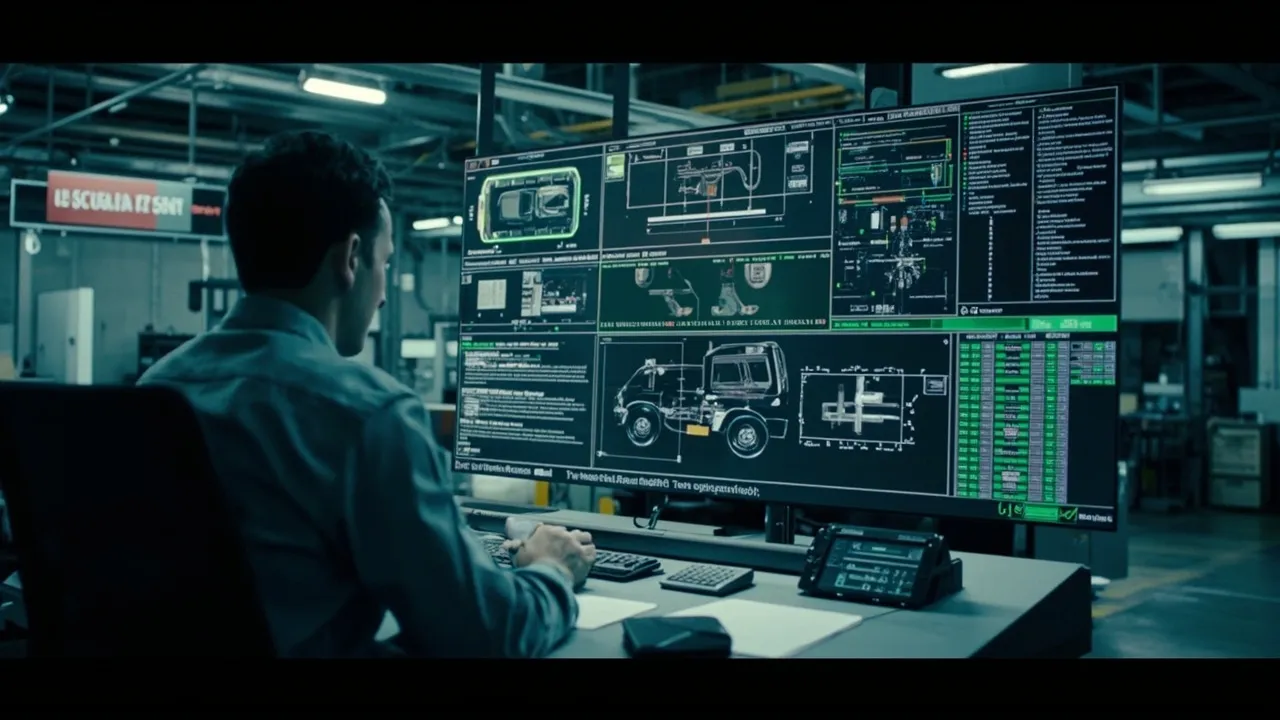
Warehouse Technology Selection Needs a Disruption Recovery Test

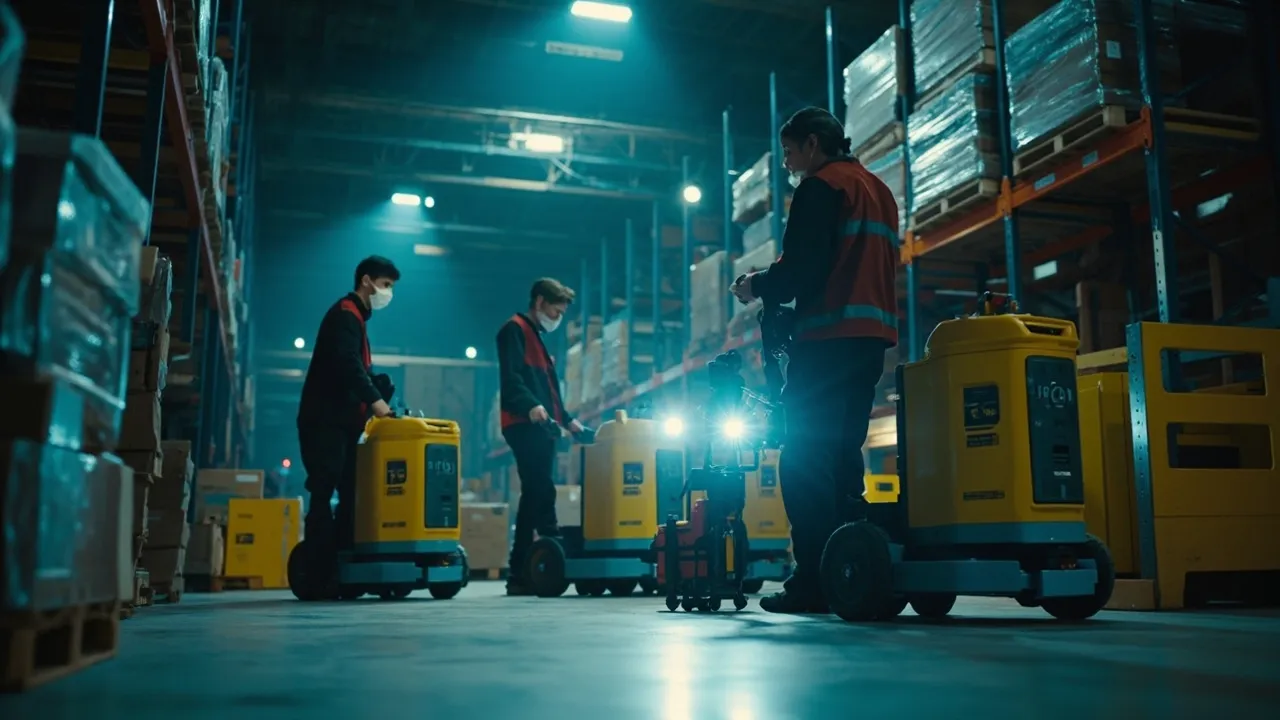
Warehouse technology evaluations usually reward the best demonstration. Vendors show peak throughput, clean integrations, intuitive dashboards, and an ideal flow of inventory from receiving to shipping. That matters, but it answers only half the buying question. The other half is more operationally important: What happens when the technology stops working as designed?
That question is becoming urgent as warehouses add tightly connected software, sensors, robotics, and automated material handling. North American companies ordered $622 million of robots in the second quarter of 2026, a 21.3% year-over-year increase in revenue, according to Food Logistics. As the automation footprint grows, so does the number of dependencies between equipment, applications, data, networks, and people.
A technology selection process should therefore include a disruption recovery test. The objective is not to prove that a system never fails. No credible vendor can promise that. The objective is to determine whether the warehouse can keep priority freight moving, recover within a defined window, and reconcile every transaction after normal operations return.
Feature Count Is Not a Resilience Measure
A long requirements matrix can create false confidence. Two warehouse management or automation platforms may both support wave planning, labor management, replenishment, and real-time dashboards, yet behave very differently during a network interruption or equipment fault.
Modern automation also concentrates operational risk. SupplyChainBrain reports that one degraded component can disrupt upstream flow, block downstream processes, and materially reduce outbound throughput during critical sort windows. A local fault can become a building-wide shipping problem because connected processes depend on one another.
Buyers should supplement the standard feature score with four resilience measures:
- Degraded-mode capacity: the percentage of normal volume that can still move during an outage.
- Recovery time objective: the maximum acceptable period before stable operations resume.
- Recovery point objective: how much transaction data the operation can afford to lose or reconstruct.
- Shipment impact: the number and priority of orders likely to miss cutoff while the system is impaired.
These measures turn resilience from a vague promise into a commercial requirement.
Run Four Failure Scenarios Before Signing
The most useful test is a structured tabletop exercise followed by a controlled demonstration. Use realistic order volumes, cutoff times, staffing, and inventory. Then inject four common disruptions.
1. Connectivity loss
Disconnect a representative workstation, handheld fleet, automation zone, or integration endpoint. Can workers continue picking and shipping from a local queue? Are labels and carrier data cached? Does the application clearly distinguish confirmed transactions from work awaiting synchronization?
The vendor should demonstrate behavior during the outage and reconnection. “The data will sync” is insufficient. Buyers need to see duplicate prevention, transaction ordering, exception handling, and a complete audit trail.
2. Automation outage
Take a conveyor segment, sorter, autonomous mobile robot zone, or automated storage interface offline. The test should show whether work can be rerouted and whether the warehouse control layer prevents inventory from disappearing between systems.
Measure the time required to isolate the fault, establish a manual path, and restore stable flow. A strong design fails in contained zones instead of allowing one component to paralyze the whole building.
3. Bad master data
Introduce an incorrect unit of measure, location dimension, hazardous-material flag, or item weight. This reveals whether the technology validates inputs before releasing work. It also tests whether supervisors can quarantine affected orders without stopping unrelated shipments.
Recovery must include identifying every transaction touched by the bad record. Correcting the master data alone does not fix picks, replenishments, labels, or freight plans already generated from it.
4. Labor shortage
Remove a meaningful share of scheduled labor and several key supervisors from the scenario. Can the system reprioritize work around carrier cutoffs and customer commitments? Can cross-trained employees use simplified workflows without elevated permissions or tribal knowledge?
This test matters even in highly automated facilities. MHI's 2025 Annual Industry Report frames digital supply chains as ecosystems of connected technologies. People remain the recovery layer that interprets exceptions and stabilizes those connections when conditions deviate from plan.
Require a Real Manual Fallback
A manual fallback is not a binder stored in an office. It is a tested operating mode with named owners, accessible data, controlled documents, and transaction identifiers that can later be reconciled.
For each critical workflow, define what employees may do offline, what must wait, and who authorizes exceptions. Prioritize medical, perishable, high-value, or cutoff-sensitive shipments. Prepare controlled pick lists and label procedures, and prevent improvised spreadsheets from becoming untraceable shadow systems.
The fallback also needs a capacity assumption. If manual picking supports only 25% of normal throughput, the warehouse needs a rule for choosing that 25%. Otherwise, teams will spend the outage debating priorities instead of moving freight.
Score Recovery, Not Just Restoration
Restarting a server or robot fleet is not the end of an incident. Stable recovery occurs only after inventory, orders, labor activity, and shipping transactions agree across systems.
Ask vendors to demonstrate a reconciliation report that identifies duplicates, missing confirmations, inventory variances, work completed manually, and messages held in integration queues. Assign ownership and a deadline to every exception. The test should finish only when the operation establishes a trusted system of record.
Vendor response belongs in the score as well. Specify severity definitions, acknowledgement time, technical-engagement time, escalation contacts, spare-parts expectations, and communication intervals. Then test the support process during selection. A technically capable platform with an ambiguous escalation path can still produce an unacceptable recovery time.
A practical selection score might allocate 40% to normal operational fit, 25% to degraded-mode performance, 20% to recovery and reconciliation, and 15% to vendor incident response. The exact weighting will vary, but resilience must carry enough value to change the outcome.
Buy for the Worst Shift, Not the Best Demo
Warehouse automation investment is accelerating, and the operational benefits are real. But every new dependency should arrive with a verified recovery path. The best technology is not simply the system that produces the highest theoretical throughput. It is the system that protects customer commitments when connectivity drops, equipment fails, data is wrong, or labor is unavailable—and returns the operation to a trustworthy state quickly.
CXTMS connects transportation execution with shipment priorities and milestones, helping logistics teams identify which loads require attention when warehouse operations are disrupted. Request a CXTMS demo to see how coordinated transportation visibility can support faster, more disciplined recovery.