Cyclospora Outbreaks Make Lot-Level Produce Traceability a Transportation Requirement

Produce traceability is no longer a compliance file maintained separately from transportation. The 2026 surge in Cyclospora infections shows that every pickup, consolidation, cross-dock, and delivery can determine how quickly an operator isolates suspect food without stopping an entire commodity flow.
The scale is difficult to dismiss. By the end of August, the Centers for Disease Control and Prevention had measured as many as 31,000 cases since May—about 26 times the infection rate of a typical year—according to Supply Chain Dive's investigation. Michigan alone reported more than 14,500 cases under its state criteria. At least four epidemiologically distinct clusters remained under federal investigation.
This is a transportation data problem as much as a food-safety problem. When records cannot connect a traceable lot to the loads, facilities, and customers it touched, the fastest safe response is often a blunt one: hold everything associated with a supplier or commodity. Better shipment records make a narrower response possible.
Why Cyclospora is unusually hard to trace
Cyclospora is a parasite rather than a bacterium. It is resistant to some sanitizing practices used against bacteria and viruses, while fresh lettuce and similar produce are normally eaten raw. Once contamination occurs upstream, a restaurant or retailer has limited ability to remove the hazard.
Investigation is also complicated by long illness timelines and the difficulty of connecting cases through laboratory testing. Investigators may have to reconstruct what people ate, where they bought it, and which supply chain served that location. Fragmented purchase orders, bills of lading, warehouse logs, and carrier portals turn that reconstruction into days of manual work.
The stakes became clear in July. Federal investigators linked iceberg lettuce from a single Mexican supplier to more than 1,600 illnesses across five states among people who reported eating at Taco Bell. However, the FDA later reclassified a positive lettuce test as a false positive because of the complexity of detecting Cyclospora. Supply Chain Dive reported that the supplier still recalled all iceberg lettuce grown in central Mexico and stopped sourcing from the region for the rest of the growing season.
That reversal is an important operational lesson: traceability must support both rapid quarantine and equally precise release. Companies need to know exactly which inventory remains implicated as evidence changes.
The five records every handoff needs
A useful traceability record joins food identity to physical movement. At every grower, processor, carrier, consolidation center, distributor, and consignee handoff, capture five data groups:
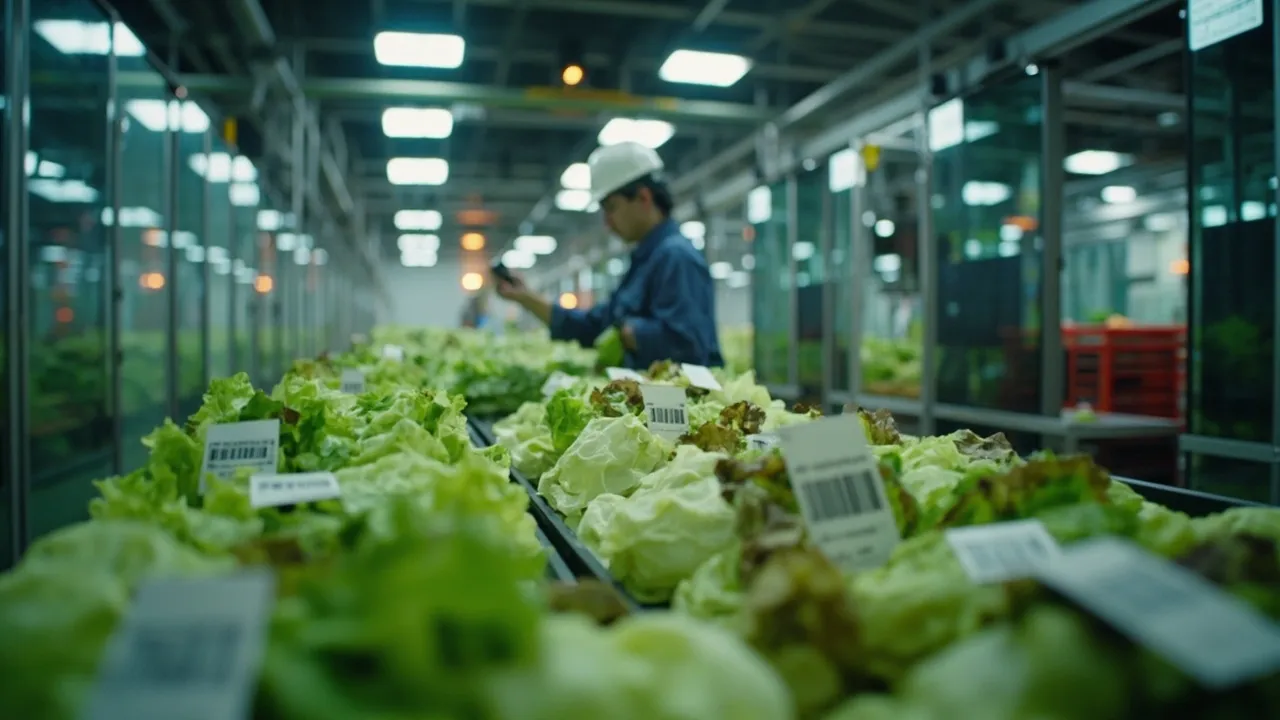
- Lot identity: traceable lot code, commodity, variety, pack configuration, quantity, harvest or production date, and source location.
- Location: pickup and delivery addresses, dock or storage zone when available, and geospatial milestones during transit.
- Temperature: reefer set point, sensor readings, excursion start and end times, and corrective action. Temperature does not kill Cyclospora, but it proves shipment integrity and helps separate parasite investigation from spoilage exposure.
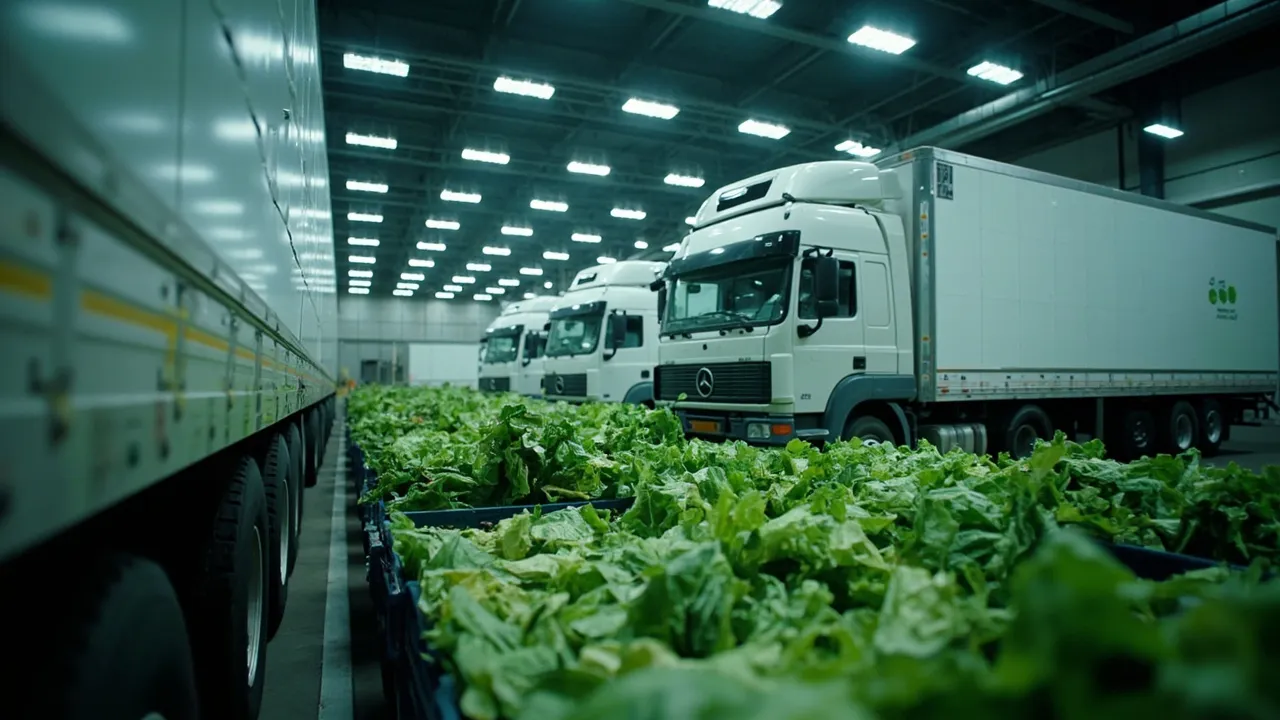
- Custody: shipper, carrier, trailer or container, seal, driver or transfer party, arrival and departure timestamps, and each consolidation or split event.
- Consignee: receiving facility, purchase order, received quantity, downstream transfer, and final store or restaurant destinations where known.
The critical design principle is persistence. A lot code should remain attached when pallets are split across trailers, cases are consolidated with other lots, or a shipment changes carriers. Recording only the inbound lot and outbound order creates a blind spot precisely where investigators need a defensible link.
Isolate loads instead of freezing a network
When an alert arrives, begin with the suspect lot and work in both directions. Trace backward to its field, processor, and prior loads; then trace forward through every shipment, facility, split, and consignee. The result should be a specific quarantine list containing shipment IDs, current inventory locations, delivered customers, quantities, and custody status.
Keep separate lists for confirmed matches, possible matches with missing data, and cleared product. This prevents an unverified association from shutting down every load from a supplier. It also makes gaps visible: a pallet with an unreadable label or an unrecorded cross-dock is escalated rather than silently grouped with clean inventory.
Use status controls that operations cannot mistake—hold, in transit to quarantine, received under hold, destroyed, returned, and released. Block held lots from tendering and appointment workflows. Notify consignees with the lot code, shipment reference, delivered quantity, action required, and acknowledgment deadline. A generic supplier notice invites both overreaction and missed inventory.
Run a recall drill from the TMS
A quarterly drill should start with one randomly selected produce lot and a clock. The team must identify every inbound and outbound movement, find inventory still in the network, produce a consignee contact list, and reconcile shipped, received, held, and disposed quantities.
Measure more than completion. Track time to first affected shipment, time to 100% consignee identification, percentage of movements with complete lot and custody fields, unresolved quantity, notification acknowledgment, and exception age. Review timestamp gaps at cross-docks, carrier transfers, and receiving docks—the handoffs most likely to break the chain.
Then test a changing-evidence scenario. Remove one lot from scope or add an adjacent production window and require the team to regenerate the quarantine list. A system that can only create a broad hold is not truly recall-ready.
The 2026 outbreak demonstrates the cost of ambiguity. Thirty-one thousand measured illnesses and multiple distinct clusters cannot be managed through supplier names and spreadsheets alone. Transportation records need to answer, within minutes, which lots moved, where they went, who controlled them, and what remains in motion.
CXTMS connects lot references, shipment milestones, carrier custody, temperature exceptions, and consignee records in one operational workflow. Request a CXTMS demo to see how precise transportation data can support faster, narrower produce recalls.