Panama Canal El Niño Surcharges Need a Water-Risk Booking Playbook

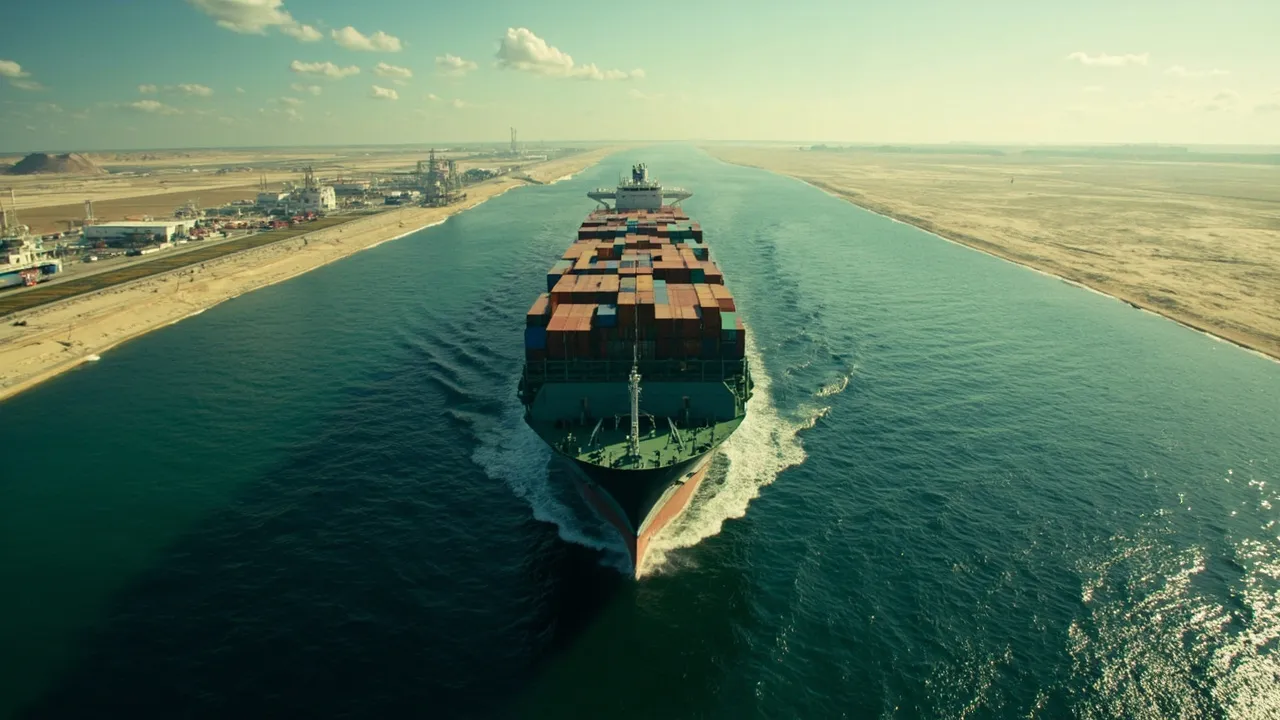
Panama Canal water risk is returning to ocean freight planning, but the operational signal is not a single canal closure or carrier announcement. It is a sequence of smaller changes—surcharges, vessel draft reductions, fewer late booking opportunities, and potentially tighter daily capacity—that can alter the cost and reliability of a shipment after routing decisions have already been made.
Supply Chain Dive reports that MSC introduced a $100 per TEU Panama Canal surcharge for cargo from major Asian origins to the U.S. East and Gulf coasts, effective August 19. CMA CGM is raising its surcharge from $40 to $100 per TEU effective July 25 on specified Asia-to-Americas trades.
Those charges are an immediate cost issue. The bigger planning problem is that they coincide with tightening physical constraints and a rapidly changing climate outlook.
Draft, Bookings, and Surcharges Are Different Risks
The canal's Neopanamax draft limit was set at 49.5 feet earlier in July, with reductions to 49 feet and then 48.5 feet on August 15, according to the same Supply Chain Dive report. A lower maximum draft can reduce how much cargo a vessel carries through the waterway. Carriers may respond by adjusting loads, changing rotations, applying fees, or routing cargo differently.
A surcharge does not guarantee a booking slot. A confirmed booking does not guarantee that a heavily loaded vessel can transit at its original draft. And a draft restriction does not necessarily mean the canal has reduced its number of daily transits. These are connected but distinct events, so they require separate fields and triggers in a shipper's operating plan.
That distinction matters because the canal had not announced broad low-water passage restrictions as of July 23, yet it was already considering booking controls. The reported probability of a severe El Niño event climbed from 25% in April to 81% in July. Canal leadership said capacity measures could include both draft limits and fewer daily booking slots, with timing dependent on water and market conditions.
The canal matters disproportionately to U.S.-linked freight. In 2024, 52% of canal transits had a U.S. port as an origin or destination, while more than 76% of cargo transiting the canal was connected to the United States. That exposure makes a generalized “watch Panama” alert too vague to guide action.
Build Triggers at the Lane Level
A useful water-risk playbook starts with the shipment lanes that actually depend on the canal. Each lane should record the planned service, canal dependency, cargo density, required arrival date, alternate route, inventory coverage, and customer priority.
Teams can then attach explicit responses to observable thresholds:
- Surcharge announced: Recalculate landed cost using the effective date, origin, destination, equipment type, and carrier applicability. Do not apply the fee to every shipment merely because it uses Panama.
- Draft limit reduced: Ask the carrier whether the sailing faces load restrictions, rolled cargo risk, or a rotation change. High-density cargo deserves particular scrutiny.
- Booking window tightens: Move booking deadlines forward and require earlier forecast commitments from purchasing and sales.
- Daily slots decline: Add transit-time buffers and evaluate services through the Suez Canal, West Coast ports, or alternative transshipment hubs.
- Inventory coverage falls below threshold: Escalate from monitoring to rerouting, premium service, or inventory reallocation.
These rules should reflect the economics of each lane. An alternate route that adds days but protects a production line may be justified. The same route may be wasteful for replenishment inventory with ample coverage.
Treat Early Booking as a Controlled Commitment
When capacity becomes uncertain, “book earlier” is sensible but incomplete advice. Early bookings can lock in space before demand, production readiness, or customer requirements are firm. That creates cancellation costs, duplicate reservations, and poor forecasts.
A controlled early-booking rule defines when forecast confidence is sufficient to reserve capacity and who can approve exceptions. For example, a shipment might qualify when the purchase order is confirmed, cargo-ready date is within an agreed tolerance, inventory coverage at destination is below a set number of days, and no lower-risk sailing meets the required delivery date.
The plan also needs a review point. If cargo readiness slips or canal conditions improve, the team should decide whether to retain, amend, or cancel the booking. Every decision should preserve the price and operating assumptions available at that time.
Compare Alternatives Using the Full Shipment Cost
Avoiding Panama is not automatically safer or cheaper. A West Coast routing may add rail or truck capacity risk. A Suez routing may increase sailing time, emissions, and inventory in transit. A transshipment option can introduce another cutoff, port call, and connection failure point.
Compare alternatives using total landed cost and service exposure: base ocean rate, canal surcharge, inland transport, transshipment charges, additional inventory carrying cost, expected delay, demurrage exposure, and the business cost of a late delivery.
Customer notification should follow the same trigger structure. A surcharge that does not change delivery may require a commercial notice but no service alert. A reduced booking allocation that threatens a confirmed arrival date should prompt an operational notification with the affected shipment, revised estimate, selected response, and next review time.
Preserve the Decision at Shipment Level
Water-risk management breaks down when carrier notices remain in inboxes while bookings live in another system. CXTMS can connect the carrier, service, lane, surcharge effective date, booking cutoff, draft condition, alternate routing, approval, and customer communication to the shipment record.
That history gives procurement, operations, finance, and customer service one explanation for why a route was retained or changed. It also makes post-event analysis possible: which triggers occurred, which bookings were protected, what extra cost was incurred, and which alternative performed best.
El Niño probability can change quickly, but a shipper's response should not be improvised with every advisory. A lane-level playbook turns canal conditions into timely, auditable booking decisions.
Ready to manage ocean exceptions with shipment-level control? Request a CXTMS demo and see how your team can connect costs, routing decisions, and customer updates in one workflow.