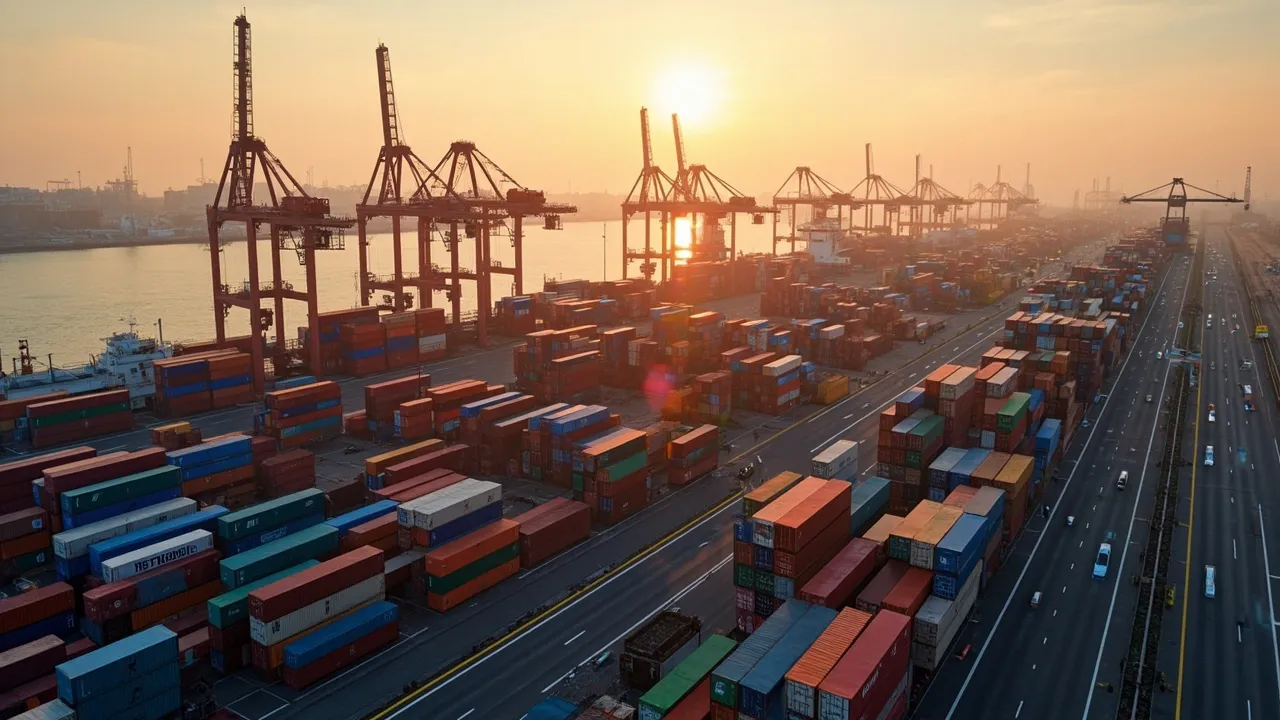
Marine Bunker Fuel Shortage: How Shippers Can Protect Ocean Freight Allocations

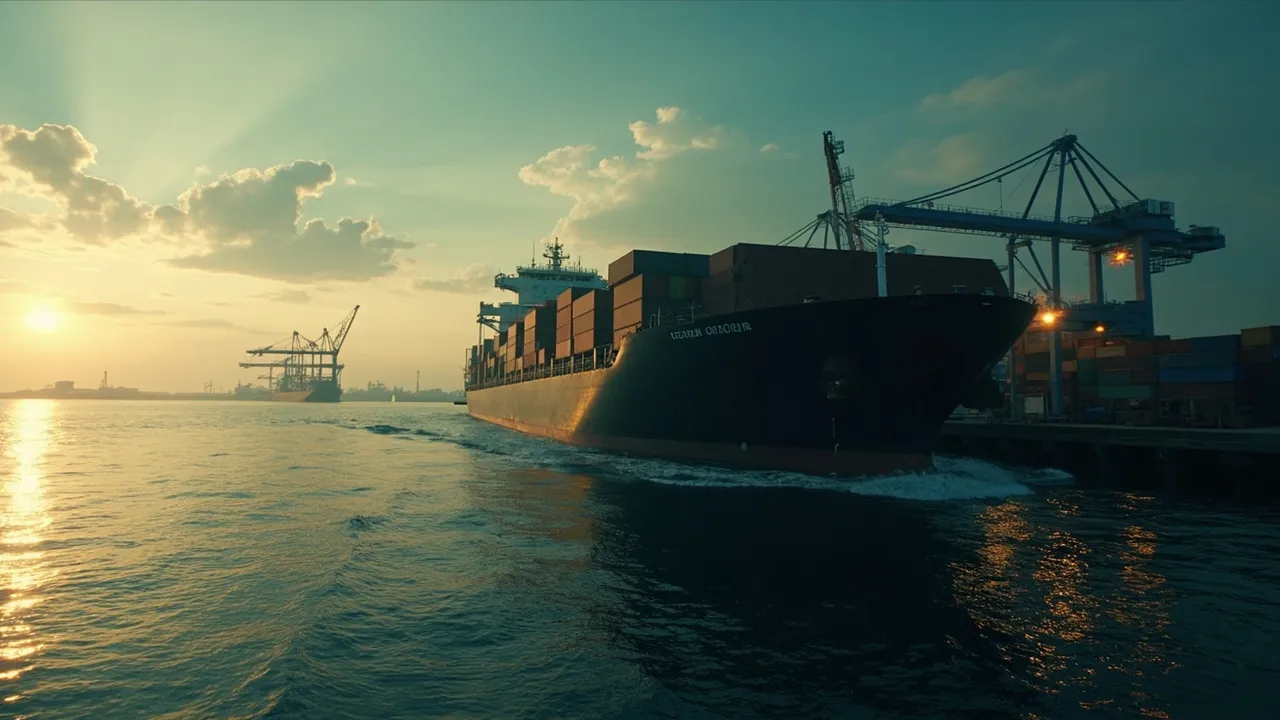
Marine fuel is becoming more than a line item in an ocean freight invoice. When refiners have limited crude and stronger incentives to make higher-value products, the residual streams and blending components used for bunker fuel can tighten. The result reaches shippers through fuel surcharges, longer refueling windows, slower voyages, omitted calls, and less dependable container allocations.
Reuters reported on September 7 that war-strained refiners were favoring other products, raising the prospect of a ship-fuel shortage. Procurement teams should treat that warning as an operational trigger. The right response is not a blanket rush to buy capacity; it is to identify which lanes and containers cannot absorb another day of delay or another surcharge revision.
Why bunker supply can tighten quickly
Bunker fuel is not a uniform commodity. Ships may consume high-sulfur fuel oil with scrubbers, very-low-sulfur fuel oil, marine gasoil, or alternative fuels, depending on vessel equipment and emissions rules. Each grade depends on a different mix of refinery output and blending components. A port may therefore have fuel in aggregate while a vessel still struggles to secure the required specification at the planned time.
The warning signs have appeared before. In March, Reuters found that bunker premiums in Asia reached record highs and some ships struggled to refuel as Middle East disruptions tightened supply. Reuters also reported that reduced availability of blending components coincided with refiners cutting low-sulfur fuel-oil production because of crude shortages. That combination matters because it limits how easily suppliers can substitute one stream for another.
The logistics impact is rarely announced as “no fuel.” Carriers first adjust where and how much they bunker, add contingency calls, reduce speed, or revise rotations. Those decisions consume schedule buffer. By the time a sailing is blanked or a port call omitted, a shipper that only tracks the published schedule has already lost valuable response time.
Translate fuel risk into four shipment risks
Shippers should map bunker constraints to four distinct exposures:
- Cost: Bunker adjustment factors and emergency fuel surcharges may change faster than normal contract-review cycles. A percentage formula, index lag, currency conversion, and effective date can each materially alter the invoice.
- Transit: Slow steaming conserves fuel but extends port-to-port time. An extra day at sea can break a production sequence or shorten the selling window for seasonal goods.
- Schedule: A carrier may blank a sailing, omit a call, or consolidate volumes onto another service. Cargo can remain booked yet move days later than expected.
- Allocation: When effective vessel capacity tightens, carriers protect higher-yielding or contractually committed cargo. A nominal allocation has little value if it is not tied to accepted bookings and loaded containers.
These risks should not be rolled into one red-yellow-green status. Cost may rise while service remains stable, or a fuel grade may be available while a particular rotation is disrupted. Separate signals produce better decisions.
Build a lane-level protection model
Start by assigning every active ocean lane a fuel-risk profile. Record the carrier, service string, transshipment points, typical bunker ports, contracted fuel formula, allocation commitment, and alternative routings. Then score shipments using commercial consequence and recovery options.
A practical priority score can combine five fields: days of inventory remaining, customer-service penalty, production-stop exposure, product shelf life, and availability of substitute stock. The highest score should receive protected allocation first. Procurement can then request carrier confirmation for a defined number of priority containers instead of vaguely asking whether the entire lane is secure.
For every protected container, capture three milestones: booking accepted, equipment released, and loaded on vessel. A booking reference alone is not proof of capacity. If the carrier changes the vessel or sailing, the allocation record should inherit the exception and require a new confirmation.
The model also needs alternatives with real constraints. A different load port may add drayage, customs, and cutoff risk. A transshipment option may look faster on paper but introduce another connection vulnerable to schedule changes. Compare alternatives on total expected cost and delivery probability, not base ocean rate alone.
Audit every fuel-clause change
Fuel clauses become difficult to challenge when the calculation is buried in email or applied differently by carrier and trade lane. Store the source index, baseline, adjustment band, review frequency, notice period, currency, and effective dates alongside the rate agreement.
When a carrier files a surcharge, CXTMS can compare it with the active contract version and flag mismatches before tender or invoice approval. Procurement should also model a range, not a single fuel assumption. A base, stressed, and severe scenario reveals which lanes cross the budget threshold and where a longer validity period or capped adjustment has the most value.
Do not compare surcharge labels alone. One carrier may embed part of fuel in the base rate while another separates it. Normalize the all-in cost per container for the same equipment, dates, and routing, then retain the calculation used for approval.
Set alerts that lead to action
A useful control tower alert has an owner, deadline, and response rule. Configure alerts for:
- a fuel index moving beyond the contract's next adjustment band;
- a new or revised carrier fuel surcharge on an active lane;
- a vessel, voyage, or port-call change after booking acceptance;
- allocation utilization crossing a pre-set threshold;
- a priority container remaining unconfirmed near the cutoff; and
- projected arrival moving beyond the shipment's inventory or customer deadline.
Route commercial alerts to procurement and operational alerts to the planner responsible for the shipment. If a high-priority booking is not confirmed by the defined cutoff, the workflow should automatically surface the approved alternate service and its current all-in cost. That turns a market warning into a decision before capacity disappears.
Marine bunker shortages are a network problem disguised as a fuel problem. Shippers cannot control refinery choices or geopolitical disruption, but they can control how quickly a price or schedule signal reaches the right shipment record. Lane-level clauses, milestone-based allocation tracking, and prioritized recovery rules protect the containers that matter most.
See how CXTMS connects ocean rates, allocations, milestones, and exception alerts in one workflow. Contact CXTMS.