Connected Lift-Truck Batteries Are Becoming Warehouse Energy Dispatch Data

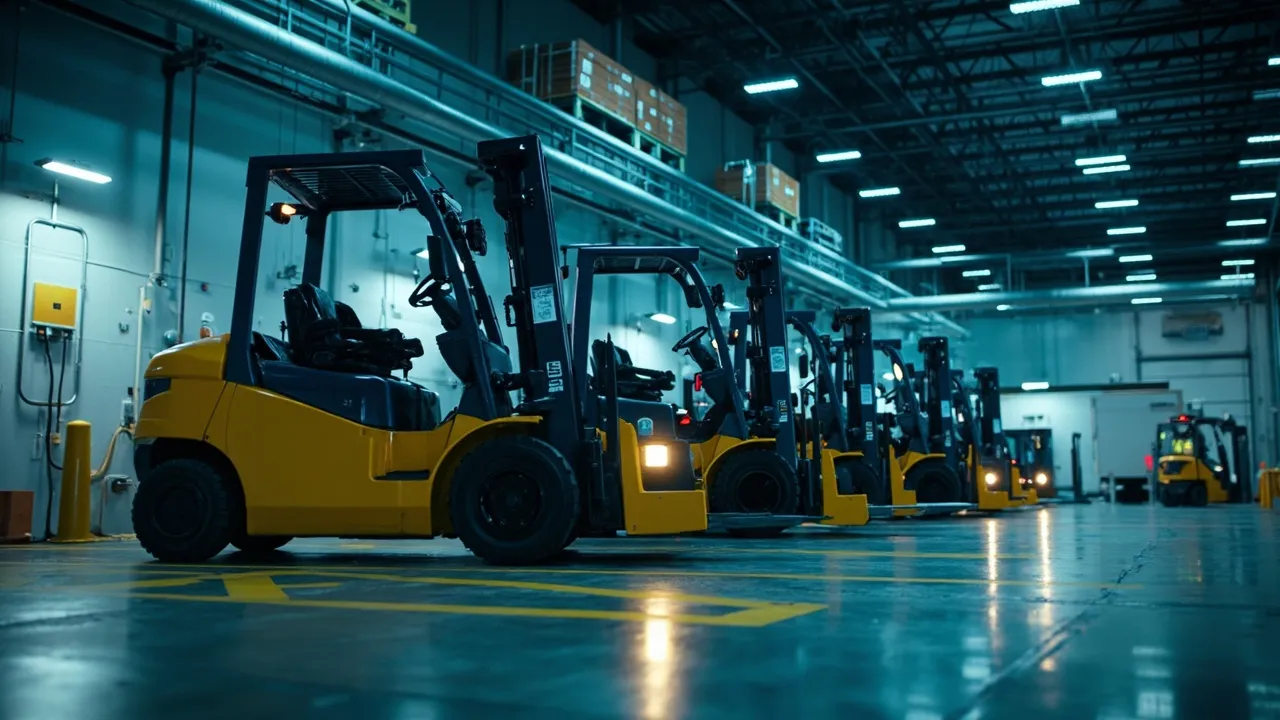
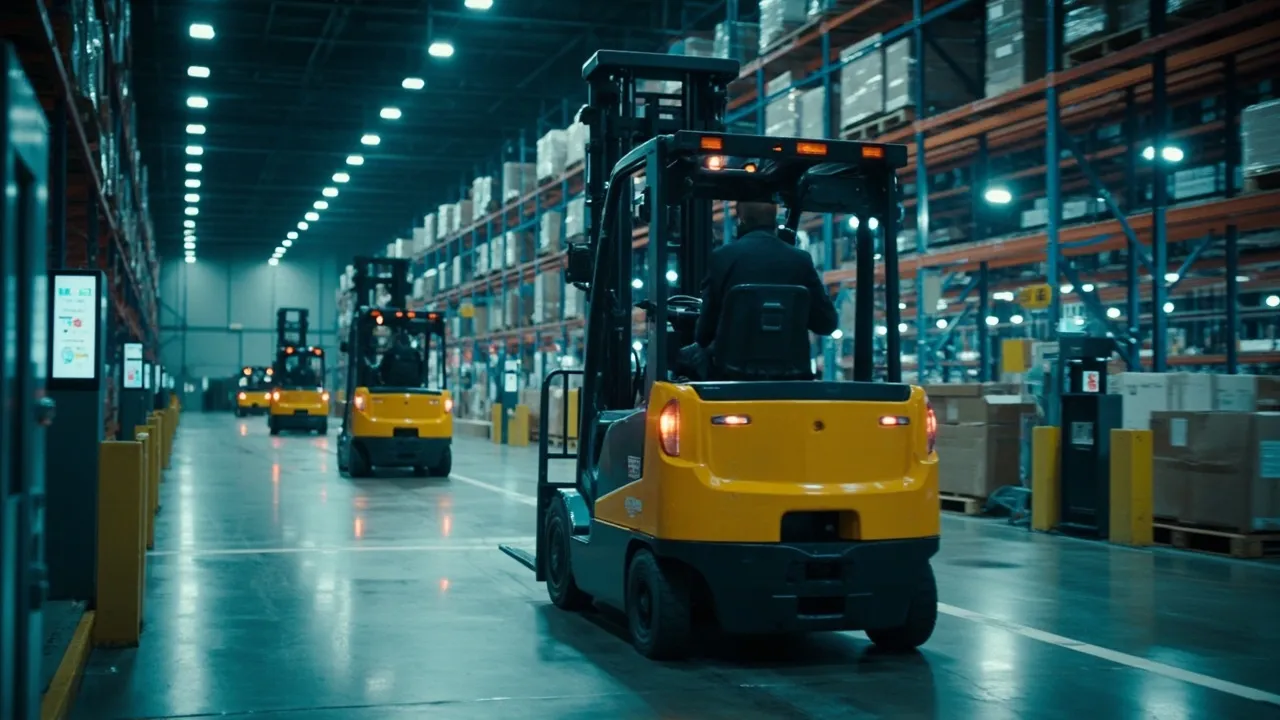
Warehouse power used to be background infrastructure. A forklift battery was charged, swapped, maintained, and mostly ignored until it failed. That model is wearing out.
Modern Materials Handling reported that lithium-ion, and some lead-acid, lift-truck batteries have become connected resources producing real-time data on health, performance, usage, uptime, compliance, charging behavior, and fleet productivity. The article also described a broader move toward integrated systems where the truck, battery, charger, and telematics dashboard share information instead of leaving operations teams to reconcile disconnected data sources.
That is more than a maintenance improvement. It turns warehouse energy into dispatch data.
If a reach truck is at 18% charge, a freezer-zone putaway wave is at risk. If chargers are queued near shift change, outbound replenishment can miss the dock plan. If a battery is flagged for maintenance, the equipment plan can shrink before supervisors notice the shipping impact.
The warehouse does not ship because inventory exists. It ships because people, doors, equipment, power, and transportation windows line up at the same time.
Power Is Now A Throughput Constraint
The strongest signal from MMH's coverage is that motive power is becoming a managed operating layer. Concentric categorized useful battery data around performance, uptime, and compliance. Linde's connected system was described as helping users monitor the full fleet, prioritize trucks, manage charging times, and track battery state of health. Big Joe pointed to the value unlocked when truck data and battery data finally start to mix.
That matters because equipment availability is not binary. A truck may be present but unavailable, suitable for a light aisle task but not a long cold-chain move, or blocked by a maintenance hold even though the labor plan assumes it is usable.
Logistics Management's 37th State of Logistics coverage reported that U.S. business logistics costs totaled $2.4 trillion, equal to 7.8% of GDP. It also described a logistics environment shaped by energy-price volatility, labor constraints, rising operating costs, and the shift from periodic optimization to continuous adaptation.
Inside that cost environment, a dead battery is not just a maintenance ticket. It can become overtime, detention, missed pickup, rushed loading, product staging congestion, or a customer-service escalation. The cost may land in transportation even though the root cause sat in the charger queue two hours earlier.
Build The Energy-Dispatch Record
If battery telemetry is going to improve shipping execution, it needs to be structured as an operating record rather than a dashboard someone checks when things go wrong.
The first field is asset ID. The warehouse needs to know which forklift, reach truck, pallet jack, or stock picker is connected to the work plan. Generic fleet availability does not help when one zone depends on a specific equipment class.
The second field is battery state. State of charge, battery health, runtime estimate, temperature condition, and warning status should be visible before work is assigned. A truck that can finish two short replenishment tasks may not be suitable for a long trailer-loading sequence.
The third field is charger queue. Charging is now a dispatch decision. Operations teams need to know which assets are charging, which are waiting, which chargers are down, and whether opportunity charging can happen during breaks or between waves without creating congestion.
The fourth field is work zone. A dry-goods aisle, freezer, dock, mezzanine, and reserve storage area put different demands on equipment. Cold environments, long travel paths, and heavy pallet moves change the energy plan.
The fifth field is task priority. Battery status should not simply block work; it should help sequence work. A temperature-sensitive outbound load or narrow carrier appointment should outrank replenishment that can safely move later.
The sixth field is maintenance hold. Battery health warnings, charger issues, impact events, and inspection requirements need to appear before the truck is assigned to a critical shipment path.
The seventh field is operator assignment. Operator availability and equipment readiness have to match. A qualified operator with no powered asset is not a shipping resource.
The final field is shipment impact. This is the field most warehouses miss. If a battery constraint threatens an order wave, dock appointment, loading sequence, transfer move, or carrier cutoff, the energy record should attach to the shipment exception.
That attachment changes behavior. Instead of discovering the issue after a carrier waits, transportation can see that the loading plan is at risk because the equipment plan is at risk.
Telematics Needs To Reach The Dock Schedule
The natural home for battery data may be a fleet or maintenance dashboard, but the operational value appears when it reaches the dock schedule.
A dock schedule assumes a loading sequence. The loading sequence assumes staged freight. Staged freight assumes picking, replenishment, movement, and pallet handling. Those tasks assume powered assets.
That is why connected batteries belong in the same execution layer as warehouse readiness signals. A carrier appointment should be protected by more than labor headcount and door availability. It should also account for whether the material-handling equipment needed to release the freight is ready, charging, blocked, or degraded.
This also changes how exceptions should be routed. If an outbound load is delayed because the right lift truck was not charged, the recovery path may involve reassigning equipment, changing the loading order, moving the appointment, or splitting the shipment. Without the energy record, teams treat the symptom instead of the constraint.
Gartner's 2026 supply chain technology trends point toward more autonomous operations, AI, machine learning, and robotics across supply chains. That direction makes the battery-data problem more important, not less. Automation depends on clean constraint data. A system cannot intelligently prioritize warehouse work if the power layer is missing or fragmented.
Where CXTMS Fits
CXTMS helps logistics teams connect warehouse readiness, dock scheduling, carrier appointments, and shipment exceptions in one execution record. As connected lift-truck batteries become part of the operational data stream, CXTMS can help make that signal useful beyond maintenance.
A shipment record can carry the equipment-energy status behind a loading plan: asset ID, battery state, charger queue, work zone, task priority, maintenance hold, operator assignment, and shipment impact. That gives teams one view of whether a pickup is protected or quietly sliding out of tolerance.
The point is not to turn the TMS into a battery dashboard. The point is to expose the warehouse constraint before it becomes a freight failure.
Connected lift-truck batteries are a small-looking data source with a large operational consequence. When power is visible, teams can protect appointments, resequence work, and separate true carrier failures from warehouse readiness failures.
If equipment energy still becomes a surprise reason for late loads, schedule a CXTMS demo. CXTMS helps logistics teams connect warehouse readiness, dock scheduling, carrier appointments, and shipment exceptions before a power constraint becomes a customer problem.