Automotive Plant Expansions Need Logistics Readiness Before the First Unit

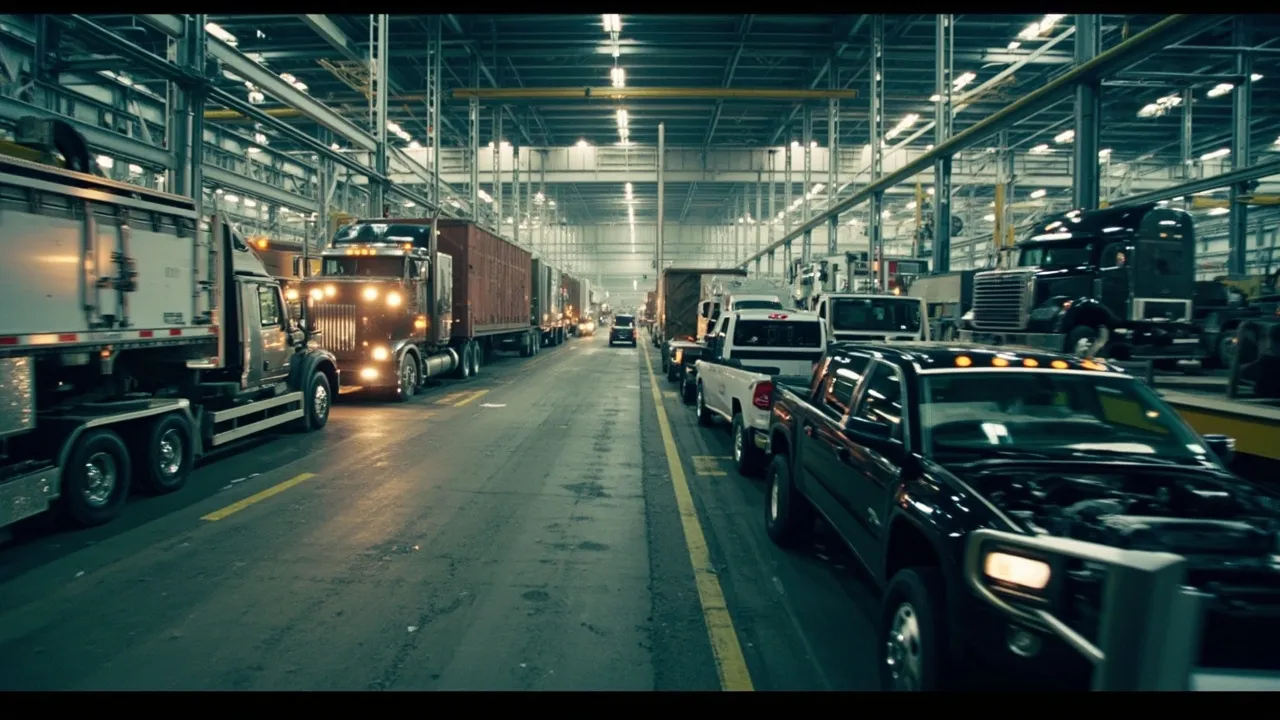
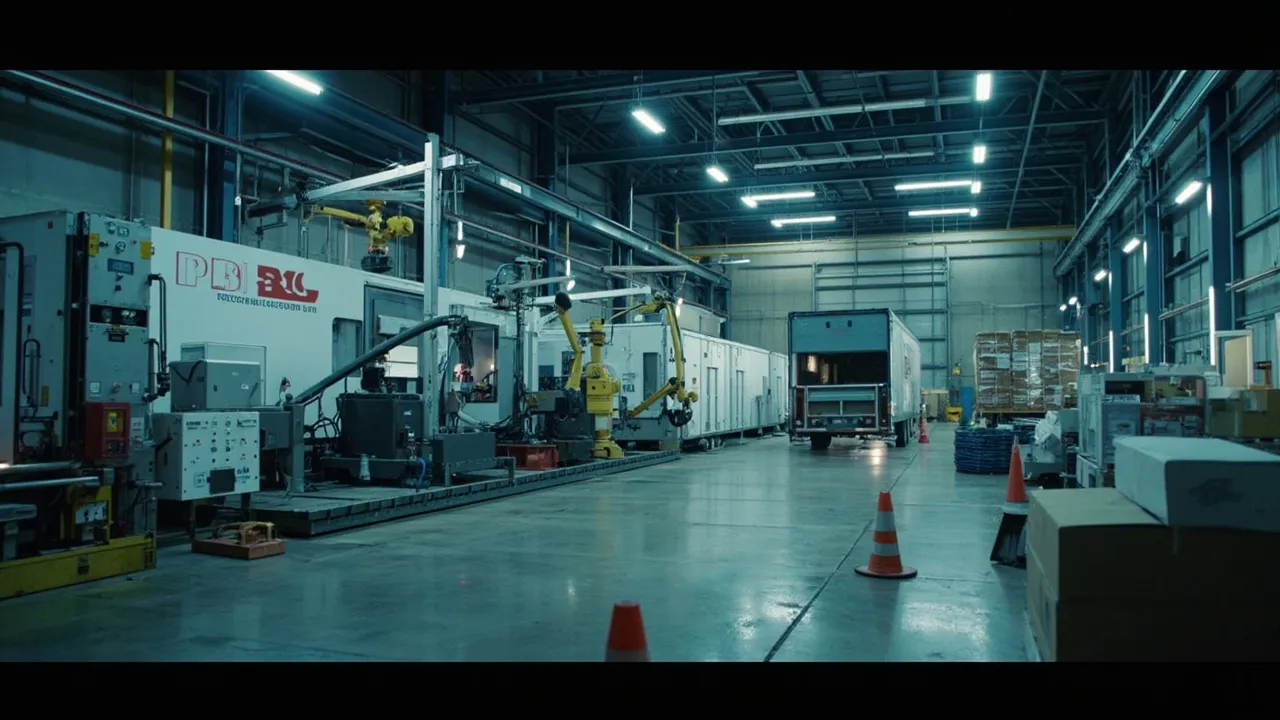
Automotive plant expansions are usually announced as manufacturing stories: investment, jobs, capacity, and future products. Logistics teams should read them differently. A new line is also a live test of supplier readiness, inbound transportation, packaging loops, yard control, rail capacity, finished-vehicle flow, and allocation discipline.
That is the real lesson in Toyota's latest Texas move. Supply Chain Dive reported that Toyota Motor North America plans to invest $3.6 billion to more than double the size of its San Antonio assembly plant. The expansion adds a second assembly line that will allow the facility to build the Tacoma alongside the Tundra pickup and Sequoia SUV.
The numbers matter beyond Toyota. The project is expected to create more than 2,000 jobs and support the shift of some U.S.-market Tacoma production from Baja California, Mexico, to Texas by 2030. Supply Chain Dive also noted that the new line will be capable of producing 150,000 units per year once complete, against nearly 275,000 U.S. Tacoma sales in 2025.
That is not just extra factory square footage. It is a freight network redesign with a four-year runway.
The Launch Starts Before Production
Automotive logistics has little tolerance for vague readiness. A plant cannot simply add output and trust the network to catch up later. Once production starts, missing parts create line stoppages, late sequenced deliveries create rework, poor yard discipline creates dwell, and outbound bottlenecks turn finished vehicles into trapped working capital.
Toyota's plan also shows why the border between manufacturing and logistics keeps getting thinner. The company is adding capability in San Antonio while some Tacoma production remains tied to Mexico. That means launch planning has to account for supplier parks, cross-border flows, existing Mexican production, new Texas capacity, dealer demand, and transition timing.
The macro environment makes that harder. Reuters reported that U.S. capital goods imports hit a record high in May as the trade deficit widened. For industrial shippers, that is a warning: expansion programs do not happen in isolation. Equipment, tooling, components, and production materials compete for capacity while other companies are importing machinery, electronics, and industrial inputs.
Meanwhile, logistics costs remain too large to treat launch freight as an afterthought. Logistics Management, summarizing the 37th State of Logistics report, said U.S. business logistics costs totaled $2.4 trillion, or 7.8% of GDP. The same coverage emphasized a shift from periodic optimization to continuous adaptation. That is exactly the operating model an automotive launch needs.
The Launch Readiness Map
The first control point is the supplier lane. Every launch needs a lane file that shows origin, supplier contact, route, border exposure, transit time, pickup cadence, carrier, backup carrier, and escalation owner. A supplier that looks ready in procurement may still be operationally fragile if its freight window, customs documents, or packaging return loop is not proven.
Next is the dock slot. A second assembly line changes receiving behavior. More inbound parts do not just mean more trucks. They mean more appointment pressure, more trailer staging, more labor planning, and more exceptions when a shipment misses its window. Dock capacity should be modeled by part family, delivery frequency, unload time, and line-side urgency.
The third point is parts packaging. Automotive launches live or die on container discipline. Expendable packaging can create waste and damage. Returnable containers can create shortages if empties are not recovered, inspected, cleaned, and repositioned fast enough. The packaging plan needs container counts, dwell targets, repair rules, supplier responsibilities, and shortage triggers.
Then comes the returnable asset loop. A launch that adds production volume without governing racks, totes, bins, and dunnage will discover the shortage later through urgent replacements, expedited returns, or line-side substitutions. The returnable loop should be tracked with the same seriousness as inbound freight because the container is often the condition that makes the part ship-ready.
The fifth point is the sequencing window. Automotive parts do not merely need to arrive. Many have to arrive in a precise order that supports build sequence, trim, powertrain, or option content. That makes transportation delay more dangerous than a simple late shipment. Logistics teams need to know when a delay breaks sequence, when resequencing is possible, and when a premium move is justified.
Outbound mode is the sixth control. More finished vehicles create pressure on yard space, rail loading, carrier availability, damage inspection, and dealer delivery windows. The outbound plan should show which volume moves by rail, which moves by truck, which destinations need mixed mode coverage, and where allocation changes will stress the network.
Finally, the launch needs a dealer allocation signal. Finished vehicles should not pile up because sales, production, and transportation are using different demand signals. Dealer allocation, production release, rail schedule, carrier tender, and delivery promise need to reflect one current signal. Otherwise, a plant expansion can create the strange problem of producing the right vehicles into the wrong bottleneck.
Readiness Is an Execution Discipline
The temptation in a large expansion is to manage logistics readiness through milestone decks. That is useful for executive reporting, but it is not enough for launch control. The operating question is whether every critical handoff has evidence: supplier approved, lane tested, packaging available, dock slot assigned, carrier committed, sequence protected, yard capacity checked, rail plan confirmed, dealer signal current.
That evidence has to be live because launches change. Tooling arrives late. Supplier output ramps unevenly. Carriers miss pickups. Weather disrupts yards. Border delays change transit assumptions. A production schedule that looked clean last month can become unrealistic once freight starts moving at scale.
This is where CXTMS fits. CXTMS gives logistics teams one execution layer for inbound shipments, carrier commitments, milestones, yard and delivery exceptions, documents, costs, and outbound visibility. Instead of waiting for a launch meeting to discover that a supplier lane is slipping, teams can see the shipment event, assign the exception, and escalate before the miss reaches the line.
For freight forwarders and automotive logistics teams, that matters on both sides of the plant. Inbound flows need supplier readiness, parts visibility, packaging status, and appointment discipline. Outbound flows need finished-vehicle milestones, carrier performance, rail or truck handoffs, dealer delivery evidence, and exception recovery. The same launch control view should connect both.
Toyota's San Antonio expansion is a reminder that manufacturing capacity is only valuable when the logistics system can use it. A second line can add production potential. It cannot by itself guarantee that parts arrive in sequence, containers return on time, rail capacity is available, or dealers receive vehicles when promised.
If your next plant launch still depends on disconnected spreadsheets, carrier emails, and after-the-fact exception reviews, request a CXTMS demo. CXTMS helps logistics teams turn production-launch plans into shipment-level execution control before the first unit leaves the line.