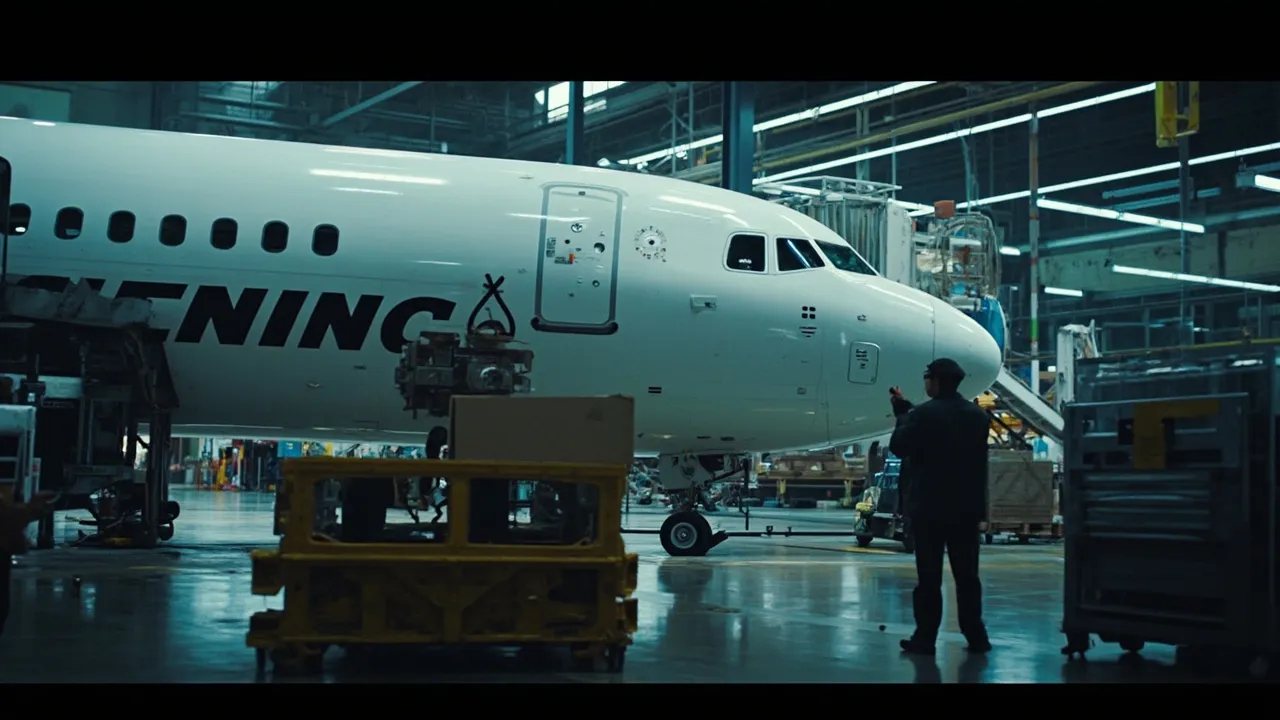
Aircraft Interior Capacity Is Becoming an Aerospace Logistics Constraint

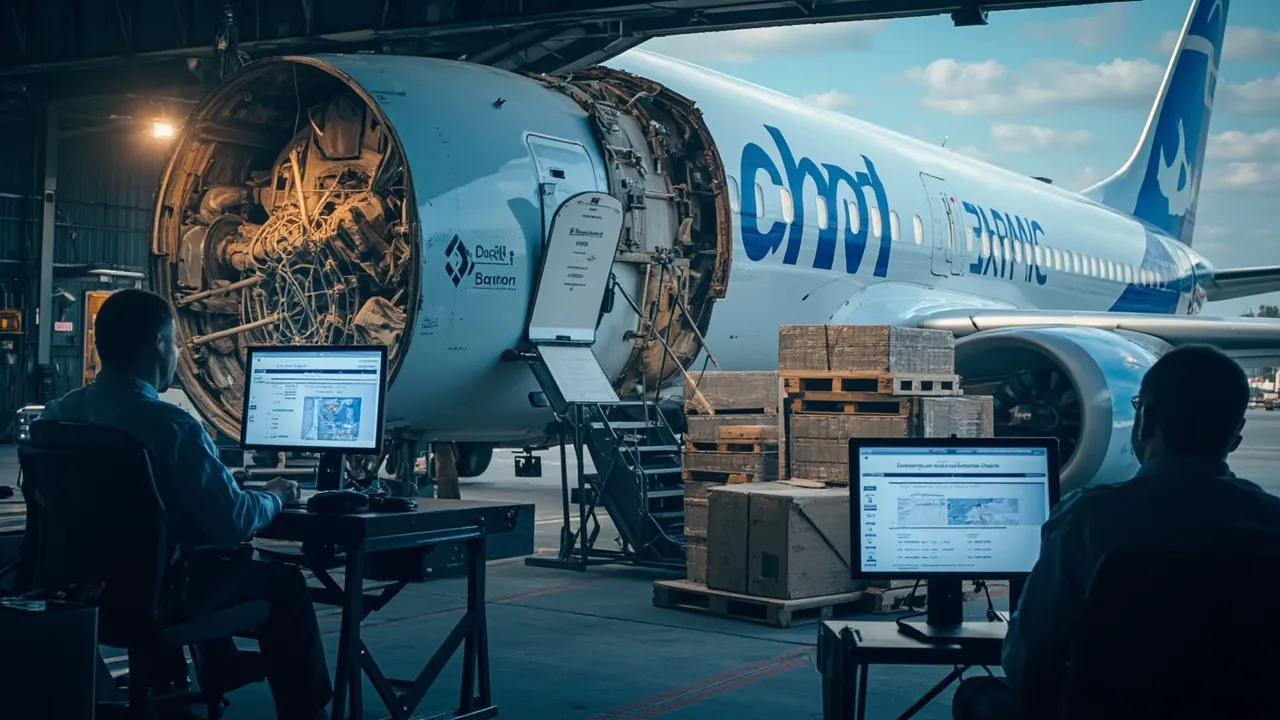
Aircraft interiors rarely get the same supply chain attention as engines, avionics, or airframes. That is a mistake.
Reuters reported that aircraft cabin products maker Jamco is expanding operations in India as part of a capacity push. The article is a useful signal because cabin interiors sit at the intersection of aerospace manufacturing, certified materials, project freight, and maintenance windows. When interior capacity tightens, the consequence is not just a late seat, galley, lavatory module, partition, or panel. It can become a delayed delivery, a missed retrofit slot, or an aircraft sitting idle while teams wait for documented, approved parts.
That makes aircraft interiors a logistics constraint, not only a manufacturing category.
The broader risk environment supports the point. Logistics Management reported that global supply chain disruptions cost businesses an estimated $184 billion annually, citing Marsh research, and that 65% of companies face at least one bottleneck in their supply chain at any given time. Aerospace interior programs are exactly where those bottlenecks become expensive quickly: long qualification cycles, limited suppliers, specialized materials, customer-specific configurations, and narrow installation windows all compress the margin for error.
Cabin Parts Are Not Commodity Freight
Cabin products may involve lightweight composites, flame-retardant materials, engineered plastics, seat tracks, textiles, lighting assemblies, monument structures, placards, fasteners, and wiring interfaces. Many of those items need documentation that proves conformity, traceability, safety, and configuration control. If the part arrives without the right certificate, revision level, serial record, or inspection status, the physical shipment has not really arrived in operational terms.
That is where logistics teams get pulled into aerospace quality. A truck can be on time and still fail the program if the shipment lacks usable records. A supplier can ship the correct part number and still create a delay if the revision does not match the aircraft configuration. A warehouse can receive cartons and still be unable to release them if the lot documentation is incomplete.
For aircraft interiors, "available" has to mean physically present, documented, inspected, and matched to the right tail, line position, or retrofit work package.
Capacity Expansions Create Their Own Coordination Problem
Jamco's India expansion points to a familiar aerospace pattern: when demand or backlog pressure pushes suppliers to add capacity, the network gets more distributed before it gets easier to manage.
New or expanded operations can improve production volume, but they also introduce more logistics control points. Supplier onboarding, material qualification, export documentation, local transport, pack standards, forwarder selection, customs clearance, consolidation, and final delivery all have to be stabilized. For cabin interiors, the issue is whether the surrounding logistics process can protect the certification trail and deliver parts into the right maintenance or assembly window.
Aircraft interiors are often project freight. A retrofit program may need kits sequenced by aircraft, work zone, or installation phase. Missing one critical module can hold up a larger package. Sending everything early can overload MRO storage space and create handling risk. Sending everything late can break the work schedule. The answer is milestone control, not simply more expediting.
MRO Windows Make Delay More Expensive
Cabin interiors become especially sensitive during maintenance, repair, and overhaul programs. An aircraft can be scheduled into a hangar for a fixed window. Labor, tooling, inspection capacity, and customer commitments are planned around that slot. If seats, monuments, panels, cabin electronics, or soft goods do not arrive with complete documentation, the MRO provider may have to resequence work or hold the aircraft longer than planned.
That can create a chain reaction. A late part affects mechanics. Mechanics affect hangar capacity. Hangar capacity affects the next aircraft. The operator loses utilization. The supplier may face claims. The forwarder may be blamed even when the root cause is upstream data quality.
This is why aerospace logistics needs a different operating model from ordinary inbound transportation. The shipment event is only one layer. The project milestone is the real control point. Program teams need to know whether the part is approved, whether the paperwork is complete, whether customs data is clean, whether inspection capacity is available, and whether the part still aligns to the aircraft schedule.
The Supply Base Warning Is Broader Than Interiors
Interior capacity is not the only aerospace manufacturing constraint in the news. In a separate report, Reuters covered how delays around a UK defence plan were weighing on the military supply base. The markets are different, but the lesson is similar: aerospace supply chains depend on specialized suppliers that cannot always flex quickly when demand, policy, program timing, or production priorities change.
That fragility shows up in logistics as a coordination burden. When a supplier has constrained output, transportation teams need earlier signals. When documentation is slow, customs and receiving teams need exception workflows. When schedules shift, forwarders need updated booking logic. If those updates live in emails and spreadsheets, the network reacts too late.
What Aerospace Teams Should Control
The first control is part-level traceability. Every shipment should connect purchase order, part number, revision, serial or lot reference, certificate status, inspection requirement, supplier, and destination milestone.
The second control is schedule alignment. Interior parts should be tied to aircraft, retrofit package, line position, or installation date, not only to a delivery address. That lets teams see whether a late shipment threatens an actual program milestone.
The third control is documentation readiness. Aerospace teams should treat missing paperwork as an exception before freight moves, not after receiving. Certificates, commercial documents, export records, packing lists, and customs data should be validated against the shipment plan.
The fourth control is escalation ownership. A cabin-interior delay may involve supplier operations, quality, engineering, logistics, customs brokerage, MRO planning, and customer service. The workflow needs one accountable owner, severity rules, and a clear path from alert to action.
Finally, teams should track bottleneck patterns across suppliers and lanes. If repeated delays come from one material, one approval step, one consolidation point, or one documentation field, the fix belongs upstream.
The Operating Layer Matters
Aircraft interiors are becoming a capacity story because airlines, manufacturers, and MRO providers need more than physical production. They need reliable, documented, project-aligned flow.
That is the part logistics systems often miss. A TMS that only tracks pickup and delivery cannot manage certified part readiness. A spreadsheet cannot preserve traceability across suppliers, forwarders, brokers, warehouses, and installation teams. A shared inbox cannot prioritize exceptions by aircraft impact.
CXTMS helps aerospace logistics teams build the coordination layer around those realities. It connects supplier ETAs, shipment milestones, documentation status, part traceability, exception ownership, and customer communication in one operating workflow. If your aerospace program has visibility but still struggles to protect retrofit windows, supplier commitments, or certified-part readiness, schedule a CXTMS demo to see how CXTMS turns project freight into controlled execution.