Robotics Warehouse Associate Roles Need Task Evidence, Not Job-Title Panic

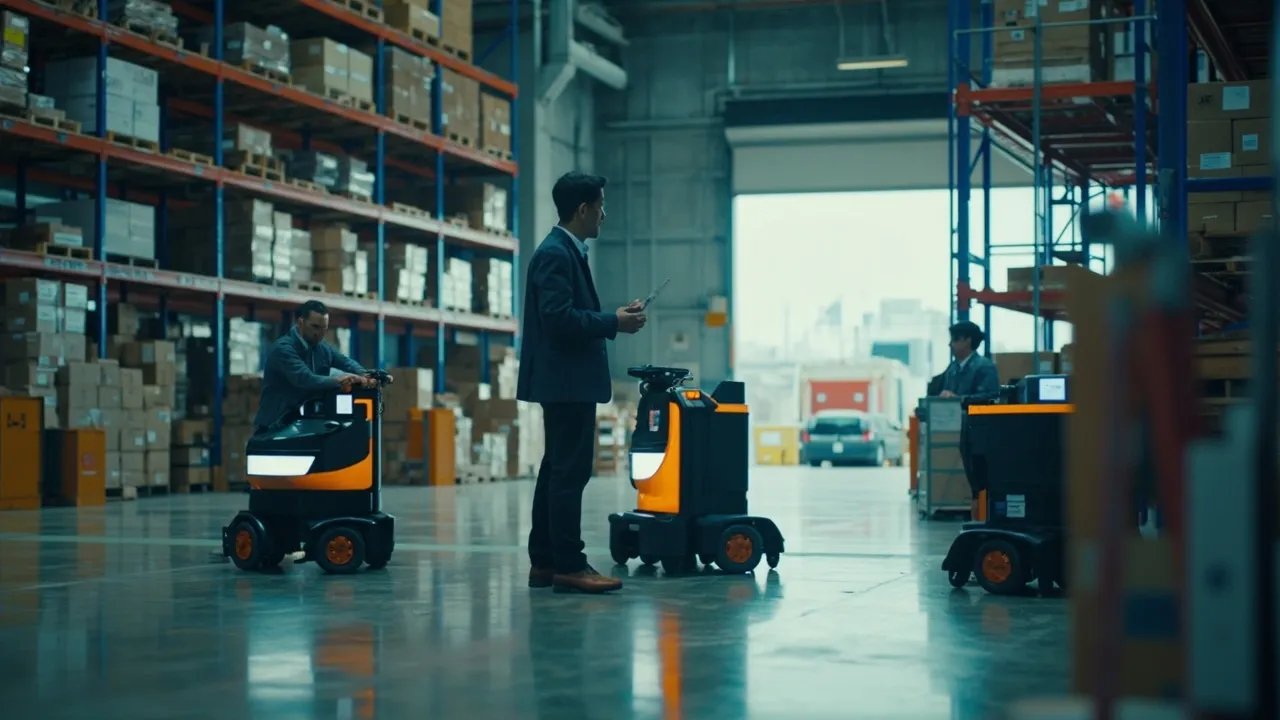
Warehouse robotics has become a tempting subject for job-title panic. Search demand around "robotics warehouse associate" reflects a real anxiety: if robots are moving through distribution centers, what happens to the people who used to do the moving?
That is the wrong first question. The useful question is narrower and more measurable: which tasks are changing, and what evidence proves the new workflow is ready to support shipments?
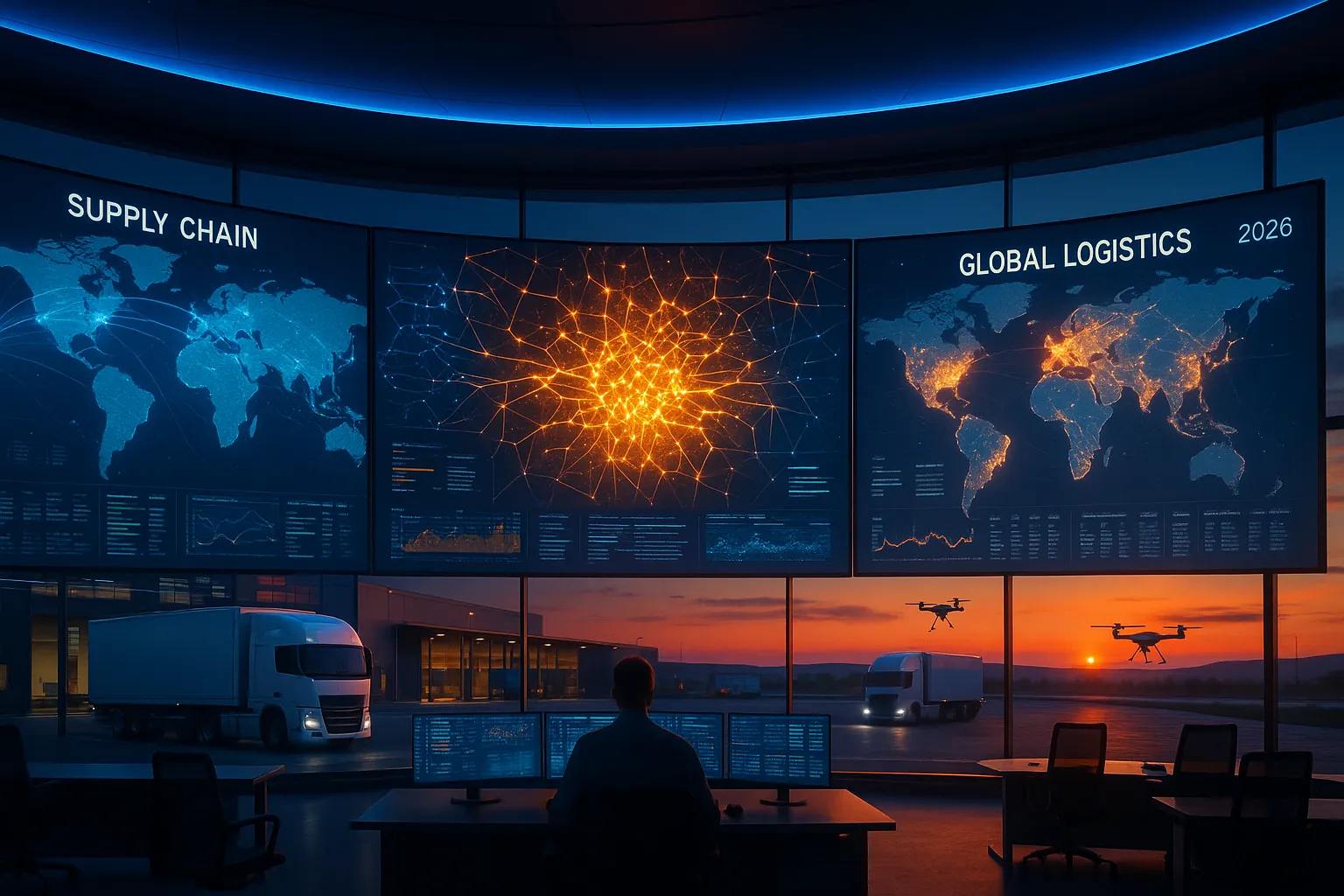
Deloitte's Tech Trends 2026 gives the debate a sharp data point. Deloitte notes that Amazon deployed its millionth robot, while DeepFleet coordinates the robot fleet and improves warehouse travel efficiency by 10%. That is not a small pilot. It is a signal that warehouse automation is moving from isolated equipment decisions to network-level operating systems.
But a 10% travel-efficiency gain does not automatically tell a transportation team whether a load will make pickup, whether a short order needs to be split, or whether an associate is stuck clearing exceptions in a robotic zone. Robots can make movement faster while hiding the operational details that determine service.
The next phase of warehouse labor planning should be built around task evidence, not job-title drama.
The Associate Role Is Becoming More Specific
Warehouse automation rarely replaces a whole job in one clean step. More often, it rearranges work inside the job. Walking, moving, scanning, picking, replenishing, clearing jams, resolving shorts, staging freight, checking quality, and escalating maintenance all shift at different speeds.
Modern Materials Handling's coverage of Gartner's 2026 supply chain technology trends identifies polyfunctional robots as one of the major technologies to watch. These robots can perform multiple tasks instead of one dedicated function, helping companies use automation in environments facing labor shortages. The same MMH article highlights physical AI: AI combined with sensors, robotics, and automation systems that monitor conditions and respond in real time across warehouses and transportation networks.
That combination matters. When robots become more flexible and the building becomes more sensor-driven, associate work becomes less about repetitive motion and more about exception control.
A robotics warehouse associate may spend less time walking a long pick path and more time intervening when a robot cannot complete a task. Another associate may move from routine replenishment to prioritizing replenishment that protects outbound cutoffs. A lead may spend less time asking who is available and more time deciding which exception threatens the shipping plan.
The operating problem is that many warehouses still track labor at the wrong altitude. They know headcount, shift schedule, units per hour, robot uptime, and completed missions. But they often cannot connect a human intervention to the shipment it protected.
Robotics Adoption Is Already Mainstream Enough to Need Discipline
This is no longer a fringe issue. In MMH's 2026 Intralogistics Robotics Survey, Peerless Research Group surveyed 166 subscribers of Modern Materials Handling, Logistics Management, and Supply Chain Management Review between March and April 2026. Manufacturing represented 29% of respondents, transportation and warehousing 21%, wholesale trade 14%, and retail 12%.
The adoption numbers are the real wake-up call. MMH reported that 52% of survey participants already use one or more types of robots, up from 48% the prior year. Another 32% plan to deploy robotics within the next three years, while the share with no plans dropped from 9% to 3%. In other words, almost every serious warehouse operator is either using robotics, planning robotics, or at least evaluating it.
The same survey shows why the labor conversation is so charged. Respondents ranked reduced labor costs as the top robotics motivator, followed by improved warehouse productivity and increased throughput. Asked for the single most important factor, 67% pointed to labor costs and 33% cited labor availability.
That does not mean the future warehouse has no associates. It means the cost of unclear associate work is rising. If a facility invests in robotics but cannot prove which human tasks keep the system flowing, it risks cutting the wrong labor or letting exceptions accumulate until they hit transportation.
Build a Task-Evidence Layer
The practical answer is a task-evidence layer that sits between robotics systems, warehouse execution, labor planning, and transportation management.
Start with the robot work zone. Every automated area should have a clear operating boundary: what work the robots can perform, what work is paused, and what work requires human supervision. Zone state should be visible to warehouse leaders and transportation planners, not trapped inside an engineering dashboard.
Next, capture human intervention. When an associate touches a robotic workflow, the record should say why. Was it a blocked aisle, damaged case, barcode problem, tote mismatch, safety stop, failed handoff, or replenishment gap? A generic "manual assist" code is not enough. The reason code shows whether the problem is training, slotting, maintenance, packaging, data quality, or equipment design.
Pick exceptions need their own discipline. If a robot or associate cannot complete a pick, the system should connect the exception to the order, SKU, customer promise, and outbound shipment. The difference between a nuisance exception and a service failure is often the carrier cutoff.
Replenishment delay is another critical signal. Automation can process available work quickly, but it cannot pick inventory that is not in the right place. Transportation needs to know whether a load is waiting on replenishment, a quality hold, a missing pallet, or a robot queue.
Safety stops and maintenance tickets should also carry shipment context. A stop in a robotic zone may be routine for engineering, but it can become a missed pickup if the affected work feeds a scheduled truckload, LTL pickup, parcel induction, or air cargo tender.
Finally, measure shipment impact. Every exception record should answer one blunt question: did this task issue change a dock commitment? If the answer is yes, the transportation plan needs to update before the failure becomes visible to the customer.
Where CXTMS Fits
CXTMS helps logistics teams connect warehouse readiness to transportation execution as robotics and human associates share the same fulfillment plan.
If a robotic zone is delayed, CXTMS can help transportation teams see which shipments, carriers, appointments, and customer promises are exposed. If a human intervention protects a high-priority order, the exception record should travel with the shipment history instead of disappearing inside a warehouse report. If replenishment misses a dock window, planners need the evidence early enough to retender freight, move an appointment, or reset the customer promise.
Robotics will keep changing warehouse work. The winners will not be the companies with the loudest automation story or the leanest org chart. They will be the companies that can prove which tasks are ready, which exceptions matter, and which dock commitments are still safe.
If your robotics roadmap is moving faster than your shipment evidence, schedule a CXTMS demo. CXTMS helps teams connect warehouse task state, dock timing, carrier execution, and freight exceptions before automation gains turn into missed promises.